So You Got a Lead — Now What?
If this scenario sounds painfully familiar, you're not alone. Studies show that 78% of customers buy from the first business that responds to their inquiry — and yet the average home services business takes over 24 hours to follow up with a new lead. That gap between "interested prospect" and "paying customer" is where deals go to die, and it's almost entirely preventable with one thing: an automated lead nurture sequence.
Understanding the Anatomy of a Lead Nurture Sequence
The First 5 Minutes Are Everything
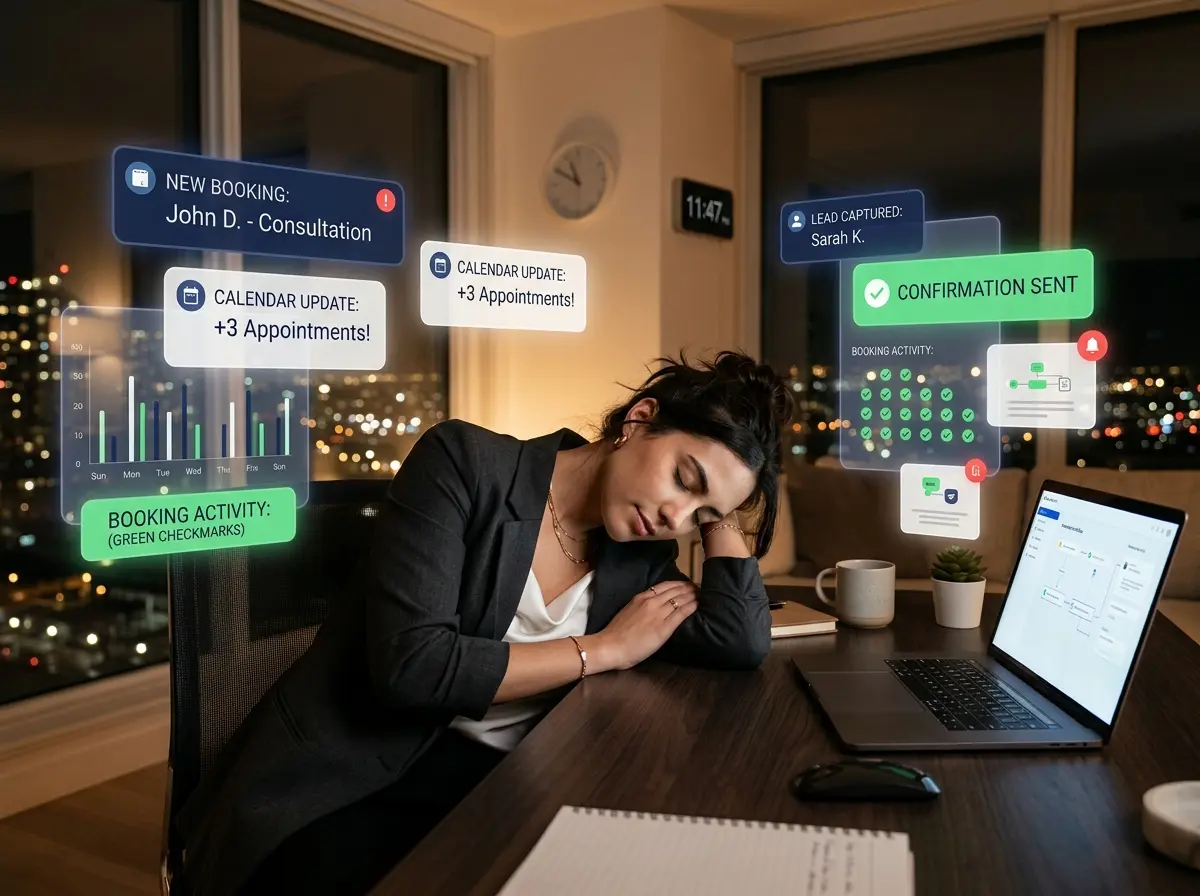
Speed is your single biggest competitive advantage when it comes to lead follow-up. When someone submits a form or calls and doesn't reach a live person, your automated sequence needs to fire immediately. We're talking within minutes, not hours. A simple text message that says "Hey [Name], thanks for reaching out! We received your request and will be in touch shortly. In the meantime, here's what to expect from working with us: [link]" can be the difference between a warm lead and a cold one.
Building a Drip Sequence That Doesn't Feel Like Spam
- Day 0 (immediate): Automated text and/or email confirming their inquiry.
- Day 1: Follow-up email with your company story, credentials, and a link to reviews or testimonials.
- Day 3: A value-driven email — think "5 Signs You Need a New Water Heater Before Winter" or "What to Expect During a Roof Inspection."
- Day 5: A gentle nudge with a call to action — a limited-time offer, an easy booking link, or a prompt to schedule a free estimate.
- Day 10: A final check-in. Keep it short, human-sounding, and low pressure.
Choosing the Right Tools for Automation
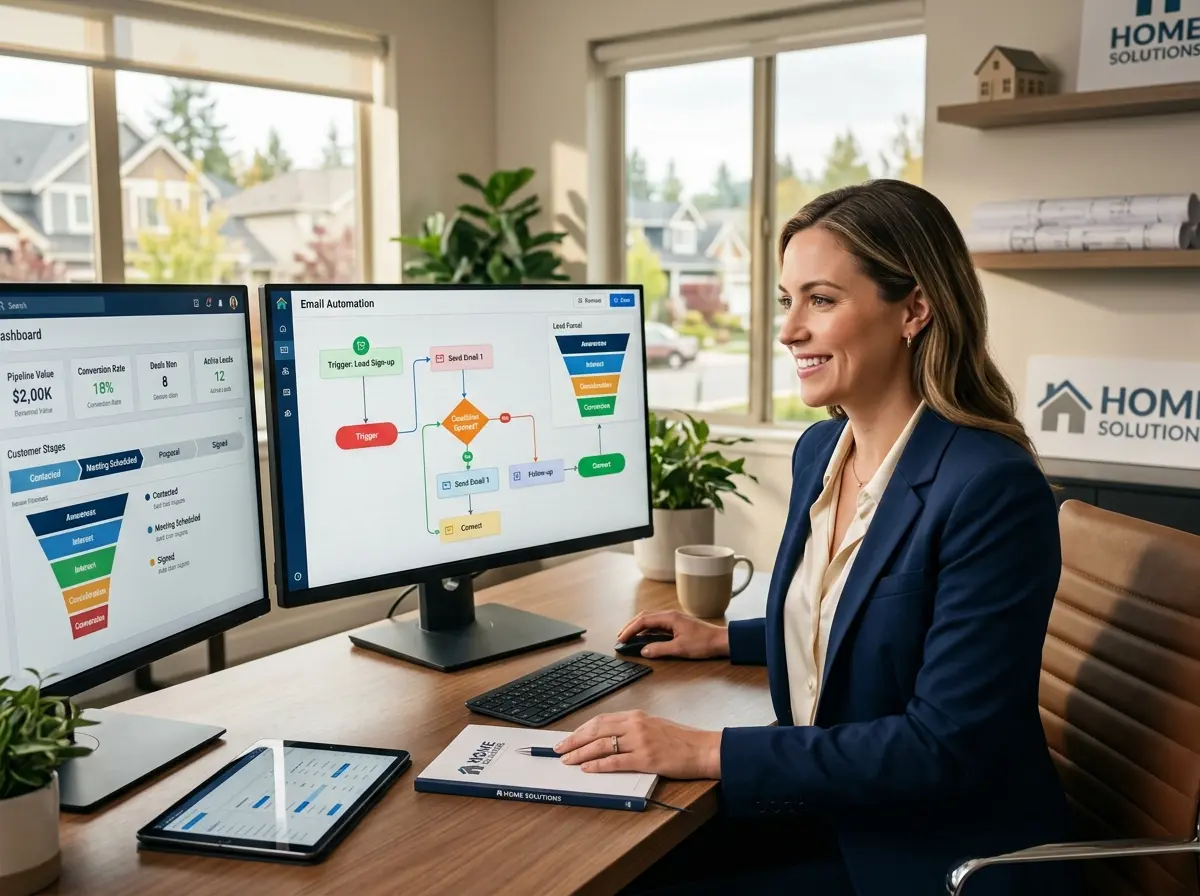
You don't need a $1,000/month enterprise CRM to pull this off. Platforms like GoHighLevel, HubSpot (free tier), Jobber, or even Mailchimp paired with a texting tool like SimpleTexting can get you up and running quickly. What matters more than the tool is the strategy behind it. Map out your sequence on paper first — who gets what message, when, and why — before you start building automations. Skipping this step is how you end up with 47 half-finished workflows and a login you can't remember.
Capturing the Right Information From the Start
Intake Forms and First-Party Data Collection
Whether a prospect calls in, fills out a form on your website, or walks into your showroom, you need a consistent intake process that captures the right information — name, contact details, service of interest, timeline, budget range, and how they heard about you. This is exactly where Stella earns her keep. Stella's conversational intake forms collect this information naturally during phone calls, on the web, or at her in-store kiosk — no awkward data entry, no dropped details. That information feeds directly into her built-in CRM, complete with custom fields, tags, and AI-generated contact profiles, so your nurture sequence has everything it needs to be actually personalized.
Segmenting Your Leads So You're Not Sending the Wrong Message
Create Segments Based on Intent and Service Type
Use Behavior Triggers to Personalize the Journey
Don't Neglect the Leads That Said No (Yet)
Quick Reminder About Stella
Stella is an AI robot employee and phone receptionist who greets customers at your physical location, answers calls 24/7, collects lead information through built-in intake forms, and manages contacts through her integrated CRM — all for $99/month with no upfront hardware costs. She makes sure no lead slips through the cracks before your nurture sequence even has a chance to do its job. Think of her as the front door of your entire funnel.