Introduction: Because Theft Doesn't Take a Day Off
Let's start with a number that might make you spill your morning coffee: retailers lose an estimated $112 billion annually to shrinkage — a polite industry term for theft, fraud, administrative errors, and vendor mishaps. That's billion, with a "B." And while it's tempting to imagine your biggest loss prevention problem is the occasional shoplifter stuffing a jacket under their coat, the reality is far more nuanced — and far more preventable.
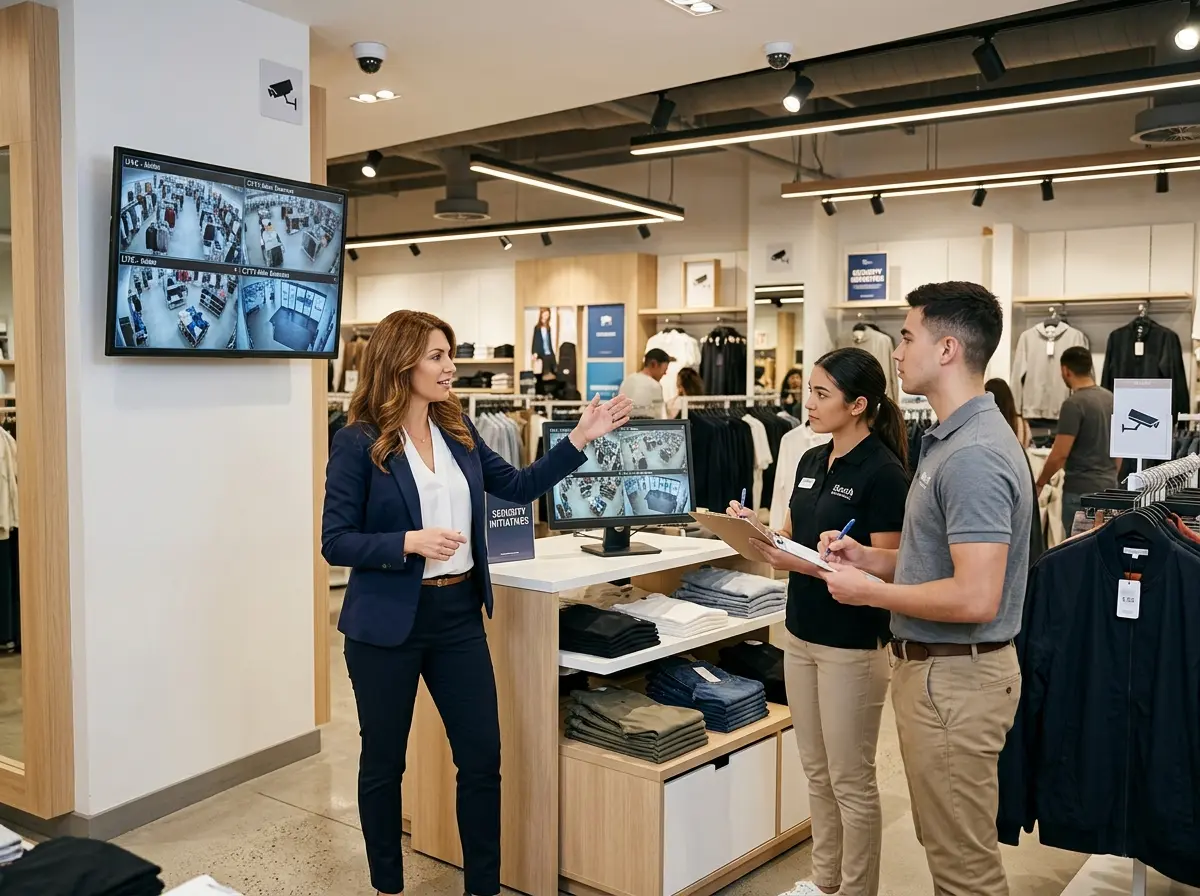
The good news? A well-trained retail team is your single most powerful weapon against loss. Not the intimidating security camera mounted in the corner (though keep that). Not the alarmed merchandise tags (though keep those too). Your people — their habits, their awareness, and their ability to engage with customers — are what actually move the needle. This guide breaks down exactly how to build a loss prevention training program that sticks, covers the bases most businesses miss, and maybe even keeps your team awake during the training session.
Understanding the Four Pillars of Retail Loss
External Theft
This is the classic villain of loss prevention: shoplifters. External theft accounts for roughly 37% of retail shrinkage, according to the National Retail Security Survey. Training employees to recognize suspicious behavior — such as customers who avoid eye contact, spend excessive time in low-traffic areas, or enter with large bags they didn't have when they came in — is essential. But here's the kicker: the most effective deterrent isn't confrontation. It's acknowledgment. Simply greeting every customer and maintaining a visible, attentive presence dramatically reduces theft opportunities. An engaged employee is a thief's worst nightmare.
Internal Theft
This one's uncomfortable to talk about, but here we are. Employee theft accounts for approximately 28% of shrinkage, and it often goes undetected for months — or years. Training should include clear policies around cash handling, employee purchases, bag checks, and discount usage. It should also foster a culture where employees feel comfortable reporting suspicious behavior anonymously, without fear of retaliation. Setting clear expectations from day one — during onboarding, not after something goes wrong — makes an enormous difference.
Administrative and Vendor Errors
Building a Training Program That Employees Actually Remember
Here's a hard truth: a two-hour PowerPoint presentation on loss prevention policy, delivered once a year, does almost nothing. Research on training retention consistently shows that people forget up to 70% of new information within 24 hours if it isn't reinforced. So if your current loss prevention training is a once-annual formality, you're essentially running an expensive reminder session with minimal long-term impact.
Make It Ongoing, Not a One-Time Event
Use Scenario-Based Learning
How Technology Can Support Your Loss Prevention Efforts
Stella: Always Watching (In a Friendly Way)
Stella is an AI robot employee and phone receptionist that stands inside your store, actively greeting every customer who walks by. While she's not a security guard, her consistent, proactive customer engagement creates exactly the kind of attentive store environment that deters would-be shoplifters. Theft thrives on being ignored — and Stella never ignores anyone. She also answers your business phone calls 24/7, meaning questions about store hours, return policies, and product availability get answered promptly, keeping human staff free to maintain a visible floor presence rather than being tethered to the front desk. For retailers, that combination of consistent in-store engagement and reliable phone coverage adds a meaningful layer of operational support that complements your human team.
Creating a Culture of Accountability and Awareness
Set Clear Expectations from Day One
Recognize and Reward Vigilance
Review Incidents and Learn from Them
A Quick Reminder About Stella
Stella is an AI robot employee and phone receptionist designed to help businesses of all sizes — retail stores, service providers, restaurants, and more — maintain a consistent, professional presence without the overhead of additional staff. For just $99/month, she greets customers in-store, answers calls around the clock, and keeps your team free to focus on what matters most. She doesn't call in sick, she doesn't get distracted, and she definitely doesn't forget to say hello to a customer walking in.
Conclusion: Start Training Like You Mean It
Here's your action plan to get started:
- Audit your current training program. When was the last time loss prevention was discussed with your full team? If the answer is "at the last annual training," it's time to rethink your approach.
- Update your policies. Make sure your cash handling, refund, discount, and inventory procedures are clearly documented, current, and actually being followed.
- Schedule scenario-based training sessions. Commit to at least quarterly refreshers that include realistic role-play scenarios relevant to your store.
- Build a reporting culture. Create an anonymous reporting channel and make it clear that concerns will be taken seriously and acted upon.
- Layer in smart technology. Complement your trained team with tools — like Stella — that help maintain customer engagement and operational coverage without stretching your staff thin.