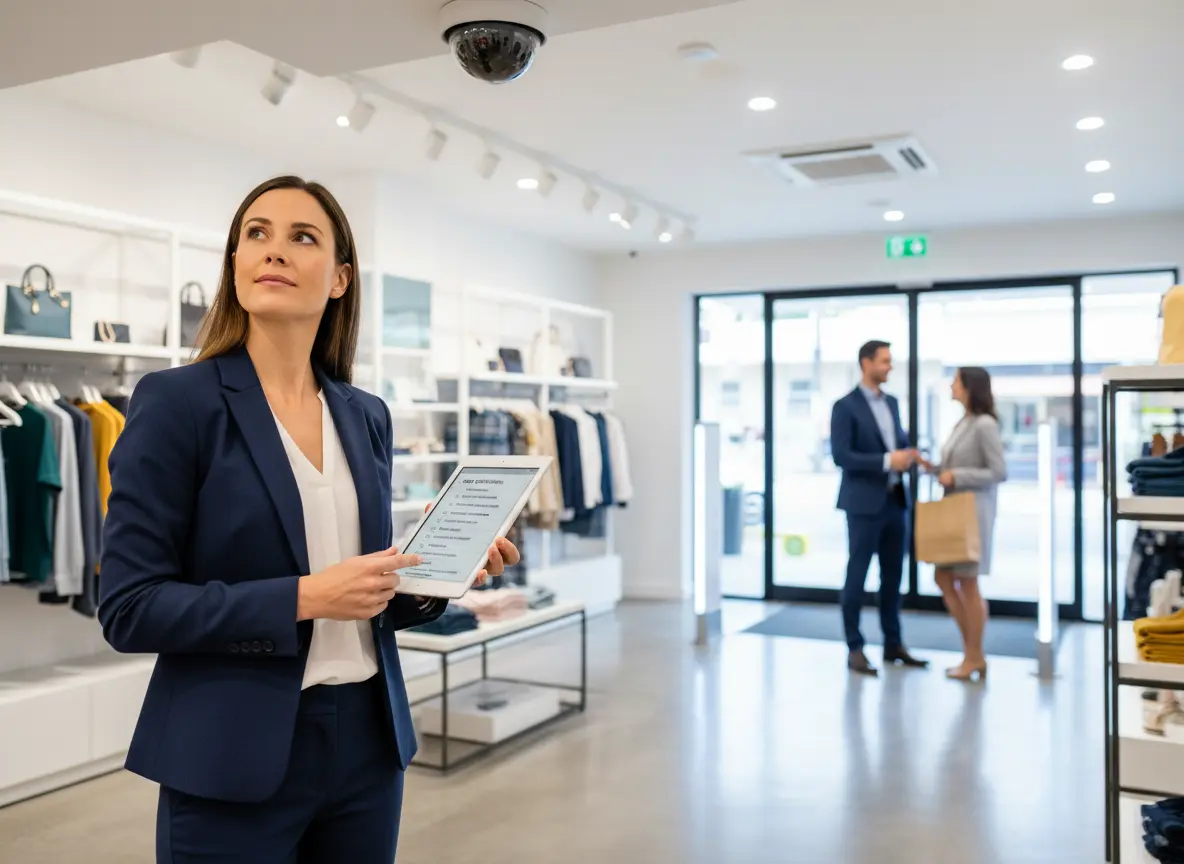
Let’s Talk About Your Unofficial Inventory Reduction Program
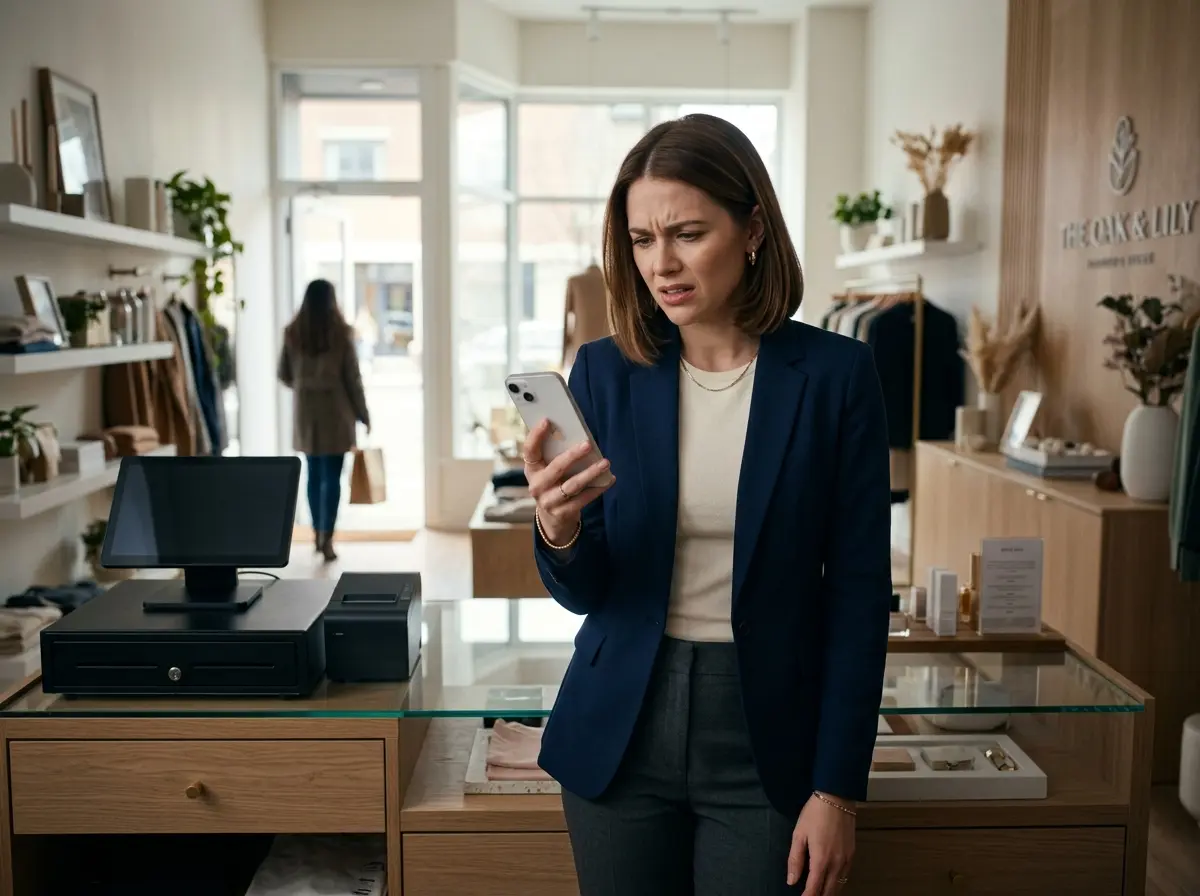
Ah, retail. The thrill of the sale, the joy of a happy customer, and the soul-crushing discovery that your inventory numbers are… aspirational. Shrink, the five-finger discount, the ol’ disappearing act—whatever you call it, shoplifting is a costly, infuriating part of the business. According to the National Retail Federation, shrink cost retailers a staggering $112.1 billion in 2022. That’s not just a rounding error; that’s a direct hit to your bottom line.
You’ve probably tried it all: stern signs, awkward conversations, and a security camera system that produces videos with all the clarity of a Bigfoot sighting. But what if the best defense wasn't about catching thieves, but about convincing them your store is just not worth the trouble? It’s time to move from being reactive to being brilliantly, proactively, and maybe even a little deviously deterrent. Here’s a checklist of 15 ways to make would-be thieves think twice, take their business elsewhere, and leave your inventory blissfully intact.
The Foundation: Your Store's Body Language
Before you even speak to a customer, your store is communicating. Is it saying, “We’re on top of things here,” or is it whispering, “Psst, no one’s watching aisle three”? Shoplifters are experts at reading a store’s body language. Here’s how to make sure yours is projecting confidence and control.
1. Master Your Layout: The Art of Clear Sightlines
Is your store a welcoming retail space or a labyrinth designed by a minotaur with a passion for hiding spots? Shoplifters adore blind corners, towering displays, and cluttered aisles. It’s time to declutter and think like a security guard.
- Keep displays low. Ideally, your staff should be able to see over most of the fixtures from the cash wrap. Get rid of that life-sized cardboard cutout that’s creating a perfect shoplifting cove.
- Eliminate "hidden" zones. Walk your store and identify any area where someone could linger unseen. If you can’t see it, you can’t protect it. Rearrange, remove, or add mirrors until every corner is accounted for.
- Widen your aisles. Cramped spaces not only frustrate legitimate shoppers but also make it easy for thieves to conceal movements and products. Give people room to breathe, and you’ll take away their cover.
2. Let There Be Light (and Mirrors)
There’s a reason heists happen in the dark. A bright, well-lit environment is a powerful psychological deterrent. It creates a feeling of exposure—the "stage light effect." No one wants to be in the spotlight when they’re trying to slip a bottle of expensive cologne into their pocket.
And let’s not forget the humble convex mirror. Yes, they feel a bit retro, but they are cheap, effective, and send a clear message: we’re watching. Place them strategically to eliminate those blind spots you identified earlier. It’s the low-tech solution that still works wonders in a high-tech world.
3. For Goodness Sake, Keep It Clean
A messy, disorganized store doesn't just look unprofessional; it signals neglect. A stray piece of merchandise on the floor, a dusty shelf, or a chaotic clearance rack screams, “Our attention to detail is… lacking.” To a shoplifter, this translates to, “They probably won’t even notice if this goes missing.” A clean, organized, well-maintained store implies that the staff is attentive, diligent, and very much aware of their inventory. Make sure your store’s first impression is one of crisp, clean control.
The Human (and Robotic) Element
Your physical space is the stage, but the real play happens when people walk through the door. How they are engaged—or ignored—in those first few seconds can be the difference between a sale and a theft. This is where presence, both human and otherwise, becomes your secret weapon.
4. Greet 'Em and Beat 'Em (at Their Own Game)
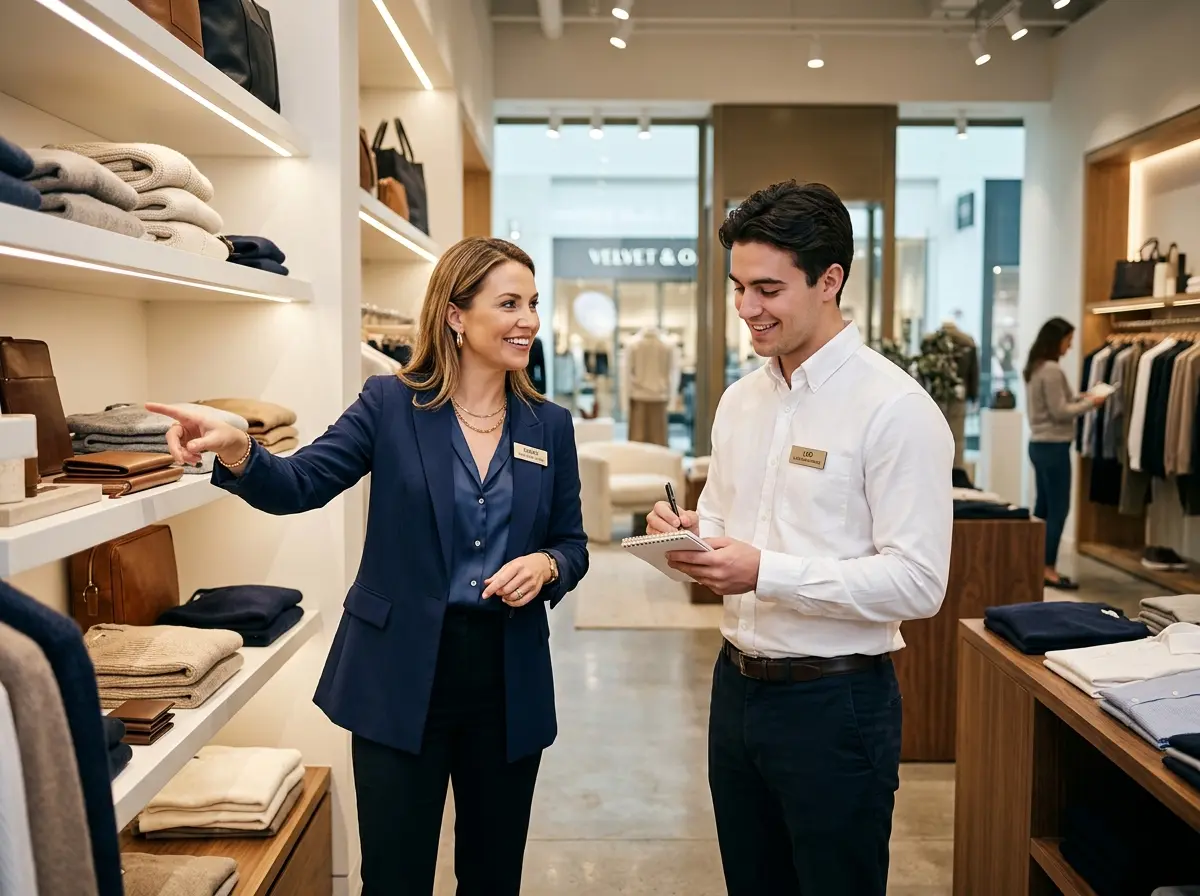
If you do only one thing from this entire list, do this: greet every single person who walks into your store. It’s the single most effective, low-cost loss prevention tool in existence. A simple, "Hello, welcome in!" with direct eye contact achieves two critical things:
- It makes legitimate customers feel welcome and valued.
- It tells a potential thief, "I see you. I have acknowledged your presence. I know you are here."
That subtle moment of recognition is often enough to make them abandon their plans and walk right back out. The key is consistency. Missing even a few greetings when staff are busy or in the back room creates the exact window of opportunity a thief is looking for.
5. Meet Your Newest Team Member: The Unblinking Greeter
Ensuring every customer gets a greeting is easier said than done. Your team gets busy, distracted, or might be helping another customer. That’s where technology can offer the perfect assist. Imagine an employee who stands by the door 24/7, never takes a break, and greets every single person with perfect professionalism. That’s Stella. By placing a friendly, human-sized robotic assistant at your entrance, you guarantee that no one enters unnoticed.
A shoplifter's plan often relies on anonymity—slipping in and out without being seen. When they’re immediately met by a cheerful but unblinking greeter who engages them directly, that anonymity vanishes. Stella not only serves as a powerful deterrent but also frees up your human staff to provide deeper, more meaningful service to legitimate shoppers, further enhancing the "we're paying attention" atmosphere in your store.
Policies, People, and High-Value Products
Finally, let's talk about the rules of the game. Your internal processes, staff training, and product placement strategies are the final layers of your security onion. Getting these right can protect your most vulnerable items and empower your team.
6. Train Your Team to Be Observant, Not Accusatory
Your staff is your front line, but they aren't security guards. Train them in proactive, service-oriented observation. Instead of teaching them to spot "shady people" (which leads to profiling and poor service), teach them to spot suspicious behaviors.
- Customers who avoid eye contact and staff interaction.
- Individuals carrying large, empty bags or wearing unseasonably bulky clothing.
- People who seem more interested in watching the staff than the merchandise.
The best response to these behaviors isn't confrontation; it's a lethal dose of customer service. Instruct your team to approach and ask, "Hi there, can I help you find a size in that?" or "That's one of our most popular items! Let me know if you have any questions." This kills their opportunity and often neutralizes the threat without any conflict.
7. Lock Up the Good Stuff (Strategically)
You know what items walk out the door most often. For small, high-value products—electronics, premium cosmetics, certain accessories—a locked case is non-negotiable. It creates a necessary barrier that forces a potential thief to interact with staff, which is the last thing they want to do. For larger items like designer handbags or coats, consider using security tags, spider wraps, or a "display only" policy where customers must ask for an item from the stockroom. Yes, it adds a tiny bit of friction to the buying process, but it’s far less friction than filling out a police report.
8. Use Signage That Works
Your signs should be clear, professional, and confident. A handwritten "Shoplifters will be prosecuted!!!" sign taped to the door looks desperate. A professionally printed sign near the entrance and checkout that says, "For your safety and ours, this store is monitored by video surveillance," is far more effective. It’s calm, it’s a statement of fact, and it serves as a constant reminder that actions have consequences. Be direct, be professional, and let your signs do the talking for you.
A Quick Reminder About Your New Favorite Employee
As you build your multi-layered security strategy, remember that your first line of defense is also your first opportunity for engagement. A robotic assistant like Stella ensures 100% greeting consistency, deterring theft while simultaneously promoting your latest deals and improving the customer experience from the moment they walk in.
Your Store Is Not a Charity
Let’s be clear: protecting your merchandise isn't about creating a fortress of paranoia. It's about smart, subtle strategies that make your store an unattractive target for thieves while making it an even better place for your actual customers. Loss prevention is a combination of psychology, environment, and attentive service.
Don’t try to do everything at once. Pick two or three strategies from this list and implement them this week. Adjust your lighting. Move that one display that blocks your view. Role-play "aggressive customer service" with your team. Every small change adds another layer to your defense, protecting your profits and giving you back your peace of mind. After all, you’re in business to sell products, not to unwillingly donate them.