When "Good Boy" Just Isn't Cutting It Anymore
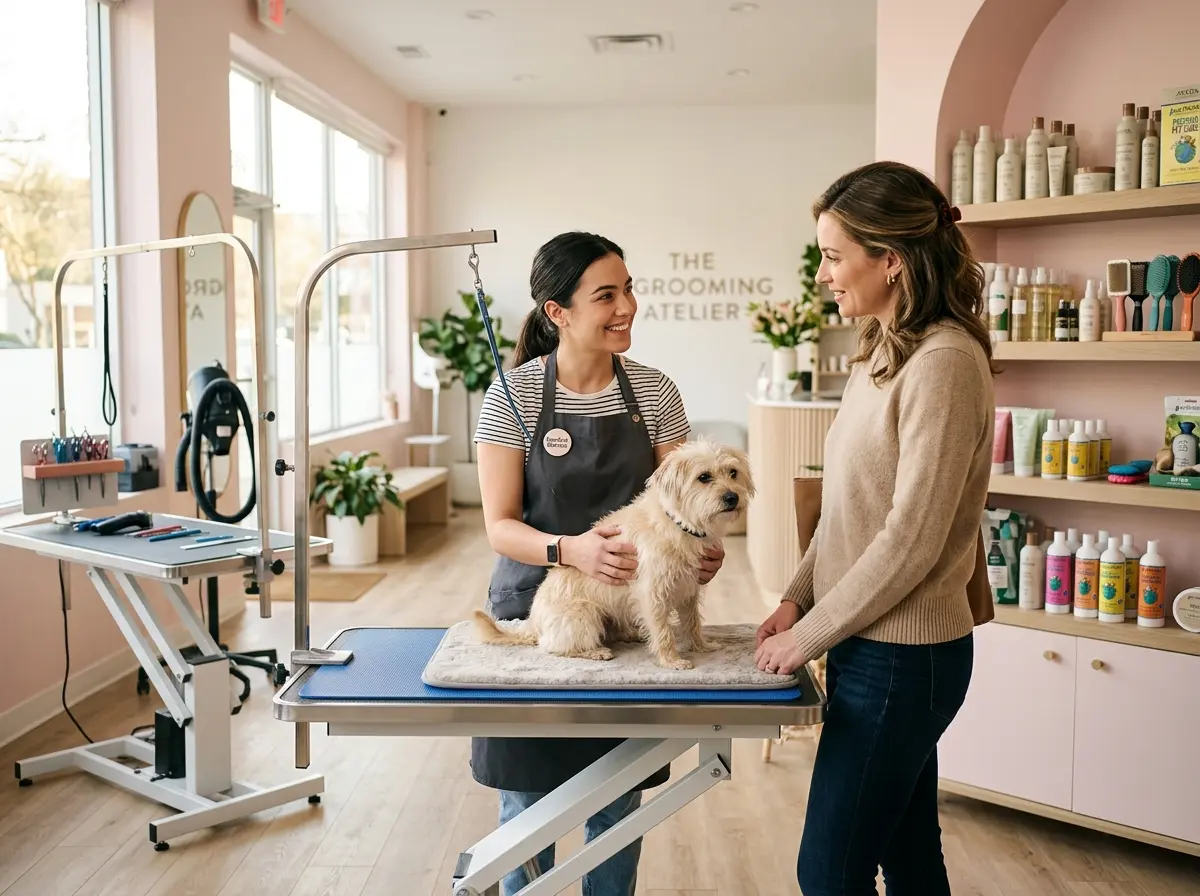
Let's paint a picture: A golden retriever named Biscuit arrives at your grooming shop trembling like he's about to testify before Congress. His owner, Karen, arrives with him — equally trembling, clutching a printed list of 14 specific instructions, a bag of Biscuit's "emotional support treats," and the energy of someone who has not slept since 2019. You have three other dogs waiting, two groomers on shift, and a phone that won't stop ringing.
Welcome to the glamorous world of professional dog grooming.
Anxiety in pets is genuinely common — studies suggest that up to 70% of dogs show signs of anxiety in at least one situation, and grooming is a top trigger. But here's the twist: managing the pets' anxiety is often the easier half of the job. Managing their owners? That's where the real professional artistry comes in. This guide will walk you through practical, proven strategies to keep tails wagging and owners calm — and maybe help you get through a Tuesday without a minor breakdown of your own.
Understanding and Managing Pet Anxiety in the Grooming Environment
Reading the Room (and the Dog)
Before you can manage anxiety, you have to recognize it. Dogs communicate stress in ways that are easy to miss if you're busy or undertrained. Yawning out of context, lip licking, a tucked tail, whale eye (that wide-eyed "please help me" look), and excessive panting are all early warning signs that a dog is nearing their threshold. Catching these signals early gives you the chance to slow down, redirect, or take a break before a manageable situation becomes a bite incident.
Train your team to do quick behavioral check-ins at intake. A simple visual assessment — posture, tail position, ear set, eye contact — takes less than 30 seconds and can save you from a 30-minute meltdown mid-bath. Document what you observe in each dog's file so you build a behavioral history over time. What calms Biscuit down? What makes him shut down entirely? That information is gold.
Creating a Calmer Physical Space
Your environment does more work than you think. Loud dryers, metal clanging, barking from adjacent kennels, and the general chaos of a busy shop floor can push an already-nervous dog from "mildly uncomfortable" to "full crisis mode" in minutes. Consider investing in sound-dampening materials, using white noise machines or calming music playlists (yes, dogs have been shown to respond positively to certain types of music), and reducing visual overstimulation where possible.
If your layout allows it, designate a quieter intake area separate from the main grooming floor. Even a few feet of buffer and a visual barrier can help a nervous dog settle. Aromatherapy with dog-safe calming scents like lavender is also worth exploring — just make sure your products are specifically formulated for animals, not humans.
Technique Adjustments for Anxious Pets
Speed is not always your friend when working with anxious dogs. A "fear free" approach — which includes going slower, offering frequent breaks, using high-value treats strategically, and avoiding forced restraint when possible — can dramatically reduce stress responses over repeated visits. Many groomers report that dogs who were initially labeled "difficult" became their most cooperative clients after just a few patient, low-pressure sessions.
It's also worth having a conversation with pet owners about pre-appointment prep. A dog that arrives after a good walk, skipped breakfast (so treats land harder), and a calm morning routine is going to be meaningfully easier to work with than one who's been cooped up, anxious, and amped up since dawn.
Handling the Other Anxious Animal: The Pet Owner
Setting Expectations Before They Walk In the Door
Here's an uncomfortable truth: many pet owner anxiety spirals start before they even arrive at your shop. They've spent three hours googling grooming horror stories, they've called twice to confirm the appointment, and they're catastrophizing before Biscuit has so much as sniffed your welcome mat. The best antidote is proactive, professional communication that establishes trust early.
Use your intake process to ask the right questions: Has the pet been groomed before? Any previous bad experiences? Any health conditions or sensitivities? This shows professionalism and helps owners feel heard — which, frankly, is half the battle. Set realistic timelines, explain your process clearly, and let them know when and how you'll update them. Most owner anxiety is rooted in uncertainty, and you have the power to reduce that significantly.
This is exactly where Stella can quietly become one of your most valuable team members. Stella can answer incoming calls around the clock — fielding those pre-appointment questions from anxious owners at 10 PM, collecting pet intake information conversationally over the phone or through your website, and logging it all into her built-in CRM with custom fields and notes so your groomers show up informed. No more frantic morning calls derailing your flow, and no more intake forms that owners "forgot" to fill out.
Quick Reminder About Stella
Stella is an AI robot employee and phone receptionist built for businesses like yours. She stands inside your shop greeting walk-in customers, answers your phones 24/7 with the same professionalism and knowledge she uses in person, and handles intake, FAQs, and upselling — all for $99/month with no hardware costs. She doesn't take breaks, doesn't call in sick, and never forgets to mention your current promotions.
Building Systems That Scale Your Sanity
Documenting Behavioral Profiles for Every Pet
If your grooming shop doesn't have a behavioral profile for every regular client, you're working harder than you need to. A well-maintained pet profile should include known triggers, preferred handling techniques, successful calming strategies, grooming history, coat condition notes, and any health concerns that affect how the appointment should be run. This isn't just a nice-to-have — it's a professional standard that protects your team and builds genuine loyalty with pet owners who notice that you actually remember their dog.
Build this into your intake and post-appointment workflow. After each session, spend two minutes updating the file. Over time, these profiles become an incredibly powerful tool — especially when onboarding new groomers or covering for a team member who's out. Consistency is calming for anxious dogs, and a detailed profile lets any trained groomer deliver that consistency reliably.
Training Your Team — Including for Owner Interactions
Grooming schools do an excellent job preparing professionals to handle animals. They do a significantly less excellent job preparing them to handle a teary-eyed owner who is convinced that her labradoodle is "not like other dogs." Customer communication is a skill, and it's one worth investing in deliberately.
Consider running short, regular team trainings that cover de-escalation techniques, how to deliver difficult news (yes, sometimes the matting really is that bad), and how to set firm but kind boundaries with overinvolved owners. Role-playing common scenarios might feel awkward, but it works. Your groomers will feel more confident, your owners will feel better managed, and your shop will run more smoothly as a result.
Creating Post-Appointment Communication That Builds Trust
The appointment doesn't end when the dog walks out the door. A brief follow-up — even a simple text or email — asking how Biscuit is settling in, sharing a cute photo from the session, or flagging a coat or skin concern you noticed goes an enormous way toward building the kind of trust that turns first-time customers into decade-long regulars. It also gives anxious owners a sense of partnership, which dramatically reduces the hovering and the panicked mid-appointment phone calls.
Create a simple post-appointment checklist for your team: note anything unusual observed, send a follow-up within 24 hours, and flag any pets that may need a behavioral consultation or a vet referral. Small gestures, consistently executed, build a reputation that no amount of advertising budget can replicate.
Conclusion: Calm Dogs, Calm Owners, and a Calmer You
Running a dog grooming shop is equal parts artistry, animal behavior expertise, and surprisingly advanced human psychology. The good news is that most of the strategies that calm anxious pets — patience, consistency, clear communication, and a well-designed environment — work pretty well on their anxious owners too. Who knew?
Here are your actionable next steps to start implementing today:
- Audit your physical space for noise and visual stressors and make at least one meaningful change this week.
- Build or upgrade your pet behavioral profile system so every groomer has the information they need before an appointment starts.
- Invest in team training that includes customer communication, not just animal handling.
- Set up a post-appointment follow-up process — even a simple template message goes a long way.
- Reduce phone chaos and intake friction by exploring tools that handle your communications and customer data professionally, so your team can focus on the dogs.
Your clients — the four-legged ones and the two-legged ones — deserve a grooming experience that feels safe, professional, and reassuring from the very first phone call to the final fluff dry. And you deserve a shop that doesn't require you to be everywhere at once. Build the systems, train the team, and let the right tools carry their share of the weight. Biscuit is counting on you. So is Karen.