So You Want Doctors to Send You Patients? Let's Talk About That.
Here's the reality most massage therapists don't want to hear: being talented isn't enough to build a thriving oncology massage practice. You could have the gentlest hands in the state, a serene treatment room, and a genuine passion for supporting cancer patients — and still find yourself staring at an empty appointment book. Why? Because the medical community isn't going to send their most vulnerable patients to someone they've never heard of, can't verify, and have no professional relationship with.
The good news? Building a specialization in oncology massage that actually attracts medical referrals is entirely achievable — it just requires you to think less like a massage therapist and more like a healthcare business owner. That means credentials, communication, clinical professionalism, and yes, a little bit of strategy. The days of hanging a shingle and waiting for the phone to ring are long gone (bless their hearts).
This guide will walk you through exactly how to position your practice as the go-to oncology massage destination for local oncologists, palliative care teams, and cancer centers — and how to keep that referral pipeline flowing once you've built it.
Building the Clinical Foundation That Commands Respect
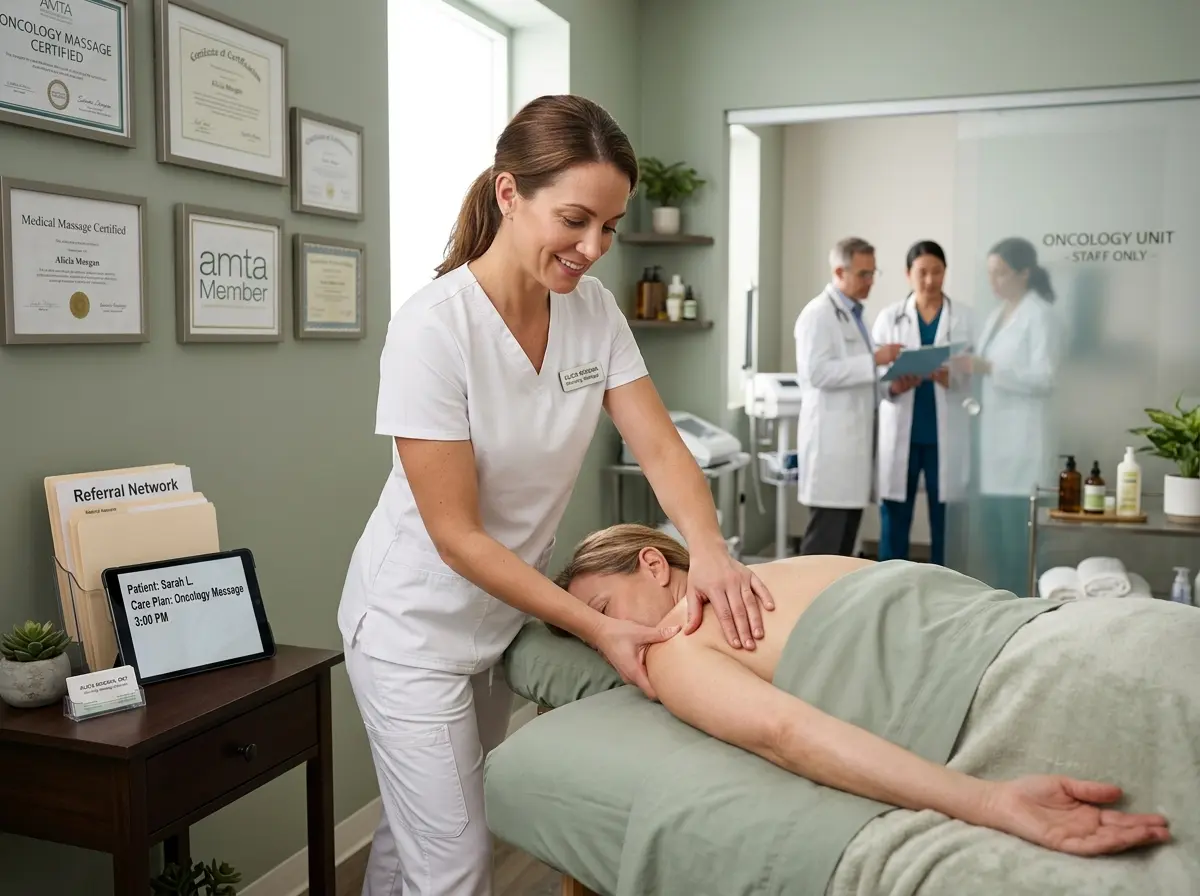
Before a single oncologist picks up the phone to refer a patient to you, they need to trust that you know what you're doing. And we're not talking about a weekend workshop kind of knowing — we're talking about verifiable, documented, peer-respected expertise. The medical world runs on credentials, and oncology massage is no exception.
Get Properly Certified — Then Shout About It
The Society for Oncology Massage (S4OM) offers the most recognized advanced training in this specialty, and their coursework requirements are rigorous for a reason. You'll need a minimum of 24 hours of oncology massage-specific training to pursue the Certificate in Oncology Massage (C-IAYT adjacent pathways aside), but most practitioners who successfully attract medical referrals go well beyond the minimum. Consider training through organizations like Beaumont Integrative Medicine, Memorial Sloan Kettering's continuing education programs, or Smith Center for Healing and the Arts.
Once you have your credentials, put them everywhere — your website, your email signature, your intake forms, your voicemail greeting, your business cards. Physicians are trained to look for letters after names. Give them something to see.
Speak the Language of Medicine
If you walk into an oncologist's office and describe your work as "deeply relaxing and energetically balancing," you will not be invited back. Medical professionals communicate in clinical terms, and your ability to speak that language signals that you are a peer, not a stranger. Learn to discuss lymphedema precautions, neuropathy protocols, post-surgical contraindications, bone metastasis considerations, and medication side effects that affect bodywork decisions.
Document your sessions using SOAP notes. Maintain proper intake forms that capture oncology-relevant health history. Be prepared to coordinate care by sending session summaries to the referring provider (with patient consent, of course). When a physician sees that you operate like a clinical professional, they begin to see you as one.
Create a Formal Referral Packet
This is the step most massage therapists skip, and it's a big miss. A referral packet is a professionally designed, concise document you leave with medical offices that includes your credentials, your clinical protocols, your intake process, contraindication awareness, liability coverage, and clear instructions for how to refer a patient to you. Think of it as your resume, your business proposal, and your clinical philosophy all in one tidy folder.
Include a one-page overview of the evidence base for oncology massage — there's solid research from institutions like the Memorial Sloan Kettering Integrative Medicine Service showing significant reductions in pain, nausea, and anxiety among cancer patients who receive massage. Let the data do some of the talking for you.
Running Your Practice Like the Professional Operation It Needs to Be
Here's where a lot of solo practitioners quietly fall apart: they build the credentials, they make the connections, and then a doctor's office calls to ask about scheduling or intake requirements — and nobody answers. Or worse, someone answers but doesn't know what to say. First impressions in the medical referral world are remarkably difficult to recover from.
Never Miss a Referral Call Again
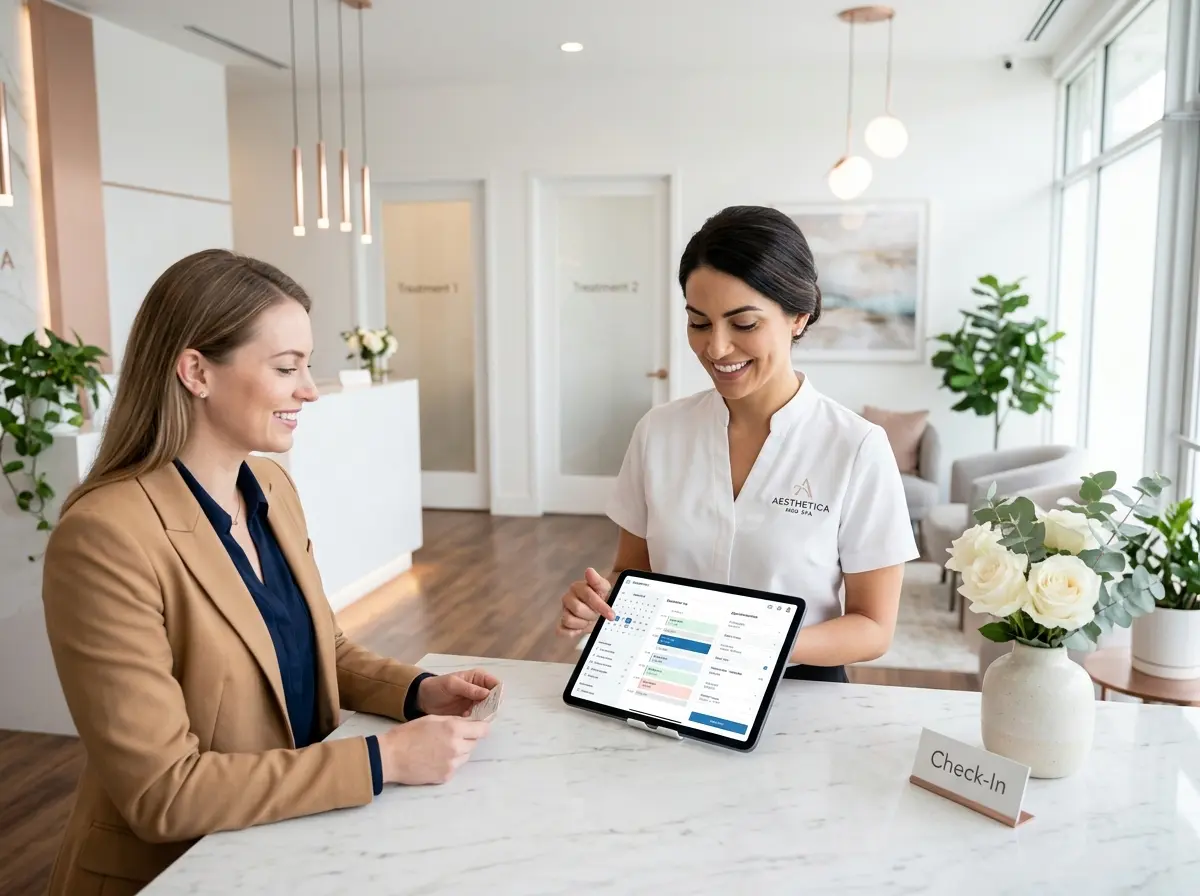
This is where Stella becomes genuinely useful for oncology massage practitioners. Stella is an AI robot employee and phone receptionist that answers calls 24/7, collects patient intake information conversationally, and ensures that every inquiry from a medical office or prospective patient is handled with professionalism — even when you're in the middle of a session with your hands on a client. She can gather the specific health history information you need for oncology clients before they even walk through the door, manage your contacts through a built-in CRM, and make sure no referral from a physician's office slips through the cracks. For a specialty where trust and reliability are everything, having a consistent, professional front-of-house presence matters more than most practitioners realize.
Cultivating and Maintaining Medical Referral Relationships
Getting your foot in the door with one oncologist is great. Building a sustainable referral network across a hospital system, a cancer center, and several palliative care practices? That's a business. And like any relationship worth having, medical referral partnerships require ongoing attention, communication, and demonstrated value.
Start With the Right Entry Points
Don't cold-call the oncology department head on day one. Instead, start by identifying integrative medicine coordinators, oncology social workers, patient navigators, and palliative care nurses — these are the professionals who spend their days connecting patients with supportive care resources, and they are enormously influential in referral decisions. Attend tumor board meetings when invited. Offer a free lunch-and-learn presentation on the evidence base for oncology massage. Volunteer to be a resource for a local cancer support group. Build visibility before you ask for anything.
Local cancer centers affiliated with larger hospital networks often have integrative oncology programs that are actively looking for vetted community providers. Getting on an approved vendor or preferred provider list can be worth dozens of individual referral conversations.
Communicate Outcomes Back to Referring Providers
This is the secret weapon almost no one uses consistently. After treating a referred patient (with appropriate consent), send a brief, professional follow-up note to the referring provider summarizing the session focus, any contraindications you navigated, and the patient's reported experience. This does three powerful things: it confirms that you handled their patient with clinical care, it reinforces the referring provider's decision to send patients to you, and it opens the door for ongoing clinical communication.
Physicians who receive thoughtful follow-up from a massage therapist — in clinical language, professionally formatted — often become your most enthusiastic referral sources. It's genuinely rare, which makes it genuinely memorable.
Track, Measure, and Refine Your Referral Strategy
Treat your referral network like the business asset it is. Track which providers send you patients, how frequently, what those patients' needs tend to be, and what percentage convert to ongoing care. Note which outreach strategies generated new relationships and which fell flat. Over time, patterns will emerge that help you invest your networking time more wisely.
Consider creating an annual "impact report" — a simple one-page document summarizing how many patients you've served, common conditions addressed, and patient satisfaction highlights — and sharing it with your key referral partners. It reinforces your value and keeps you top of mind when the next patient needs exactly what you offer.
Quick Reminder About Stella
Stella is an AI robot employee and phone receptionist available for just $99/month — no upfront hardware costs, no training headaches, no sick days. She answers calls around the clock, handles patient intake, manages your CRM, and gives your practice the professional, always-available presence that medical referral partners expect. For a solo practitioner or small massage therapy practice, she's essentially a front-desk team member who never drops the ball.
Building Something Worth Referring To
Oncology massage is one of the most meaningful specializations in the massage therapy field — and one of the most underserved. Cancer patients desperately need skilled, knowledgeable touch therapists, and the medical teams caring for those patients are increasingly aware of the clinical value that well-trained oncology massage practitioners provide. The opportunity is real. The pathway is clear. What it requires is commitment to clinical excellence, strategic relationship-building, and the operational professionalism to back it all up.
Here's your action plan, in plain terms:
- Get certified through a recognized oncology massage training program and display those credentials prominently everywhere.
- Adopt clinical communication practices — SOAP notes, proper intake forms, and medical-grade documentation.
- Build a referral packet that speaks to physicians and care coordinators in their language.
- Identify your entry points into the local medical community and start building relationships before you need them.
- Close the loop with referring providers through consistent, professional follow-up communication.
- Systematize your operations so that every phone call, every inquiry, and every referral is handled with the same reliability you bring to the treatment table.
The massage therapists who succeed in building thriving oncology practices aren't necessarily the most talented in the room. They're the ones who took the business side as seriously as the clinical side — and built something that physicians felt genuinely confident recommending to their patients. That can absolutely be you.