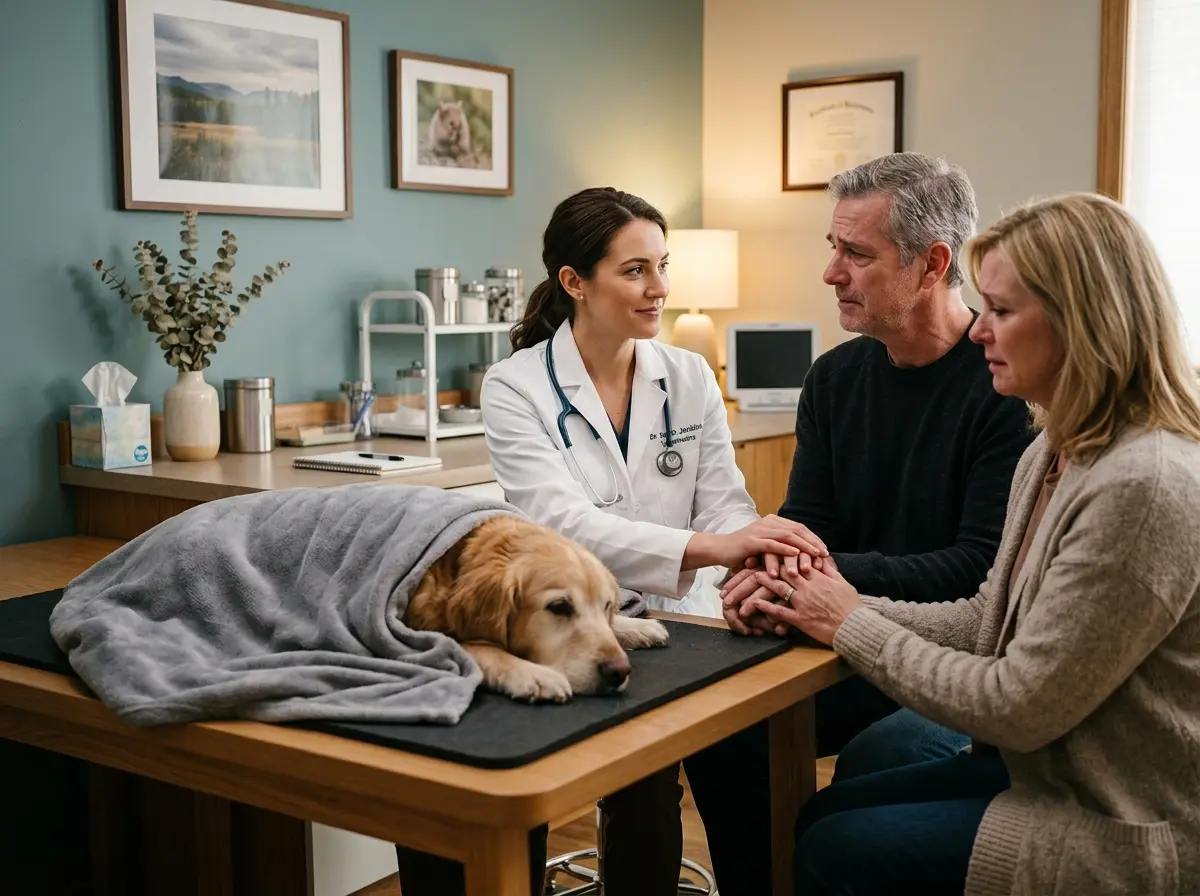
When the Hardest Conversations Become Your Practice's Greatest Strength
Let's be honest: nobody went to veterinary school dreaming about the day they'd need to master the art of delivering devastating news to a sobbing pet owner at 7:45 PM on a Friday. And yet, here we are. End-of-life communication is arguably the most emotionally demanding aspect of running a veterinary practice — and, paradoxically, it's one of the most powerful opportunities you have to demonstrate genuine care and build lasting client loyalty.
Pet owners remember everything about how their vet handled their most painful moments. They remember the tone of voice, whether someone followed up afterward, and whether the practice felt like a compassionate partner or just a transaction. Research from the American Veterinary Medical Association consistently shows that client retention and referrals are heavily influenced by how practices handle end-of-life situations — not just the clinical outcome, but the human experience surrounding it.
So if your current approach to euthanasia consultations, terminal diagnoses, and bereavement follow-up is somewhere between "we figure it out in the moment" and "we mean to do better," this guide is your starting point.
Delivering Difficult News with Clarity, Compassion, and Confidence
Setting the Stage Before the Conversation Happens
Great end-of-life communication doesn't begin when the words leave your mouth — it begins the moment a client walks through your door suspecting something is wrong. How your front desk staff greets a visibly anxious pet owner, how quickly the client is seen, whether there's a private consultation room available — all of these environmental cues signal to your client whether your practice is prepared to handle serious moments with seriousness.
Train your team to recognize the signs of a distressed client and respond accordingly. Offer water. Speak quietly. Don't make a worried pet owner stand at a busy reception desk while you process their paperwork. These small, operationally simple adjustments cost almost nothing and communicate volumes.
If the appointment has been scheduled specifically to discuss a terminal diagnosis or end-of-life options, consider sending a brief, warm message beforehand acknowledging that the conversation may be difficult and that your team is there to support them. This isn't dramatic — it's considerate, and it gives the client a moment to emotionally prepare.
Structuring the Conversation Itself
When it comes to delivering a terminal diagnosis or discussing euthanasia, structure matters. The SPIKES protocol — originally developed for human oncology but widely adapted in veterinary medicine — offers a practical framework: Setting, Perception, Invitation, Knowledge, Emotions, and Summary. The core idea is simple: before you deliver news, understand what the client already knows and what they're emotionally ready to hear.
Avoid burying the diagnosis under a mountain of medical jargon. Be clear, be direct, and then pause. Give clients the space to process. Many veterinary professionals instinctively fill silence with more information, but silence is often exactly what's needed. After the emotional weight of the news lands, then you can walk through options, timelines, and next steps.
Always, always invite questions — not just once, but repeatedly throughout the conversation. And make it easy for clients to ask "dumb questions." Remind them that there are no dumb questions when it comes to their pet's comfort and dignity.
Discussing Quality of Life and Euthanasia Options Honestly
One of the most common mistakes veterinary practices make is being too cautious about initiating euthanasia conversations out of fear of seeming presumptuous or callous. In reality, most pet owners are deeply relieved when their vet brings it up proactively and frames it as an act of love rather than giving up.
Use quality-of-life assessment tools — the Lap of Love scale and the HHHHHMM scale are both well-regarded — and walk clients through them collaboratively. This shifts the conversation from "should we euthanize?" to "let's figure out together what your pet needs." It empowers pet owners to participate meaningfully in the decision, which reduces guilt and improves their long-term emotional processing of the loss.
Streamlining the Administrative Side So Your Team Can Focus on People
Why Operational Efficiency Is a Compassion Strategy
Here's something your staff won't always say out loud: when the phones are ringing off the hook during an emotionally intense appointment, when the front desk is juggling walk-ins and callbacks while a grieving family is in Room 3, compassionate care suffers — not because your team doesn't care, but because they're stretched impossibly thin.
This is where smart tools make a real difference. Stella, the AI robot receptionist, can handle incoming phone calls 24/7, greet clients at your kiosk, answer questions about services and scheduling, and manage routine intake — freeing your human staff to focus their full attention on clients who need them most. During high-stress appointments, the last thing your veterinarian or technician should be mentally tracking is whether the front desk has enough coverage. Stella's built-in CRM also allows your team to log client notes, tag accounts for follow-up, and keep track of where each family is in their end-of-life journey — so nothing falls through the cracks during your busiest days.
Building a Meaningful Bereavement Follow-Up Program
The Follow-Up That Actually Gets Remembered
Studies suggest that up to 70% of pet owners who lose an animal will consider switching veterinary practices if they don't feel adequately supported after the loss. That's a staggering number — and a staggering opportunity. A thoughtful bereavement follow-up program doesn't require a large budget or a dedicated grief counselor on staff. It requires consistency, sincerity, and a system.
At minimum, your practice should send a handwritten sympathy card within 48–72 hours of a pet's passing. Yes, handwritten. In an era of automated everything, the physical act of a staff member writing a personal note is noticed and deeply appreciated. Reference the pet by name. If you can recall a specific detail — "we always loved how Mango would try to steal treats off the counter" — include it. These small personal touches transform a routine condolence into a genuine moment of connection.
A follow-up phone call at the one-week mark is equally powerful. Keep it brief and low-pressure. The goal is not to schedule an appointment for a new pet — it's simply to check in. Many practices skip this step because it feels uncomfortable, but the discomfort is almost entirely one-sided. Clients are overwhelmingly grateful for the call.
Creating Longer-Term Touchpoints Without Being Tone-Deaf
Beyond the immediate post-loss period, consider how your practice maintains a relationship with bereaved clients over time. A few approaches that work particularly well:
- Remembrance anniversaries: A simple card or message on the one-year anniversary of a pet's passing shows that your practice remembers — and it frequently prompts clients to return when they're ready for a new pet.
- Resource sharing: Compile a short list of pet loss support resources — hotlines, online communities, local support groups — and make it available as a handout or email attachment. This costs nothing and positions your practice as a genuine resource.
- Memorial acknowledgment: Some practices offer a small memorial — a paw print, a seed packet, a donation to an animal charity in the pet's name. Even a modest gesture communicates that the relationship mattered beyond the invoice.
Training Your Team to Handle Post-Loss Client Interactions
Nothing derails a bereavement follow-up faster than a staff member who doesn't know the context of a call. If a recently bereaved client calls to ask about their final invoice and the person who answers has no idea their pet just passed, the resulting awkwardness can undo weeks of goodwill.
Establish clear internal protocols: when a pet passes, flag the account immediately. Brief your entire client-facing team. Make sure whoever answers the phone — human or AI — has access to relevant context notes. This is a systems problem with a systems solution, and it's entirely solvable with the right processes and tools in place.
Quick Reminder About Stella
Stella is an AI robot employee and phone receptionist that works in-store as a friendly kiosk and answers calls around the clock for just $99/month — no upfront hardware costs, no sick days, no turnover. For veterinary practices navigating emotionally demanding days, having a reliable front-line presence handling routine inquiries means your human team gets to do what they do best: care for people and their animals.
Building a Practice That Clients Trust Through Their Hardest Days
Compassionate end-of-life communication isn't a soft skill — it's a core business competency that directly affects your retention, your reputation, and your reviews. The practices that get this right don't just retain grieving clients; they earn fierce, lifelong loyalty and a steady stream of referrals from people who say, "I can't imagine taking my pet anywhere else."
Here's where to start this week:
- Audit your current process. Walk through your end-of-life workflow from the client's perspective. Where are the gaps? Where does the human touch disappear?
- Implement a bereavement card system. Assign ownership, stock the cards, and make it a non-negotiable practice standard — not a "when we remember to" gesture.
- Schedule one team training session specifically on end-of-life communication using the SPIKES framework or a comparable model.
- Review your follow-up touchpoints. Do you have a one-week call? An anniversary acknowledgment? If not, build them into your CRM or practice management system now.
- Reduce administrative burden on your staff so they have the bandwidth to be present for the moments that matter most.
Your clients are trusting you with something irreplaceable. The practices that honor that trust — with thoughtful systems, genuine compassion, and consistent follow-through — are the ones that thrive for decades. The rest are just hoping for the best. You're better than that.