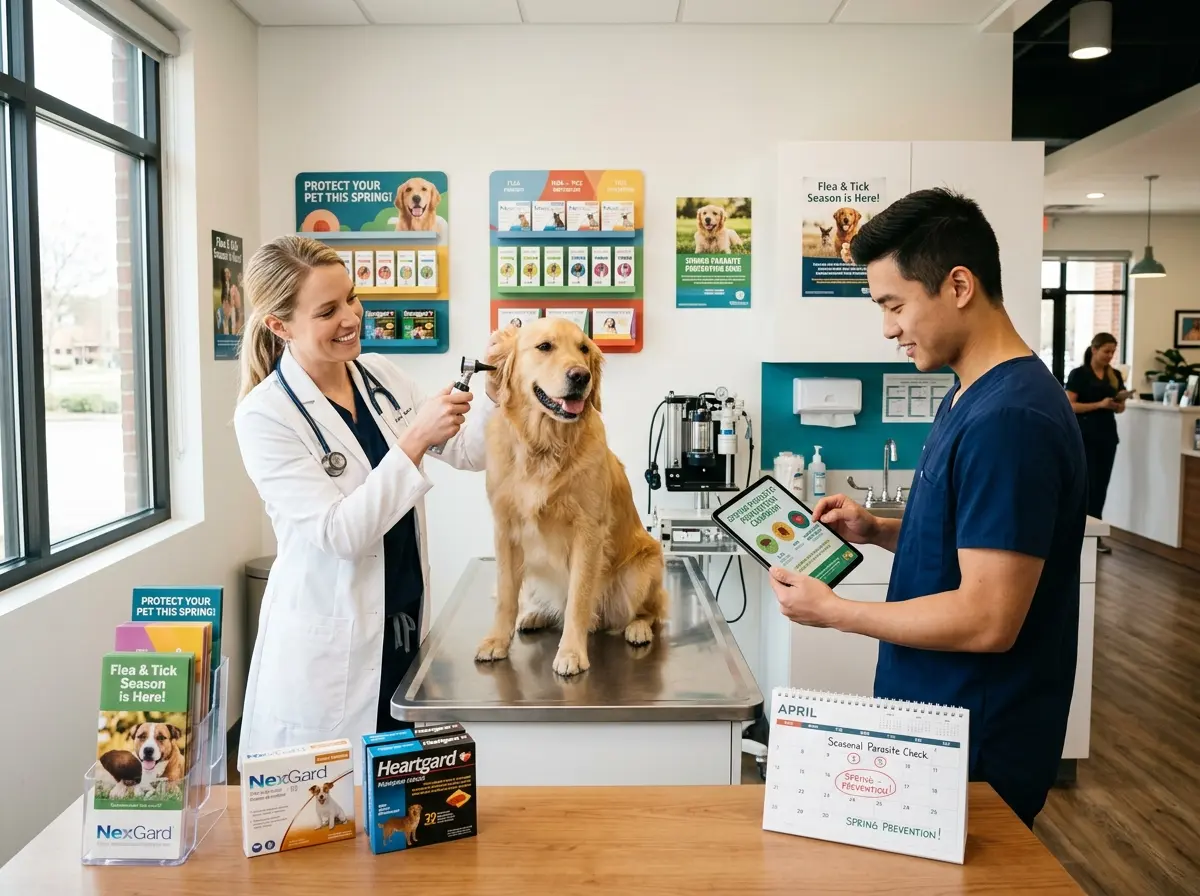
Introduction: Fleas, Ticks, and the Revenue You're Leaving on the Table
Spring arrives, the flowers bloom, the birds sing, and somewhere out there a very unhappy golden retriever is about to become a tick's new vacation home. For veterinary clinic owners, the changing seasons aren't just a meteorological event — they're a business opportunity. And yet, year after year, countless clinics let flea and tick season roll by without a coordinated campaign, relying instead on reactive appointments and a dusty display of preventatives near the front desk that nobody seems to notice.
Here's the reality: flea and tick prevention is a $1.6 billion industry in the United States alone, and pet owners are actively looking for guidance from professionals they trust. That professional is you. The question isn't whether your clients want to protect their pets — they absolutely do — it's whether your clinic is making it easy, visible, and compelling enough for them to act on that desire before the infestation begins rather than after.
This guide is your practical playbook for launching a seasonal flea and tick prevention campaign that educates your clients, strengthens your relationships with them, and yes, meaningfully drives revenue. No fluff, no vague advice about "posting on social media more." Just actionable strategy built for the realities of running a veterinary practice.
Building the Foundation of Your Campaign
Know Your Season (and Get Ahead of It)
The biggest mistake veterinary clinics make with seasonal campaigns is starting them at the wrong time — specifically, when the season has already begun. By the time a client is picking ticks off their Labrador at 9 PM on a Saturday, they're not thinking about your clinic's thoughtful email newsletter. They're thinking about tweezers.
Your campaign should launch four to six weeks before flea and tick season peaks in your geographic region. In warmer climates, that might mean late winter. In northern states, early spring. Check regional veterinary associations and parasitology data to pin down your local window. Then work backward from that date to schedule your marketing touchpoints, staff training, and product inventory so that everything is ready before the first warm weekend brings pets — and pests — out in full force.
Define Your Campaign Goals Like a Business Owner, Not Just a Vet
You went to school to care for animals, not to run a marketing department. Fair enough. But setting clear, measurable goals for your campaign will make the difference between a vague effort and a real revenue driver. Consider setting targets around the number of prevention product units sold, the percentage of your active patient base that receives prevention counseling during visits, the number of new wellness plan enrollments tied to parasite prevention, and the total campaign revenue compared to the same period last year.
When you have numbers to aim for, it becomes much easier to allocate time, budget, and staff energy appropriately — and to celebrate (or honestly assess) what worked when the season wraps up.
Choose the Right Products and Partnerships
Your campaign is only as strong as the products behind it. If you're recommending something half-heartedly because it happened to arrive in a sales rep's bag last November, clients will sense that energy. Choose your featured preventatives deliberately — consider efficacy, ease of use for pet owners, your own clinical experience, and yes, your margins. Many pharmaceutical companies offer co-op marketing funds, seasonal promotional materials, and staff training resources that can significantly reduce your campaign costs. Don't leave that support on the table. A quick conversation with your pharmaceutical rep before the season starts could result in branded client handouts, digital assets, and even clinic-specific rebate programs that make your campaign look polished without breaking your budget.
Using Technology to Engage Clients and Streamline Outreach
Let Automation Do the Heavy Lifting — With a Little Help From Stella
Running a flea and tick campaign shouldn't mean your front desk team is glued to the phone reminding every pet owner that spring is coming. That's where smart technology earns its keep. Stella, the AI robot employee and phone receptionist, is built for exactly this kind of ongoing client engagement. In clinics with a physical location, Stella greets every client who walks through the door and proactively promotes current specials — meaning your flea and tick campaign gets a verbal introduction before a client even reaches the front desk. She doesn't forget, she doesn't get distracted, and she doesn't go on lunch break.
On the phone side, Stella answers calls 24/7 and can inform callers about your current seasonal promotions, answer questions about available preventative products, and collect client information through conversational intake forms — all without pulling your staff away from the exam room. Her built-in CRM allows you to tag clients based on their pets' prevention status, set notes for follow-up, and track which promotions are actually generating interest. That's real data you can use to refine your campaign mid-season rather than guessing in the dark. At $99/month, she's also considerably cheaper than the cost of a missed call during your busiest season.
Executing Your Campaign Across Every Client Touchpoint
In-Clinic Experience: Make Prevention Impossible to Ignore
Your clinic is your most valuable marketing channel, and it's one that most practices underutilize. During flea and tick season, every square foot of your waiting room is an opportunity. Update your product displays with clear signage that speaks to pet owner emotions, not just product specs. "Stop the itch before it starts" will outperform "Broad-spectrum ectoparasite control" every single time. Train your team — from receptionists to technicians to veterinarians — to mention prevention at every appropriate appointment, framing it as a recommendation rather than an upsell. Clients trust your clinical judgment. Use it.
Consider creating a simple prevention checklist that goes home with every patient, covering fleas, ticks, and heartworm together. It positions your clinic as a comprehensive resource, and it gives clients a tangible reminder to act. A small bowl of branded tick prevention reminder cards at the checkout counter costs almost nothing and keeps the conversation going after the appointment ends.
Digital Outreach: Email, Social, and Targeted Reminders
A well-timed email campaign to your existing client base is one of the most cost-effective moves you can make. Segment your list thoughtfully — clients whose pets are already on a prevention protocol get a different message than those with no prevention history on file. The first group gets a renewal reminder and loyalty incentive. The second group gets an educational message about the risks of going unprotected, paired with an easy call to action to schedule an appointment or purchase directly.
On social media, resist the urge to post generic content. Instead, lean into local relevance. Share tick activity reports for your specific region, post photos of your team and your clinic's featured products, and run a short video series where a veterinarian answers common flea and tick questions. Video content consistently outperforms static posts in reach and engagement, and it positions your clinic's doctors as approachable experts rather than faceless providers. A short, authentic clip filmed on a decent smartphone will do far more for your brand than an expensive stock-photo graphic.
Incentives That Convert Without Undercutting Your Value
Discounting is a tool, not a strategy. If your first instinct is to slash 20% off every preventative product and call it a campaign, you're training clients to wait for deals rather than building long-term prevention habits. Instead, think about value-added incentives. Offer a free tick check with any prevention product purchase. Bundle three months of preventative at a slight savings with a complimentary wellness follow-up. Create a "Prevention Club" — a simple loyalty program where clients who maintain consistent year-round prevention earn a modest reward at renewal time. These approaches reward commitment, increase long-term retention, and protect your margins while still giving clients a reason to act now rather than later.
Quick Reminder About Stella
Stella is an AI robot employee and phone receptionist that greets clients in your clinic, answers calls around the clock, promotes your current campaigns, and manages client information through a built-in CRM — all for $99/month with no upfront hardware costs. She's the team member who never calls in sick during your busiest season and never forgets to mention the flea and tick special to a single client who walks through the door.
Conclusion: Start Now, Not When You Hear the First Scratch
A successful flea and tick prevention campaign doesn't happen by accident, and it doesn't happen at the last minute. It happens because a practice owner made a deliberate decision to treat seasonal prevention as a serious business initiative — one worthy of planning, investment, and consistent execution across every client touchpoint.
Here's your action plan to get started:
- Identify your local flea and tick season window and set your campaign launch date four to six weeks before peak activity.
- Set measurable goals for units sold, client reach, and revenue so you have something concrete to work toward and evaluate.
- Audit your product offerings and connect with your pharmaceutical reps about co-op marketing support before the season begins.
- Update your in-clinic environment with compelling signage, team training, and a simple client prevention checklist.
- Launch a segmented email campaign to your client base and commit to a brief social media content series built around local relevance and expert education.
- Design incentive structures that reward consistent prevention rather than simply discounting product.
- Leverage technology to handle client outreach, answer questions, and promote your campaign even when your staff is busy doing what they do best — caring for animals.
Your clients trust you with their pets' health. A well-executed flea and tick campaign isn't just a revenue opportunity — it's a chance to deepen that trust by showing up proactively with expert guidance before the problem starts. That's good medicine and good business, which, as it turns out, are not mutually exclusive.