Introduction: The Fine Line Between Helpful and Pushy
Let's be honest — every auto service advisor has felt the tension. A customer comes in for a simple oil change, and you can see the cabin air filter that looks like it moonlights as a small animal habitat. Do you mention it? Of course you should. But the moment you bring up three other things that also need attention, you risk looking like the stereotypical "upsell machine" that customers have been warned about since the dawn of Yelp reviews.
Here's the good news: there's a right way to do this — and it has nothing to do with pressure tactics or hiding behind industry jargon. Ethically increasing your average repair order isn't about squeezing customers. It's about genuinely serving them better, communicating more clearly, and building the kind of trust that turns a one-time oil change customer into a loyal client for the next 200,000 miles. When done correctly, customers thank you for the recommendations. When done poorly, they leave a three-star review and never come back.
This post is for service advisors and shop owners who want to grow revenue the right way — through transparency, education, and a few smart systems that make the whole process smoother for everyone involved.
Building Trust Before You Build the Ticket
The First Impression Is Doing More Work Than You Think
Customers form their opinion of your shop within the first few minutes of arrival — sometimes before they even speak to a human. The waiting area, the signage, the way the phone is answered, and the warmth of the initial greeting all contribute to whether a customer feels safe or suspicious. A customer who trusts you is dramatically more likely to approve additional services. According to a Cox Automotive study, 75% of customers say they need to trust a service center before agreeing to recommended repairs. That trust has to be built before you ever mention the brake pads.
Start by being genuinely welcoming. Use the customer's name. Reference their vehicle history. Let them know you remember them — or at least that your system does. Small gestures like these communicate professionalism and care, which sets the tone for every recommendation that follows.
Show, Don't Just Tell
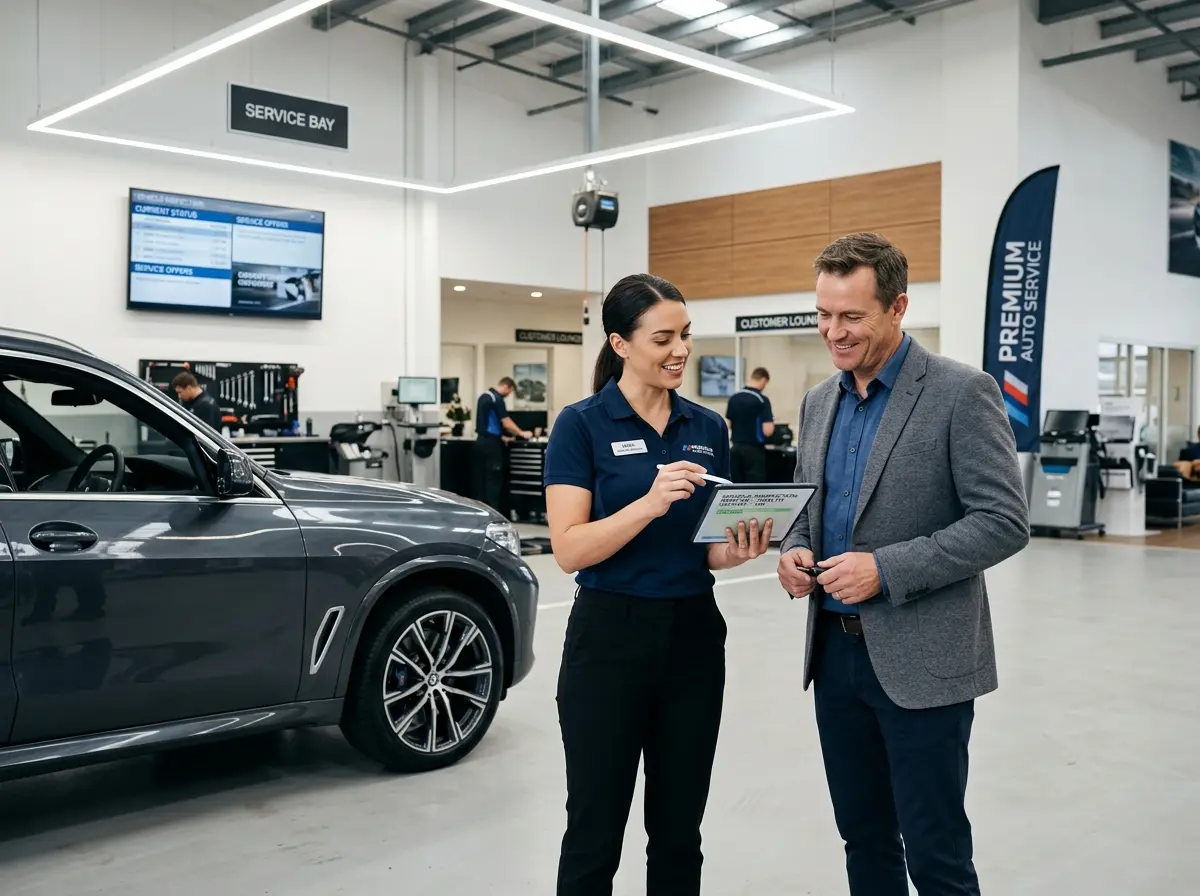
One of the most powerful trust-building tools available to auto shops is the vehicle walk-around or the digital inspection report. When you show a customer a photo of their worn serpentine belt rather than just telling them it looks rough, the approval rate climbs significantly. Shops using digital vehicle inspection (DVI) tools report average repair order increases of 20–40% — not because they're pushing harder, but because they're communicating better.
Transparency is the secret ingredient. When customers can see the problem with their own eyes, the decision becomes theirs — and that's exactly how it should be. You're not convincing anyone of anything. You're simply informing them and letting them make an educated choice. That's not upselling; that's good service.
Prioritize and Package Recommendations Intelligently
Not every recommendation needs to happen today. One of the fastest ways to overwhelm and lose a customer is to hand them a list of twelve items without any context. Instead, categorize your findings clearly: what's urgent and safety-related, what should be addressed in the next 30–60 days, and what can wait until next visit. This approach respects the customer's budget and their intelligence. They're far more likely to approve the urgent items — and return for the deferred ones — when you're not creating a sense of manufactured panic around everything at once.
How Smart Technology Can Streamline the Upsell Process
Letting Technology Handle the Groundwork
Service advisors are busy. Between checking in vehicles, coordinating with technicians, updating customers, and processing payments, there's not always time for a thorough, thoughtful conversation about every service opportunity. That's where smart front-end technology can make a real difference — handling routine customer engagement so your team can focus on the conversations that actually require a human touch.
Stella, the AI robot employee and phone receptionist, is worth a mention here. For auto shops with a physical location, Stella stands in the waiting area and proactively engages customers — answering questions about services, explaining current promotions, and even highlighting offerings they might not have considered. While your advisors are busy at the service desk, Stella is already having a warm, informative conversation with the customer in the lobby. On the phone side, she answers calls 24/7, collects customer information through conversational intake forms, and ensures that no inquiry goes unanswered — all while maintaining the professional tone your shop deserves. It's not a replacement for a great service advisor; it's the support system that lets your advisor shine.
Proven Techniques That Increase Ticket Size Without the Ick Factor
Leverage Vehicle History to Make Timely Recommendations
The most natural and non-pushy upsell is one that's rooted in data. When a customer comes in for their third oil change and their vehicle is approaching 30,000 miles, recommending a transmission service isn't a stretch — it's preventive care. Maintaining detailed vehicle service histories and using them actively during every visit allows your advisors to make recommendations that feel personalized and timely rather than generic and opportunistic.
Many shop management systems allow you to set mileage and time-based service reminders. Use them. Review the vehicle history before the customer arrives. Walk into that conversation prepared, and your recommendation will land completely differently than if you're reading off a laminated menu of services on the wall.
Train Advisors on Language That Informs Rather Than Pressures
The words you use matter enormously. Phrases like "you need this" can trigger defensiveness, while phrases like "based on your mileage, most manufacturers recommend this around now — want me to show you why?" invite a conversation. Train your team to present options, not ultimatums. Here are a few practical language shifts that make a measurable difference:
- Instead of "Your brakes are low, you need to replace them," try "Your front brake pads are at about 2mm — factory spec calls for replacement at that point. Want to see what the technician found?"
- Instead of "You should really do the fuel system cleaning," try "We noticed some buildup that could affect fuel efficiency over time. It's not urgent, but a lot of our customers do this around your mileage. Happy to get you a quote if you're curious."
- Replace "I'd recommend..." with "Your vehicle's manufacturer recommends..." — the authority shifts from you to the engineering team that built the car, which is both more accurate and far less salesy.
Create a Follow-Up System That Keeps Deferred Services from Disappearing
One of the biggest missed revenue opportunities in any auto shop is the deferred service that never gets revisited. A customer declines the coolant flush today, you make a note, and then... nothing. Three visits later, nobody mentions it again. Build a follow-up process — whether through your shop management system, a CRM, or even a well-organized spreadsheet — that flags deferred items at every subsequent visit. Better yet, send a follow-up message a few weeks after their visit reminding them what's coming due.
Customers appreciate the reminder. They don't experience it as pressure; they experience it as attentiveness. And when they're ready to approve that service, they're going to call the shop that remembered — not the one that forgot them the moment they drove off the lot.
Quick Reminder About Stella
Stella is an AI robot employee and phone receptionist designed to help businesses like auto shops greet customers, promote services, answer questions, and handle calls around the clock — all for $99/month with no upfront hardware costs. Whether she's engaging walk-in customers in your waiting room or answering after-hours phone calls with the same knowledge your best advisor has, she makes sure your shop always puts its best foot forward. For auto shops looking to improve both customer experience and revenue, she's a genuinely useful addition to the team.
Conclusion: Grow Revenue by Being the Advisor Customers Actually Trust
Increasing your average repair order doesn't require manipulation, pressure, or a revolving door of discount gimmicks. It requires trust, transparency, and a consistent process that ensures every customer gets the full picture — every single visit. When customers feel informed rather than sold to, approval rates go up, reviews get better, and retention improves. That's a win across every metric that matters.
Here's where to start:
- Implement or optimize digital vehicle inspections so every recommendation comes with visual evidence.
- Train your advisors on consultative language that informs rather than pressures.
- Build a deferred service follow-up system so no approved recommendation ever falls through the cracks.
- Leverage your front-end technology — including tools like an AI receptionist — to engage customers before the advisor conversation even begins.
- Review vehicle history before every appointment and come prepared with timely, data-driven recommendations.
The shops that win long-term aren't the ones with the slickest sales tactics. They're the ones customers genuinely trust — the ones who feel less like a transaction and more like a mechanic a customer brags about to their friends. Be that shop. Your ticket sizes — and your Google reviews — will thank you.