Because Your Customers Deserve More Than a "We'll Be Right With You"
Let's be honest — running a pet store is basically a full-time exercise in chaos management. You've got a parrot screeching in aisle three, a golden retriever who just knocked over your entire display of premium kibble, and three customers waiting at the register while your one available staff member explains the difference between grain-free and limited-ingredient diets for the fourth time today. It's charming. It's also exhausting.
Here's the uncomfortable truth: 68% of customers say they've switched to a competitor because of poor customer service — and in the pet industry, where loyalty runs deep (almost as deep as your customers' love for their animals), losing a client to the big-box store down the street because nobody answered the phone is a particularly painful blow.
The good news? Creating an unforgettable customer experience in your pet store doesn't require hiring a full staff of customer service superstars or spending a fortune on fancy technology. It requires intention, consistency, and a few smart strategies that we're going to walk through right now. Grab your coffee (or your emotional support animal) — let's get into it.
The Art of the First Impression (Yes, It Really Matters That Much)
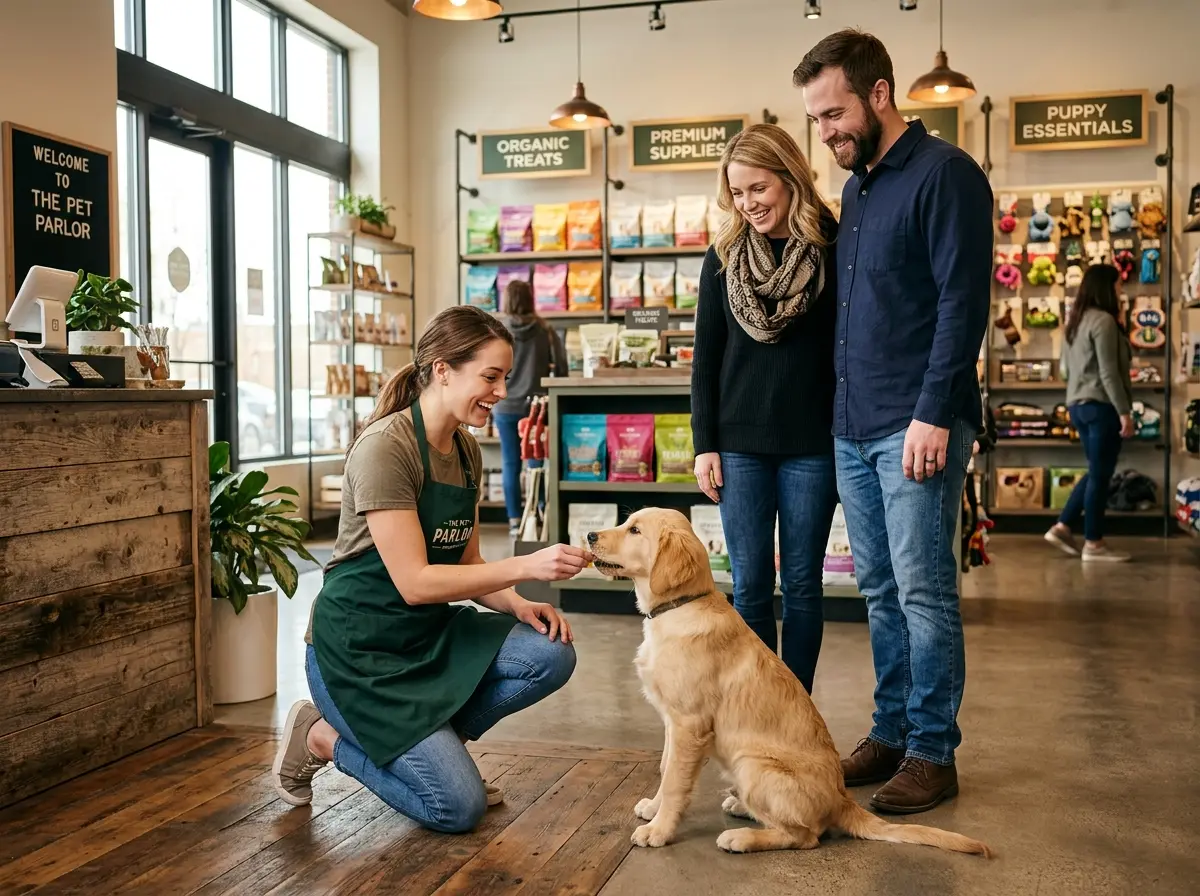
You've heard it a thousand times, but here's the thing: first impressions in a pet store aren't just about the customer — they're about the customer and whatever four-legged, feathered, or finned companion they've brought along. Nail the welcome, and you've already won half the battle.
Make Your Store a Sensory Experience Worth Remembering
Walk into your store right now as if you've never been there before. What do you smell? What do you hear? What's the first thing your eyes land on? Pet stores have a unique advantage over most retail environments — they're inherently exciting, especially to animal lovers. Lean into that. A well-organized store with clearly labeled sections, engaging signage, and maybe a fish tank or small animal habitat near the entrance creates an immediate emotional pull that says, "You're going to love it here."
Consider rotating your displays seasonally to keep things fresh for your regulars. Customers who pop in every two weeks to grab food should feel like there's always something new to discover. Feature a "Product of the Month" near the entrance, cross-merchandise related items (leash next to collar display, shampoo next to the grooming section), and use clear, friendly signage that actually helps people find what they need without hunting down a staff member.
Train Your Team to Greet with Purpose — Not Just Habit
There's a significant difference between a distracted "Hi, let me know if you need anything" and a genuine, engaged greeting that makes a customer feel seen. Train your staff to make eye contact, acknowledge the pet if one is present, and ask a specific question — "What brings you in today?" or "Is that a new puppy I see?" goes a long way toward building rapport. According to a study by PwC, 73% of consumers say that a friendly, helpful experience is the key driver of brand loyalty. Your team is your most powerful differentiator.
Role-play common scenarios during team meetings. Cover situations like handling an overwhelmed first-time pet owner, managing a complaint about a product, or recommending an upgrade to a longtime customer. The more practiced your team feels, the more natural those interactions become.
Smarter Tools for a Smoother Store Experience
Let Technology Handle the Repetitive Stuff So Your Team Can Handle the Important Stuff
Your staff's time is genuinely precious. Every minute they spend answering a phone call about your store hours is a minute they're not spending helping the nervous new cat owner figure out which litter box setup is right for a senior cat. This is where smart technology stops being a luxury and starts being a necessity.
Stella is an AI robot employee and phone receptionist built exactly for situations like this. Inside your store, she operates as a friendly, human-sized kiosk that proactively greets customers, answers product questions, promotes your current specials, and even upsells related items — all without pulling your team away from what they're doing. She's also your phone receptionist, answering calls 24/7 with the same knowledge she uses on the floor. That means the customer who calls at 8 PM to ask whether you carry a specific brand of raw food gets a real, helpful answer — not voicemail. Stella can forward calls to human staff when needed, take AI-summarized voicemails, and collect customer information through conversational intake forms, all while building out customer profiles in her built-in CRM. For a pet store doing volume business, that's not a small thing.
Building Loyalty That Goes Beyond the Punch Card
Every pet store in America has a loyalty program. Most of them are unremarkable. If yours consists entirely of "buy ten bags of food, get one free," you're leaving a significant amount of emotional real estate on the table. Pet owners are passionate people — they will go out of their way for a business that truly gets them and their animals.
Personalization Is the New Loyalty Currency
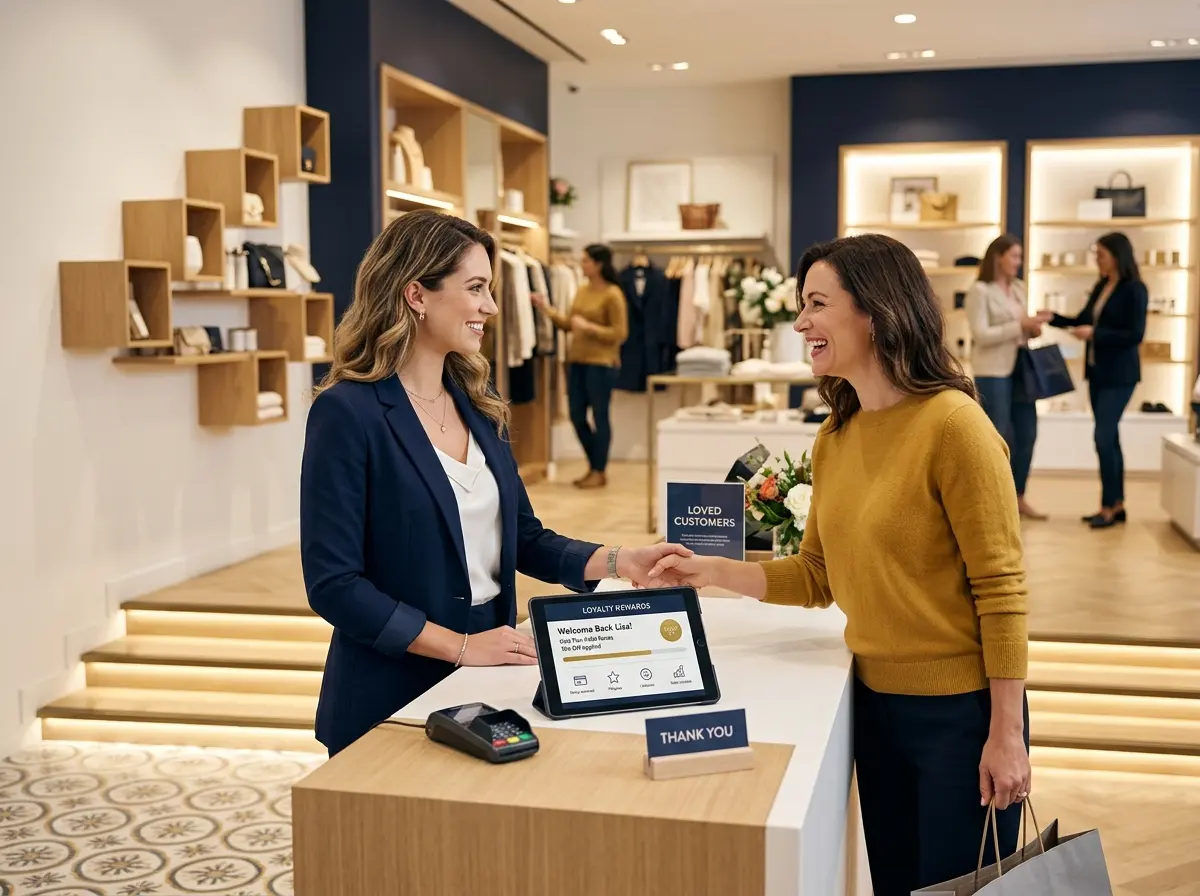
Customers remember when you remember them. If a staff member recalls that a customer's senior beagle is on a joint supplement, or that a cat owner switched to a prescription diet last spring, that moment of recognition builds trust that no discount can manufacture. Keep notes — whether in a CRM, a notebook at the counter, or a digital system — and actually use them. When someone comes back in, a quick glance at their history before you engage can turn a transaction into a relationship.
Consider collecting basic information from your regulars: pet names, species, breed, age, dietary needs, and any health considerations. This data lets you send genuinely useful communications — like a heads-up when a product they regularly buy goes on sale, or a reminder that flea and tick season is approaching. That's not spam; that's service.
Create Community, Not Just Customers
Pet owners are a community by nature. They talk to each other at dog parks, in vet waiting rooms, and constantly online. Position your store as the hub of that community. Host adoption events with local rescues. Organize a "Yappy Hour" in your parking lot on a Saturday afternoon. Partner with local veterinarians, dog trainers, or groomers to offer bundled referrals and cross-promotions.
When your store becomes a gathering place — not just a shopping destination — customers stop thinking of you as a vendor and start thinking of you as part of their pet's life. That's an extraordinarily hard position for a competitor to displace, and it costs far less than most traditional marketing efforts. Word-of-mouth referrals from a passionate pet community are worth more than almost any paid advertising you could run.
Handle Complaints Like a Pro (Because Every Store Gets Them)
A customer who has a complaint handled exceptionally well is statistically more loyal than a customer who never had a problem at all. Empower your staff to resolve minor issues on the spot without needing manager approval for every situation. If a bag of food was defective, replace it, apologize genuinely, and maybe throw in a small treat sample. The cost is minimal; the goodwill is enormous. Always follow up when possible — a quick call or message a few days later asking whether everything worked out well is the kind of detail that turns a formerly frustrated customer into an evangelist.
Quick Reminder About Stella
Stella is an AI robot employee and phone receptionist available for just $99/month with no upfront hardware costs — she's easy to set up and ready to work from day one. Whether she's greeting customers at your kiosk, promoting your latest promotion, or answering after-hours phone calls with the full knowledge of your store, she provides the kind of consistent, professional presence that doesn't take sick days or forget talking points. For pet store owners juggling a million priorities, that kind of reliable backup is worth its weight in premium kibble.
Your Next Steps Toward a Paws-itively Unforgettable Store
Transforming your customer experience doesn't happen overnight, and it doesn't require a complete overhaul of everything you're already doing. Start with one area: audit your greeting process this week and see what small adjustments your team can make. Then look at your loyalty program and ask whether it's actually building relationships or just tracking transactions. From there, explore how technology can take the repetitive burden off your staff so they can focus on what truly matters — the humans and animals who walk through your door.
The pet industry is growing steadily, with U.S. pet industry spending surpassing $147 billion in recent years and no signs of slowing down. The customers are there. The question is whether they're leaving your store thinking, "I'll be back," or pulling up a competitor's app on the way to their car.
Make the experience remarkable. Make it personal. Make it consistent. And maybe — just maybe — let a friendly AI robot handle the phones so your team can focus on the things that can't be automated: genuine human (and animal) connection.