The Breakup Nobody Talks About in Physical Therapy
You've done everything right. You evaluated thoroughly, built a solid plan of care, guided your patient through weeks of hard work, and watched them walk out the door stronger than they came in. Success, right? Well — until three months later when they're back with the same issue, or worse, when they've simply stopped doing their home exercise program entirely and quietly regressed back to square one.
Patient discharge is one of the most underappreciated moments in physical therapy. Clinicians pour enormous energy into the treatment phase, and then the relationship essentially ends with a handshake and a printed HEP sheet that, statistically speaking, has about a 50% chance of collecting dust on the kitchen counter. Research consistently shows that patient adherence to home exercise programs drops significantly after discharge, with some studies suggesting fewer than 35% of patients maintain their programs long-term. That's a lot of hard work evaporating.
The good news? Keeping patients engaged after discharge isn't some impossible feat of patient psychology. It just requires intention, systems, and a few strategies that your practice probably isn't using yet — but absolutely should be.
Building Engagement Before the Discharge Day Arrives
One of the biggest mistakes PT clinics make is treating discharge as a moment rather than a process. By the time a patient is ready to graduate, the groundwork for post-discharge engagement should already be laid. Think of it less like a goodbye and more like a handoff — and handoffs require preparation.
Set Expectations From Day One
The first session is the perfect time to frame the entire arc of care, including what comes after. When patients understand upfront that discharge isn't the finish line but rather a transition point, they're mentally prepared to stay engaged. Talk openly about the maintenance phase during early sessions. Explain that the goal isn't just to feel better in the clinic — it's to feel better for the next twenty years. Patients who understand the "why" behind long-term maintenance are far more likely to act on it.
Personalize the Home Exercise Program — Actually
Generic HEPs are the enemy of adherence. If a patient's discharge program looks like it was pulled from a textbook and could apply to any of your last forty patients, it probably won't be followed. Take the time to tailor exercises to what the patient actually enjoys, what fits their lifestyle, and what equipment they realistically have at home. A 68-year-old retired teacher with knee OA and a love of gardening needs a very different program than a 30-year-old warehouse worker with the same diagnosis. Specificity signals that you see them as an individual, and that emotional connection is a surprisingly powerful motivator.
Leverage Technology for HEP Delivery
Paper is not your friend here. PT-specific apps like HEP2go, Theraband Exercise Station, or MedBridge allow patients to access their exercises on their phones, complete with instructional videos and checkboxes to mark completion. Some platforms even send automated reminders. Patients who receive video-based HEPs demonstrate meaningfully better adherence than those receiving paper instructions alone. If your clinic isn't already using a digital delivery system, this is arguably the highest-ROI change you can make to your post-discharge strategy.
Staying Connected Without Becoming a Nuisance
There's a fine line between helpful follow-up and being the clinic that won't stop emailing. The key is to make post-discharge communication feel valuable rather than promotional — patients should look forward to hearing from you, not dread opening your messages.
Structured Check-In Touchpoints
A simple follow-up protocol can make a dramatic difference in long-term outcomes and patient retention. Consider a three-touch model: a brief check-in call or text at one week post-discharge, a more substantive outreach at one month, and an invitation to a complimentary re-assessment at three months. Each touchpoint serves a purpose — catching early regression, reinforcing the HEP, and opening the door to additional care if needed. Patients who feel followed up with report higher satisfaction and are significantly more likely to refer friends and family to your practice.
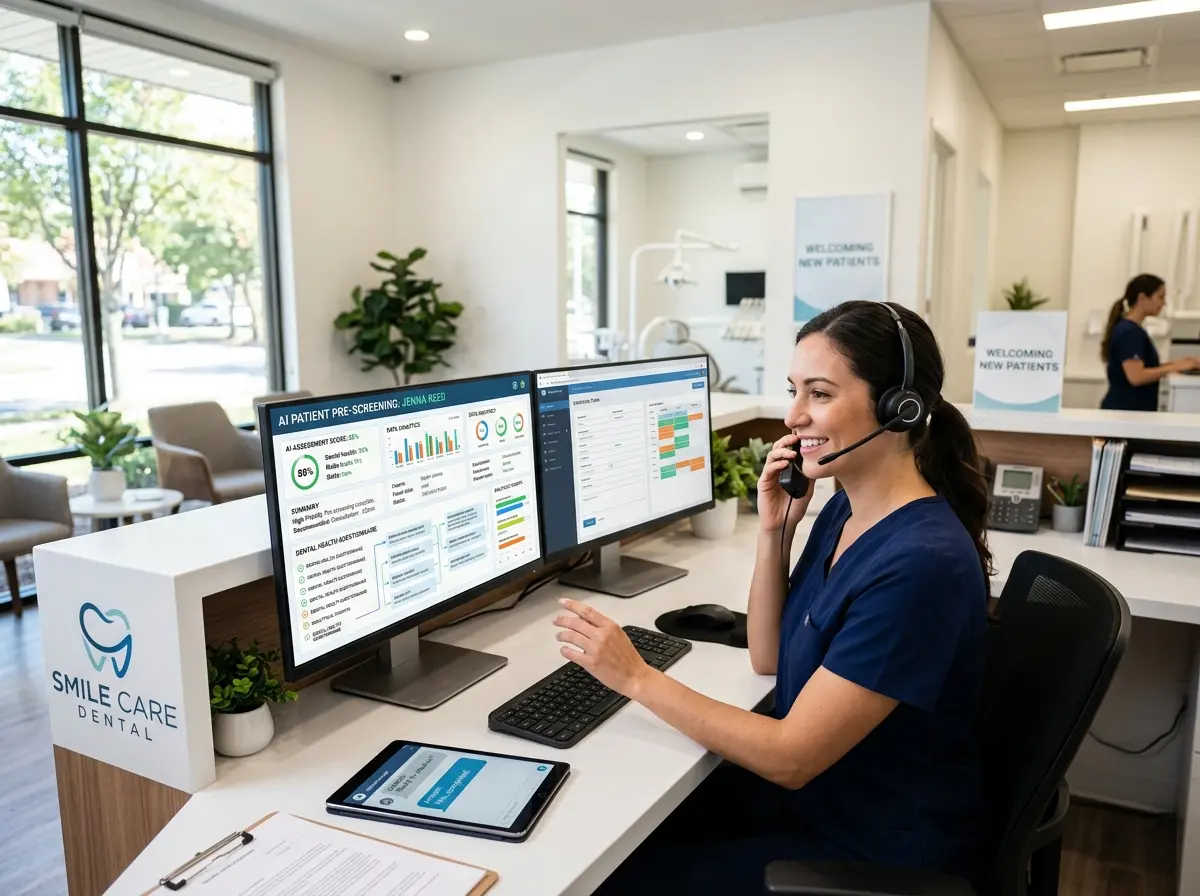
This is also where Stella, the AI robot employee and phone receptionist, can quietly take a lot of administrative weight off your staff. Stella handles incoming calls around the clock, meaning patients who have a question about their exercises at 8pm on a Thursday actually get a response rather than a voicemail they're not sure anyone will return. Her built-in CRM and intake forms also make it easy to log patient contact details, track follow-up schedules, and keep notes on where each discharged patient stands — all without your front desk team needing to manage a separate spreadsheet.
Creating Reasons to Come Back
Post-discharge engagement isn't just about preventing regression — it's also smart business. A discharged patient who feels connected to your clinic is an asset: they return for new issues, they refer neighbors, and they leave reviews. But none of that happens by accident. You have to create the conditions for ongoing loyalty.
Wellness Programs and Maintenance Visits
Consider developing a structured maintenance program that discharged patients can opt into — monthly or quarterly sessions focused on movement screening, exercise progression, and injury prevention. Frame it as a membership or wellness package rather than treatment, which removes the barrier of needing a physician referral and appeals to patients who are motivated to stay proactive. Many clinics offering this model report that wellness visits account for a meaningful portion of monthly revenue while also serving as early-detection opportunities for new conditions.
Educational Content That Keeps You Top of Mind
A monthly email newsletter doesn't have to be a chore to produce or to read. Short, practical content — five minutes of mobility work for desk workers, how to set up an ergonomic home office, what to do when that old knee starts acting up in cold weather — positions your clinic as a trusted resource rather than just a place people go when they're in pain. Patients who engage with your educational content are more likely to think of you first when a new problem arises, and more likely to recommend you to someone who mentions back pain at a dinner party.
Community and Group Programming
If your clinic has the space and bandwidth, group classes or workshops for discharged patients create community around your brand. A fall prevention workshop for older adults, a runner's injury prevention clinic, or a posture and mobility class for office workers can draw in both former patients and new prospects simultaneously. These events also give your therapists a chance to reconnect with past patients in a low-pressure setting, which tends to organically generate both re-activations and referrals.
Quick Reminder About Stella
Stella is an AI robot employee and phone receptionist built for businesses exactly like yours. She answers calls 24/7, greets patients at the front of your clinic, and handles routine inquiries so your staff can stay focused on patient care. At $99/month with no upfront hardware costs, she's the kind of front-desk upgrade that pays for itself quickly — especially when you're trying to stay consistently connected with a growing list of discharged patients.
Turning Discharge Into a Long-Term Relationship
Keeping patients engaged after discharge isn't about chasing people who've moved on — it's about building a practice that patients genuinely want to stay connected to. The clinics that do this well don't just have better outcomes; they have better businesses. They fill schedules through re-activations and referrals rather than constantly hunting for new patients. They build reputations that precede them.
Here's where to start:
- Audit your current discharge process. Is it a process, or is it a moment? If it's the latter, that's your first fix.
- Implement a digital HEP platform if you haven't already. The adherence data alone justifies the investment.
- Build a three-touch follow-up protocol and assign someone — or something — to execute it consistently.
- Develop at least one post-discharge offering, whether that's a maintenance program, a newsletter, or a quarterly workshop.
- Make sure your phones and front desk are covered. A patient who can't reach you at a critical moment is a patient who finds another clinic.
Your patients worked hard to get better. The least you can do is make it easy for them to stay that way — and easy for them to find their way back to you when they need it most. A little intentionality at discharge goes a very long way.