So, You're Thinking About Partnering with a Delivery App? Bless Your Heart.
Let's be honest. The moment you see that "Powered by Instacart" or "Delivered via DoorDash" sticker on a competitor's window, a tiny part of your soul shrivels. It's the modern-day equivalent of seeing your rival get a shiny new shopping cart fleet while yours still have that one squeaky wheel that sounds like a dying bird. You feel the pressure. The FOMO (Fear of Missing Orders) is real. Customers are glued to their phones, and the siren song of "convenience" is luring them away from your beautifully curated aisles and into the digital abyss.
Partnering with a third-party delivery app feels like a necessary evil, a deal with a devil who wears a branded polo shirt and promises a treasure trove of new customers. But what's the real price of that treasure? Is it your sanity? Your profit margins? Control over your own brand? Before you sign on the dotted line and welcome a parade of gig-economy shoppers into your store, let's have a frank chat. This is your guide to navigating the murky, commission-filled waters of delivery partnerships without completely losing your shirt.
The Good, The Bad, and The Commission Fees
Jumping into a partnership with a delivery app is a bit like adopting a very large, very hungry, and slightly unpredictable dog. It can bring you a lot of joy (in the form of sales), but it will also eat a significant portion of your food and occasionally track mud on your clean floors. Understanding the full picture is key.
The Alluring Siren Song of 'More Customers'
The primary sales pitch is seductive: access to a massive, built-in audience of shoppers who might not know your store exists. These apps have spent millions on marketing to convince consumers that leaving the house for groceries is an archaic practice, right up there with churning your own butter. And it's working. According to Statista, the online grocery market is projected to exceed $240 billion by 2026. By listing your store on an app, you instantly put your products in front of thousands of local, tap-happy customers. It's an undeniable opportunity to expand your reach, capture new market share, and increase your overall sales volume. For a local grocer, that's a powerful promise.
The Not-So-Hidden Costs: A Slice of Your Pie
Now for the reality check. That "massive audience" comes with a VIP-level price tag. Commission fees can range from a "that's not so bad" 10% to a "wait, are you serious?" 30% or more. And it's not just one fee. Oh no, that would be too simple. You're often looking at a cocktail of costs:
- Commission Fees: The percentage they take from every single order.
- Marketing Fees: Want to be featured at the top of the search results? That'll cost you extra.
- Payment Processing Fees: Because of course you have to pay for the transaction itself.
- Customer Service Fees: Some platforms charge for handling customer issues, even when the issue is their shopper grabbing salted butter instead of unsalted. Again.
Suddenly, that $50 order you were so excited about nets you... well, a lot less than $50. It's crucial to do the math and understand how these fees will impact your bottom line on every single item you sell.
Losing Control of the Customer Experience
This is the part that keeps the best store owners up at night. The person picking items off your shelves is not your employee. They haven't been trained on your store's commitment to quality. They don't know that Mrs. Gable prefers her bananas slightly green. Their only goal is to get in and get out as fast as possible. This can lead to a customer experience that, frankly, sucks. Melted ice cream, bruised avocados, bizarre substitutions—it all happens. And who gets the one-star review? You do. The delivery app becomes a faceless intermediary, while your store's reputation takes the hit. You're outsourcing your brand to a stranger in a hurry.
Don't Abandon Your In-Store Fortress
With all the focus on digital orders and delivery logistics, it's easy to forget where the real magic—and the real profit—happens. Your physical store is your kingdom, and you need to defend it.
Your Bread and Butter: The In-Store Shopper
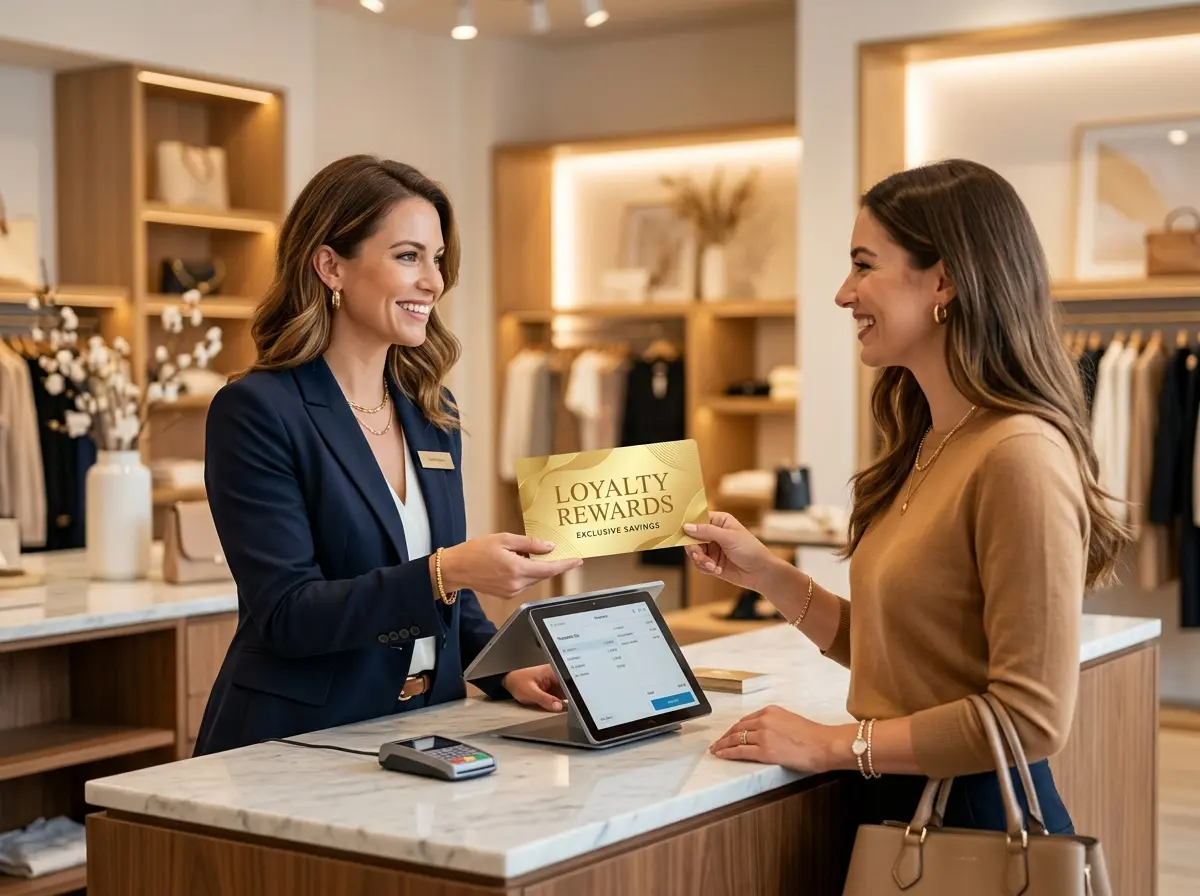
An in-store shopper is worth their weight in gold (or at least artisanal cheese). They are a captive audience. They can smell the fresh bread from the bakery, see that beautiful display of local strawberries, and be tempted by the BOGO deal on pasta sauce they didn't even know they needed. This is where you have 100% control over the experience and, more importantly, 100% of the profit margin. Neglecting this experience to chase low-margin delivery orders is a recipe for disaster. You need to double down on making your store an inviting, helpful, and engaging place to be, reminding customers why they loved shopping in person in the first place.
Re-engaging Walk-Ins with a Little Robotic Help
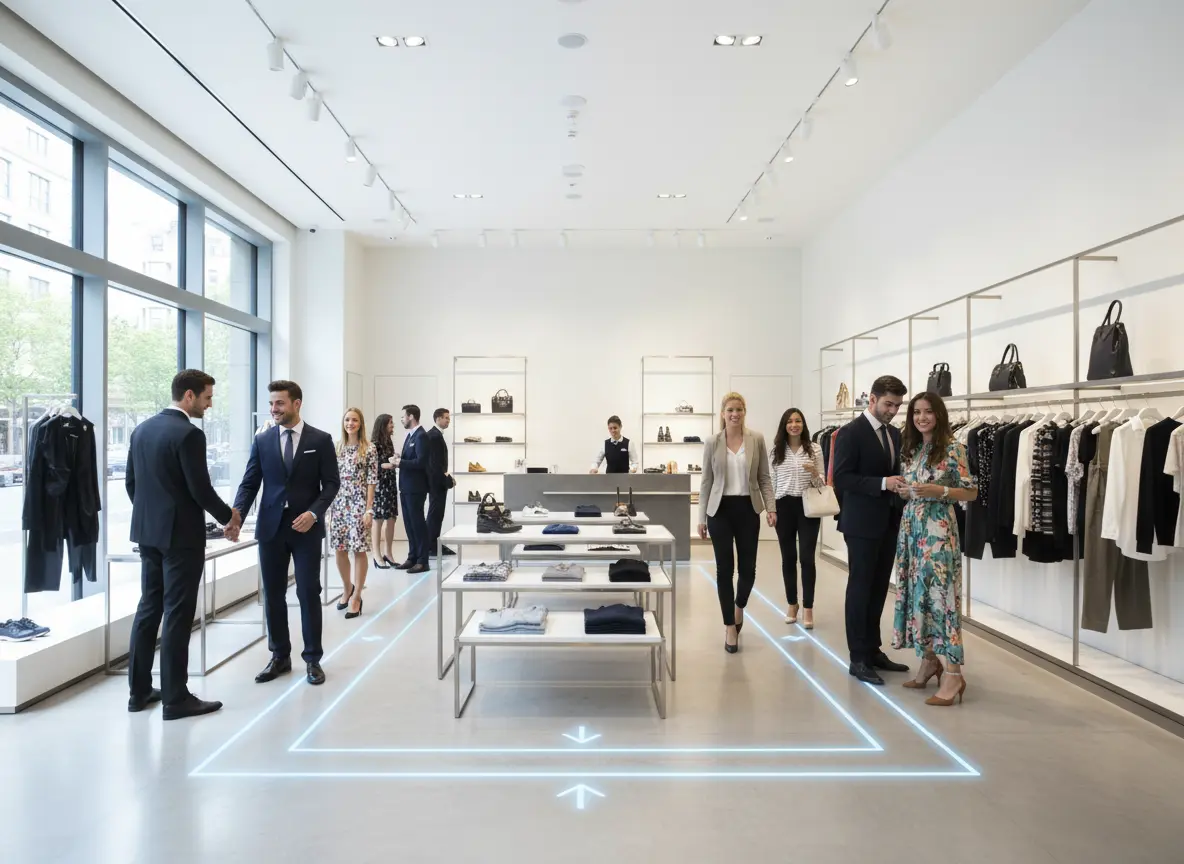
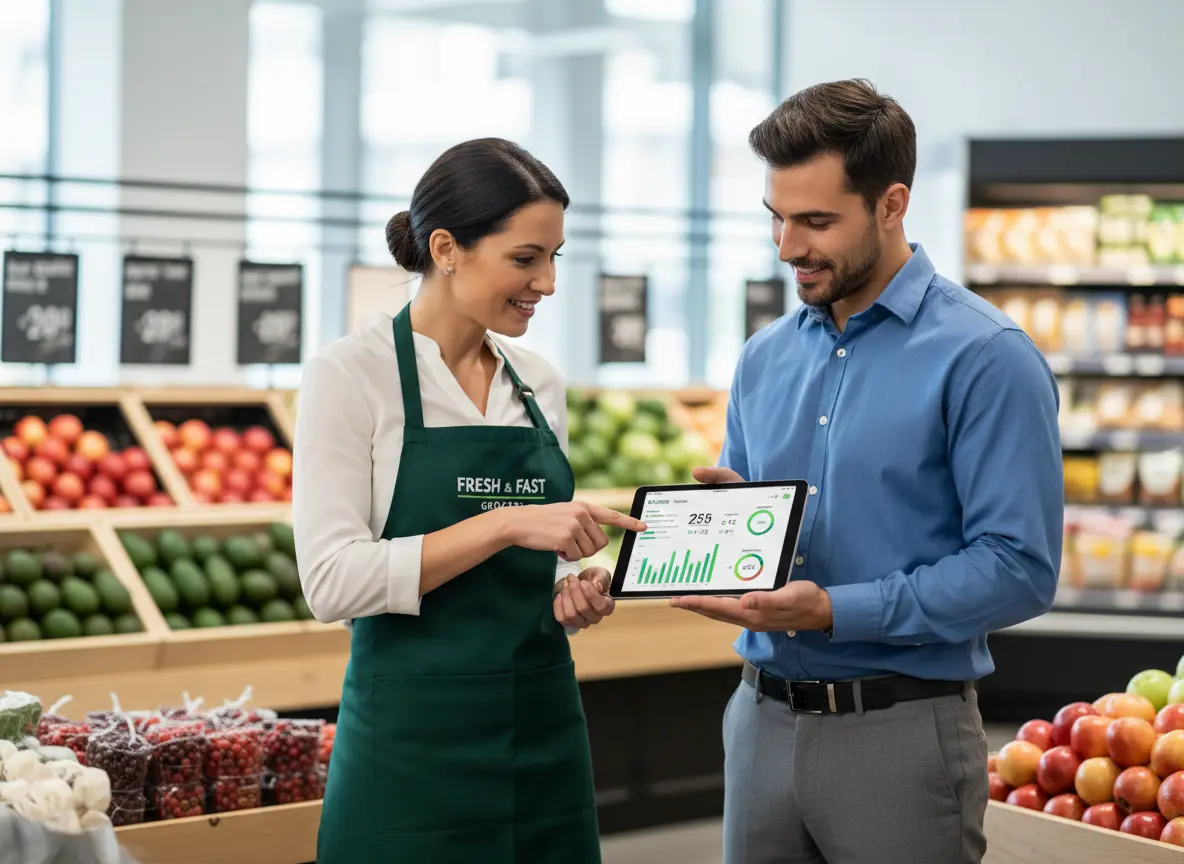
How do you fight the digital distraction and make your in-store experience unforgettable? You could hire more staff, but in this labor market? Good luck. Or, you could get a little help from someone who never calls in sick. This is where an AI retail assistant like Stella changes the game. Imagine every single customer who walks through your door is greeted warmly and told about the day's specials—the real in-store-only specials that delivery app users can't get. Stella can highlight your high-margin deli items, suggest a bottle of wine to go with that steak, or answer questions about where the gluten-free crackers are, freeing up your human staff to handle more complex tasks. She ensures no one walks in unnoticed and that everyone knows why shopping *here*, in person, is better. She helps you maximize the value of every single person who chooses to walk through your doors, protecting your margins and your brand.
Making the Partnership Work For You (Not Just Them)
If you've weighed the pros and cons and decided to move forward, it's time to go on the offensive. Don't be a passive partner. Take control and make the platform work for your business.
Mastering Your Digital Shelves
Your online storefront is your new second location. Treat it with the same care you do your physical shelves. This means:
- Accurate Inventory: Nothing infuriates a customer more than ordering something, paying for it, and then getting a notification that it's out of stock. Use a reliable inventory management system that syncs with the platform to minimize these issues.
- Strategic Pricing: Check the terms of service, but many stores offset commission fees by slightly increasing their prices on the app. Be transparent if you can, but remember that delivery customers are paying for convenience and often expect a small markup. A 10-15% increase can help you reclaim your lost margin.
- High-Quality Photos: Your grainy cell phone picture of a tomato isn't going to cut it. Invest in good product photography. People eat—and buy—with their eyes, even online.
Strategic Promotions Are Your Secret Weapon
Don't just replicate your in-store flyer online. The delivery app is a different beast with a different audience. Use the platform's marketing tools to your advantage. Instead of a simple "2 for $5" deal, create an app-exclusive "Taco Night Bundle" that includes your private-label taco shells, salsa, and ground beef. This pushes higher-margin items and increases the average order value. Focus promotions on items you need to move or on your store's unique offerings that distinguish you from the big-box competition. Use the data the app provides to see what's selling and double down on it.
A Quick Reminder About Stella
While you're busy optimizing your digital strategy, don't forget your physical one. An AI retail assistant like Stella is your 24/7 brand ambassador, ensuring your in-store customers feel valued. She greets, promotes, and upsells consistently, helping you bolster the profitable side of your business to offset those pesky delivery commissions.
Conclusion: Tame the Beast, Don't Let It Tame You
Delivery apps aren't going anywhere. For many local grocers, they represent a critical, if sometimes infuriating, sales channel. The key is to enter the partnership with your eyes wide open and a clear strategy in hand. Don't let the platform dictate the terms of your success.
Your next steps are clear:
- Do the math. Understand the true cost before you commit.
- Negotiate everything. Fight for the best possible rates and terms.
- Optimize your online presence. Treat your digital store like a flagship location.
- Invest in your in-store experience. Never forget the customers who are literally standing in front of you.
By balancing the reach of delivery apps with an unbeatable in-person experience, you can not only survive in this new retail landscape—you can thrive. Now go on, and show that algorithm who's boss.