Introduction: Because You Became a Massage Therapist to Heal People, Not Answer Phones
Let's paint a picture. You're mid-session, your client is finally relaxing after 20 minutes of you working out a knot that could anchor a sailboat, and then — from behind the door — you hear your phone ringing. Again. And again. And then once more, just to really drive the point home.
You became a massage therapist to help people, to create a sanctuary of calm and healing. Somewhere along the way, though, running the business of massage therapy became its own full-time job. Between managing appointments, fielding calls about pricing, handling no-shows, and trying to remember if Tuesday at 3pm is still open, the administrative side of your practice can quietly swallow the joy right out of your work.
Here's the good news: it doesn't have to be that way. A fully automated booking experience isn't just for big spas with dedicated front desks and unlimited budgets. Solo practitioners and small studio owners can build a seamless, professional, client-friendly booking system that practically runs itself — and this guide will show you exactly how.
Building the Foundation of Your Automated Booking System
Choosing the Right Booking Software
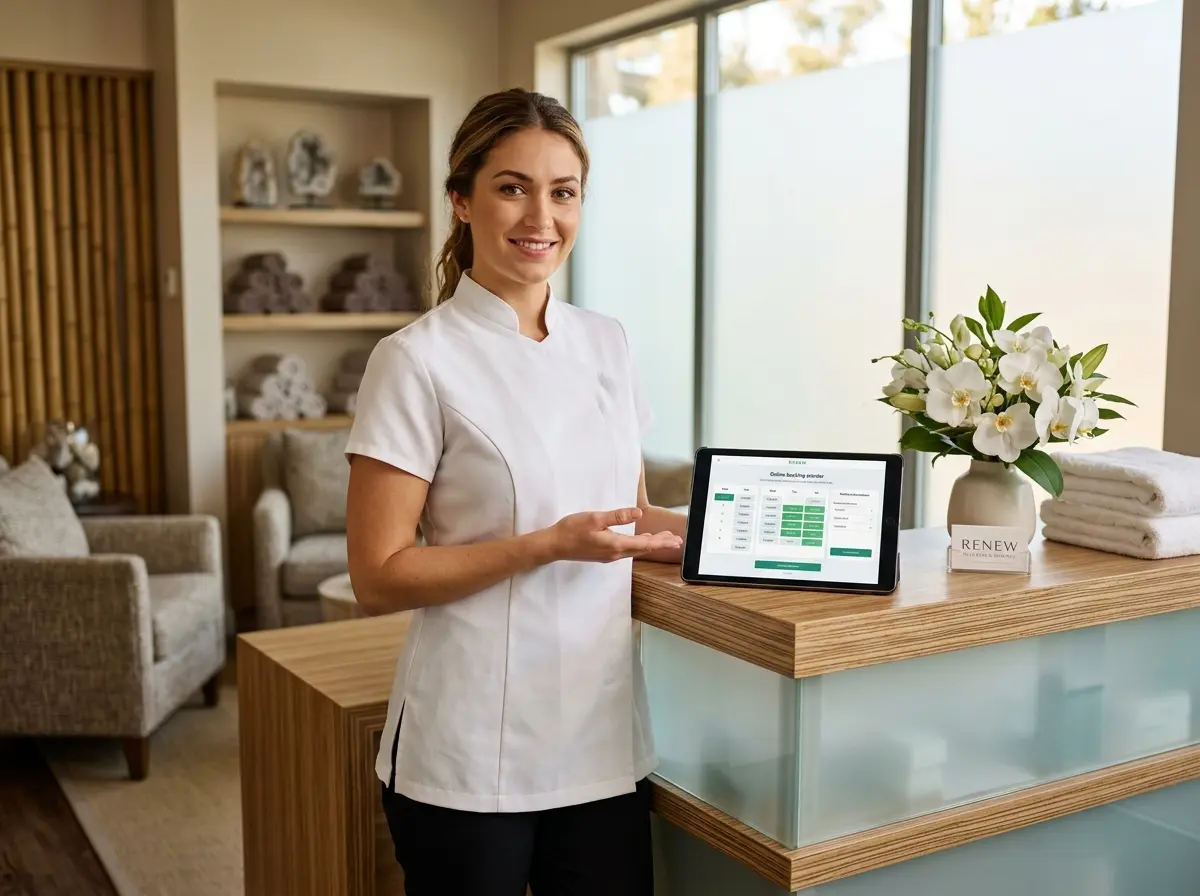
The cornerstone of any automated booking experience is, unsurprisingly, booking software. The right platform will let clients self-schedule, cancel, and reschedule without a single text message to you at 9pm. Popular options like Vagaro, MindBody, Square Appointments, and Acuity Scheduling all offer massage-specific features including service duration settings, buffer time between appointments, and intake form collection.
When evaluating platforms, prioritize these features:
- Real-time availability display — clients should see exactly what's open without asking
- Automated confirmation emails and SMS reminders — because no-shows are the enemy
- Online deposits or prepayment options — the single most effective way to reduce last-minute cancellations
- Service menu customization — so clients can book a 90-minute deep tissue, not just a "massage"
- Calendar syncing — so your personal and business calendars don't create double-booking chaos
Studies consistently show that over 40% of online bookings happen outside of business hours. If your clients can only book when you're available to pick up the phone, you're leaving real revenue on the table every single night.
Setting Up Smart Intake Forms
Automated booking isn't just about scheduling — it's about arriving to every session prepared. Digital intake forms, sent automatically upon booking confirmation, eliminate the awkward clipboard-and-pen routine while giving you everything you need before your client walks through the door.
A solid intake form for massage therapists should capture health history, pressure preferences, areas of concern, and any contraindications. The key is making this part of the automated flow, not an afterthought. Most booking platforms allow you to attach intake forms directly to appointment confirmations. Set it up once, and it works for every single booking going forward. Your future self will be very grateful.
Automating Your Reminders and Follow-Ups
Once a client books, the automation shouldn't stop there. A well-designed reminder sequence dramatically reduces no-shows and keeps your schedule intact. A reliable approach looks something like this: a confirmation immediately upon booking, a reminder 48 hours before the appointment, and a final nudge the morning of. After the session, an automated follow-up email requesting a review or offering a rebooking incentive keeps clients in your orbit without requiring you to lift a finger.
Most booking platforms include these sequences natively. Spend an afternoon writing your templates once — warm, on-brand, and human-sounding — and then let the software do the rest indefinitely.
How Technology Can Handle Your Front Desk (So You Don't Have To)
Never Miss a Call or a Walk-In Again
Even the most beautifully automated booking page won't stop every person from calling. Some clients prefer to talk to someone before booking, especially first-timers who have questions about your services, pricing, or what to expect. For a solo practitioner mid-session, those calls go unanswered — and unanswered calls become clients who book somewhere else.
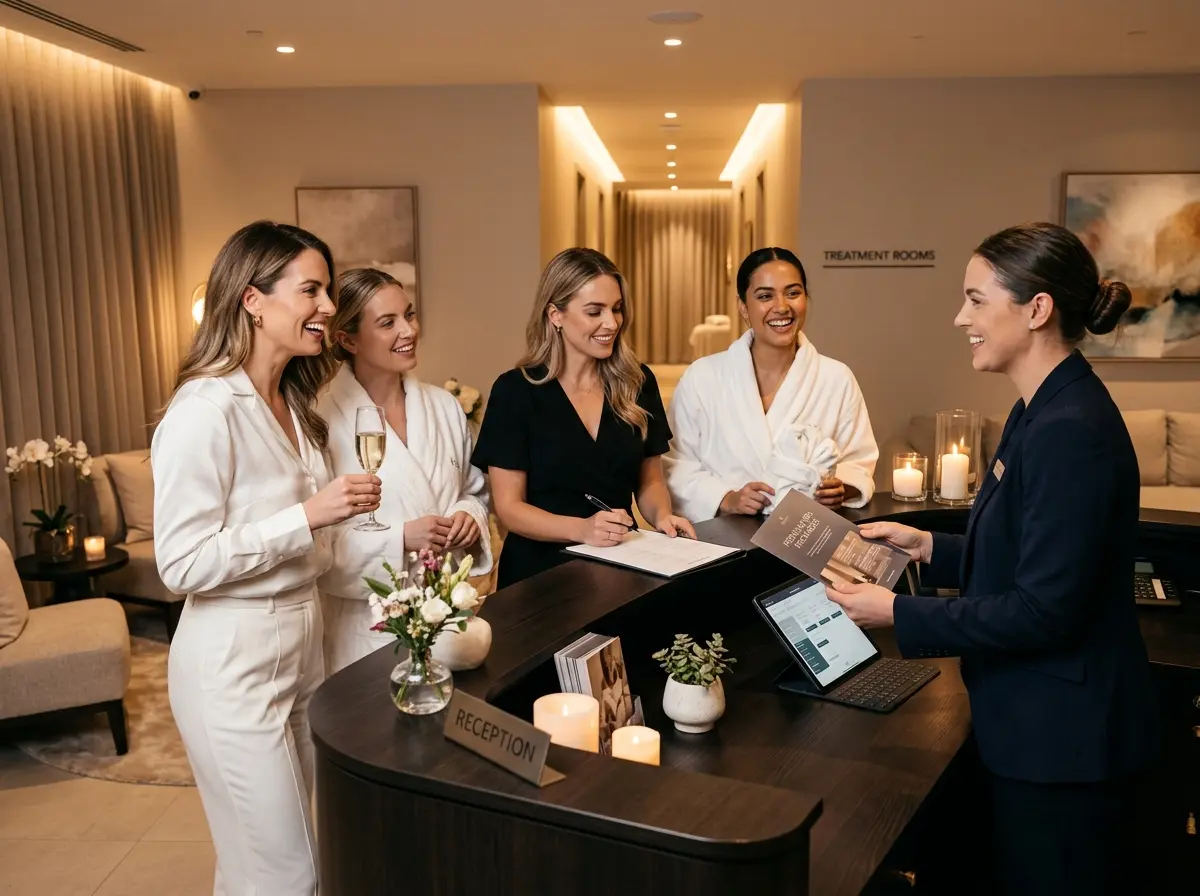
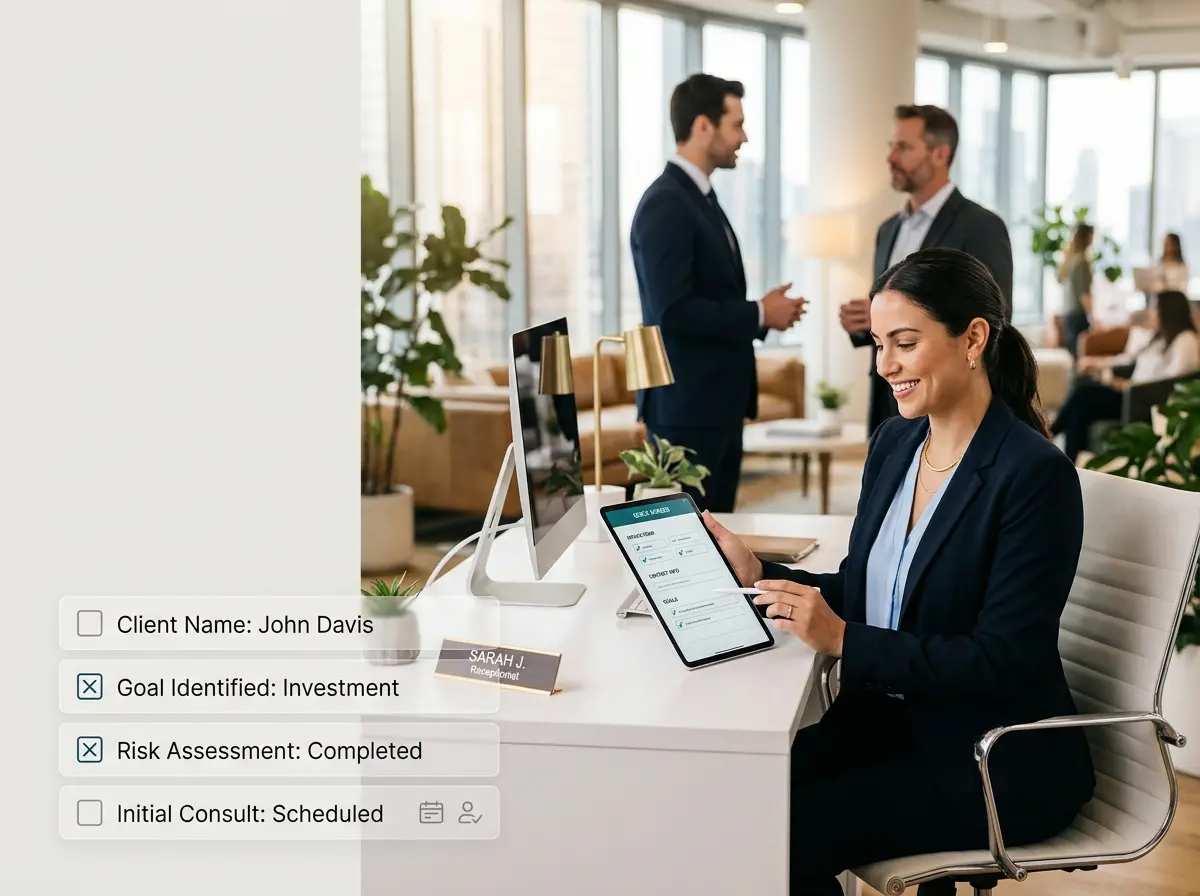
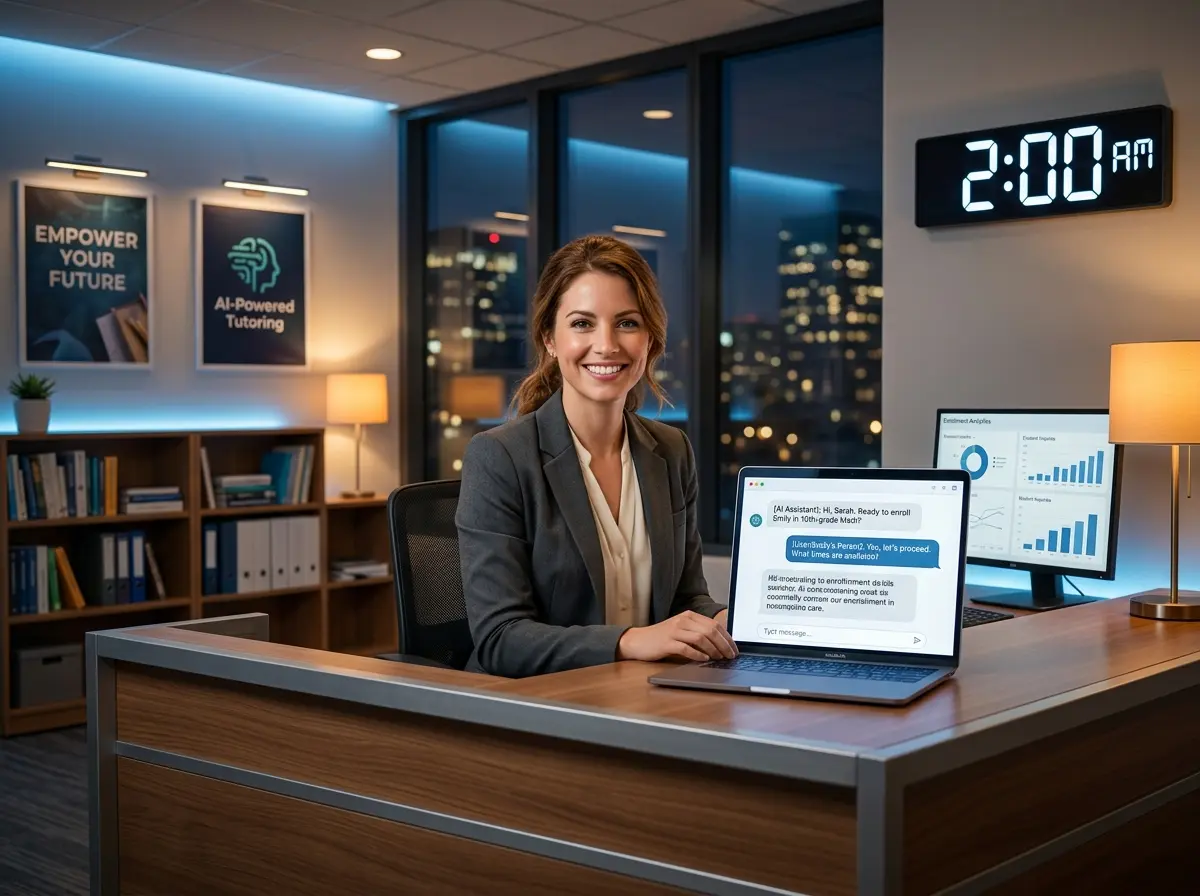
This is exactly where Stella comes in. Stella is an AI robot employee and phone receptionist that answers calls 24/7 with genuine business knowledge — your services, pricing, session lengths, policies, and current promotions. If you operate a studio with a physical location, Stella's in-store kiosk presence also greets walk-ins proactively, answering questions and collecting information conversationally while you focus on the client on your table. She also features built-in intake forms and a CRM that captures client details automatically, so no lead slips through the cracks. For a massage therapist running a one-person operation, having a professional, always-available presence without hiring a part-time receptionist is genuinely game-changing.
Reducing No-Shows and Maximizing Your Schedule
The Deposit Strategy That Actually Works
If you've been hesitant to require deposits because you worry it might scare clients away, consider this: the clients most likely to be scared away by a deposit are often the same clients most likely to no-show. Requiring a deposit — even a modest one of $20 to $30 — creates a psychological commitment that dramatically improves show rates. Many therapists report no-show rates dropping by 50% or more after implementing a deposit policy.
Set this up directly in your booking software and pair it with a clear cancellation policy — 24 or 48 hours is standard in the industry. Include the policy in your booking confirmation, your reminder emails, and your intake form acknowledgment. Communicate it consistently and without apology. It's your time, and it has real value.
Waitlists and Last-Minute Openings
Cancellations will still happen even with deposits in place. The key is turning them into opportunities rather than losses. Most booking platforms support waitlists — clients who indicate they'd take an earlier slot if one opens up. When a cancellation comes in, an automated notification goes out to your waitlist, and suddenly that empty hour is filled again, often within minutes.
For last-minute openings, a quick broadcast to your client list via email or SMS can work wonders. Some therapists offer a small discount for same-day bookings, turning what would have been lost income into a loyal client who feels like they got a deal. Everyone wins — except the no-show, who presumably still has that knot in their shoulder.
Rebook Prompts and Membership Models
The easiest client to book is one who already loves you. Automated post-session follow-ups that include a direct rebooking link are one of the simplest retention tools available. For clients who come regularly, a membership or package model — four sessions per month at a flat rate, for example — not only guarantees recurring revenue but also fills your calendar in advance without any active effort on your part. Many booking platforms support package sales and membership billing natively, making this easier to implement than ever.
Quick Reminder About Stella
Stella is an AI robot employee and phone receptionist designed for businesses of all sizes, including solo practitioners like massage therapists. She answers calls around the clock, greets walk-ins at your studio kiosk, collects client information through conversational intake forms, and manages contacts through a built-in CRM — all for just $99 per month with no upfront hardware costs. She's the front desk you always wanted but never had the budget for.
Conclusion: Your Practice, Running Beautifully Without You Babysitting It
Building a fully automated booking experience isn't about removing the human element from your practice — it's about protecting it. When your systems handle scheduling, reminders, intake, and follow-ups, you get to show up to every session present, prepared, and unhurried. That's better for your clients, better for your work, and honestly, better for your own sanity.
Here's your action plan to get started:
- Choose and configure your booking platform — Vagaro, Acuity, Square Appointments, or MindBody are all solid starting points. Set up your full service menu, buffer times, and availability.
- Build your intake forms — attach them to booking confirmations so they arrive automatically with every new appointment.
- Set up your reminder sequence — confirmation, 48-hour reminder, day-of reminder, and post-session follow-up with a rebooking link.
- Implement a deposit policy — start with a modest amount and a clear cancellation window. Be consistent.
- Enable a waitlist — so cancellations become opportunities rather than empty hours.
- Consider how you're handling calls and walk-ins — if that's still a gap in your automation, it's worth exploring tools like Stella to close it.
Your practice deserves to run as smoothly as the sessions you deliver. With the right systems in place, you'll spend less time managing logistics and more time doing the work you actually trained for. Now go enjoy the quiet. You've earned it.