The Revolving Door Problem (And No, the Answer Isn't Always "Pay More")
If you've owned a restaurant for more than five minutes, you already know the drill. You hire someone, spend weeks training them, and just when they've finally memorized the difference between the Caesar and the house salad — they're gone. The restaurant industry's average annual turnover rate hovers around 75%, and in some segments it climbs well above that. It's practically a sport at this point.
Now, the obvious solution that every well-meaning business consultant will suggest is to raise wages. And sure, competitive pay matters. But it's not the whole picture, and for many independent restaurant owners operating on razor-thin margins, it's simply not a lever you can pull right now. The good news? Money isn't the only reason employees leave — which means there are real, practical things you can do to keep your team around longer without blowing up your labor budget.
Let's talk about what actually drives people out the door, and more importantly, how to stop it.
Why Your Staff Is Really Leaving
It's Not Always About the Paycheck
Studies consistently show that while pay is important, it's rarely the only reason employees quit. A 2023 survey by Black Box Intelligence found that restaurant workers frequently cite lack of respect, poor management, and a chaotic work environment as top reasons for leaving — often ranked above compensation. In other words, people can tolerate a modest paycheck if they feel valued, supported, and not completely overwhelmed every shift.
This is actually great news for restaurant owners, because culture, communication, and workflow are all within your control without requiring a line-item budget increase.
The Chaos Tax
There's an invisible cost your employees pay every single shift that never shows up on your P&L — and we'll call it the Chaos Tax. It's the mental and emotional toll of answering the same customer questions fifty times a day, being interrupted mid-task to grab the phone, fielding complaints that could have been avoided with better information, and generally feeling like they're trying to run a marathon while someone keeps moving the finish line.
When employees are constantly pulled in multiple directions — especially for tasks that feel repetitive and low-value — they burn out faster. Burnout leads to disengagement. Disengagement leads to resignation letters written on the back of order tickets. Reducing unnecessary friction in your staff's day isn't just a nice thing to do; it's a retention strategy.
Feeling Like a Number, Not a Person
Another major driver of turnover is the feeling that the job is purely transactional. Show up, take orders, clean tables, repeat. When employees don't see a path forward, don't feel recognized, or don't understand how their work fits into a bigger picture, they disengage. Simple things like acknowledging good performance, involving staff in decisions, cross-training for new skills, and creating even small growth opportunities can meaningfully shift how employees feel about their jobs.
How Technology Can Quietly Save Your Sanity (and Your Staff's)
Let Tech Handle the Repetitive Stuff
One of the most underrated ways to reduce staff burnout — and therefore turnover — is to offload the repetitive, low-skill tasks that eat up your team's mental bandwidth. Think about how much time your staff collectively spends each week answering the phone to recite your hours, explaining the parking situation, confirming whether you take reservations, or describing your gluten-free options. It adds up fast, and none of it requires a human being with years of hospitality experience.
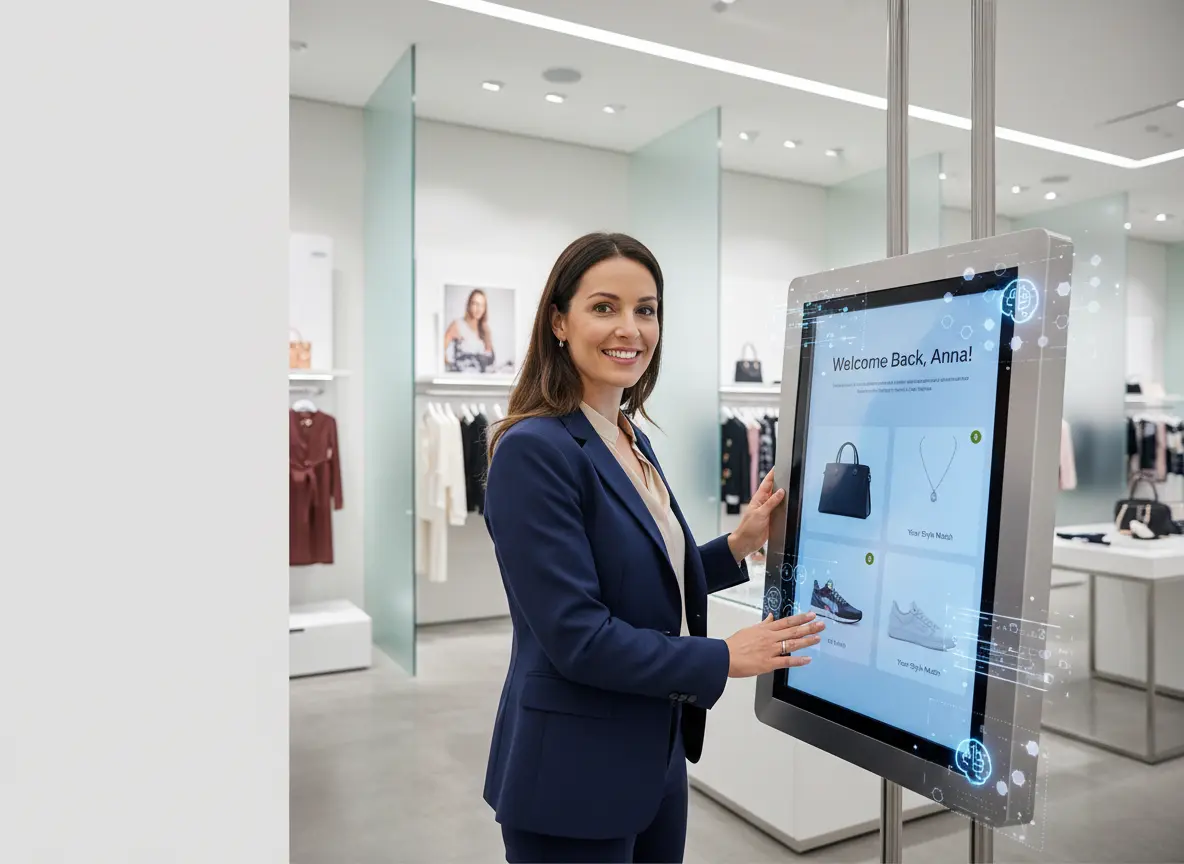
This is exactly where Stella, an AI robot employee and phone receptionist, quietly earns her keep. For restaurants with a physical location, Stella stands inside the restaurant as a friendly, human-sized kiosk that greets customers, answers questions about the menu, highlights specials, and handles the steady stream of "do you have parking?" conversations — so your staff doesn't have to. She also answers phone calls 24/7 with the same knowledge she uses in person, which means the midnight "are you open tomorrow?" calls get handled without waking anyone up or pulling a server away from a table. At just $99/month with no upfront hardware costs, that's a remarkably affordable way to reduce friction for your team.
Building a Workplace People Actually Want to Come Back To
Create Consistency and Clear Expectations
One of the most corrosive things in a restaurant environment is inconsistency. Inconsistent scheduling, inconsistent standards, inconsistent enforcement of rules. Employees thrive when they know what's expected of them and can rely on a predictable structure. This doesn't mean rigid or robotic — it means fair and transparent. Document your processes, communicate schedule changes early, enforce policies equally across the team, and make sure every new hire goes through a real onboarding experience rather than being thrown onto the floor with a prayer and a notepad.
Simple tools like shared scheduling apps, clear employee handbooks (even short ones), and regular one-on-ones with team members go a long way toward creating the kind of environment where people feel stable rather than anxious.
Recognition Costs Nothing and Pays Everything
This one is almost embarrassingly simple, yet it's chronically underpracticed. Catching your employees doing something right and acknowledging it — publicly when appropriate, privately when not — has a measurable impact on morale and retention. You don't need a formal employee-of-the-month program (though those don't hurt). A sincere "hey, I noticed how you handled that difficult table tonight — that was excellent" before the end of a shift can do more than a hundred laminated certificates.
Consider building small recognition habits into your weekly routine. Shout out a team member at pre-shift meetings. Send a quick text after a great Saturday service. Keep a mental list of who's going above and beyond and tell them you noticed. These micro-moments of recognition compound over time and create genuine loyalty.
Give People a Reason to Grow
Even in a small restaurant, there are ways to create growth opportunities that make employees feel invested rather than stagnant. Cross-training staff across roles — host, server, bar, prep — not only gives you more scheduling flexibility, it gives employees a broader skill set and a sense of progress. Consider designating informal "lead" roles for your more experienced team members. Let ambitious employees shadow the kitchen on slow nights. Offer to cover the cost of a food handler certification or a short online course in hospitality management.
The investment is often minimal, but the signal it sends is powerful: we see you, we believe in you, and we want you here long-term. That kind of message retains people that a modest raise simply wouldn't.
Quick Reminder About Stella
Stella is an AI robot employee and phone receptionist designed to support businesses like yours without ever calling in sick, burning out, or putting in a two-week notice. She greets customers in-store, handles phone calls around the clock, promotes your specials, and answers the questions that quietly consume your staff's time and energy every single day — all for $99/month with no upfront costs and an easy setup. Think of her as the team member who handles everything so your human team can focus on the work that actually requires a human touch.
The Bottom Line: Retention Is a Culture Game
Reducing staff turnover at your restaurant isn't a single fix — it's a collection of small, intentional decisions that compound over time into a workplace where people genuinely want to stay. It starts with understanding why people leave (hint: it's usually not just the money), and then systematically addressing the real culprits: chaos, disrespect, stagnation, and inconsistency.
Here's a practical action plan to get started:
- Audit your chaos points. Spend one week noting every moment your staff is interrupted or pulled away from their primary responsibilities. Then ask: what could be automated, delegated, or eliminated?
- Start a recognition habit this week. Commit to acknowledging one team member specifically and sincerely before the end of every shift for the next 30 days. See what changes.
- Sit down with each employee individually. Ask them two questions: "What's the most frustrating part of your job right now?" and "Is there anything you'd like to learn or take on?" Then actually listen.
- Reduce the repetitive burden on your team. Identify the phone calls, customer questions, and informational tasks that technology could handle — and let it handle them.
- Document and standardize. Pick the one process in your restaurant that causes the most confusion and write it down clearly. Then share it with your team.
The restaurants that retain great staff aren't always the ones paying the most. They're the ones where employees feel respected, supported, and like they're part of something worth showing up for. That culture is built one decision at a time — and it starts with you.