Introduction: Because "My Dog Hated It There" Is Not the Review You Want
Let's paint a picture. A nervous Labrador named Biscuit arrives at your clinic, already shaking before he's even through the door. The waiting room smells like antiseptic and existential dread. A cat in a carrier is screaming at maximum volume. The receptionist is on hold with an insurance company. Biscuit loses it. His owner loses it. And by the time they get home, a one-star Google review is already being drafted — with feeling.
Sound familiar? You didn't spend years in veterinary school to run a practice that terrifies the very patients you're trying to help. And yet, fear and anxiety in veterinary settings remain one of the top reasons clients switch practices — and one of the most common complaints in online reviews. The good news? Building a fear-free practice isn't just the compassionate thing to do. It's one of the smartest business decisions you can make.
Practices that earn Fear Free certification, adopt low-stress handling protocols, and genuinely invest in the emotional wellbeing of their patients consistently report higher client retention, stronger online reputations, and teams that actually enjoy coming to work. This guide breaks down exactly how to get there — from the waiting room to the exam table to your phone lines.
Designing a Calm Environment From the Ground Up
Before you can change how animals feel at your practice, you need to change what they — and their owners — experience the moment they arrive. Environment is everything. And no, hanging a motivational poster of a golden retriever doesn't count.
The Waiting Room: Ground Zero for Anxiety
The traditional veterinary waiting room is, bluntly, a stress factory. Predators and prey share six square feet of linoleum. Dogs are barking. Cats are plotting revenge. And the overhead lighting hums with the energy of a government office. Redesigning this space doesn't require a six-figure renovation — it requires intentionality.
Start by separating species. Dedicated cat-only waiting areas or even a simple visual barrier can dramatically reduce stress for feline patients, who are acutely aware of every dog in a 30-foot radius. Add non-slip flooring (terrifying to most animals), consider pheromone diffusers like Feliway or Adaptil, and swap harsh overhead lighting for warmer, softer alternatives. Background music specifically designed for animal calming — yes, this is a real thing and it works — can make a measurable difference. Small changes, compounding results.
Exam Room Setup and Handling Protocols
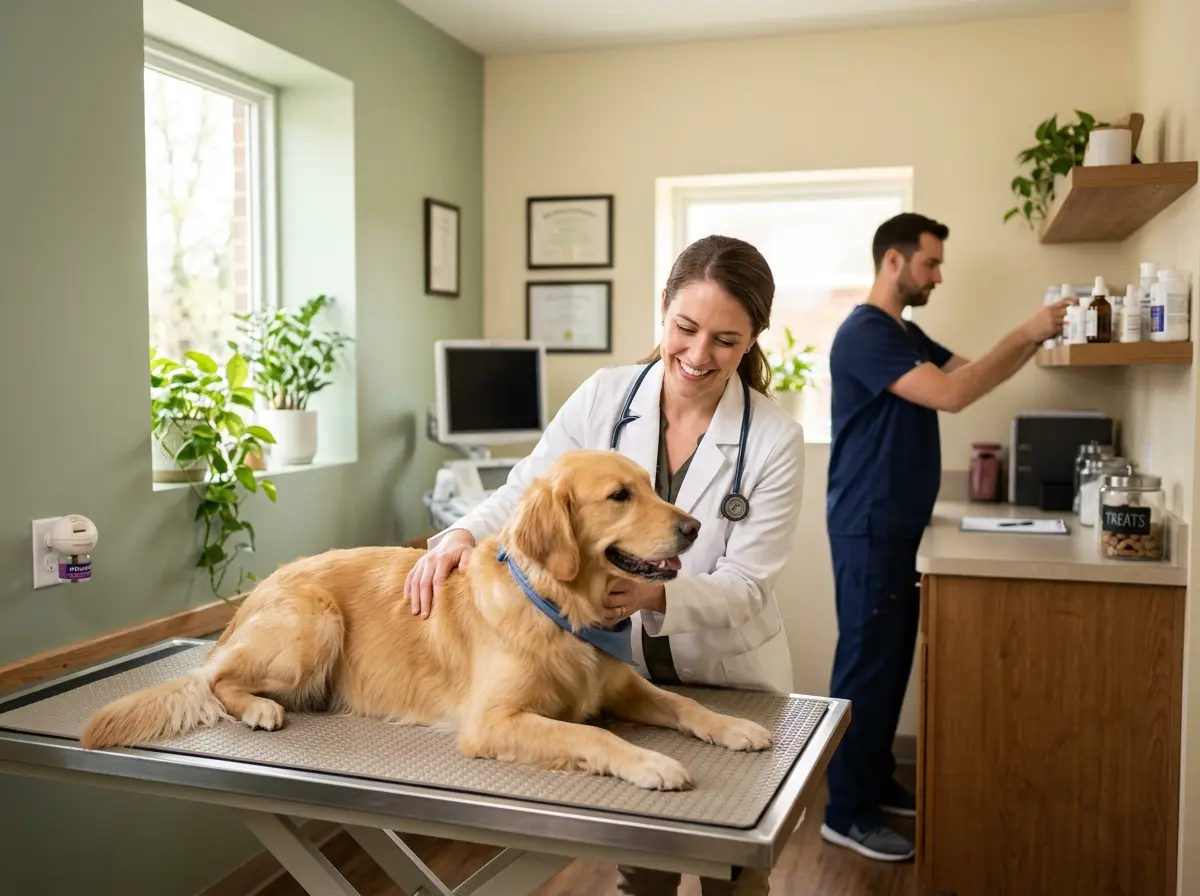
Fear Free certification, offered through the Fear Free organization, has trained over 200,000 veterinary professionals worldwide. Its principles are grounded in real behavioral science: minimize restraint, use positive reinforcement, allow the animal to explore the space before the exam begins, and let the pet dictate the pace wherever safely possible. This isn't "being soft" — it's being smart. Pets that associate your clinic with treats and patience rather than forced handling and fear are genuinely easier to examine, meaning your team works more efficiently and with far less risk of injury.
Invest in exam tables that can be lowered to floor level. Keep high-value treats on hand. Train your staff — all of them, not just the vets — in low-stress handling techniques. The investment in continuing education here pays dividends in client loyalty and staff safety alike.
Staff Training: The Human Side of Fear-Free
Here's the thing nobody advertises on their website: anxious owners create anxious pets. If your front desk staff greets a nervous client with a harried, distracted energy, that tension transfers directly down the leash. Fear-free isn't just a protocol for the exam room — it's a culture that starts at the first point of contact. Train your team to speak calmly, crouch to pet level when greeting animals, and communicate clearly with owners about what to expect. An informed owner is a calmer owner, and a calmer owner means a calmer pet. It's a beautiful, trainable chain reaction.
Streamlining the Client Experience Before and After the Visit
A fear-free visit doesn't begin when the pet walks through your door. It begins when the owner picks up the phone to make an appointment — or when they find you online at 10 PM and wonder if you're even taking new patients. This is where the operational side of your practice can either support your fear-free mission or quietly undermine it.
First Impressions on the Phone and at the Door
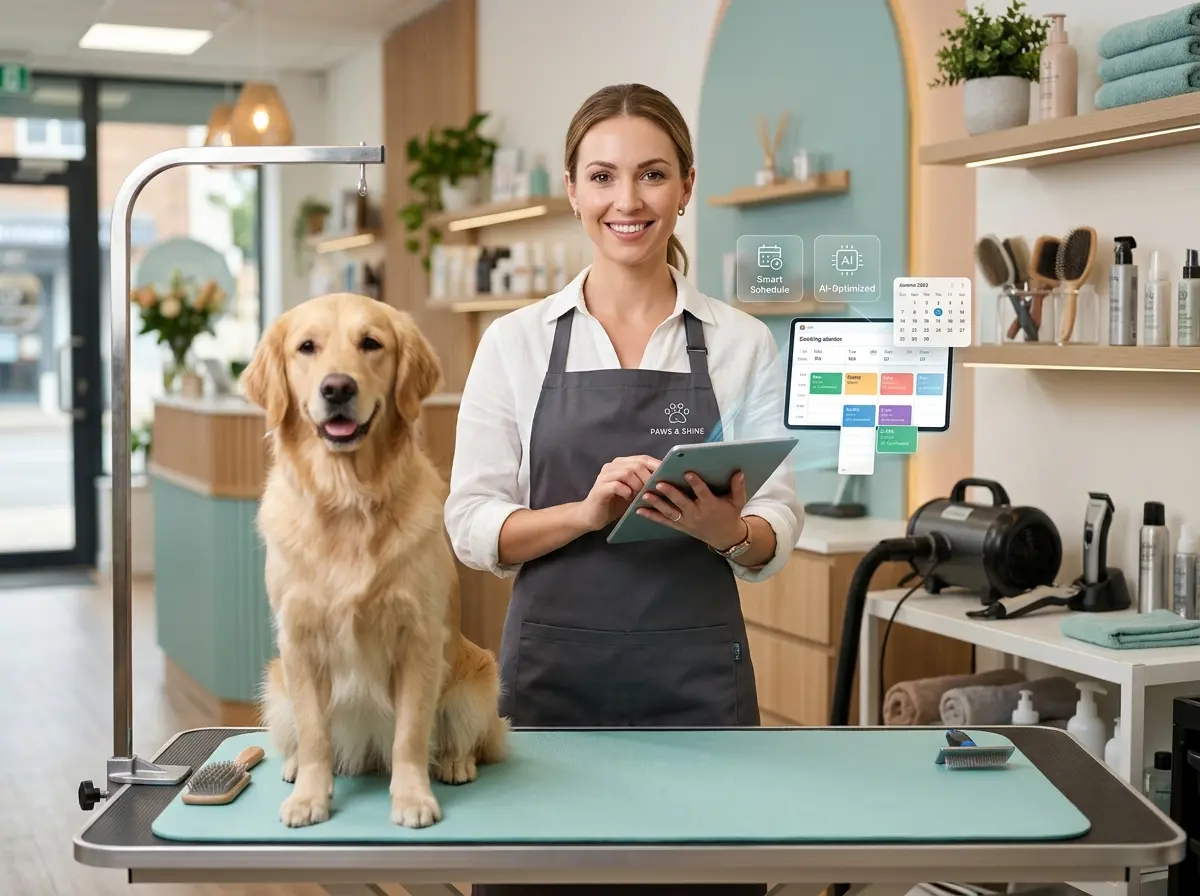
Many veterinary practices lose clients before a single appointment is ever made, simply because the phone goes unanswered, or the on-hold experience is grim enough to inspire surrender. Stella, an AI robot employee and phone receptionist, can handle incoming calls 24/7 — answering questions about services, hours, and new patient intake with the same friendly, informed energy you'd want from your best front desk hire. For practices with a physical location, she also operates as an in-clinic kiosk, greeting clients as they arrive and helping reduce the chaotic first-few-minutes energy that sets the tone for the whole visit. With built-in intake forms and a CRM to capture and organize client information, Stella ensures no new client falls through the cracks — even when your human staff is elbow-deep in a wellness exam.
Turning Fear-Free Visits Into Five-Star Reviews
You've done the hard work. Biscuit left the clinic with his tail wagging, a treat in his belly, and a generally revised opinion of veterinary medicine. Now what? A great experience that never gets shared online is a missed opportunity. The good news is that clients who have genuinely positive, surprising experiences — ones that exceeded their expectations — are highly motivated to talk about it.
Building a Review Request Strategy That Actually Works
The single most effective way to get more five-star reviews is embarrassingly simple: ask. Not in a desperate, guilt-trippy way — but with a timely, friendly follow-up. Studies consistently show that over 70% of consumers will leave a review when directly asked. Send a post-visit text or email within 24 hours, while the warm feelings are still fresh. Keep it short, personalize it with the pet's name, and make it one tap to get to your Google or Yelp page. The friction between "I had a great experience" and "I left a review" needs to be as close to zero as possible.
What you don't want to do is incentivize reviews in ways that violate platform terms of service, or — worse — only ask the clients you think liked you. That's called selection bias, and review platforms are onto it. Ask everyone, respond to every review (yes, even the bad ones), and let your genuine quality of care do the heavy lifting.
Responding to Negative Reviews Like a Professional
A one-star review about a bad experience — even an unfair one — is not a catastrophe. In fact, how you respond to it is often more persuasive to potential clients than the negative review itself. Respond promptly, acknowledge the client's concern without getting defensive, and offer to continue the conversation offline. A calm, empathetic response to a harsh review signals to every person reading it that you are the kind of practice that takes client experience seriously. That is, paradoxically, a great advertisement.
Leveraging Social Proof Beyond Reviews
Reviews are powerful, but they're not the only tool in your arsenal. Before-and-after posts featuring formerly anxious patients who've made progress. Client testimonials on your website. Short videos of your team using calm handling techniques. These aren't just content — they're proof. They show prospective clients, in real and relatable terms, what it actually looks like to bring their pet to your practice. And for pet owners, who often love their animals with an intensity that rivals parental devotion, that kind of transparency builds trust faster than any paid advertisement ever could.
Quick Reminder About Stella
Stella is an AI robot employee and phone receptionist built for businesses like yours — available as a friendly in-clinic kiosk and as a 24/7 phone answering solution for just $99/month with no upfront hardware costs. She handles client questions, promotes your services, collects intake information, and makes sure no call goes unanswered — even on your busiest days. Think of her as the front desk team member who never has a bad day, never calls in sick, and never puts a nervous pet owner on hold.
Conclusion: Fear-Free Is a Business Strategy, Not Just a Buzzword
Building a fear-free practice is one of those rare business investments where doing the right thing and doing the smart thing are exactly the same thing. Happier animals mean safer, more efficient exams. Calmer owners mean stronger relationships and better compliance with care recommendations. Better experiences mean better reviews, more referrals, and a reputation that does your marketing for you.
Here's where to start:
- Audit your waiting room this week — what's the first thing a nervous dog or cat encounters, and what can you change?
- Explore Fear Free certification at fearfreepets.com — individual and practice-level options are available.
- Build a post-visit follow-up sequence that automatically asks happy clients for a review within 24 hours.
- Evaluate your first-contact experience — what happens when someone calls your practice after hours and nobody answers?
- Train your entire team — receptionists included — on the principles of low-stress client and patient communication.
Biscuit deserves better than a miserable vet visit. So does his owner. And frankly, so do you — because the version of your practice where every client leaves saying "they were incredible, my dog actually likes going there," is not only possible, it's profitable. Start building it today.