Pour Yourself In: Why Wine Tastings Are Your Best Sales Tool (When Done Right)
Let's be honest — hosting a wine tasting sounds glamorous until you're standing behind a folding table at 6:47 PM, explaining the difference between a Burgundy and a Bordeaux to someone who just asked if you carry "that dry red one." Wine tastings have enormous potential to turn curious sippers into loyal case buyers, but only if you treat them as a strategic sales event rather than a casual Friday night hobby.
The difference between a tasting that generates $800 in case sales and one that generates polite applause and a single bottle of the cheapest Pinot is almost entirely in the planning. According to Wine Business Monthly, wine shops that host structured, educational tasting events report an average transaction value three to five times higher than walk-in retail purchases. That's not magic — that's intentional design. So let's talk about how to design tastings that actually convert.
Setting the Stage for Sales (Before the First Cork Pops)
The biggest mistake wine shop owners make is treating a tasting as the main event. It's not. The tasting is the opening act. Your job — before a single glass is poured — is to create the conditions under which a customer wants to buy more wine than they planned to.
Curation Is Everything: Build a Narrative, Not a Lineup
Resist the urge to showcase your six best-selling bottles and call it a theme. Customers who attend tastings are buying an experience and a story, not just a product. Build your tasting around a compelling narrative — a vertical flight of the same winemaker across three vintages, a regional deep-dive into lesser-known Spanish appellations, or a value-versus-premium comparison that makes your guests feel smart for choosing the $28 bottle over the $75 one (even though you make a better margin on the $28 one anyway).
Each wine in your lineup should serve a purpose within that story. Give your team talking points that connect the bottles — flavor bridges, historical context, food pairings — so the evening flows like a conversation rather than a product demo. When customers feel educated, they feel confident. Confident customers buy cases.
Pricing and Registration: Free Is a Trap
Free tastings attract people who want free wine. That's it. A modest registration fee — even $15 to $25 per person — filters your audience toward genuinely interested buyers and signals that the experience has value. Better yet, make the fee redeemable toward a purchase of a certain dollar threshold (say, $75 or more). This creates a psychological nudge toward buying, removes the barrier of feeling like they're paying twice, and gives you a natural upsell conversation at checkout. Win, win, and win again.
The Room Setup That Quietly Does Your Selling For You
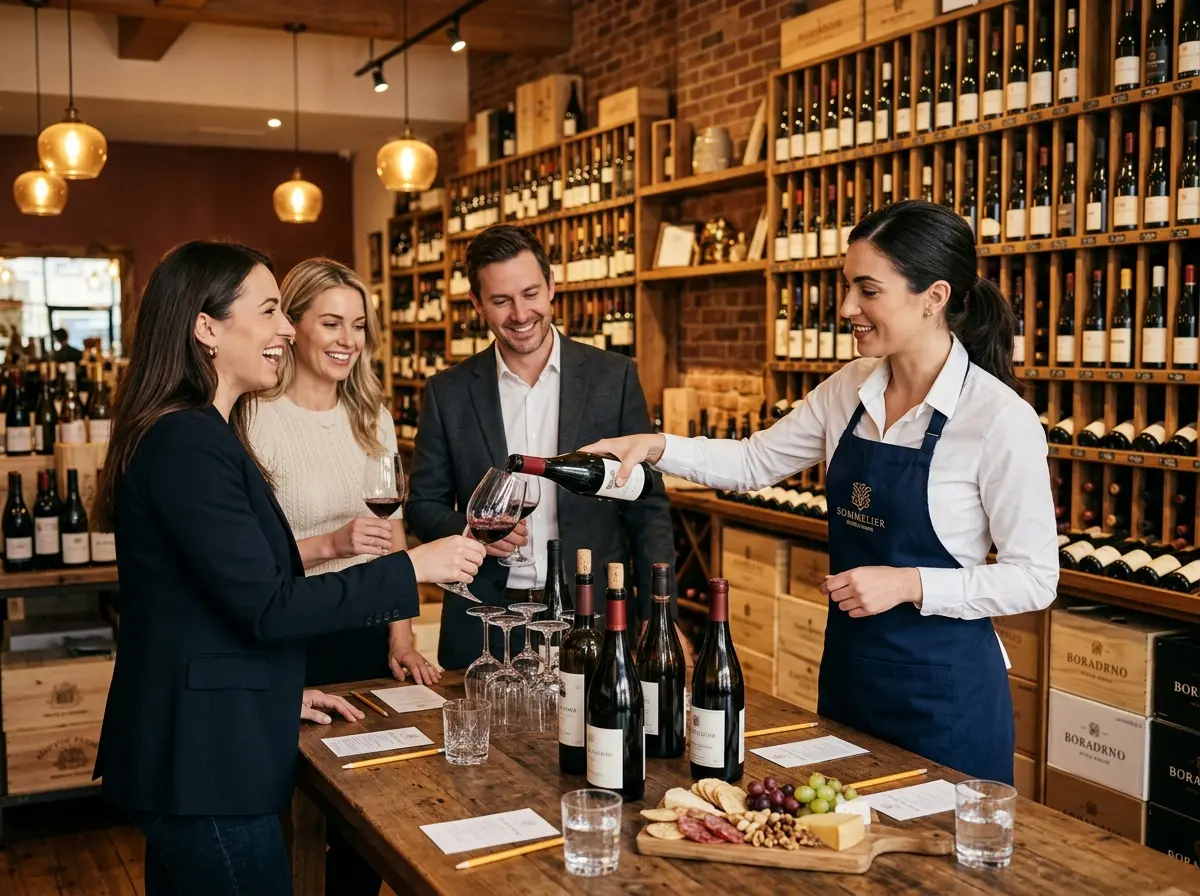
Merchandising during a tasting is an underrated art form. Display the featured bottles prominently with hand-written shelf talkers (yes, handwritten — it feels personal and curated). Have case stacks visible but not overwhelming. Set a table near the exit with pre-pulled case quantities of your top performers, already boxed and tagged with the evening's pricing. Make buying a case look like the obvious, natural next step — because it should be.
Running the Event: Engagement That Leads to the Register
Timing Your Pitch Without Being Pitchy
There's an art to weaving sales conversation into an educational tasting without making your guests feel like they've wandered into a timeshare presentation. The key is to introduce case pricing and purchasing options mid-event, not at the end. By the time you pour the third or fourth wine, guests are relaxed, engaged, and emotionally invested. That's your window. Mention casually that tonight's featured wines are available at a case discount, and that your team can help box anything they love before they leave. Plant the seed early and let it grow naturally over the remainder of the evening.
Staff Roles Matter More Than You Think
Your best conversationalist should be on the floor talking with guests — not stuck behind a table pouring. Designate a dedicated pourer so your most knowledgeable, personable team member can move freely, answer questions, and guide conversations toward favorites and purchasing decisions. Brief your entire team before the event with two or three specific talking points for each wine, and coach them on how to ask discovery questions: "Do you entertain often at home?" or "Is this style something you'd reach for on a weeknight or save for a special occasion?" These aren't just friendly questions — they're soft qualification that helps your team recommend the right case quantities and selections.
How Technology Can Work the Room (So You Don't Have To)
Running a successful tasting means your attention is on your guests — not on answering the phone, greeting walk-ins, or trying to remember which customer told you last month that they loved Malbec. This is exactly where Stella, the AI robot employee and phone receptionist, earns her keep. During a live tasting event, Stella can greet customers who wander in off the street, answer questions about your shop's offerings and hours, and promote that evening's event to curious passersby — all without pulling a single staff member away from the room. She's also handling your phone calls while you pour, so a ringing phone doesn't interrupt the story you're telling about a particular vintage.
Beyond event nights, Stella's built-in CRM and conversational intake forms make it easy to capture the contact information of tasting attendees — preferences, purchase history, how they heard about the event — and tag them for future targeted outreach. That Malbec lover from last month? She's already in the system, waiting for your next Argentine wine night invitation.
After the Tasting: The Follow-Up That Actually Gets Opened
Most wine shops pour their hearts into event night and then completely drop the ball on follow-up. This is where significant revenue quietly walks out the door.
Strike While the Wine is Fresh
Send a personalized follow-up email within 24 to 48 hours — not a generic newsletter blast, but a message that references the specific event. Thank attendees, list the wines featured (with direct purchase links if you have an online store), and offer a limited-time case discount that expires within five to seven days. The urgency is genuine: people forget fast, and the emotional connection to that delicious Grenache fades quicker than you'd like. Your follow-up email is the bridge between a pleasant memory and an actual transaction.
Build a Tasting Alumni List (And Actually Use It)
Every tasting attendee should be segmented in your customer database as a high-intent buyer. These are people who showed up, paid to attend, spent an evening in your shop, and left with positive associations. They are dramatically easier to convert than cold customers. Create a tasting alumni segment and market to them exclusively for future events, new arrivals that match their stated preferences, and seasonal case specials. A customer who attends two or three tastings and buys a case at each one is worth far more than a hundred one-bottle walk-ins over the course of a year. Treat them accordingly.
Turn One Event Into a Program, Not a One-Off
The shops that generate consistent case sales from tastings are the ones that run them consistently. Monthly or bi-monthly events build anticipation, habit, and community. Your best customers will start blocking the date on their calendars. They'll bring friends. Those friends become customers. A tasting program, done well, is essentially a recurring revenue engine dressed in a very elegant blazer.
A Quick Reminder About Stella
Stella is an AI robot employee and phone receptionist designed for businesses exactly like yours — physical retail locations that need a reliable, always-on presence without the overhead. She greets customers in-store, answers calls 24/7, promotes your events and specials, and captures customer data through her built-in CRM. At just $99 per month with no upfront hardware costs, she's the team member who never calls in sick on tasting night.
Your Next Steps Start Before Your Next Event
Hosting a wine tasting that converts to case sales isn't about luck, it's about intention. Every element — the theme, the pricing, the room setup, the staff roles, the follow-up — either moves a guest closer to a purchase or lets the opportunity drift away. The good news is that most of your competitors are winging it, which means the bar is genuinely not that high.
Here's where to start: Plan your next tasting around a specific, compelling narrative. Set a registration fee with a purchase credit built in. Brief your team thoroughly. Capture every attendee's contact information and preferences. Follow up within 48 hours with a targeted offer. Then do it again next month. Rinse, repeat, and watch your case sales grow in ways that your per-bottle retail never will.
The wine is already doing the hard work of being delicious. Your job is to build the experience around it that makes buying a case feel like the most natural thing in the world. You've got this — and now you've got a plan.