So, You're Thinking About Your Front Desk Situation
The True Cost of a Human Receptionist
Before you get defensive on behalf of your beloved front desk staff, this isn't an attack on human beings. People are wonderful. They bring warmth, judgment, and the ability to sense when a customer is that kind of upset. But they also come with costs that go well beyond their hourly wage, and small business owners often underestimate just how significant those costs are.
The Obvious Costs (That Still Surprise People)
According to the U.S. Bureau of Labor Statistics, the median annual wage for receptionists in the United States sits around $33,000–$38,000, depending on the industry and location. But that number is just the starting point. Add employer-side payroll taxes (roughly 7.65%), health insurance contributions, paid time off, and potentially retirement plan matching, and you're realistically looking at $45,000–$55,000 per year in total compensation for a single full-time front desk employee. For a small business, that's not a line item — that's a budget category.
The Hidden Costs Nobody Talks About
Then there are the costs that don't show up on a paycheck. Recruiting and onboarding a new receptionist takes time and money — estimates suggest replacing an employee can cost anywhere from 50% to 200% of their annual salary when you factor in job postings, interviews, training time, and lost productivity during the transition. Turnover in customer-facing roles is notoriously high, meaning this isn't a one-time expense. It's a recurring one.
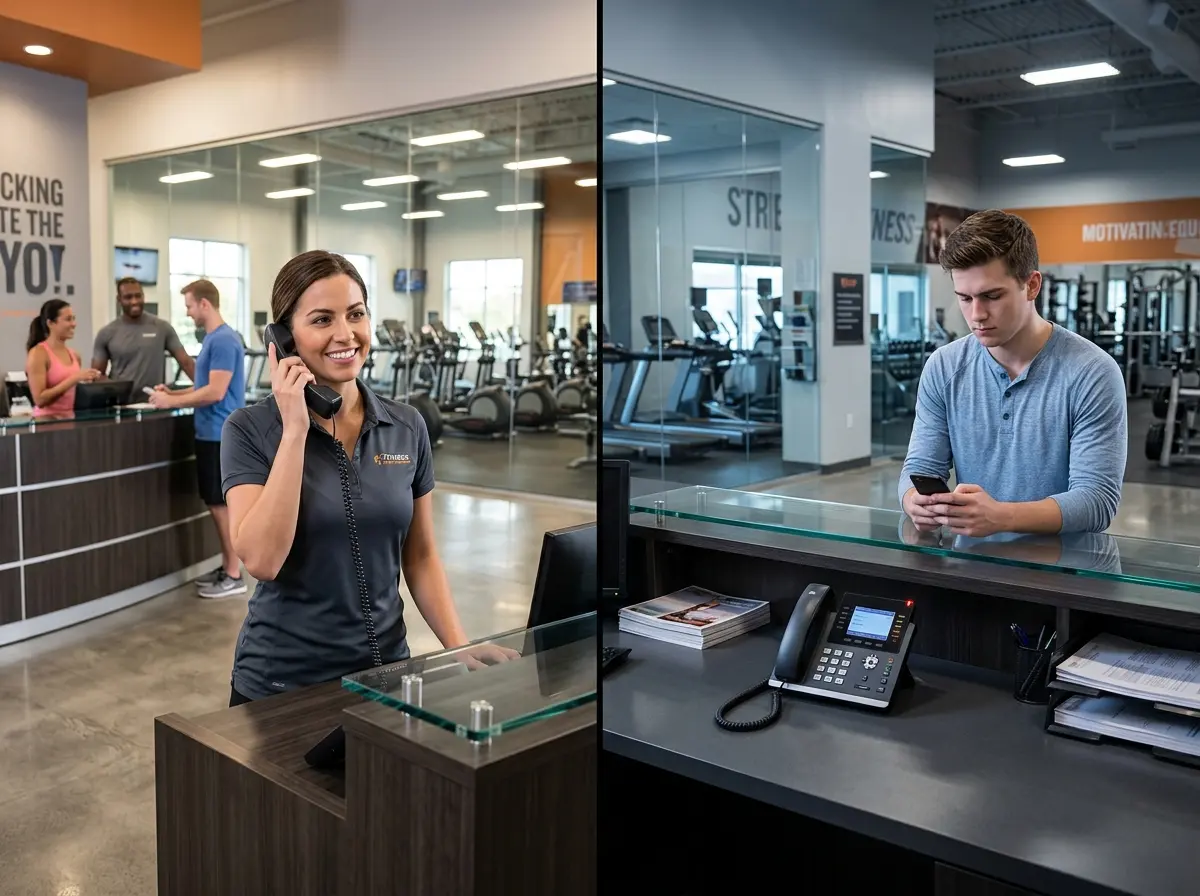
Part-Time Solutions and Their Limitations
Where AI Receptionists Change the Math
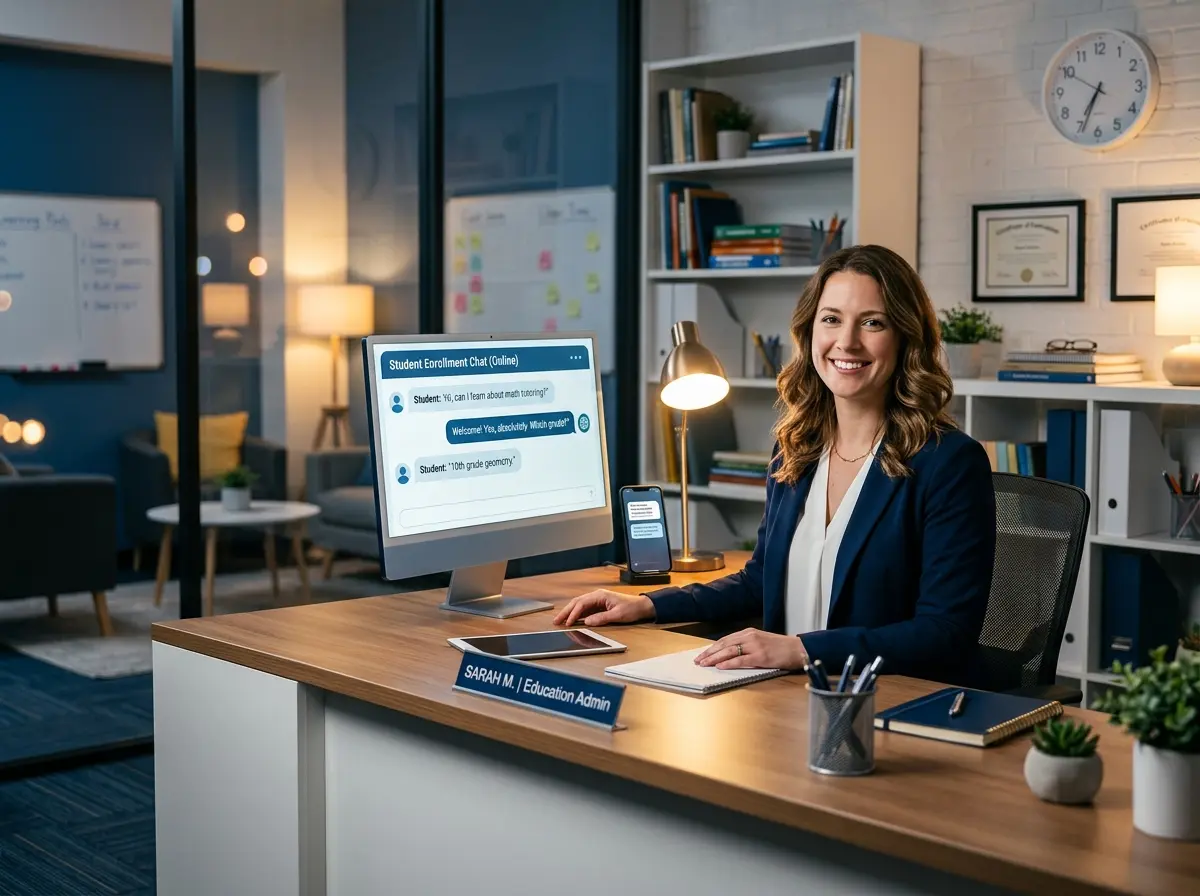
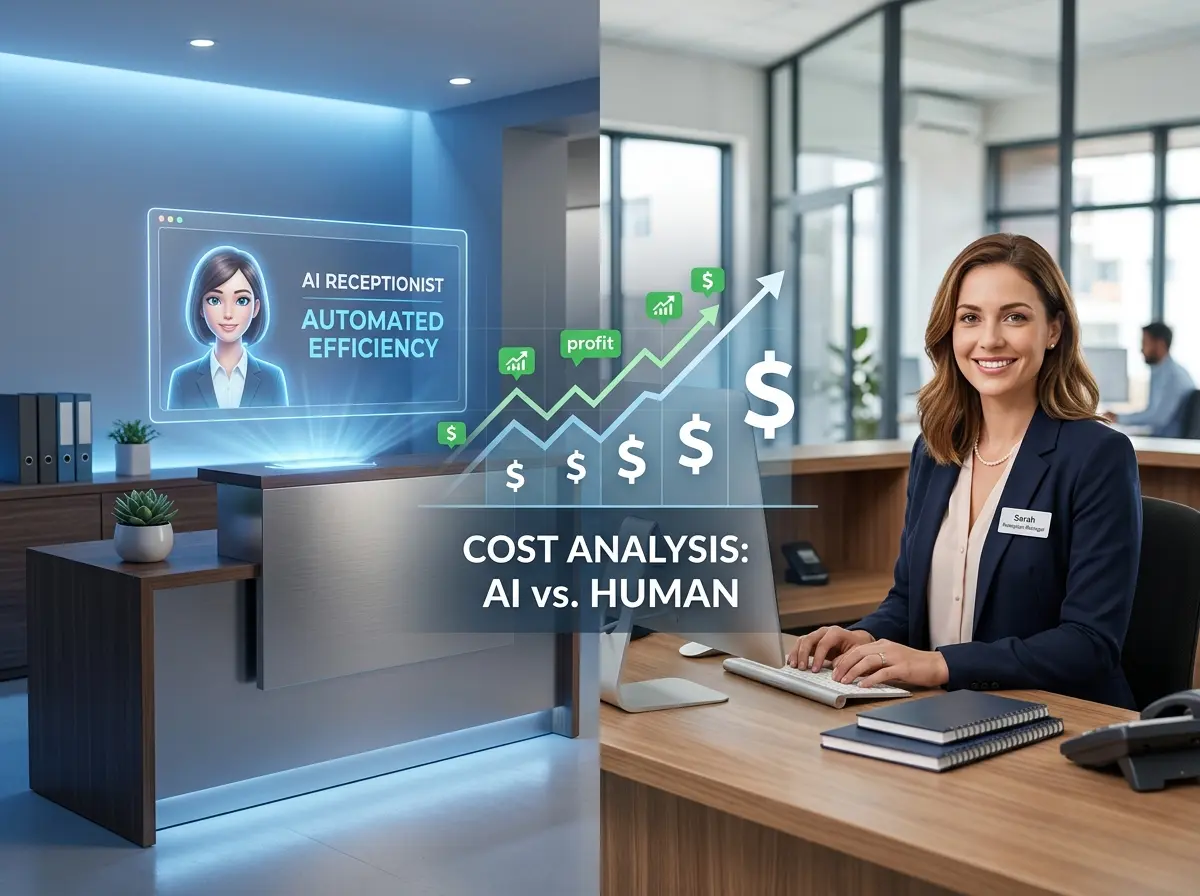
AI receptionists aren't trying to replace human connection. They're trying to handle the volume — the repetitive, time-consuming interactions that don't require a human touch but absolutely require a consistent, professional response. And the cost difference is, frankly, not subtle.
How Stella Fits Into This Conversation
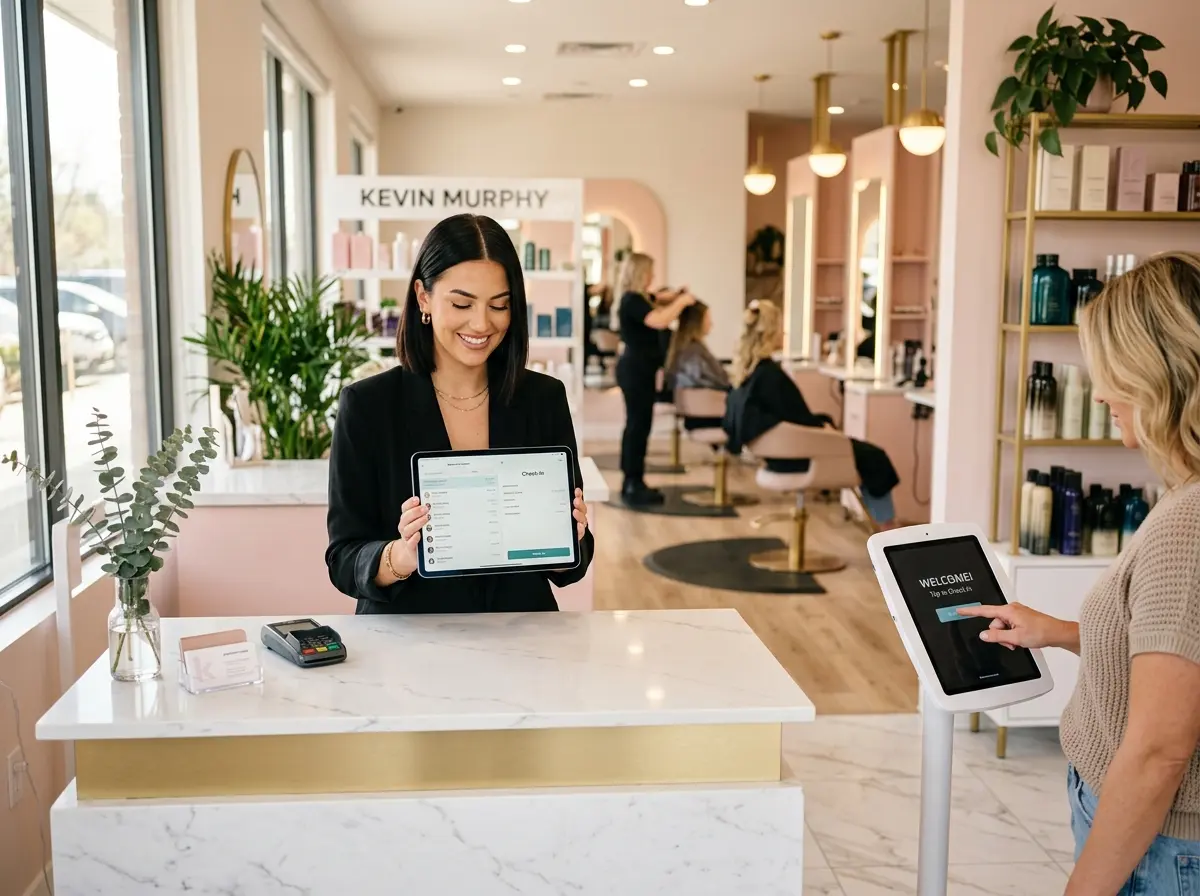
Stella is an AI robot employee and phone receptionist built specifically for businesses like yours. At $99/month with no upfront hardware costs, she handles walk-in customers as a physical in-store kiosk, greets people proactively, promotes current deals, and answers product and service questions — all without a single sick day. She also answers phone calls around the clock, collects customer information through conversational intake forms, and manages contacts through a built-in CRM complete with custom fields, tags, AI-generated profiles, and voicemail summaries sent straight to your phone. For the price of a couple of nice dinners per month, she covers the front desk shifts that would otherwise go unstaffed or understaffed.
What Humans Do Better (And Why That Actually Matters)
Complex Emotional Situations
Judgment Calls and Improvisation
Relationship Building Over Time
Making the Hybrid Model Work for Your Business
The smartest small business owners aren't asking "AI or human?" — they're asking "AI and human, in what ratio, and for which tasks?" A hybrid approach lets you capture the cost efficiency and consistency of AI while preserving human talent for the interactions that genuinely benefit from it.
Identify Your High-Volume, Low-Complexity Touchpoints
Redeploy Human Talent Where It Counts
Use Data to Continuously Improve
A Quick Reminder About Stella
Stella is an AI robot employee and phone receptionist that works for small businesses across dozens of industries — from retail and restaurants to medical offices, law firms, and salons. She shows up as a friendly, human-sized kiosk inside your store and answers your phones 24/7, all for $99/month with no hardware costs and an easy setup process. If you're evaluating what a front desk solution actually looks like in practice, she's worth a closer look.
So What Should You Actually Do?
First, run the numbers on your current front desk costs — including salary, taxes, benefits, and a realistic estimate of turnover costs. Most business owners are surprised by the total when they actually add it up. Second, audit your customer interactions to identify which ones are repetitive, low-complexity, and time-consuming. These are your AI targets. Third, consider whether 24/7 coverage matters to your business — if you're losing leads after hours, that's a quantifiable revenue leak worth solving. Fourth, think about your brand experience — if human warmth is core to your identity, plan for a hybrid model rather than a full replacement.
The bottom line is this: AI receptionists don't make human receptionists obsolete. They make bad coverage obsolete. They eliminate the gaps, reduce the overhead, and handle the volume — so your humans can do the things that actually require being human. For most small businesses, that's not a compromise. That's a competitive advantage.