Let's Talk About the Elephants (and Toddlers) in the Room
Picture this: a serene Tuesday afternoon in your beautifully curated store. The lighting is perfect, the new inventory is sparkling, and a potential high-spending customer is thoughtfully examining a pricey handbag. Suddenly, the peace is shattered by a high-pitched shriek, followed by the unmistakable sound of a dozen glass jars of artisanal jam being re-engineered into a sticky, modern art installation on your polished concrete floor. The potential customer winces, sets down the handbag, and quietly slips out the door.
Ah, the joys of accommodating the shopping parent. We get it. You've poured your soul into creating a specific vibe—be it minimalist-chic, rustic-cozy, or high-end-exclusive. The last thing you want is for it to feel like a chaotic daycare center. But here's a fun little statistic for you: parents with children under 18 control a massive slice of consumer spending. Ignoring them isn't just bad form; it's bad business. The secret isn't to roll out a red carpet made of LEGOs. It's about striking a delicate, brilliant balance: making your space welcoming for families without alienating the adults who came for a quiet, jam-free shopping experience.
The Art of Subtle Distraction: Engaging Kids Without a Ball Pit
The goal is to occupy the child, not completely redecorate your store in primary colors. A child who is bored is a child who is one second away from testing the structural integrity of your displays. A child who is engaged, however, is a parent who is relaxed enough to browse, shop, and spend. Here are a few ways to master the art of subtle, sophisticated distraction.
The "I Spy" & Scavenger Hunt Method
Forget installing a TV that blasts cartoons on a loop. Think simpler. Think classier. A small stack of laminated "Store Scavenger Hunt" cards at the entrance can be a game-changer. The tasks should be simple: "Find something blue," "Count how many plants you can see," or "Find a product that starts with the letter 'S'." This does two magical things: first, it turns a boring chore for the child into an exciting mission. Second, it encourages them to actually look at your merchandise. They're not just running blindly; they're actively scanning your shelves. It's low-cost, non-disruptive, and makes the child feel like a special detective rather than a piece of luggage.
The Designated "Touch Zone"
Let's accept a fundamental truth: kids touch things. It's how they explore the world. You can either spend your day chasing them around, nervously saying "Please don't touch that fragile, one-of-a-kind, irreplaceable thingamajig," or you can redirect that energy. Create a small, designated "Touch Zone." This isn't a playpen; it's a curated corner. A sturdy, low table or a basket filled with things they are allowed to handle—think large, smooth wooden blocks, durable sample products, or textured fabric swatches. By giving them a clear "yes" space, you make the "no" spaces (like your display of hand-blown glass) much easier to enforce. You’re not just preventing breakage; you're empowering the parent to guide their child's curiosity constructively.
The Low-Tech Entertainment Nook
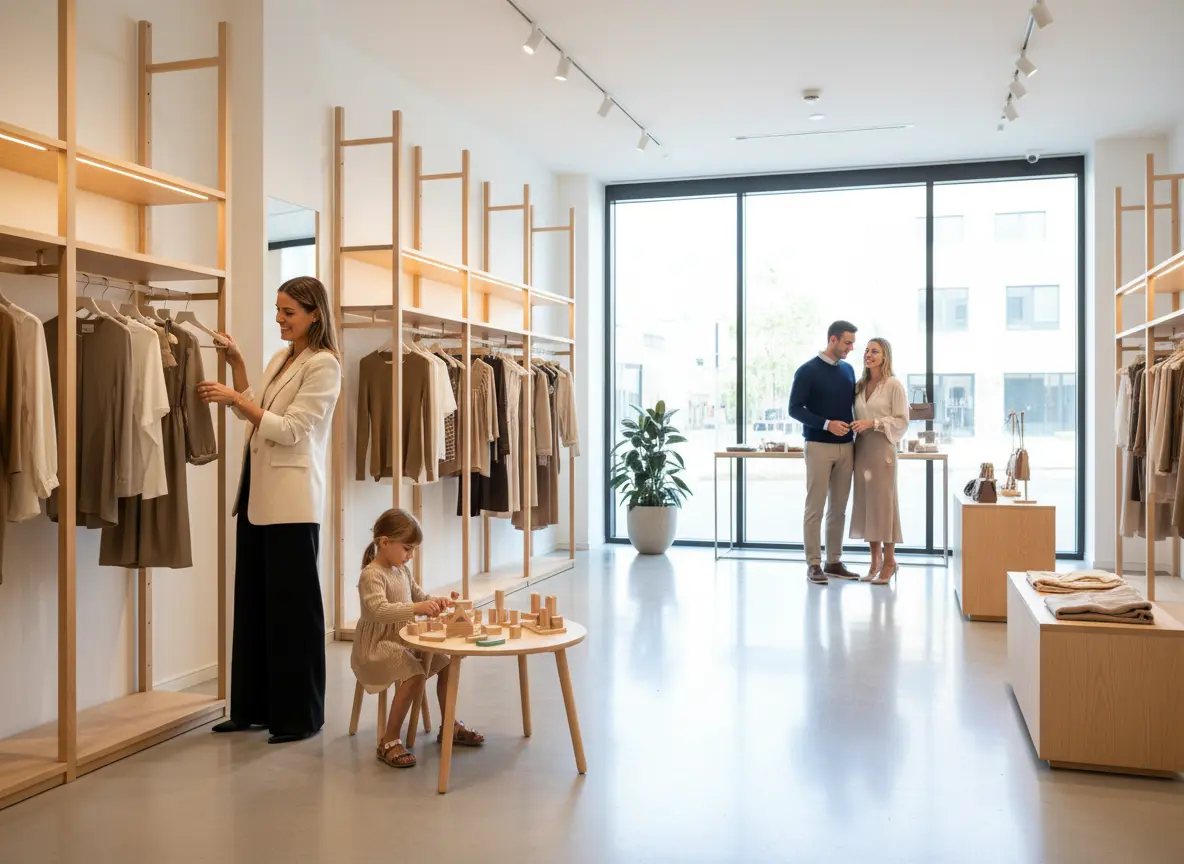
If you have the space, a small, out-of-the-way nook can be a lifesaver. We're talking one child-sized table and two small chairs. Equip it with a jar of crayons and some coloring sheets. Pro tip: make the coloring sheets feature your store's logo or a drawing of one of your products. It's brand reinforcement disguised as a quiet activity. A simple wooden puzzle or a few well-chosen picture books also work wonders. The key is to keep it low-tech and quiet. The goal is calm engagement, not over-stimulation that spills out into the rest of the store.
Your Secret Weapon: An Employee Who Never Gets Tired of Answering "Why?"
Parents often enter a store in a state of frazzled triage—juggling a stroller, a diaper bag, and a small human who has just decided the floor looks delicious. A warm, immediate greeting can de-escalate that stress in seconds. But your staff is often busy with other customers or tasks. This is where a little bit of tech goes a long way.
Greeting, Guiding, and Gently Entertaining
Imagine a friendly presence near your entrance that greets every single family, every single time, with endless patience. This is Stella. She can be programmed to offer a special "Hello, junior shopper!" or share a fun fact, instantly capturing a child's attention and turning a potentially stressful entry into a moment of fun and wonder. While the child is momentarily mesmerized by their new robot friend, the parent has a crucial moment to breathe, get their bearings, and actually start thinking about shopping. Stella can answer their immediate questions—"Where's the new collection?" or "What are your hours?"—without them needing to flag down an employee. It's a perfect way to make families feel seen and welcomed from the second they walk in, all while maintaining a professional and innovative store front.
Designing for Duality: Layouts and Policies for All
A truly family-friendly environment is often invisible to those who don't need it. It's woven into the very fabric of your store's layout and the attitude of your team. It’s about removing friction for parents, which in turn creates a smoother experience for everyone.
The "Stroller-Friendly" Aisle Test
If a parent has to perform a 17-point turn with their stroller just to get down an aisle, they're not going to browse. They're going to give up. Wide, accessible aisles are the single most important physical feature for a parent. It’s not just for those double-wide stroller behemoths; it’s a sign of welcome. It tells them, "We have space for you here." This also has the wonderful side effect of making your store more accessible for customers using wheelchairs, walkers, or other mobility aids. It’s a win-win that elevates the shopping experience for a huge segment of the population.
The Unbreakable Rule of Bottom Shelves
Your bottom two shelves are, from a toddler's perspective, the most interesting part of your entire store. They are at perfect eye-level and within perfect reach of their curious, sticky hands. Unless you truly enjoy the sound of shattering porcelain followed by a guilt-ridden parental apology, this is not the place for your most fragile or expensive items. Use this prime real estate for durable, safe, and lower-cost goods. Better yet, strategically place kid-friendly items here. It’s a simple switch that can prevent countless mini-disasters and might even lead to a few extra "Mom, can I have this?" sales.
Crafting a Family-Forward (But Not Family-Only) Atmosphere
Ultimately, the vibe comes from your people. Train your staff to see a family with young kids not as a threat, but as an opportunity. A simple, genuine smile can do more than any fancy play area. Offering a sticker or a small compliment about the child can instantly put a parent at ease. If you have the facilities, a clean and accessible restroom with a changing table is the gold standard. A survey by the C+R Research group found that 86% of parents are more likely to shop at stores with family-friendly amenities. It shows you understand their reality and respect their needs. It’s not about becoming a family-first store; it’s about being a people-first store, and families are people, too (even the small, loud ones).
A Quick Reminder About Stella
While you're redesigning your store for stroller derbies, remember that consistency is key. Stella is your ever-present, always-professional assistant who ensures every single customer gets a warm welcome and the right information. She frees up your human team to handle the more... unpredictable aspects of retail, like mediating a sibling dispute over a toy or finding the perfect gift for a discerning shopper.
Conclusion: Turn Chaos into Customers
Creating a kid-friendly shopping experience isn’t about surrender; it’s about strategy. It's about making smart, subtle adjustments that remove stress for parents and create a more pleasant environment for everyone. By implementing simple distractions, rethinking your layout, and leading with an attitude of empathy, you can turn a potentially chaotic demographic into your most loyal and vocal customer base.
Your homework? Pick one thing to try this week. Grab a tape measure and check your aisle width. Design a simple scavenger hunt on your computer. Move that display of crystal glasses up one shelf. Because a parent who feels welcome and supported is a parent who stays longer, spends more, and tells their friends. And that, dear retailer, is how you win the game.