The Untapped Revenue Sitting Right Under Your Mower Deck
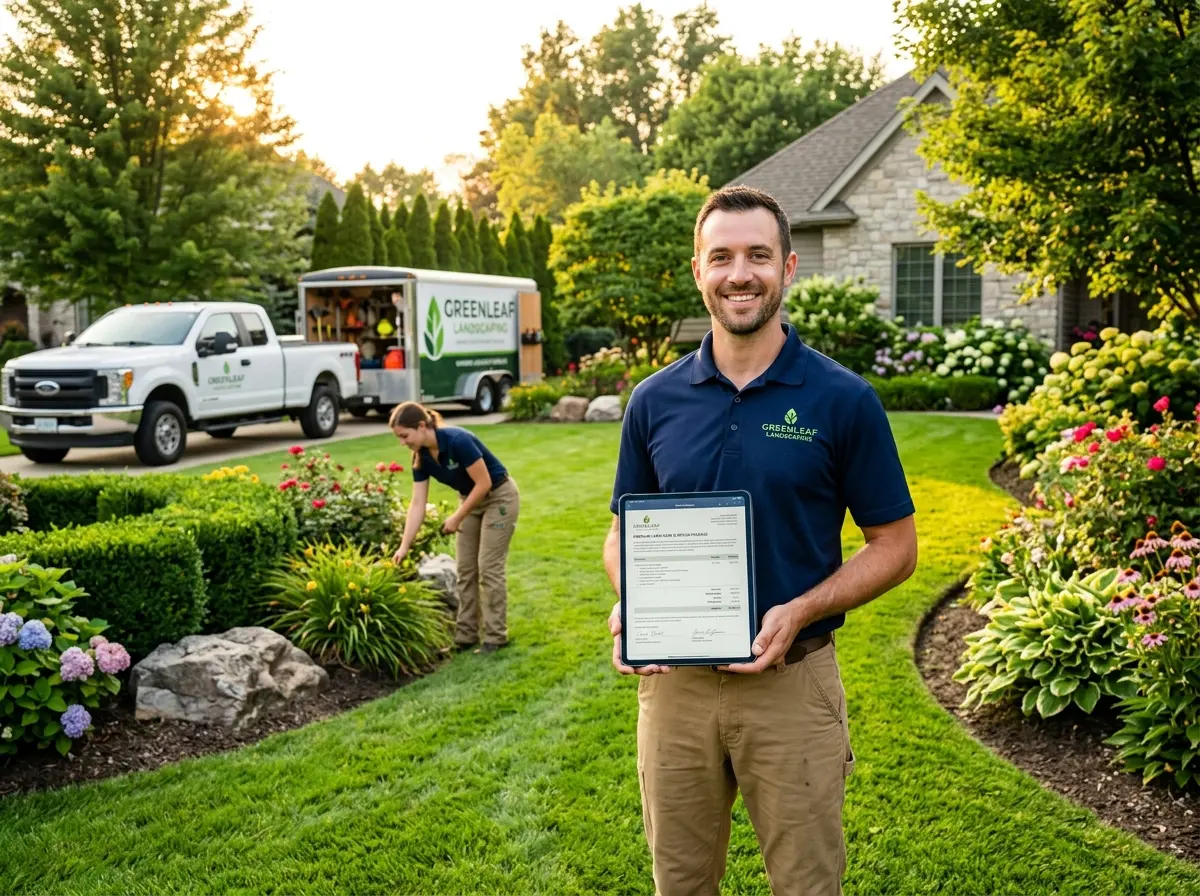
Let's be honest — most landscaping business owners are leaving serious money on the table with every single job they complete. Not because they're bad at business, but because they're so focused on doing great work that they forget to mention all the other great work they could be doing at the same time. A crew shows up, mows, edges, blows the clippings off the driveway, and leaves. Clean, professional, and about $500 short of what that visit could have earned.
Strategic service add-ons aren't a new concept, but most landscaping companies either don't offer them systematically or leave it entirely up to the crew to bring them up — which, no offense to your crew, is roughly as reliable as asking a golden retriever to file your taxes. The good news? With a little structure and intention, adding $500 or more per job is not only possible, it's repeatable. This post breaks down exactly how to make it happen.
Understanding Why Add-Ons Work (and Why Most Companies Miss Them)
The Psychology of the Already-Open Wallet
When a customer has already said yes to a service, they're in a buying mindset. Psychologists call this "commitment and consistency" — once someone decides to invest in their property, they're far more receptive to additional improvements than they would be cold. A homeowner who just approved a $350 lawn maintenance visit isn't thinking about every dollar; they're thinking about how good their yard is going to look. That's your window. Offering a mulch refresh, weed treatment, or seasonal flower bed installation at that moment is not pushy — it's helpful. The key is making sure someone actually asks.
Why Most Crews Don't Upsell (And It's Not Their Fault)
Expecting your mow-and-go crew to become confident sales consultants on the fly is a setup for disappointment. They weren't hired to sell — they were hired to landscape. Without a clear system, prompts, or incentives, upselling simply doesn't happen consistently. Some businesses try training programs, but retention is poor and turnover in this industry makes it an uphill battle. The solution isn't to transform every crew member into a closer; it's to build upselling into the process itself so it happens with or without a sales-savvy employee present.
The Real Cost of Not Offering Add-Ons
Consider this: if your average job is $300 and you complete 15 jobs per week, you're generating $4,500 weekly. Now imagine even half of those customers accept a modest $100 add-on service. That's an extra $750 per week — roughly $39,000 in additional annual revenue from the same number of jobs, the same trucks, and the same crew hours (with slightly extended visit times). The math is almost offensive in how simple it is. The barrier isn't effort; it's structure.
Building Your Add-On Menu the Smart Way
Choose Add-Ons That Make Operational Sense
The best add-ons for a landscaping company share a few traits: they're easy to execute with equipment you already own, they don't require additional trips, and they solve a visible problem the customer can see right now. Top performers in this category include mulch application, fertilization and weed control treatments, gutter cleaning, seasonal color planting, aeration and overseeding, and irrigation check-ups. These services have strong margins, high perceived value, and can often be completed during or immediately after the standard visit. Bundle two or three of these into a "Yard Health Package" and you have a compelling offer that practically sells itself.
Price With Confidence and Transparency
Vague pricing kills sales. Customers who have to ask "how much would that cost?" are customers who often decide it's not worth the friction. Build a simple, printed or digital add-on menu with clear pricing that your team can hand over or that lives on your website and booking confirmation emails. When a customer can see that mulch installation for a standard bed starts at $125, the decision becomes concrete and manageable. Transparent pricing also builds trust — something that goes a long way in an industry where customers have been burned by surprise invoices before.
How Technology Can Handle the Upsell for You
Automating the Ask So You Never Miss an Opportunity
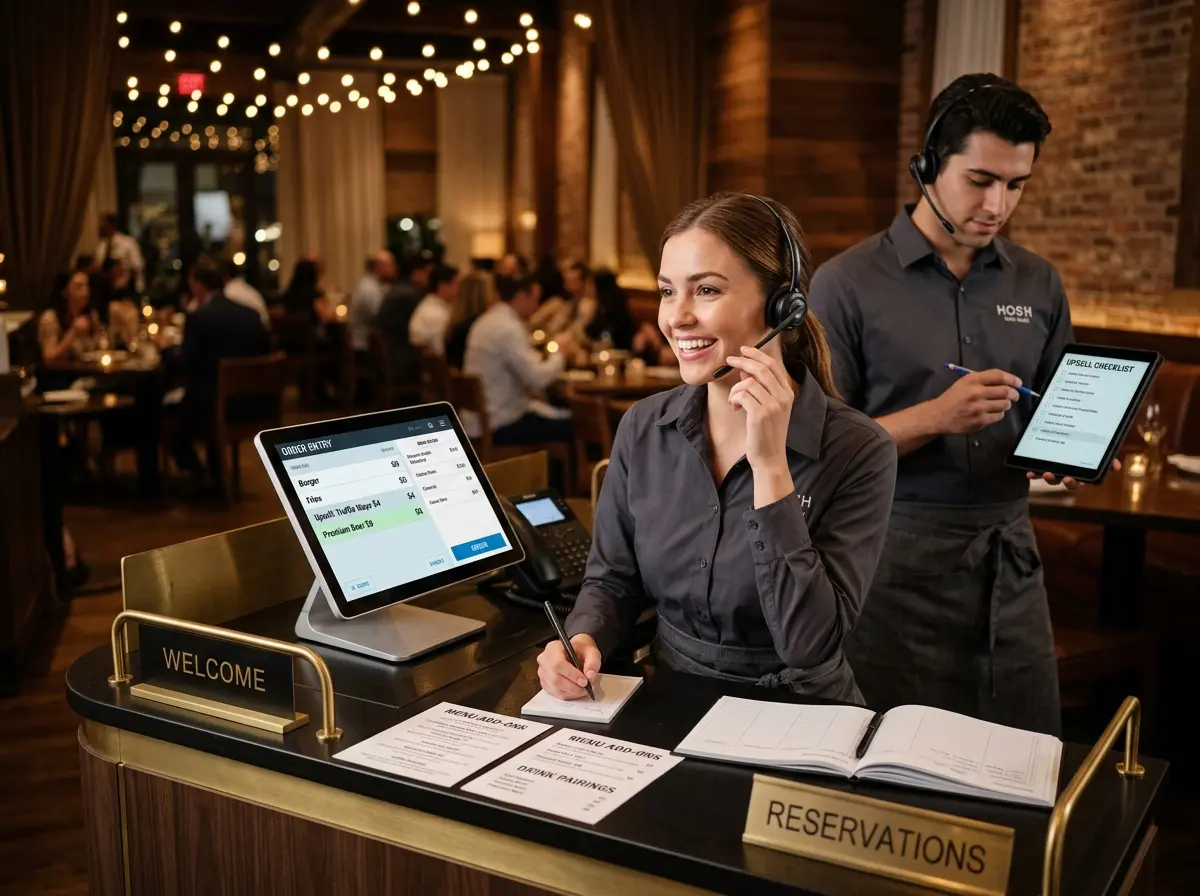
Here's where smart business owners get a real edge: rather than relying on humans to remember to offer add-ons every single time, you can use tools that do it automatically. Stella, the AI robot employee and phone receptionist, is one example of technology that works quietly in the background to make sure every customer interaction includes a mention of relevant services and promotions. For landscaping companies with a physical presence — like a garden center or showroom — Stella stands inside the location and proactively engages walk-in customers, naturally weaving in current offers and service packages. For the phone side of the business (which in landscaping is often the primary customer touchpoint), she answers calls 24/7, answers questions about services and pricing, and can mention add-on packages during the conversation before routing the call or completing an intake form. No commission required. No bad days. No forgetting.
Stella also collects customer information through conversational intake forms and stores everything in a built-in CRM with tags, notes, and AI-generated customer profiles — so you always know which clients have had which services and which ones are overdue for a follow-up offer. For a service business running on repeat customers and seasonal cycles, that kind of organized customer data is genuinely valuable.
Turning Add-Ons Into a Repeatable Revenue System
Create Seasonal Campaigns Around Your Add-Ons
One of the smartest moves a landscaping company can make is to align add-on pushes with the natural rhythm of the season. Spring is perfect for fertilization, mulch refresh, and flower bed prep. Summer opens the door for irrigation checks, pest control treatments, and lawn aeration. Fall is prime time for overseeding, leaf cleanup packages, and pre-emergent weed treatments. Winter brings gutter cleaning, holiday lighting installation, and landscape lighting upgrades. When you market these proactively — through emails, text reminders, or during booking conversations — customers don't feel sold to. They feel informed. And informed customers buy more.
Incentivize Acceptance with Smart Bundling
Customers respond well to bundles when they feel like they're getting a deal. Consider offering a "Spring Kickoff Bundle" that combines standard lawn maintenance with mulch application and fertilization at a price that's 10–15% less than buying each service separately. You still come out ahead because you're increasing the per-visit revenue and reducing the number of return trips needed. Bundles also simplify the customer's decision — instead of evaluating three separate line items, they're just deciding whether the bundle is worth it. Spoiler: most of the time, they decide it is.
Track What's Working and Double Down
Not every add-on will perform equally well across every customer segment, neighborhood, or season. The businesses that grow fastest are the ones tracking their numbers — which add-ons are accepted most often, which promotions drove the most calls, and which customer types are most likely to upgrade. Even basic tracking in a spreadsheet is better than flying blind. If you're using a CRM or customer management tool, you can start tagging customers by service history and identifying patterns that point toward your most profitable upsell opportunities. Data doesn't lie, and it doesn't take vacations.
Quick Reminder About Stella
Stella is an AI robot employee and phone receptionist that works for businesses across virtually every industry — including landscaping, home services, retail, and more. She greets customers, answers calls around the clock, promotes services and specials, and never calls in sick. At just $99/month with no upfront hardware costs, she's the rare business tool that actually costs less than the problem it solves.
Start Capturing the Revenue You're Already Earning
Adding $500 per job isn't about being aggressive or salesy — it's about showing customers the full range of value you can deliver while you're already there. The framework is straightforward: build a smart add-on menu, price it transparently, market it seasonally, and use systems (human or automated) that ensure the offer is made consistently. No single piece of this is complicated. The challenge is doing all of it reliably, week after week, job after job.
Here's your action plan to get started this week:
- Audit your current services and identify five to eight logical add-ons that complement your core offering.
- Build a simple add-on menu with clear, confident pricing and add it to your website, invoices, and booking confirmations.
- Create one seasonal bundle appropriate for the current time of year and start promoting it immediately.
- Set up a tracking method — even a basic spreadsheet — to monitor add-on acceptance rates and identify top performers.
- Explore automation tools that can consistently present add-ons during customer calls and interactions without relying on your crew to remember.
Your customers are already willing to spend more. They just need to be asked. Build the system that asks them every time, and that $500-per-job lift stops being a goal and starts being a Tuesday.