First Impressions Are Everything — Especially When They're Permanent
Let's be honest: your clients are coming to you to look and feel their best. That's a big deal. They're trusting you with their hair, their skin, their nails — sometimes their entire sense of self before a major life event. And yet, far too many salons are still letting new clients walk through the door having exchanged nothing more than a name, a date, and a time slot. No background. No preferences. No idea whether this person is allergic to half your product line.
A formal new client intake conversation isn't just a nice touch — it's a professional necessity. It protects your clients, protects your staff, and frankly, it protects your reputation. The salons that are quietly building loyal, long-term clientele aren't doing it by accident. They're doing it by treating the before as seriously as the during. This post walks you through why that intake conversation matters, what it should cover, and how to make it a seamless part of your booking process without adding more chaos to your already-full plate.
What You Don't Know Can Absolutely Hurt You (and Them)
The Hidden Risks of Skipping the Intake Process
Here's a scenario: a new client books a keratin treatment. She seems perfectly healthy, her hair looks fine, and she's excited. What she didn't mention — because no one asked — is that she's currently taking a medication that makes her scalp hypersensitive to heat and certain chemicals. Three hours later, you have a very unhappy client, a potential liability issue, and a one-star review being typed in real time from your waiting area.
This is not hypothetical. Adverse reactions, allergies, and contraindications are real, documented concerns in professional cosmetology. A structured intake conversation catches these issues before they become incidents. It also uncovers simpler but equally important information: previous chemical treatments, current hair or skin conditions, sensitivities to fragrance, and whether a client has had reactions to similar services elsewhere. This is standard professional practice, and skipping it isn't saving time — it's borrowing trouble.
The Client Experience Begins Before They Sit Down
Studies consistently show that customer loyalty is shaped more by the overall experience than by the core service itself. According to research by PwC, 73% of consumers say experience is a key factor in their purchasing decisions. A thoughtful intake conversation signals something powerful before the appointment even begins: we pay attention here.
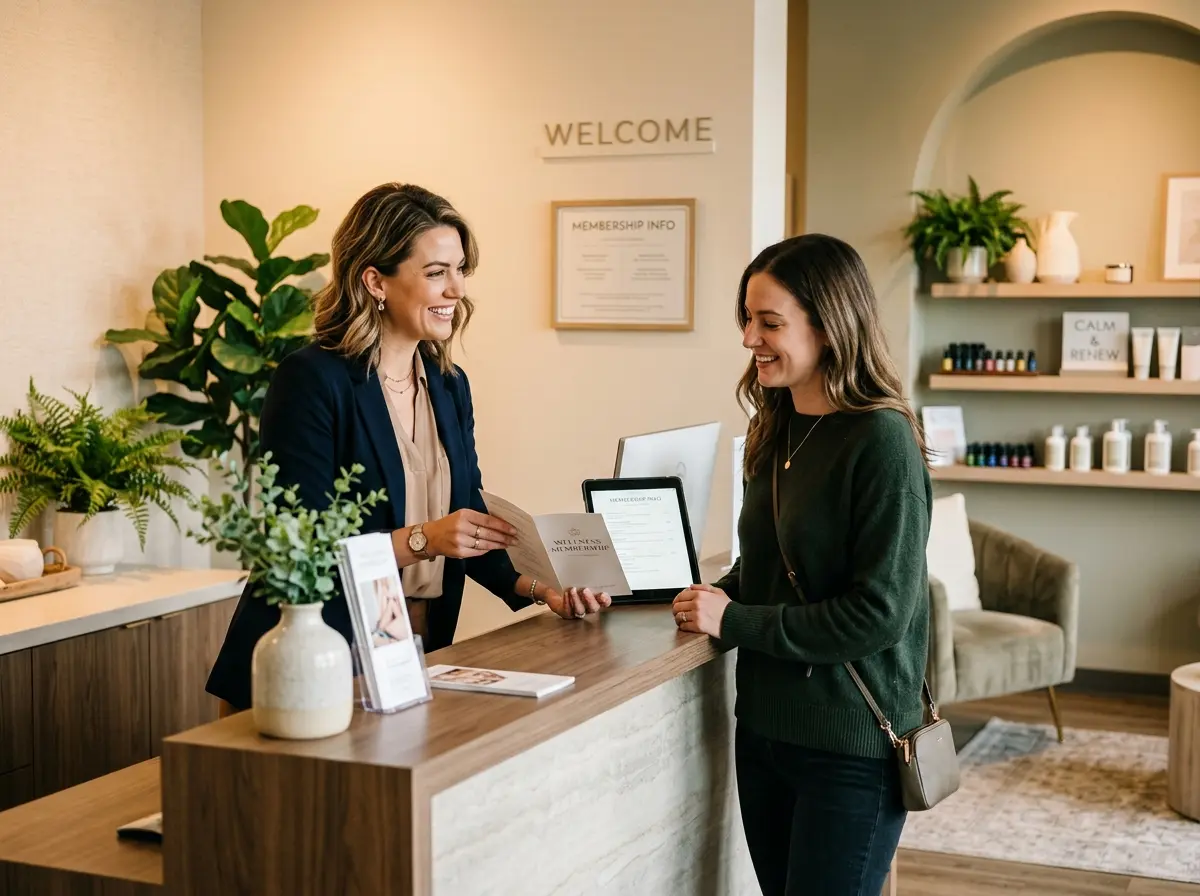
When a new client receives a call or message before their first visit asking about their goals, their history, and their preferences, it communicates professionalism and care. It also gives your stylist or technician a massive head start. Instead of spending the first 10 minutes of a paid appointment doing a rushed consultation, they walk in already knowing what the client wants, what to avoid, and how to make it a home run. That's not just good service — that's efficient, profitable service.
Setting Expectations and Reducing No-Shows
A pre-appointment intake conversation does one more underrated thing: it creates accountability. When a new client has spoken with someone at your salon, answered questions, and received information about what to expect, they are significantly more likely to show up. That human touchpoint — even if it's brief — builds a sense of commitment that a confirmation text alone simply doesn't replicate. No-shows cost the salon industry millions of dollars every year, and while no strategy eliminates them entirely, engagement before the appointment is one of the most effective deterrents available.
Streamlining the Process Without Overloading Your Team
How Technology Can Handle the Heavy Lifting
The most common objection to a formal intake process is a completely understandable one: "We don't have time for that." If your front desk is already juggling walk-ins, ringing phones, and a stylist asking where the foils are, adding structured new client intake calls to the to-do list feels impossible. That's where smart tools make the difference.
Stella, an AI robot employee and phone receptionist, can handle new client intake conversations automatically — by phone, through a web form, or at an in-store kiosk. She collects the information your team needs, stores it in a built-in CRM with custom fields and tags, and generates an AI profile for the client so your staff walks into that first appointment fully prepared. She answers calls 24/7, meaning a client who books at 10 PM on a Sunday can complete their intake right then — no one on your team has to be awake for it. Stella's conversational intake forms feel natural and friendly, not like filling out a DMV application, which means clients actually complete them.
What a Great Intake Conversation Actually Covers
The Essential Questions Every Salon Should Be Asking
A strong intake conversation doesn't need to be lengthy to be effective. The goal is to gather the information that genuinely changes how you serve the client — not to interrogate them before they've even decided if they like you. At minimum, your intake process for new clients should cover the following areas:
- Service history: What services have they had before? How recently? Any chemical treatments in the past 6–12 months?
- Allergies and sensitivities: Known reactions to products, fragrances, dyes, or ingredients? Any skin or scalp conditions?
- Current health considerations: Medications, pregnancy, or conditions that may affect treatment outcomes or safety?
- Goals and expectations: What are they hoping to achieve? Do they have reference photos? What's their maintenance preference?
- Lifestyle context: How much time do they spend styling daily? Are they active, frequently outdoors, or exposed to chlorine or saltwater?
These questions aren't intrusive — they're exactly what a thoughtful professional would want to know. Frame them that way, and clients will appreciate the thoroughness rather than bristle at it.
Turning Intake Data Into a Better Service Experience
Collecting information is only valuable if it's actually used. That means your intake responses need to be accessible to the service provider before the appointment begins — not buried in an email thread or scribbled on a sticky note that migrates to the recycling bin. Whatever system you use to capture intake information, it needs to live somewhere your team can actually find it, review it, and act on it.
When intake data is organized and accessible, remarkable things happen. Stylists can prepare products in advance. Technicians can flag a service modification before the client even arrives. Front desk staff can reference a client's preferences when they call to book their second appointment, making that person feel remembered and valued. This is how salons build the kind of client relationships that generate referrals, repeat visits, and five-star reviews — not through luck, but through intentional, informed service delivery.
Making It a Conversation, Not a Form
The word "intake" can make the whole thing sound clinical, but it doesn't have to feel that way. The best intake processes are warm, conversational, and brand-appropriate. If your salon has a relaxed, friendly vibe, your intake conversation should reflect that. If you run a high-end, luxury brand, the tone should be polished and attentive. Either way, the goal is to make the client feel like you're genuinely interested in them as a person — because you should be. A short, friendly phone call or a well-designed conversational flow accomplishes this far better than a generic PDF form with checkboxes, which approximately half your clients will abandon before finishing.
Quick Reminder About Stella
Stella is an AI robot employee and phone receptionist built for businesses exactly like yours. She greets clients at your physical kiosk, answers phone calls around the clock, and conducts conversational intake forms that feed directly into a built-in CRM — so your team always has the context they need, without having to chase it down. At $99/month with no hardware costs upfront, she's the front desk upgrade most salons didn't know they could afford.
Start Before They Sit Down
The first appointment sets the tone for the entire client relationship. When a new client arrives and your team already knows their history, their goals, their sensitivities, and their preferences, that appointment doesn't just go well — it goes exceptionally well. And an exceptional first experience is what turns a one-time booking into a standing appointment for the next five years.
Here's how to get started:
- Audit your current process. Are you collecting any intake information before first appointments? If not, that's step one. If yes, is it consistent and actually usable?
- Define your core intake questions. Use the framework above as a starting point and customize it for your specific services.
- Choose the right delivery method. Whether it's a phone call, an automated conversational intake, or a combination, make sure it happens before the client walks in — not during their appointment.
- Make sure the data lands somewhere useful. A CRM with client profiles is the difference between collecting information and actually leveraging it.
- Train your team to use it. The intake conversation is only as valuable as what your service providers do with the information it provides.
Your clients are choosing your salon because they trust you. Give them every reason to feel that trust was well placed — starting with the conversation that happens before they ever set foot in your chair.