Introduction: The Awkward Dance of Selling Without Selling
Picture this: A client settles into your barber chair, fresh cape draped over their shoulders, and you're halfway through a perfect fade when you glance at the shelf stocked with pomades, beard oils, and styling creams that have been sitting there since approximately the last presidential election. You know they'd love that matte clay. You know their beard could desperately use that conditioning oil. But the moment you open your mouth to suggest it, something shifts — and suddenly you feel less like a skilled barber and more like a used car salesman in a smock.
Here's the uncomfortable truth: most barbershops leave thousands of dollars on the table every year simply because nobody taught them how to recommend retail products in a way that feels natural. According to industry data, barbershops that actively sell retail products can increase their revenue by 20–30% without adding a single new client. That's not a small number. That's a vacation. That's new equipment. That's a second chair.
The good news? Selling grooming products doesn't have to feel pushy, awkward, or out of character for your shop. It just requires a smarter approach — one that focuses on education, trust, and the right systems to make recommendations feel effortless. Let's break it down.
Building a Culture of Recommendation (Not Sales Pressure)
The reason most barbers hate selling products is because they're thinking about it wrong. The goal isn't to move inventory — it's to give clients the tools to maintain the look you just spent 30 minutes perfecting. Once you reframe it that way, everything changes. You're not a salesperson. You're an expert finishing the job properly.
Make Product Talk Part of the Service, Not an Add-On
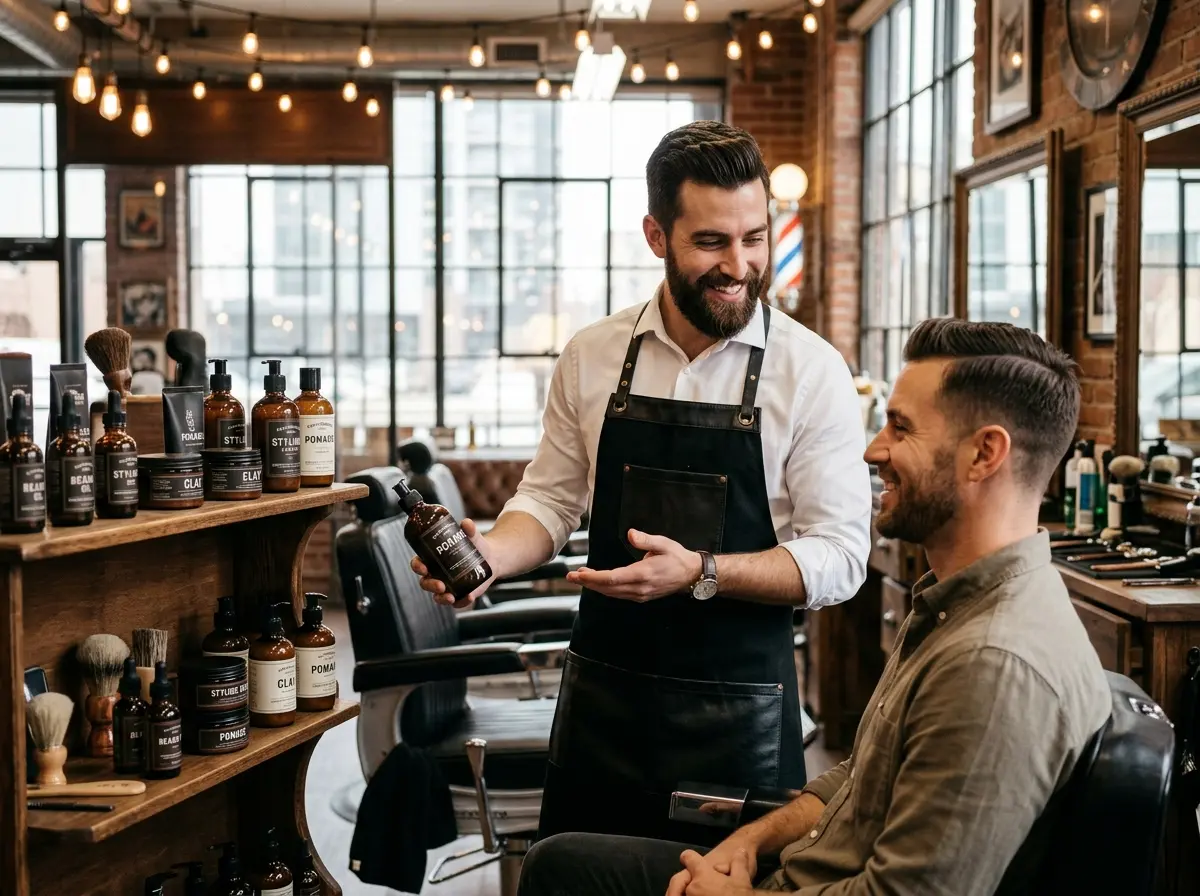
The easiest way to recommend a product without it feeling like a pitch is to introduce it while you're using it. While working a styling cream through a client's hair, simply say, "I'm using this matte clay right now — it gives you that natural hold without the crunch. Perfect for your hair type." That's it. No pressure, no pitch, no awkward pause. You've described what it does, why it suits them personally, and you've demonstrated it in real time. Clients are significantly more likely to purchase a product they've already experienced on their own hair than one presented cold from a shelf.
Make this a habit with every client. Work product mentions into your process naturally — not as a scripted upsell, but as part of the conversation you're already having.
Train Your Team to Know the Products Cold
Nothing kills a product recommendation faster than uncertainty. If a client asks, "What's the difference between this pomade and that one?" and the answer is a shrug and a "they're both good," the sale is dead. Invest time in proper product knowledge training for your entire team. Hold a monthly 15-minute product briefing, have reps come in for demonstrations, or simply require everyone to try each product themselves. When your barbers can speak confidently about hold strength, ingredients, scent profiles, and application techniques, recommendations come out sounding like expertise — because they are.
Let the Shelf Do Some of the Work
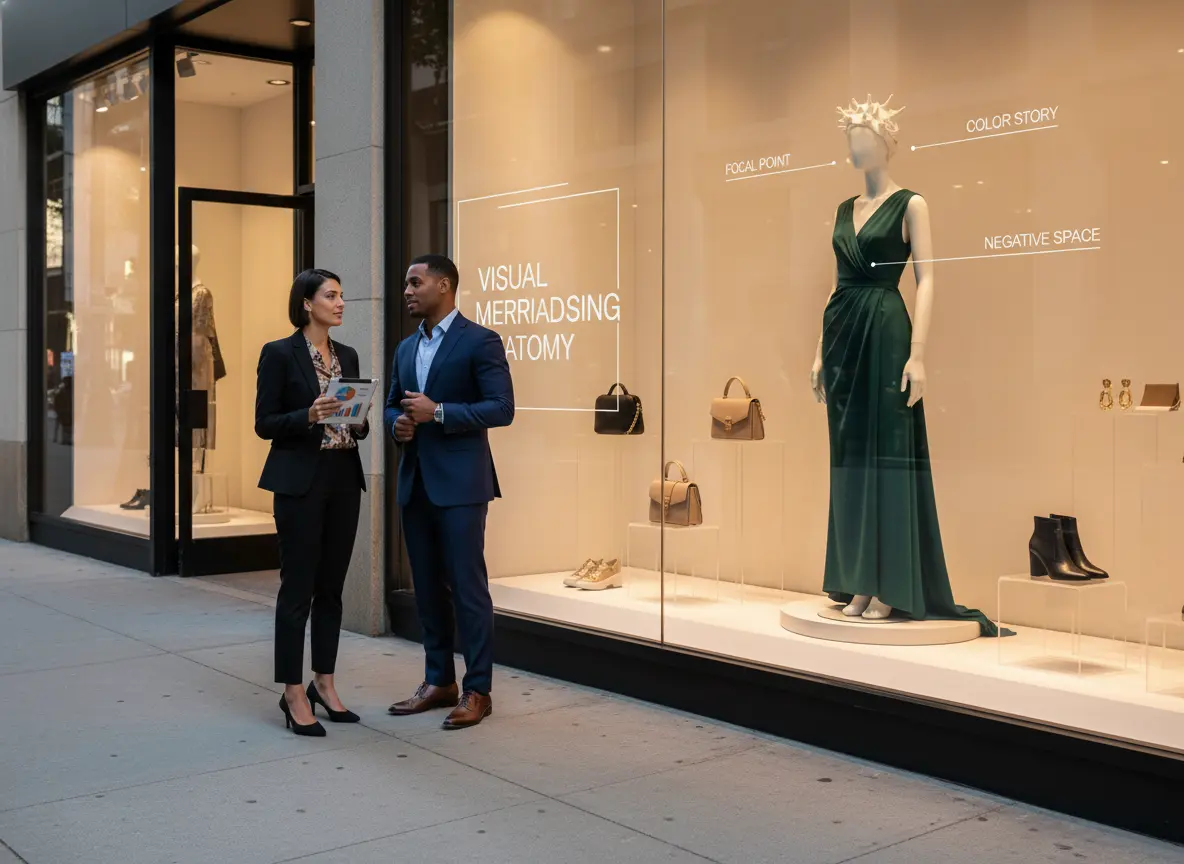
Your retail display is either helping you sell or silently hurting you. A dusty, disorganized shelf tucked in the corner sends a message that you don't really believe in what you're selling. A well-lit, curated display near the register or in a client's sightline sends a completely different message. Group products by use case — "for beard care," "for styling," "for scalp health" — and include short handwritten or printed cards with brief descriptions. Clients browse while they wait, and a little visual merchandising can start the conversation before anyone says a word.
How the Right Tools Make Product Selling Easier
Even with the best intentions and the most naturally gifted conversationalists on your team, there's a practical problem: your barbers are busy cutting hair. They can't always stop to walk a waiting client through your product lineup, answer a phone call about which beard oil you carry, or remember to follow up with a client who expressed interest in a specific product last visit. That's where smart systems save the day.
Let Technology Handle the Repetitive Stuff
Stella, the AI robot employee and phone receptionist, can take on a surprising amount of the product promotion legwork that typically falls through the cracks. As an in-store kiosk presence, she can proactively engage walk-ins and waiting clients — answering questions about your product offerings, describing what each item does, and highlighting any current promotions or bundle deals. Meanwhile, when someone calls your shop to ask whether you carry a specific brand or what you'd recommend for thinning hair, Stella handles that call professionally and knowledgeably, 24/7, so your barbers stay focused on the client in the chair. For a flat $99/month, it's the kind of consistent, always-on support that doesn't call in sick or forget the product details you trained into her.
Structuring Promotions That Actually Drive Retail Sales
Random discounts don't build retail habits — smart promotions do. If you want clients to start buying grooming products consistently, you need a promotional strategy that introduces them to products in a low-risk way and rewards the behavior you want to see.
Bundle Services With Products Strategically
One of the most effective tactics in barbershop retail is the service-and-product bundle. Offer a "Fresh Cut Package" that includes the haircut plus a travel-size version of whatever styling product you used — at a slight discount compared to buying both separately. This does several things at once: it gets the product into the client's hands, lets them experience it at home, and dramatically increases the likelihood they'll come back to purchase the full size. Sampling is one of the oldest and most reliable tactics in retail for a reason. People buy what they've already decided they like.
Use Loyalty Programs to Build Purchase Habits
If you have a loyalty or rewards program, make sure retail purchases earn points alongside services. Many barbershops limit rewards to haircuts and miss the opportunity to reinforce the buying habit for products. Even a simple punch card — "buy five products, get one free" — creates a reason to choose your shelf over Amazon. And since you're already building a relationship with each client, the odds of them choosing you over a faceless online retailer are higher than you might think. They just need a small nudge and a reason to feel like they're getting something out of it.
Seasonal and Occasion-Based Promotions Work Brilliantly
Father's Day grooming kits. Back-to-school styling bundles. Holiday gift sets. These practically sell themselves when marketed correctly. Clients who would never browse your retail shelf on a regular Tuesday will absolutely pick up a pre-packaged gift set in December. Build these bundles ahead of time, display them prominently, and make sure your team — and your front-of-house systems — are actively mentioning them to every client who comes through the door during those windows. Timing matters, and a little seasonal creativity can generate a meaningful spike in retail revenue with minimal effort.
Quick Reminder About Stella
Stella is an AI robot employee and phone receptionist designed to work alongside your team — greeting clients in-store, answering calls around the clock, promoting your products and specials, and making sure no customer question goes unanswered. She's available for $99/month with no hardware costs and no learning curve. If your shop could use a reliable, always-on team member who never has an off day, she's worth a serious look.
Conclusion: Start Small, Stay Consistent, and Watch the Numbers Move
Selling grooming products in your barbershop doesn't require a personality transplant or a crash course in high-pressure sales tactics. It requires three things done consistently: natural, service-integrated recommendations from staff who genuinely know the products; a retail environment that's organized, attractive, and easy to browse; and promotional structures that give clients a low-friction reason to try something new.
Here's where to start this week:
- Audit your retail display. Is it visible, clean, and organized by use case? If not, spend 30 minutes fixing it before your next shift.
- Pick one product per barber to actively mention during services this week — not to sell, but to explain while using it.
- Design one simple bundle that pairs a service with a product at a slight discount. Test it for 30 days and track the results.
- Look at your incoming calls and waiting client experience. Are opportunities to discuss products being missed? If so, consider what tools — human or AI — could fill that gap.
The barbershop that masters retail doesn't just cut hair better than the competition — it builds a more resilient, more profitable business. Your clients already trust your hands with their heads. Trusting your recommendations about what to put in their hair afterward? That's a much easier sell than you think.