Introduction: Because Your Customers Deserve Better Than a Distracted "Be Right With You!"
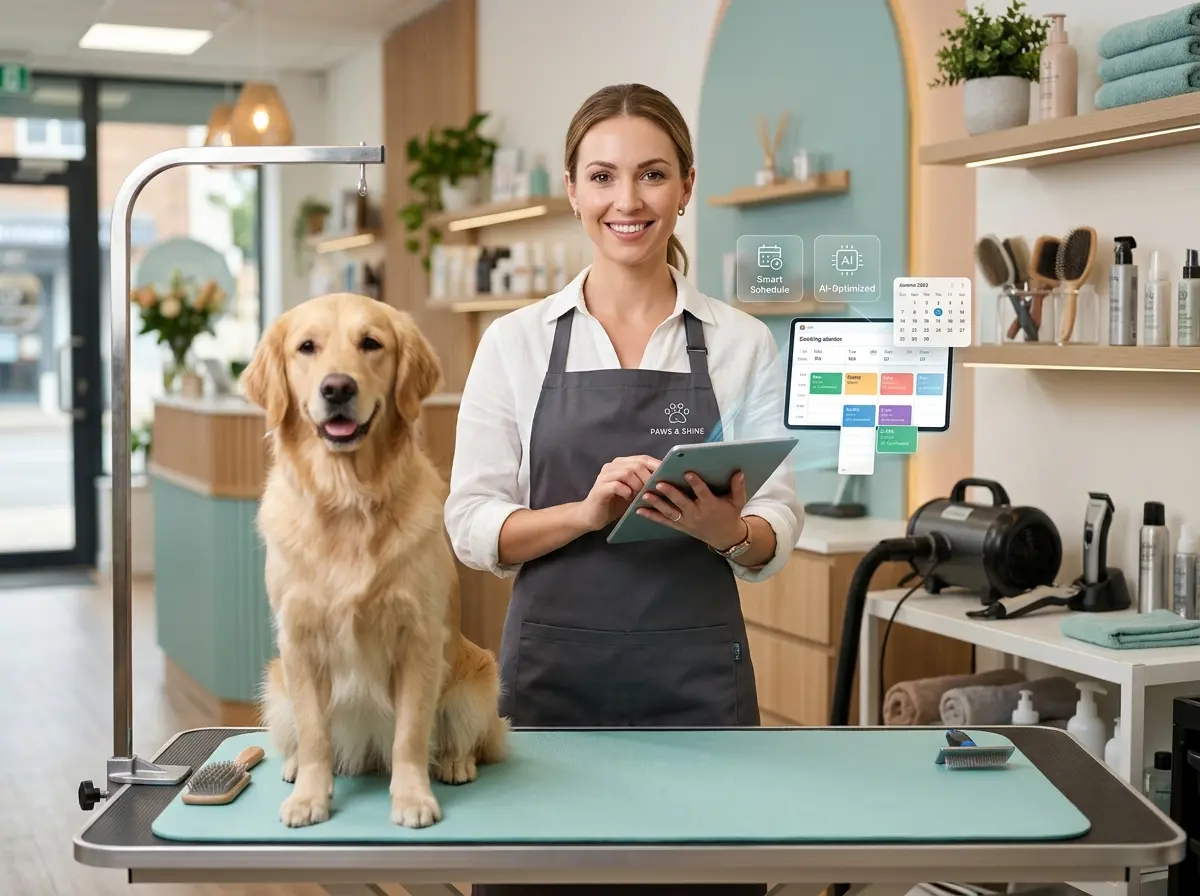
Let's be honest — running a pet store is a lot. You've got fish tanks that need monitoring, exotic reptiles that need feeding, and a golden retriever in the grooming suite who just decided he's not a fan of Tuesdays. The last thing you have time for is making sure every single customer who walks through your door feels like the most important person in the room. And yet, somehow, that's exactly what they expect.
Here's the uncomfortable truth: customers who feel ignored leave. And they don't just leave quietly — they leave reviews. According to a study by Salesforce, 89% of consumers are more likely to make another purchase after a positive customer experience. Flip that around, and you've got a very compelling reason to stop letting customers wander your aisles like confused tourists while your staff debates which brand of cat food is superior.
The good news? Creating an unforgettable customer experience in your pet store doesn't require a complete overhaul of your business or a team of customer service ninjas. It requires intentionality, consistency, and a few smart strategies — some of which might just involve a little technological help. Let's dig in.
Setting the Stage: First Impressions That Don't Bite
The Greeting Game: You Only Get One Chance
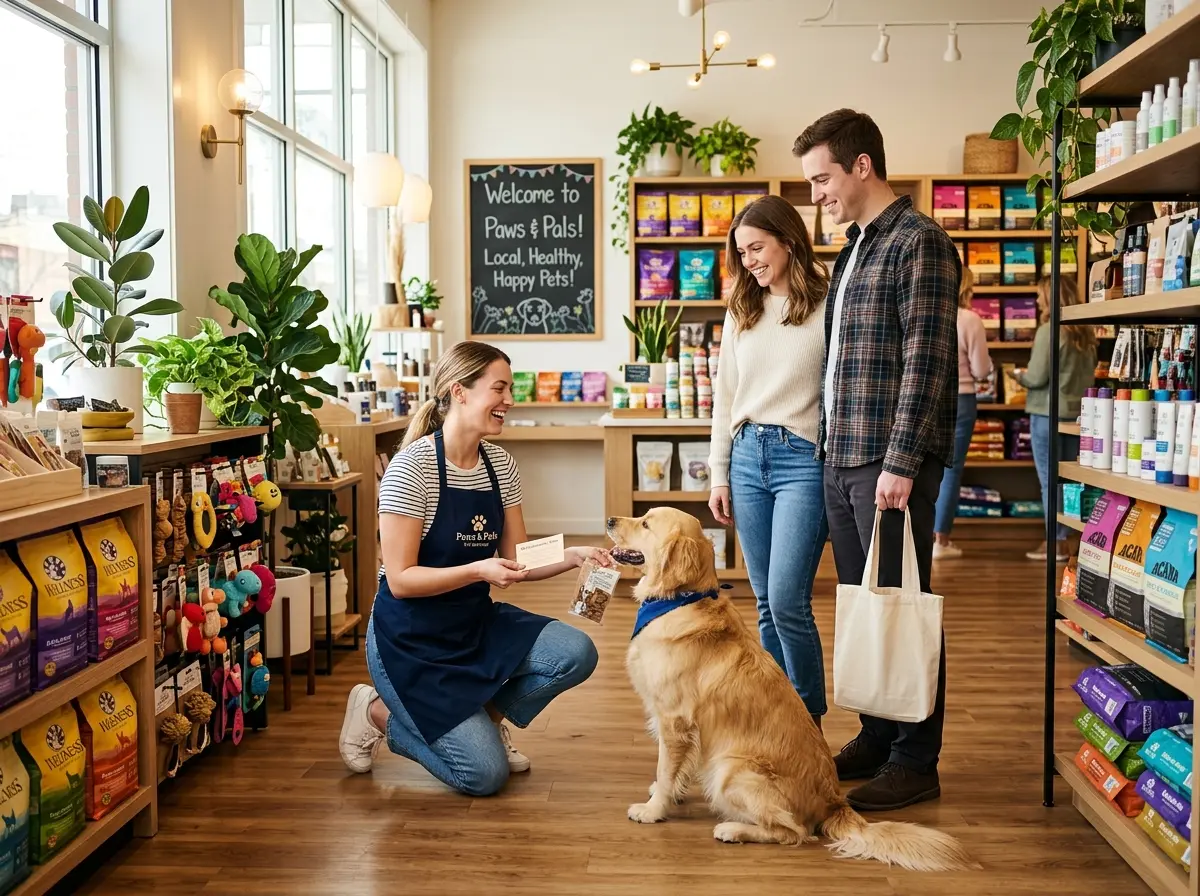
Walk into any great retail experience and notice what happens in the first fifteen seconds. Someone acknowledges you. Not in a "security is watching you" kind of way — in a "welcome, we're glad you're here" kind of way. In a pet store, this is both easier and more critical than in most retail environments, because your customers are emotionally invested before they even walk in. They're here for their fur baby, their scaly companion, or the fish their kid has already named "Bubbles."
Train your staff to greet every customer within thirty seconds of entering the store — not with a robotic "Can I help you?" but with something genuine. "Are you shopping for anyone specific today?" or "Is that a new puppy I can help you shop for?" opens a conversation. It signals that your team is knowledgeable, approachable, and not just counting down to their lunch break.
Store Layout: Let the Journey Sell for You
Your store layout is a silent salesperson that works every hour you're open. Smart pet store owners use a few tried-and-true principles borrowed from larger retail chains: place high-demand essentials like food and litter toward the back, forcing customers to walk past accessories, toys, and treats they didn't know they needed. Use end caps strategically for seasonal promotions or new arrivals.
Signage matters more than most independent retailers realize. Clear, friendly, and occasionally witty signs not only help customers navigate — they reinforce your brand personality. A sign that reads "Spoil Your Dog. He Deserves It. (You Know He Does.)" above a premium treat display does more selling than a staff member ever could without saying a word.
Sensory Experience: Yes, Even the Smell
Pet stores carry a unique olfactory challenge. You know what we're talking about. Investing in proper ventilation, regular cleaning schedules, and pleasant ambient scents near the front of the store can make the difference between a customer who lingers and one who speed-walks to the register. Add soft background music — studies suggest that slower tempo music encourages customers to spend more time (and money) in stores. Create an environment your customers want to stay in, not escape from.
The Smart Store: Using Technology to Enhance Every Interaction
Let Technology Handle the Repeat Questions (So Your Staff Doesn't Lose Their Minds)
Every pet store has its version of "the usual suspects" — questions your staff answers seventeen times a day. "What's the best food for a senior dog?" "Do you carry XYZ brand?" "What are your grooming hours?" These questions are completely valid, but they're also pulling your team away from higher-value interactions. This is where a little AI muscle can carry the load.
Stella is a friendly AI robot kiosk and phone receptionist designed for exactly this kind of environment. Standing inside your store, she greets customers proactively, answers product and service questions, promotes current specials, and even upsells and cross-sells related items — all without needing a coffee break or a pep talk. She's also your 24/7 phone receptionist, answering calls after hours, collecting customer information through conversational intake forms, and forwarding calls to human staff when the situation calls for a human touch. Her built-in CRM lets you track customer interactions, tag preferences, and build the kind of personalized relationship data that turns one-time buyers into regulars. For a pet store managing grooming appointments, loyalty customers, and seasonal promotions all at once, that's not just convenient — it's a competitive advantage.
Turning Transactions Into Relationships: The Loyalty Loop
Know Your Customers by Name (or at Least by Pet)
There is no more powerful phrase in retail than someone's name — except, in a pet store, it might actually be their pet's name. When a customer comes in and your staff remembers that their cat, Mr. Whiskers, has a sensitive stomach and only eats grain-free food, that customer is yours for life. Building this kind of relational knowledge requires systems, not just good memory.
Whether you use a CRM, a loyalty program, or even well-organized staff notes, the goal is the same: make every returning customer feel recognized. Some pet stores have found success with simple loyalty punch cards tied to a customer profile that tracks purchase history. Others have moved to digital loyalty apps. The method matters less than the consistency — every customer touchpoint should be an opportunity to learn something useful and use it to serve them better next time.
Follow-Up That Doesn't Feel Like Spam
Most pet store owners collect email addresses at checkout and then proceed to do absolutely nothing with them, which is a missed opportunity of remarkable proportions. A thoughtful follow-up strategy doesn't require a marketing degree — it requires relevance. Send a reminder when a customer's pet food order is likely running low based on bag size and purchase date. Reach out before flea season with a helpful guide and a promotion on preventatives. Acknowledge a pet's birthday if your loyalty program captures it.
These touchpoints feel personal because they are personal. Customers don't unsubscribe from emails that feel like they were written for them — they unsubscribe from blasts that feel like they were written for everyone and no one at the same time. The difference is data, thoughtfulness, and a genuine desire to be useful rather than just promotional.
Community Building: Your Store as a Hub, Not Just a Shop
The most beloved pet stores aren't just places to buy things — they're gathering spots for a community of people who share an irrational (and completely justified) love of animals. Consider hosting events: adoption days in partnership with local shelters, pet nutrition workshops, puppy socialization hours, or seasonal costume contests that will fill your social media feed with exactly the content it needs. These events drive foot traffic, generate word-of-mouth, and build the kind of emotional connection to your brand that no advertisement can replicate.
Partner with local veterinarians, trainers, and groomers to offer value-added programming. When your store becomes a trusted hub for pet owners in your community, your competitors become largely irrelevant — because you're not just selling products, you're offering belonging.
Quick Reminder About Stella
Stella is an AI robot employee and phone receptionist built for businesses like yours — she greets customers in-store, answers calls 24/7, promotes your specials, and helps manage customer relationships through her built-in CRM, all for just $99/month with no upfront hardware costs. She's the team member who's always on, always professional, and never calls in sick the day before a holiday weekend. If you haven't explored what she can do for your pet store, it's worth a look.
Conclusion: The Experience Is the Product
Here's the thing about pet store customers — they have options. Online retailers will happily ship food, toys, and accessories directly to their door with free two-day shipping and zero small talk required. The reason they walk into your store is because they want something Amazon can't offer: expertise, community, experience, and the faint hope that someone will admire their photos of their new rescue pup.
Your action plan is straightforward. Start with your first impression — audit your greeting process, your layout, and your store environment this week. Then look at your systems: are you capturing customer information, following up meaningfully, and using technology to free your staff for the high-value interactions only humans can provide? Finally, invest in community — because a customer who feels like they belong to something will never feel the need to shop elsewhere.
Creating a paws-itively unforgettable customer experience isn't about perfection. It's about consistency, intentionality, and genuinely caring about the people (and pets) you serve. Do that well, and you won't just have customers — you'll have advocates. And in the pet industry, a glowing recommendation from one devoted dog mom to her entire social circle is worth more than any marketing budget you could throw at the problem.
Now go make something worth talking about. Mr. Whiskers is counting on you.