So You're Running a Consignment Shop — Let's Talk Paperwork
Running a second-hand retail store is part treasure hunt, part relationship management, and — if you're not careful — part legal nightmare. You've got consignors dropping off everything from vintage Levi's to great-grandmother's china, and somewhere between "sure, I'll take it!" and "here's your check," a lot of things can go sideways without the right agreement in place.
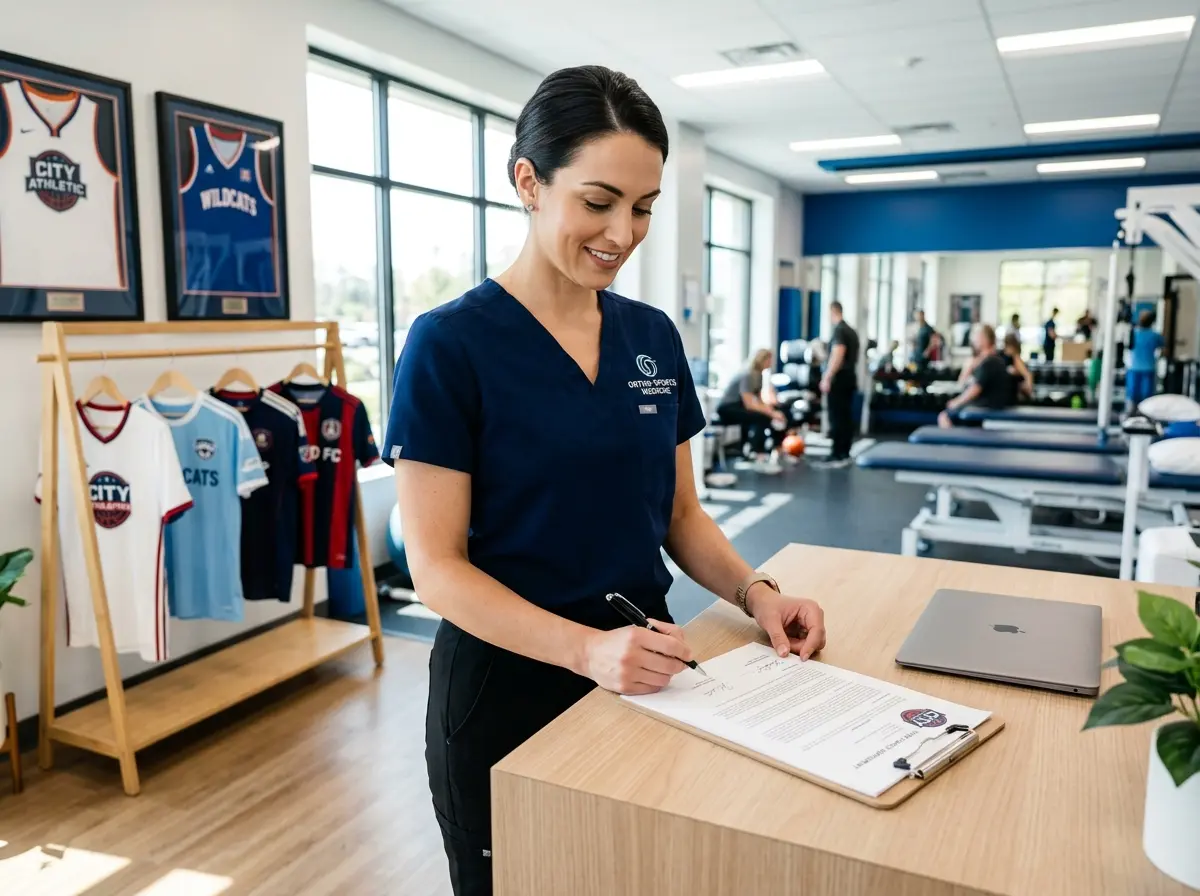
Enter: the consignor contract. Not exactly the most thrilling topic on a Tuesday morning, but stick with us, because a well-crafted consignment agreement is the backbone of a healthy consignment business. It protects you, it protects your consignors, and it keeps everyone from having an uncomfortable conversation when that ceramic rooster "mysteriously disappeared" from the display shelf.
Whether you're opening your first shop or you've been running one for years with a handshake-and-a-prayer system, this post will walk you through what to include in a solid consignor contract — plus a template to get you started.
The Essential Elements of a Consignor Contract
Basic Identification and Item Details
Every consignment agreement should start with the basics: who's involved and what's being left behind. This means capturing the full legal name, address, phone number, and email of the consignor, along with a clear description of the items being consigned. Don't just write "clothes." Write "3 women's blouses, size M, brands: J.Crew, Ann Taylor, Banana Republic." The more specific, the better — for both record-keeping and dispute resolution.
Include an item intake form as part of the contract process, where each item gets logged with a description, condition rating, agreed-upon selling price, and a unique SKU or tag number. This isn't busywork; this is your paper trail when a consignor comes in three months later insisting that a cashmere sweater was priced at $85, not $45.
Payment Terms and Commission Structure
This is where things get real. Your contract must clearly spell out how revenue is split, when consignors get paid, and how payment is issued. A typical consignment split runs anywhere from 40/60 to 50/50 (consignor/store), though this varies widely by industry, location, and item category. Whatever your structure, put it in writing — every time.
Your payment section should address the following:
- Commission percentage — What cut does the consignor receive?
- Payment schedule — Monthly? Upon sale? After a minimum threshold?
- Payment method — Check, store credit, direct deposit?
- Minimum payout amounts — Do you hold balances under $10 until the next cycle?
- Unclaimed funds policy — What happens if a consignor never picks up their check?
Laying all of this out upfront prevents the dreaded "but I thought I was getting paid last week" conversation — which, trust us, nobody enjoys.
Consignment Period and Item Disposition
How long will you hold items before reducing the price or donating them? This is your consignment period, and it needs to be defined clearly. Common structures include a 60 or 90-day window, after which prices are reduced by a set percentage (say, 25%), and after another 30 days, unsold items are either returned to the consignor or donated to charity.
The contract should also state what happens if a consignor wants their items back before the consignment period ends. Some shops charge a pull fee; others allow early retrieval with notice. Whatever your policy, document it. Vague terms are where disputes are born.
Protecting Your Business — and Your Consignors
Liability, Loss, and Damage Clauses
Theft happens. Items get damaged. Sprinkler systems malfunction at the worst possible moment. Your contract needs a liability clause that clearly outlines the store's responsibility (or lack thereof) in the event of loss, theft, fire, flood, or other mishaps. Most consignment stores operate under a policy of limited liability — meaning they are not responsible for items that are lost, stolen, or damaged while on consignment. If that's your policy, say so explicitly in the contract.
That said, it's worth investing in business insurance that covers consigned inventory, and you should consult with a local attorney to make sure your liability language holds up in your jurisdiction. A $300 consultation now beats a $3,000 small claims headache later.
How Stella Can Help You Manage the Consignor Experience
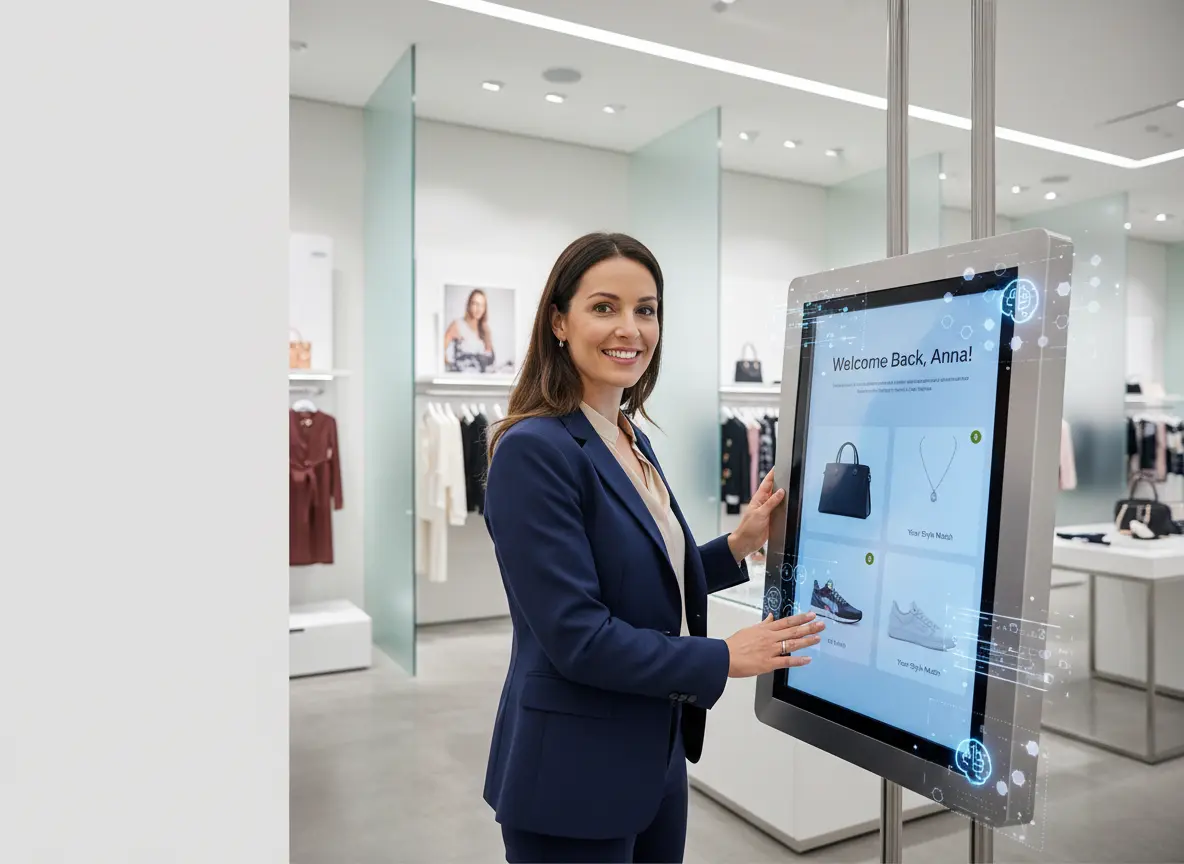
Running a consignment shop means juggling consignor relationships, customer inquiries, pricing decisions, and a hundred other things — often simultaneously. That's where Stella, the AI robot employee and phone receptionist, can quietly become one of your most valuable team members. Stella stands inside your store and greets every customer who walks through the door, answers product and policy questions, and promotes your current deals — all without pulling your human staff away from intake, tagging, or consignor check-ins.
On the phone side, Stella answers calls 24/7, which matters more than you might think when consignors are calling after hours to ask about their account balances or item status. She can also collect consignor information through conversational intake forms and store it in her built-in CRM — complete with custom fields, tags, and AI-generated contact profiles — so your consignor records stay organized without anyone manually entering data. At just $99/month, she's the kind of staff member who never calls in sick, never goes on break, and never forgets to mention your current promotion.
Your Consignor Contract Template
What to Include — Section by Section
Below is a structural outline you can use as the foundation for your consignor contract. Always have a local attorney review your final document before putting it in front of consignors, especially regarding liability language, which varies by state.
- Parties Involved — Full legal name, address, and contact info for both the consignor and the store.
- Item Description — Detailed list of items, including condition, agreed price, and item ID/tag number.
- Consignment Period — Start date, end date, and any automatic renewal or extension terms.
- Pricing Authority — Does the store have discretion to reduce prices after a set period? State it explicitly.
- Commission and Payment Terms — Split percentage, payment schedule, payment method, minimum thresholds.
- Early Retrieval Policy — Notice required, any pull fees, and process for item return.
- Unsold Items Policy — What happens at the end of the consignment period (return, donate, discard).
- Liability Clause — Store's position on responsibility for lost, stolen, or damaged items.
- Consignor Representations — The consignor confirms they own the items and have the right to sell them. (This one matters more than people think.)
- Dispute Resolution — How disagreements will be handled — mediation, small claims, etc.
- Signatures and Date — Both parties sign and date. Keep a copy on file.
A Note on Digital Contracts and Record-Keeping
If you're still running paper contracts in a filing cabinet, bless your heart — but consider going digital. Platforms like DocuSign, HelloSign, or even a simple Google Form paired with a PDF agreement can dramatically reduce the time spent on intake and make your records searchable. When a consignor calls asking about an item they dropped off eight months ago, being able to pull up their record in 15 seconds versus 15 minutes is a genuine business advantage.
Keep signed contracts on file for at least three years, or longer if your state requires it. And store them somewhere with a backup — because "the computer crashed" is not a legal defense.
Common Mistakes to Avoid
Even experienced shop owners make preventable errors in their consignment agreements. Here are the big ones to watch for:
- Vague item descriptions — "Assorted clothing" is not a description. It's an invitation to a dispute.
- No pricing authority clause — If your contract doesn't say you can reduce prices, a consignor could argue you sold their item below agreed value.
- Missing consignor ownership representation — If someone consigns stolen property and you sell it, you could be liable. This clause protects you.
- No unclaimed funds policy — Some states have escheatment laws requiring you to turn over unclaimed funds to the state after a set period. Know your local rules.
- Not updating your contract regularly — Laws change, your policies evolve, and that contract from 2017 might have some gaps. Review it annually.
Quick Reminder About Stella
Stella is an AI robot employee and phone receptionist designed to help business owners like you run a more efficient, customer-friendly operation. She works in-store as a kiosk that greets and engages customers, and she answers phone calls around the clock so no inquiry — from a consignor checking on their payout to a customer asking about your hours — ever goes unanswered. At $99/month with no upfront hardware costs, she's one of the easiest front-of-house upgrades a second-hand retailer can make.
Putting It All Together
A solid consignor contract isn't just legal protection — it's a trust-building tool. When a new consignor sits down with you and sees a clear, professional agreement that answers all their questions before they even ask them, it signals that you run a real operation. That kind of confidence brings in more consignors, and better consignors bring in better inventory.
Here's your action plan:
- Review your current contract (or admit you don't have one and start building one today).
- Use the section-by-section outline above as your structural guide.
- Have a local attorney review the final document — especially the liability and dispute resolution language.
- Go digital with your intake and contract signing process to save time and improve record-keeping.
- Set a calendar reminder to review your contract annually and update it as your policies evolve.
Your consignment business runs on relationships and trust. A well-crafted contract doesn't undermine that — it reinforces it. And with the right systems in place, from legally sound paperwork to smart tools that handle the day-to-day, you can spend less time putting out fires and more time doing what you actually opened the shop for: finding great stuff and getting it to people who will love it.