When Tuesday Feels Like a Ghost Town
You know the feeling. It's 2 PM on a Tuesday — or maybe a rainy Thursday — and you're watching your staff reorganize the same shelf for the third time while the door refuses to open. Slow days are a fact of life for nearly every brick-and-mortar business, but they don't have to be a fact of your life. Not if you're using your marketing tools the right way.
Email automation, in particular, is one of the most underutilized weapons in the small business owner's arsenal. Most business owners either set it up once and forget it, or never touch it at all. But when used strategically, automated email campaigns can quite literally tell people to show up — and they will. According to Campaign Monitor, email marketing delivers an average ROI of $42 for every $1 spent. That's not a typo. So if your slow days are costing you revenue, a well-timed email sequence might be the nudge your customers need to walk through your door.
In this post, we'll walk through how to build an email automation strategy specifically designed to drive foot traffic when you need it most — without requiring you to become a full-time email marketer on top of everything else you're already doing.
Building the Foundation: Segmentation, Timing, and Offers That Actually Work
Before you start firing off discount codes to everyone on your list, let's talk strategy. The difference between an email that converts and one that quietly dies in a promotions tab comes down to three things: who you're sending it to, when you send it, and what you're offering.
Segment Your List Like You Mean It
Not every customer is the same, and your emails shouldn't pretend they are. Segmenting your email list means grouping contacts based on shared characteristics — purchase history, visit frequency, location, or even the type of services they've used. A loyal regular who visits every week doesn't need a "we miss you" email. But a customer who hasn't been in for 60 days? That's your target.
Common segments that work well for driving foot traffic include lapsed customers (those who haven't visited in 30, 60, or 90 days), high-value customers who respond well to VIP exclusivity, and new customers who visited once but haven't returned. Tailoring your message to each group dramatically improves open rates and conversion — because "Hey, it's been a while" lands very differently than "Thanks for being a loyal customer, here's something special."
Time It to Your Slow Days (Not Theirs)
Here's where most businesses miss the mark. They send emails when it's convenient for them to write the email — not when it's strategically timed to fill a slow period. Think backwards: identify your slowest days or time slots by looking at your sales data, then schedule your emails to land in inboxes 24 to 48 hours before that window. If Tuesday afternoons are your dead zone, send the email Sunday evening or Monday morning when people are planning their week.
Automation makes this effortless. Set up a recurring campaign that triggers every week or month, tied to your predictable slow periods. You write it once, and your email platform does the rest. That's the magic of automation — it works even when you're busy, stressed, or focused on the hundred other things that come with running a business.
Craft Offers That Create Urgency Without Desperation
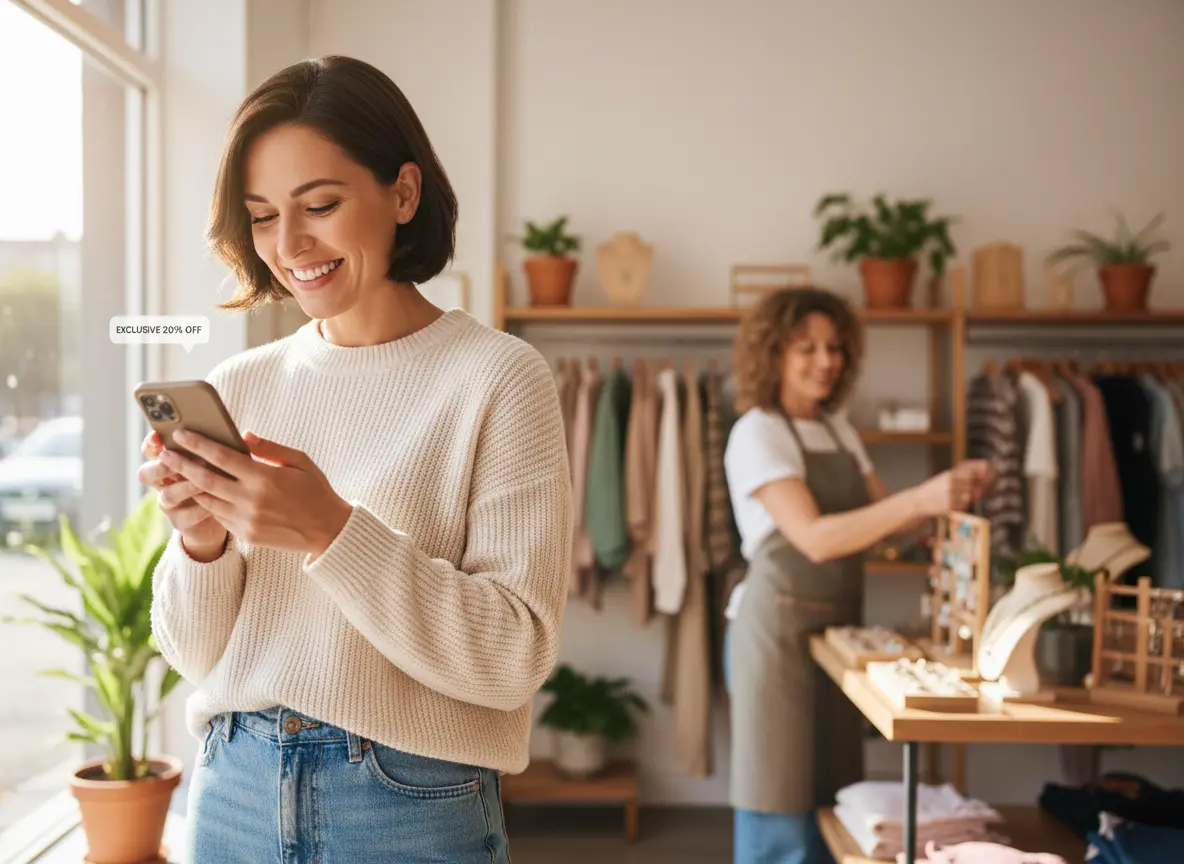
The offer itself matters enormously. A vague "come visit us!" email doesn't move people. But a time-limited, specific offer does. Think along the lines of: "Tuesday only — 20% off your next service, no minimum required" or "This Wednesday, enjoy a free add-on with any purchase over $40." The key ingredients are a clear benefit, a deadline, and a reason to act now rather than later.
You don't always have to discount, either. Exclusive experiences, early access to new products, limited-time bundles, or even a free consultation can be compelling offers that don't eat into your margins. Experiment, track your results, and double down on what works for your specific audience.
How Stella Can Help You Convert Those Clicks Into Customers
Email gets them curious — but what happens when they call to confirm your hours, ask about the promotion, or check if you're still running that deal? This is where things can quietly fall apart. If no one answers, or if a rushed employee gives incomplete information, you've just lost a customer you paid to attract.
From Inbox to In-Store, Seamlessly
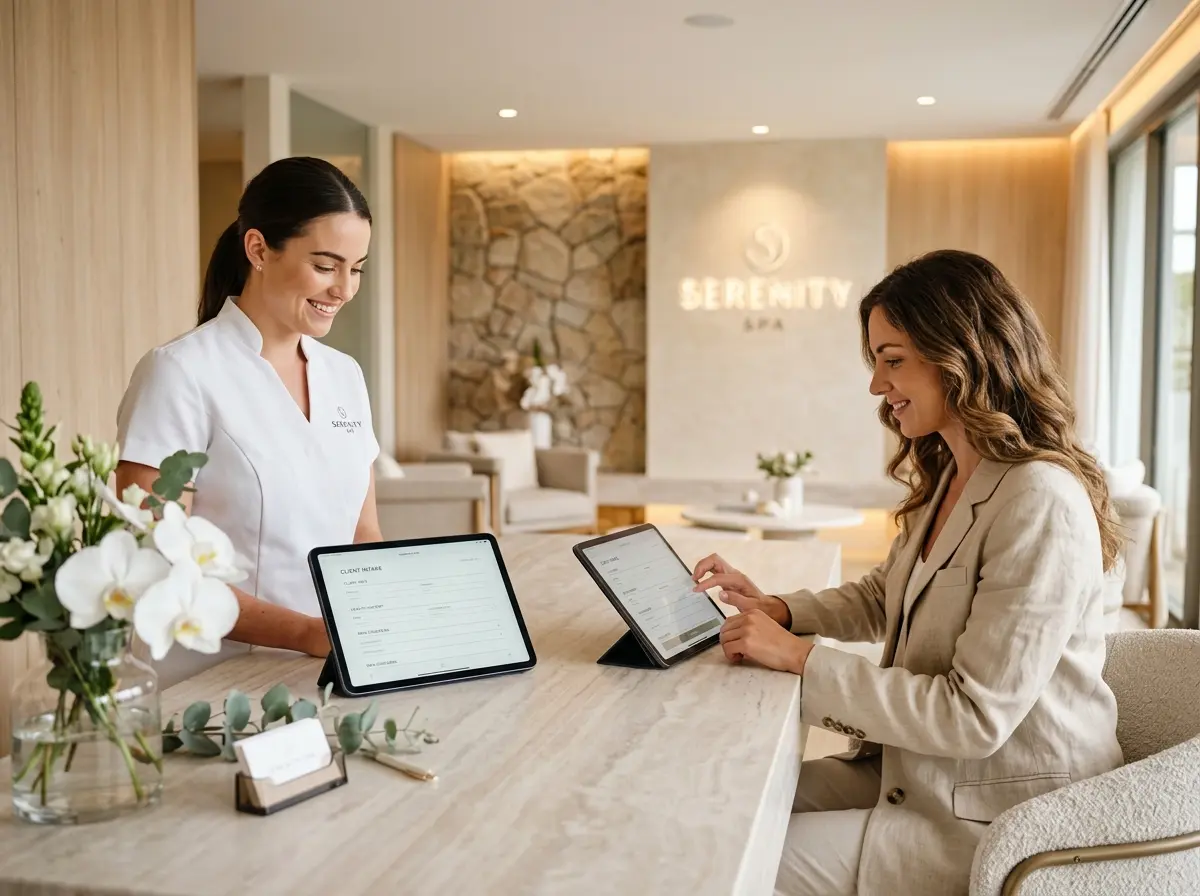
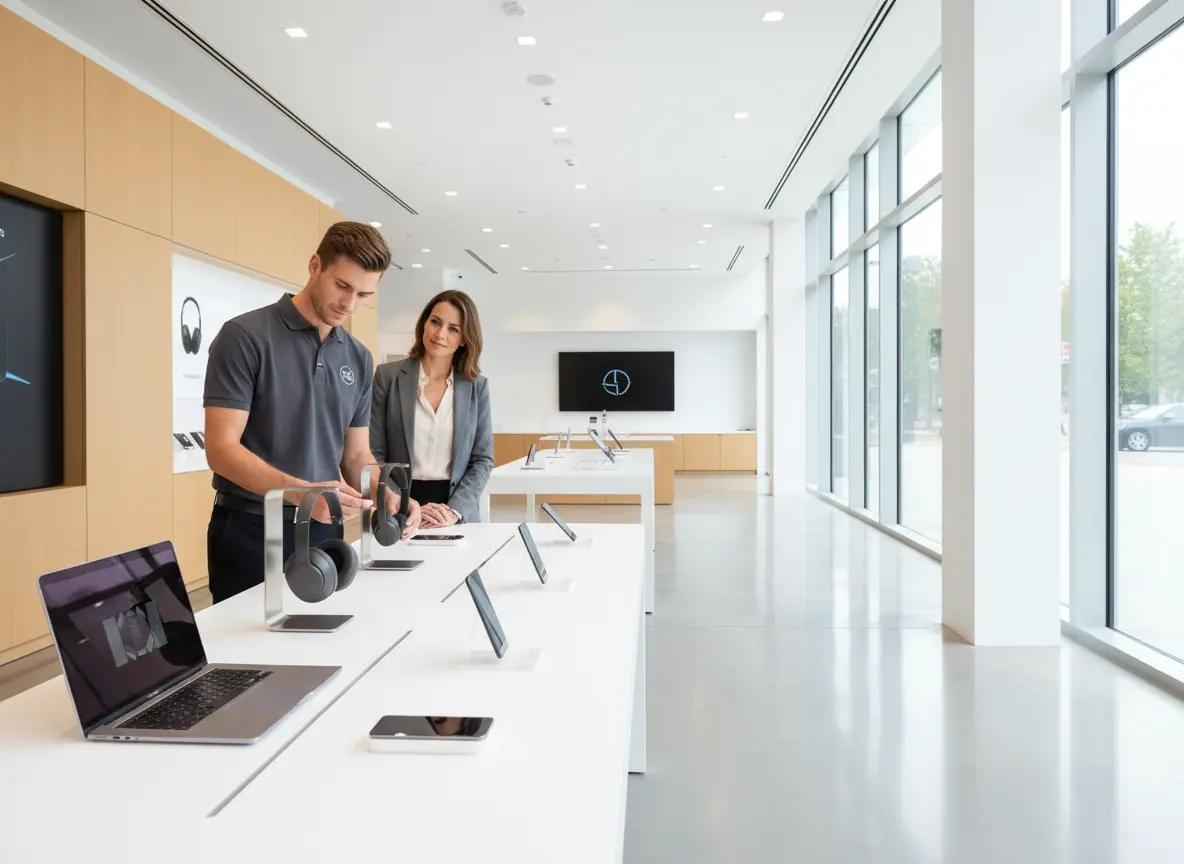
Stella bridges the gap between your marketing and your in-person experience. As an AI phone receptionist, she answers calls 24/7 with accurate, up-to-date knowledge about your current promotions, hours, and services — so when someone calls after seeing your Tuesday email at 10 PM on Monday night, they get a real answer instead of a voicemail. And when they walk through your door, Stella's in-store kiosk presence greets them proactively, reinforces the promotion they came in for, and can even upsell related offerings — turning a discount-driven visit into a higher-value transaction. She also collects customer information through conversational intake forms and stores it in her built-in CRM, so every new visitor from your email campaign becomes a contact you can market to again.
Writing Emails That People Actually Open and Act On
You've got the strategy. Now let's talk execution, because even the best-timed, best-segmented email is worthless if nobody opens it.
Subject Lines Are Everything
Your subject line is your first impression, your handshake, and your pitch — all in about 40 characters. It needs to do a lot of work. The best subject lines for driving foot traffic are specific, benefit-forward, and ideally a little personal. "Your exclusive Tuesday deal is waiting" outperforms "Check out our latest promotion" every single time. Personalization tokens — inserting the customer's first name — can lift open rates by as much as 26%, according to Experian. Use them.
Avoid spam trigger words like "FREE!!!" in all caps, excessive punctuation, and vague teaser language that promises nothing. Be clear about what's inside, make it sound worth their time, and you'll be surprised how many more people actually read what you wrote.
Keep the Body Short, Visual, and Action-Oriented
Once they open the email, your job is to get them to act — not to overwhelm them with your entire product catalog. Lead with the offer, explain it in two or three sentences, and make the call to action impossible to miss. One big, clear button that says "Claim Your Discount" or "Visit Us This Tuesday" is infinitely more effective than five competing links buried in blocks of text.
If your email platform supports it, use a single hero image that reinforces your brand and offer. Keep the overall email short enough to read in under 30 seconds. People are busy and slightly suspicious of long emails from businesses. Respect their time, and they'll respect your promotion.
Set Up Automated Follow-Up Sequences
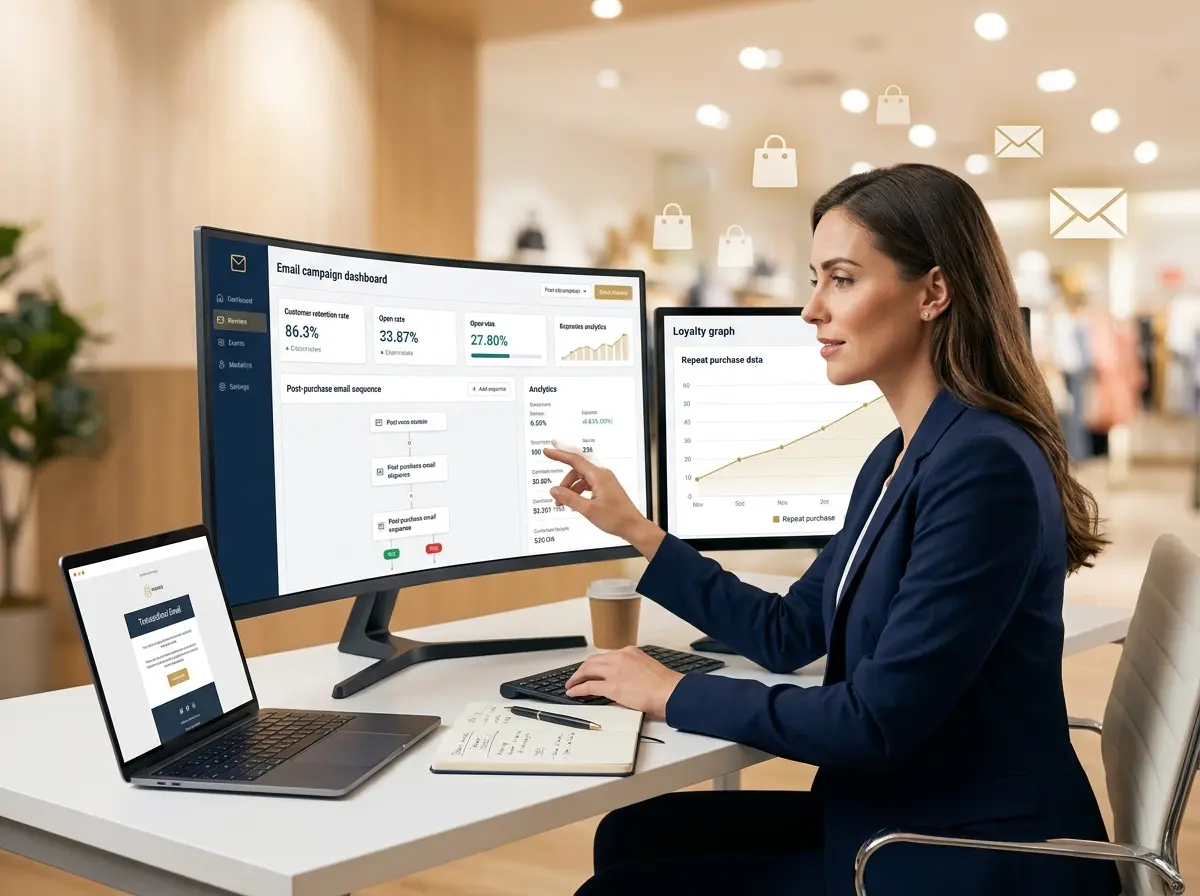
Not everyone acts on the first email, and that's completely normal. A simple two or three-email sequence can significantly improve your conversion rate without much additional effort. Send the initial offer, follow up two days later with a reminder that the deadline is approaching, and optionally send a final "last chance" message on the day itself. Each email should feel like a natural continuation of the conversation — not a copy-paste of the same message with a different subject line.
Most email automation platforms — Mailchimp, Klaviyo, ActiveCampaign, and others — make this kind of sequence easy to build and set live in an afternoon. Once it's running, it works in the background while you focus on actually serving the customers it brings in.
Quick Reminder About Stella
Stella is an AI robot employee and phone receptionist designed for businesses of all types — whether you have a physical storefront or operate entirely over the phone. She greets walk-in customers, answers calls around the clock, promotes your current deals, manages customer contacts through her built-in CRM, and collects intake information — all for just $99/month with no upfront hardware costs. Think of her as the employee who never calls in sick, never forgets the current promotion, and never puts a customer on hold indefinitely.
Turn Your Slow Days Into a Strategy
Slow days aren't going anywhere — but they don't have to be a passive experience you simply endure. With a thoughtful email automation strategy, you can transform predictable lulls into reliable traffic spikes. The investment is minimal, the setup is a one-time effort, and the results compound over time as you learn what resonates with your audience.
Here's what to do next:
- Pull your sales data and identify your two or three most consistently slow days or time slots.
- Segment your email list into at least two groups — lapsed customers and active customers — and craft a different message for each.
- Build a simple offer with a clear deadline tied to one of your slow periods, and write a three-email sequence around it.
- Schedule it to send 24 to 48 hours before the slow window, and set it to repeat automatically.
- Track your results — open rates, redemptions, and revenue — and refine from there.
You already have a customer list. You already have something worth promoting. The only thing left to do is show up in their inbox at the right moment with the right message. And when they show up in yours — your store, that is — make sure you're ready to give them an experience worth repeating.