So You Have Multiple Locations — Now What?
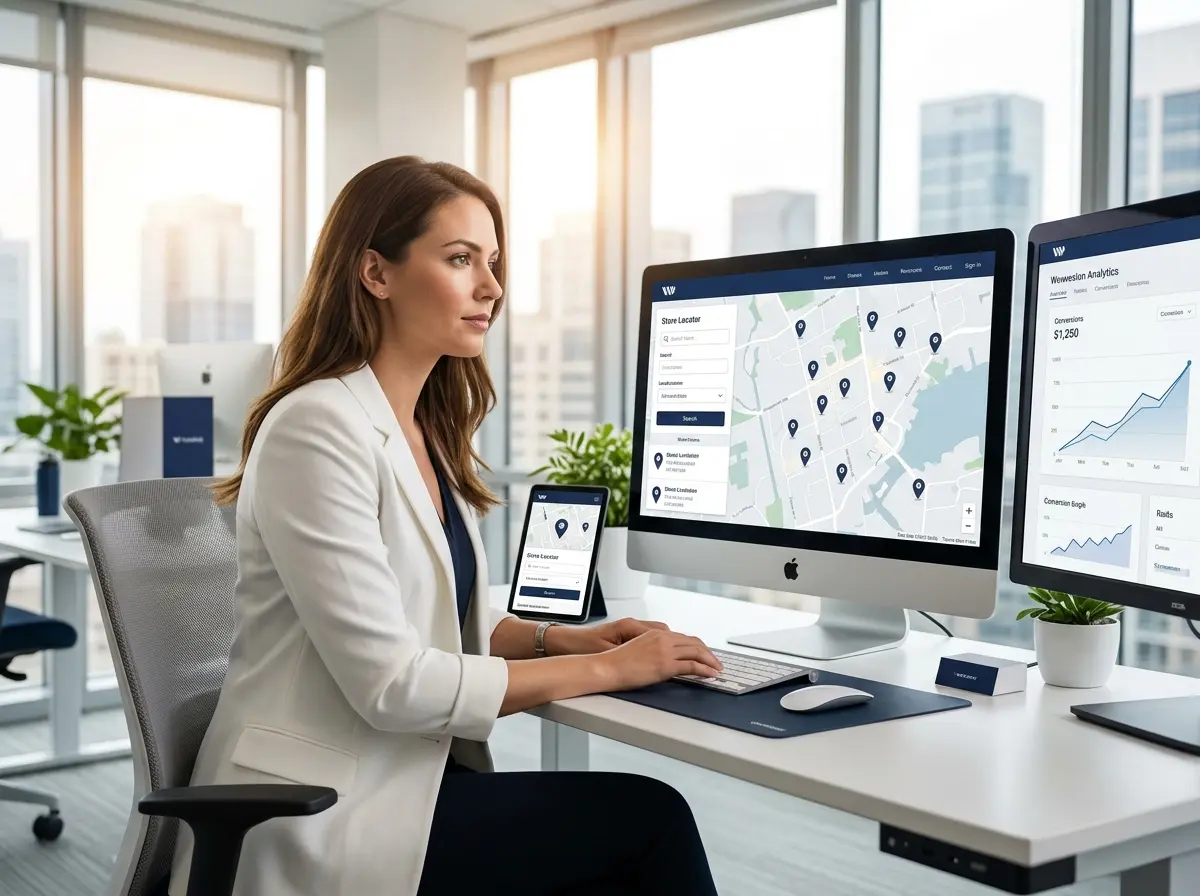
A store locator sounds like a simple feature — just a map with some pins, right? Technically, yes. But the difference between a store locator that converts and one that just sits there collecting digital dust is surprisingly significant. A great store locator doesn't just tell people where you are; it removes every possible reason for them to abandon the journey before walking through your door. According to Google, 76% of people who search for something nearby on their smartphone visit a related business within a day. That is an enormous opportunity sitting right there on your website, waiting to be either captured or fumbled.
The Anatomy of a High-Converting Store Locator
Speed and Simplicity Are Non-Negotiable
Every Location Card Needs the Right Information
- Location-specific promotions or featured services
- A brief description of what makes that particular location unique
- Real-time or updated hours for holidays
- A direct link to that location's Google Business Profile for reviews
- Parking or accessibility notes if relevant
Mobile Experience Is Where Most Businesses Drop the Ball
How Your In-Store Experience Needs to Match the Promise
The Locator Gets Them There — You Have to Keep Them
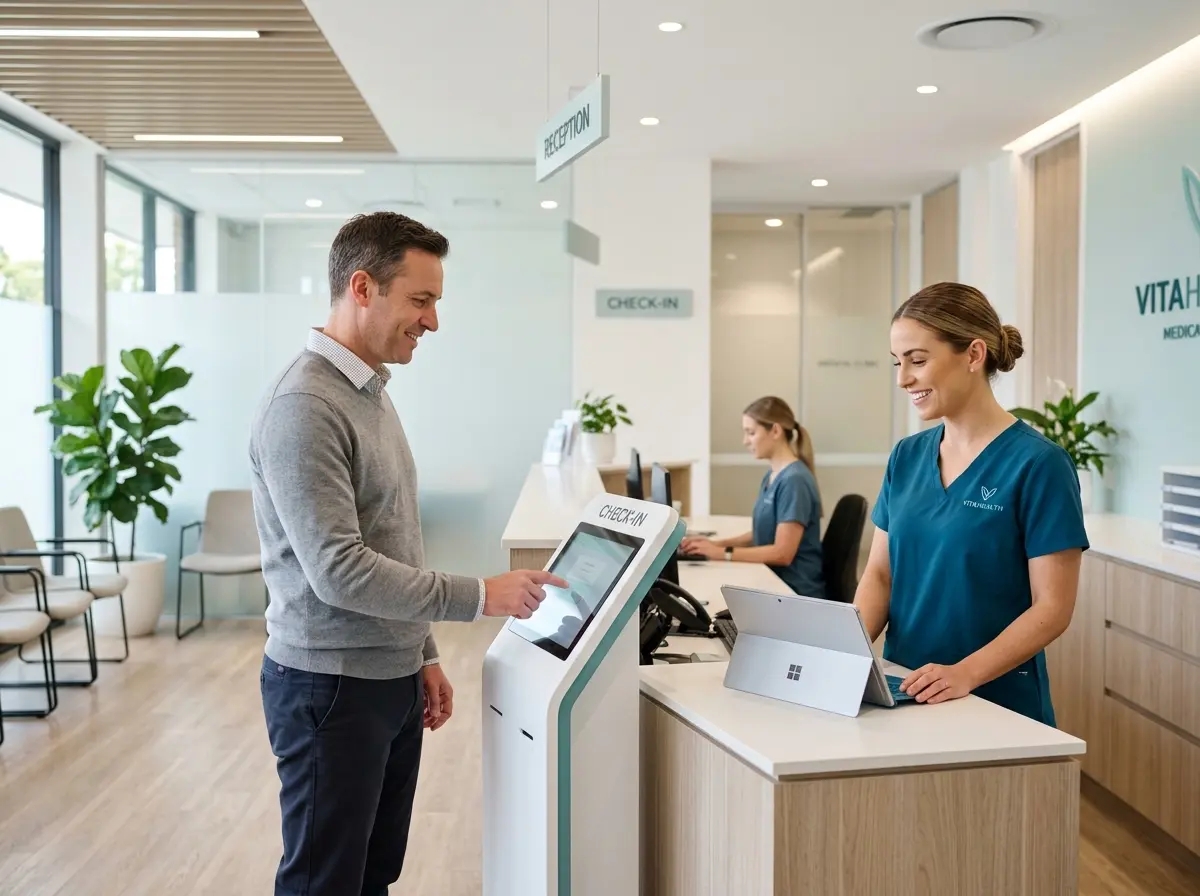
Stella is an AI robot employee and phone receptionist designed to bridge exactly this gap. Inside your store, Stella stands as a friendly, human-sized kiosk that proactively greets every customer who walks in, answers questions about products and services, highlights current promotions, and handles the kinds of repetitive inquiries that eat up your staff's time. On the phone side, Stella answers calls 24/7 with the same knowledge she uses in person — which means a customer who calls ahead to confirm hours or ask about a promotion gets an accurate, professional answer every single time, even at 11 PM on a Sunday. For multi-location businesses, that consistency across every touchpoint is genuinely priceless.
Technical and SEO Considerations That Actually Matter
Local SEO and Your Store Locator Are Best Friends
Your store locator isn't just a UX feature — it's an SEO asset. Each location should ideally have its own dedicated page (e.g., /locations/chicago-downtown) with unique content, a proper title tag, and structured data markup using Schema.org's LocalBusiness schema. This tells search engines exactly who you are, where you are, and when you're open, which dramatically improves your chances of appearing in local search results and Google's coveted map pack.
Keep Your Data Accurate or Don't Bother
Also, make sure your store locator data stays synchronized with your Google Business Profile listings. Discrepancies between the two create confusion and erode search rankings. There are third-party tools like Yext, Moz Local, and Uberall that can manage this synchronization across dozens of directories at once, which is a genuine sanity-saver for businesses with five or more locations.
Conversion Tracking: Know What's Working
Quick Reminder About Stella
Stella is an AI robot employee and phone receptionist available for just $99/month with no upfront hardware costs. She greets customers in your physical locations, answers calls around the clock, promotes your current deals, and ensures every single customer interaction — in person or over the phone — is handled professionally and consistently. For multi-location businesses working hard to convert online interest into real-world foot traffic, she's the kind of reliable presence that doesn't call in sick, doesn't forget the specials, and never puts a customer on hold indefinitely.