So You've Been Adjusting Spines — But Are You Adjusting Your Marketing Strategy?
Let's be honest: most chiropractic offices market themselves the same way they did in 2009. Maybe you have a website, a Facebook page that gets updated whenever someone remembers, and a stack of business cards at the front desk. And hey, referrals are great — until they aren't. The reality is that prospective patients often need more than a recommendation from their neighbor. They need to trust you before they ever let you near their spine.
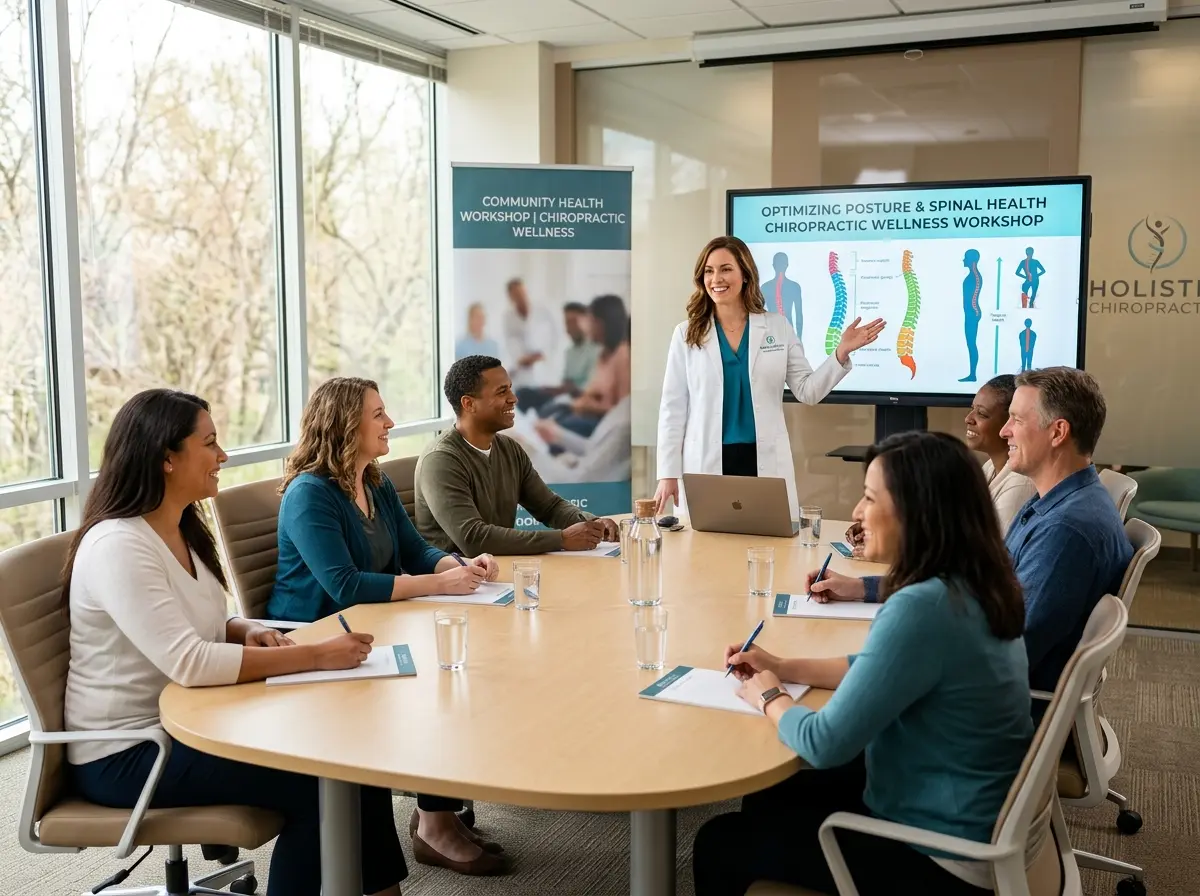
That's where community education workshops come in. Hosting workshops — whether in your office, at a local gym, or in a community center — positions you as the go-to expert in your area, builds genuine trust with potential patients, and creates a pipeline of warm leads who already believe in what you do. It's not a new concept, but it's one that shockingly few chiropractors are actually doing well. If you're looking for a way to grow your practice without dumping another $500 into Google Ads and hoping for the best, this is worth your attention.
Why Community Education Workshops Actually Work
You're Fighting a Trust Problem (Whether You Know It or Not)
Chiropractic care still carries a reputation hurdle. A significant portion of the population is curious about chiropractic treatment but hesitant to book an appointment because they don't fully understand what it involves or whether it's right for them. Studies suggest that nearly 35 million Americans see a chiropractor each year — but that leaves a whole lot of people on the fence. A free workshop lowers that barrier dramatically. When someone hears you speak knowledgeably about posture, back pain, or the effects of prolonged desk work, they stop seeing you as a stranger with a cracking habit and start seeing you as a credible, approachable professional. That shift is worth more than any ad campaign.
Workshops Generate Word-of-Mouth at Scale
When someone attends your workshop and finds it genuinely useful, they talk about it. They mention it to their coworker who's been complaining about neck pain for three months. They share the event on social media. They bring a friend to the next one. Community education workshops have a compounding effect that most paid marketing channels simply don't. You're not just reaching the ten or twenty people in the room — you're planting seeds in a much wider network. And unlike a sponsored post that disappears the moment you stop paying for it, the goodwill from a well-run workshop sticks around.
You Get to Demonstrate Value Before Anyone Spends a Dime
One of the most powerful things a service-based business can do is let people experience the value of what they offer before asking for a commitment. A workshop does exactly that. You're giving away useful, actionable information — tips on ergonomics, stretches for common issues, explanations of how chiropractic care works — and in doing so, you're demonstrating competence and generosity simultaneously. People remember that. When they're finally ready to book, you're not competing with three other chiropractors they found on Google. You're the one they already know and like.
How to Keep Your Practice Running Smoothly While You're Busy Educating the Community
Don't Let Opportunity Walk Out the Door (or Hang Up the Phone)
Here's the irony of running a successful workshop: it generates interest. People call your office to ask questions. They walk in wanting to know more. And if your front desk is overwhelmed, understaffed, or — let's say it — simply not available after hours, those warm leads go cold fast. That's where Stella, the AI robot employee and phone receptionist, can be genuinely useful for a chiropractic practice. Stella can greet walk-in visitors at your kiosk, answer their questions about your services and workshop schedule, and handle incoming calls 24/7 — including nights and weekends when your human staff has gone home to rest their own spines. She can also collect patient information through conversational intake forms and store it in her built-in CRM, so every workshop attendee who follows up gets captured, tagged, and remembered. No lead slips through the cracks just because your receptionist was helping someone else.
Planning a Workshop That People Actually Want to Attend
Choose Topics That Speak to Real Pain Points (Literally)
The fastest way to fill a room is to address something people are already suffering through. "Introduction to Chiropractic Care" sounds clinical and vague. "How to Eliminate Desk Neck: A Free Workshop for Office Workers" sounds like something worth rearranging a Tuesday evening for. Think about the most common complaints your patients bring in — lower back pain, headaches, poor posture, sports injuries — and build your workshops around those specific themes. You can partner with local employers, gyms, yoga studios, or even schools to reach audiences who are already primed for the message. Specificity wins every time.
Make It Interactive, Not a Lecture
Nobody wants to sit in a folding chair for an hour while someone talks at them about the cervical spine. The workshops that generate real results — real bookings, real referrals — are the ones that feel engaging and participatory. Consider incorporating simple demonstrations, guided stretches, posture assessments, or Q&A segments. Let attendees ask questions. Let them feel something shift (metaphorically, at least — save the adjustments for the office). When people leave feeling like they learned something tangible and were treated as intelligent adults, they remember you fondly. And fond memories lead to booked appointments.
Follow Up Like You Mean It
Here's where most well-intentioned workshops fall apart: the follow-up. You host a great event, hand out a few business cards, and then... nothing. A week later, attendees have forgotten your last name. Build a follow-up system before the event even happens. Collect email addresses at registration, send a recap with a special offer for first-time appointments, and follow up again two weeks later. You're not being pushy — you're being professional. People who attended your workshop are already warm leads. A timely, helpful follow-up email is what converts them from "that chiropractor I saw once" into an actual patient on your schedule.
Quick Reminder About Stella
Stella is an AI robot employee and phone receptionist designed to help businesses like yours stay responsive and professional around the clock. She greets patients at your in-office kiosk, answers calls at any hour, collects intake information, and keeps your CRM organized — all for $99 a month with no upfront hardware costs. While you're busy educating your community, Stella makes sure no one who reaches out gets left on hold or sent to voicemail without a follow-up.
Your Next Steps: From Idea to Packed Room
Starting a community education workshop program doesn't require a massive budget or a marketing team. It requires intention, consistency, and a willingness to show up as the expert you already are. Here's how to get moving:
- Pick one topic that addresses a common complaint among your target audience — start narrow and specific.
- Choose a venue — your office works fine for smaller groups; partner with a local gym or employer for larger reach.
- Set a date and promote it — social media, your email list, local community boards, and word of mouth from current patients are all fair game.
- Build your follow-up system first — decide how you'll collect attendee information and what you'll send them afterward before the event happens.
- Run it, refine it, repeat it — your first workshop won't be perfect, and that's completely fine. The second one will be better. The tenth one will fill itself.
The chiropractors who consistently grow their practices aren't necessarily the most technically skilled in the room — they're the ones their community knows, likes, and trusts. Community education workshops are one of the most cost-effective, relationship-driven ways to build that reputation. You already know more about spinal health than the vast majority of people in your area. It's time to stop keeping that knowledge behind a booking form and start sharing it generously. The appointments will follow.