Word of Mouth Won't Market Itself (But You Can Give It a Nudge)
Let's be honest — you already know that referrals are gold. When a loyal customer tells their neighbor, "You have to try that pharmacy on Fifth Street, they actually know my name," that's worth more than a dozen Facebook ads. In fact, referred customers are four times more likely to make a purchase and have a significantly higher lifetime value than customers acquired through traditional advertising. So why do most independent pharmacies treat referral marketing as an afterthought?
Probably because running a pharmacy is already a full-time job — times three. Between managing prescriptions, counseling patients, navigating insurance headaches, and keeping the shelves stocked, "build a referral program" tends to live permanently on the bottom of the to-do list. But here's the thing: a referral marketing engine doesn't have to be complicated. It just has to be intentional. This guide will walk you through exactly how to build one that works — without requiring you to hire a marketing department or sacrifice your sanity.
Laying the Foundation: What Makes Referrals Actually Happen
The Experience Has to Be Worth Talking About
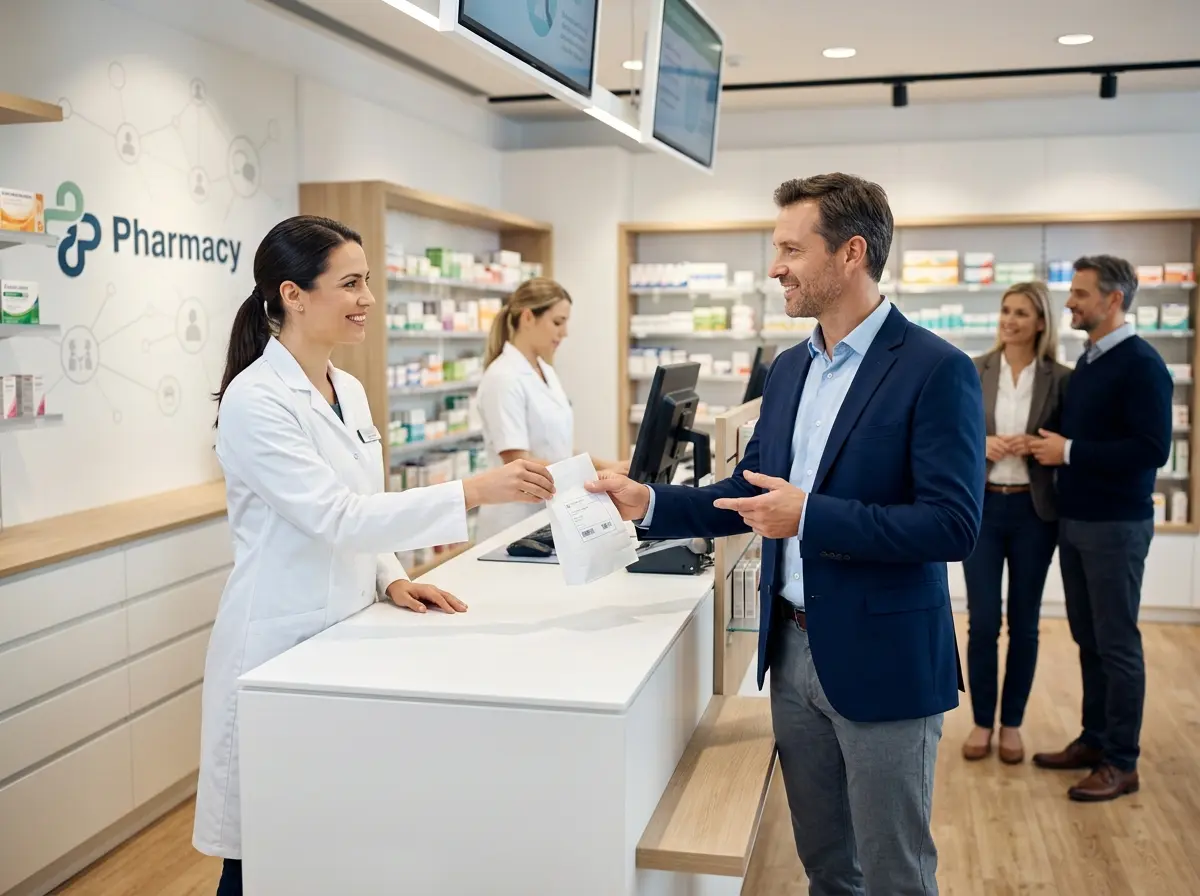
Before you ask a single customer for a referral, you need to earn it. No referral program in the world can rescue a mediocre experience. The good news? Independent pharmacies have a massive structural advantage over the big chains: you can actually be human. You can remember that Mrs. Patterson prefers her medication counseling in Spanish. You can notice when a patient picks up a new medication and proactively flag a potential interaction. These moments — small, consistent, genuinely caring — are what turn customers into evangelists.
Take a hard look at your current patient experience. Is your staff greeting people warmly, or are they buried behind the counter? Are wait times reasonable? Do patients feel like a number or like a person? You don't need to be perfect, but you do need to be noticeably better than the alternative. That's the spark that starts the referral fire.
Identify Your Referral Champions
Not every customer will refer — and that's fine. Your job is to identify the ones who will. These are typically your most loyal patients: the ones who pick up regularly, who've complimented your service, or who've been with you for years. Look at your customer data and find people who:
- Have been with your pharmacy for more than one year
- Have referred someone in the past, even informally
- Regularly purchase both prescription and front-end products
- Have engaged positively with your staff or left a positive review
These are your VIPs, and they deserve to be treated as such — which leads us directly into building a program that rewards them properly.
Design a Simple, Compelling Incentive Structure
Here's where a lot of pharmacies overthink it. Your referral program doesn't need tiers, points systems, or an app. It needs to be simple enough that a 70-year-old patient can understand it in 10 seconds. A clean, effective model might look like this: "Refer a friend, and you both receive a $10 store credit toward any front-end purchase." That's it. Both parties win, the reward is tangible, and it drives additional front-end sales to boot.
You can also offer non-monetary perks — free medication blister packaging for a month, a complimentary blood pressure check, or priority consultation scheduling. The key is that the reward feels meaningful to your specific patient base. Ask yourself: what do my best customers actually value? Then give them more of that.
Using Technology to Automate and Amplify Your Referral Efforts
Let Stella Handle the Front Lines
One of the quietest killers of any referral program is inconsistency. Staff remember to mention the program on Tuesday but forget by Thursday. The pharmacist on duty pitches it enthusiastically; the weekend tech doesn't know it exists. This is where Stella — an AI robot employee and phone receptionist — becomes genuinely useful for an independent pharmacy.
At your physical location, Stella stands as a friendly, human-sized kiosk that proactively engages every customer who walks by. She can mention your referral program every single time — not in an annoying, pushy way, but conversationally and naturally, just like a well-trained staff member would. She can explain the incentive, answer questions about how it works, and even collect customer information through her built-in conversational intake forms. On the phone side, she answers calls 24/7, which means a patient calling at 8 PM to ask about their prescription can also hear about your referral offer before they hang up. Her built-in CRM lets you tag referred customers, track where new patients came from, and build out profiles that make follow-up effortless. For a $99/month subscription with no hardware costs, it's one of the more practical tools available to independent pharmacy owners today.
Activating and Promoting Your Program Across the Right Channels
In-Store Touchpoints That Do the Heavy Lifting
Your pharmacy floor is prime real estate for referral program promotion — and most independent pharmacies wildly underutilize it. Place simple, well-designed signage at the prescription drop-off window, the point of sale, and the waiting area. A small card with a QR code that links to a referral form is an easy win. Train your staff to mention the program during natural conversation moments — when a patient says something positive about your service, that's your cue: "We really appreciate that! We actually have a referral program — if you know anyone looking for a great pharmacy, here's how it works."
Don't underestimate the pharmacy bag, either. A simple insert with referral details costs almost nothing to print and reaches every single patient who fills a prescription. Consistency across touchpoints is what turns a casual mention into a real program.
Digital Channels: Email, Text, and Beyond
If you're collecting patient email addresses or mobile numbers — and you absolutely should be — you have a direct line to your most engaged customers. A monthly email that highlights your referral program, combined with a seasonal incentive bump ("This month only, earn $15 in store credit per referral!"), can produce a meaningful uptick in new patient registrations. Keep the emails short, friendly, and focused. Nobody is reading a 600-word pharmacy newsletter at 7 AM.
Text messaging tends to outperform email for this audience, with open rates frequently exceeding 90%. A simple opt-in text reminder — "Know someone who needs a great pharmacist? Refer them this month and you'll both earn a $10 credit. Reply REFER for details." — is low-effort, high-return marketing. If you're not already using a text messaging platform, it's worth the modest investment.
Partner Referrals: Think Beyond Your Patients
Some of the best referrals won't come from patients at all — they'll come from other healthcare providers in your community. Physicians, chiropractors, physical therapists, and home health agencies all interact regularly with people who need a reliable pharmacy. Introduce yourself, bring them something useful (medication interaction reference cards, for instance), and make it easy for them to refer patients your way. A formal provider referral program — even something as simple as a shared fax sheet with your pharmacy's capabilities listed — can open a steady stream of new patients who arrive pre-sold on your quality.
Quick Reminder About Stella
Stella is an AI robot employee and phone receptionist designed to help businesses like yours stay consistent, professional, and customer-focused without burning out your staff. She greets patients in-store, answers calls around the clock, promotes your offers, and manages customer data — all for $99/month with no upfront hardware costs. If you're building a referral engine and need a reliable frontline presence to help promote it, she's worth a serious look.
Your Referral Engine Won't Build Itself — But It's Closer Than You Think
Building a referral marketing engine for your independent pharmacy isn't about running a flashy campaign or reinventing your business. It's about being intentional with what's already working. Your patients already trust you. Your community already values what you offer. You just need to create the systems that turn that goodwill into growth — consistently, repeatedly, and without requiring heroic effort from your team every single day.
Here's where to start this week:
- Audit your patient experience. Identify one or two moments in the customer journey that could be warmer, faster, or more memorable.
- Define your referral incentive. Keep it simple, make it valuable, and write it down so everyone on your team knows it cold.
- Choose your promotion channels. Pick two — in-store signage plus email, or staff scripts plus text messaging — and commit to them for 90 days before adding more.
- Track everything. Ask every new patient how they heard about you. Tag referred patients in your CRM. Measure what's working and double down on it.
- Build your provider network. Identify five local healthcare providers and schedule an introduction in the next 30 days.
The independent pharmacy that wins in the next decade won't necessarily be the one with the biggest marketing budget. It'll be the one that builds genuine relationships, creates remarkable experiences, and makes it effortlessly easy for happy patients to spread the word. That pharmacy might as well be yours.