Introduction: The Lead That Got Away (And the One After That, and the One After That...)
Here's a scenario that should feel uncomfortably familiar: a motivated homebuyer calls your real estate office at 7:43 PM on a Tuesday. They've just driven past a listing they love, they're pre-approved, and they're ready to talk. The phone rings. And rings. And rings. By the time someone from your team calls back the next morning, that buyer has already scheduled a showing with the agent who picked up.
Congratulations — you've just donated a commission to your competitor.
In real estate, speed-to-lead isn't just a best practice. It's the difference between closing deals and watching them close for someone else. Studies consistently show that the odds of qualifying a lead drop by over 80% if you wait longer than five minutes to respond — and yet most real estate offices treat incoming leads like they'll patiently sit by the phone, sipping tea, waiting for a callback at your earliest convenience. They won't. They're already on Zillow clicking "Contact Agent" on three other listings.
The solution isn't hiring more staff or working 24 hours a day (though if you'd like to try that, best of luck). The solution is building a dedicated lead response protocol — a repeatable, systematic approach to capturing, qualifying, and following up with every lead, regardless of when they reach out or how your team is deployed at that moment.
Why Lead Response in Real Estate Is Uniquely High-Stakes
The Market Doesn't Wait for Business Hours
Real estate is one of the few industries where the customer's urgency is completely decoupled from your office schedule. Buyers browse listings at midnight. Sellers start researching agents on Sunday afternoons after a family conversation about downsizing. Investors make decisions between meetings on a Wednesday morning. Your leads are not observing a 9-to-5 window, and your response protocol shouldn't either.
The average real estate lead expects contact within an hour of reaching out — and that expectation has only gotten shorter as instant communication becomes the norm. When a lead submits a contact form, calls your office, or sends a message through your website, the clock starts ticking immediately. Every minute of silence is a minute your competitor is using to say hello.
High Transaction Value Means High Abandonment Risk
In most retail environments, an unresponsive business is mildly annoying. In real estate, it's a dealbreaker. Because the stakes are so high — we're talking about the largest financial transaction most people will ever make — buyers and sellers are naturally anxious, impatient, and highly motivated to find someone who takes them seriously. If you don't respond quickly, they don't assume you're busy. They assume you don't care. And in a market full of agents competing for the same clients, that perception is fatal.
Lead Rot Is Real and It Happens Fast
There's a term in sales for what happens to leads that don't get followed up with promptly: lead rot. The interest fades. The context is lost. The buyer finds another agent, the seller lists with someone else, or life simply gets in the way and the decision gets postponed indefinitely. A lead that was worth a five-figure commission on Monday can be completely worthless by Thursday — not because the opportunity disappeared, but because no one moved fast enough to claim it.
Building Your Lead Response Protocol — and How the Right Tools Can Help
Technology That Fills the Gaps Your Team Can't
No matter how dedicated your staff is, there will always be gaps — evenings, weekends, lunch breaks, showing appointments, and those inexplicable Tuesday afternoons when everyone is somehow unavailable at once. This is exactly where smart technology earns its keep.
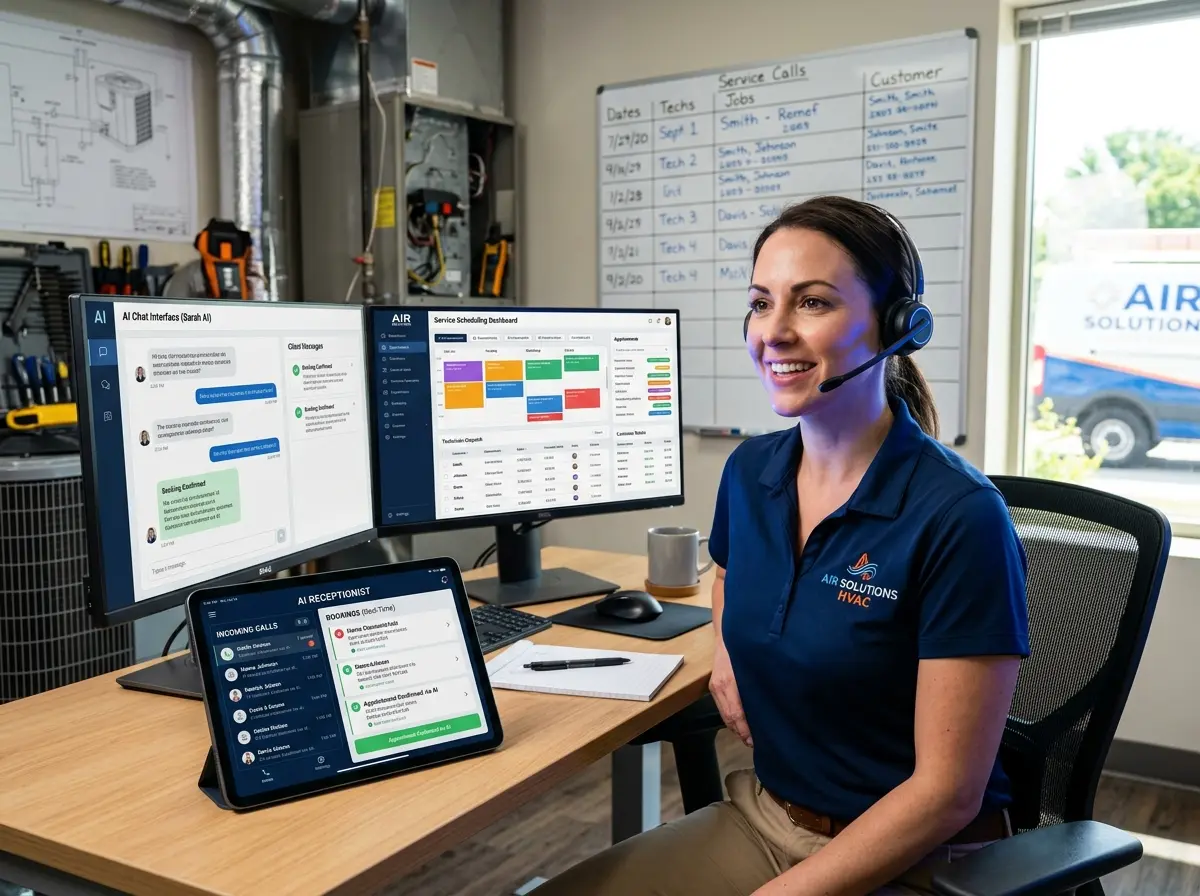
Stella, the AI robot employee and phone receptionist, is built for situations like these. For real estate offices with a physical location, Stella operates as an in-store kiosk presence — greeting walk-in clients, answering questions about listings, services, and office policies, and collecting visitor information conversationally without pulling a human agent away from what they're doing. On the phone, she answers calls 24/7 with the same knowledge and professionalism your best front desk staff would bring — except she never misses a call, never puts someone on hold indefinitely, and doesn't take holidays.
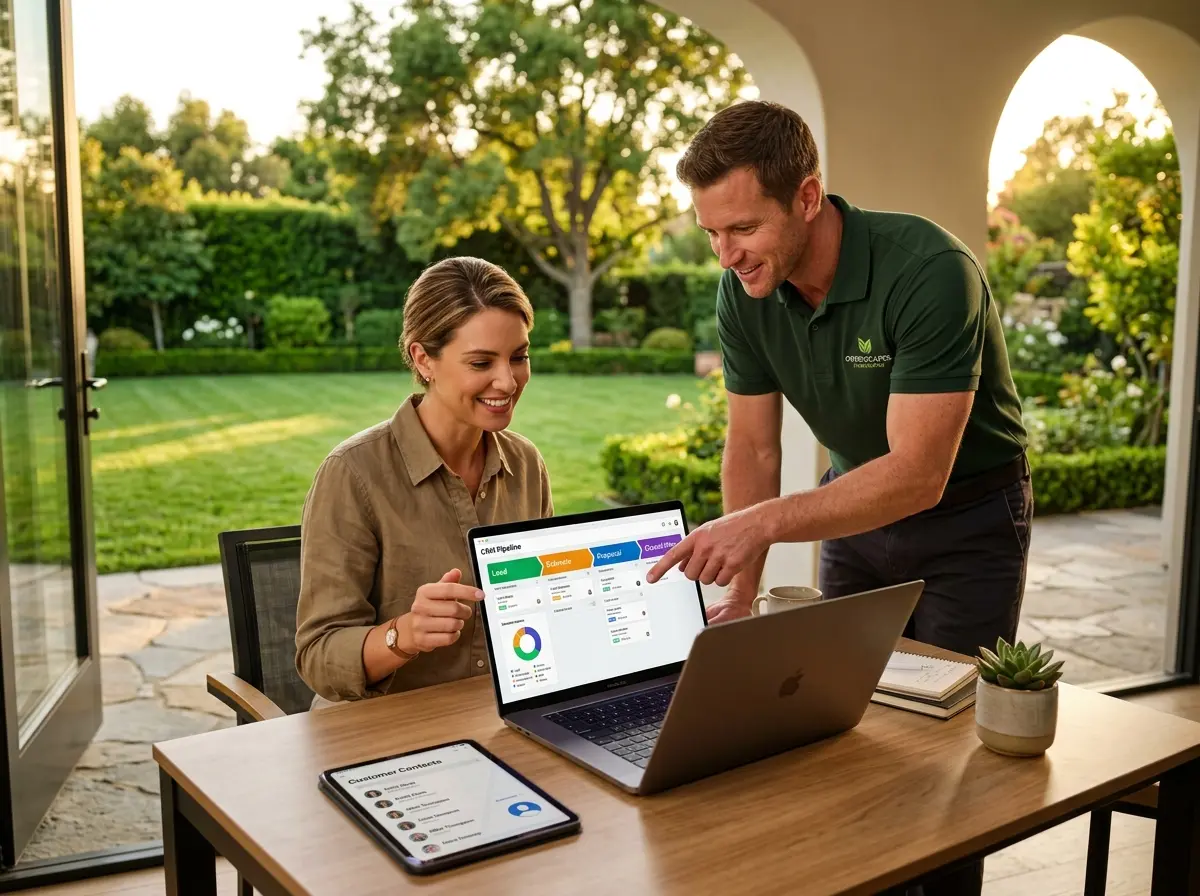
What makes Stella particularly valuable for lead response is her built-in CRM and conversational intake forms. When a prospect calls after hours, Stella doesn't just take a message — she collects their name, contact information, what they're looking for, their timeline, and any other details you configure. That information gets organized automatically into a contact profile, tagged, and pushed to your team so that when an agent follows up, they already know who they're calling and why. That's not just faster. That's smarter.
The Core Components of an Effective Lead Response Protocol
Define Your Response Windows — Then Stick to Them
The first step in building a real lead response protocol is deciding, explicitly, what your response standards are — and then holding your team accountable to them. This sounds obvious, but most offices have never actually written this down. "We try to get back to people quickly" is not a protocol. It's a hope.
Set specific targets: phone calls answered or returned within a defined window, online inquiries acknowledged within a set timeframe, voicemails returned before end of business day. Build these standards into your onboarding process, your team meetings, and your performance reviews. Make them non-negotiable. The specific numbers matter less than the consistency — a team that always responds within two hours is dramatically more effective than one that sometimes responds in twenty minutes and sometimes responds in two days.
Triage Leads by Intent and Urgency
Not all leads are created equal, and your protocol should reflect that. A first-time buyer who's "just browsing" needs a different response than a pre-approved buyer who just drove past a listing they want to see tomorrow. Build a simple triage system that helps your team quickly categorize incoming leads by urgency and intent so that hot leads get immediate personal attention while nurture-stage leads get routed into appropriate follow-up sequences.
Your intake process — whether it's a phone conversation, a web form, or a kiosk interaction — should be designed to capture the signals that indicate urgency: timeline, financing status, motivation, and specific properties of interest. The more structured your intake, the faster your team can prioritize and act.
Create a Follow-Up Sequence That Doesn't Give Up Too Easily
Here's an uncomfortable truth: most real estate leads require multiple touchpoints before they convert. Research suggests that 80% of sales require five or more follow-up contacts, yet a significant portion of agents give up after one or two attempts. If your protocol ends at "we called once and left a voicemail," you're leaving an enormous amount of business on the table.
Build a follow-up sequence that spans multiple channels — phone, email, text — and multiple days. Day one: immediate call and text. Day two: email with relevant listings or resources. Day three: follow-up call. Day five: check-in email. Adjust the cadence based on the lead's urgency level, but make sure every lead gets a structured sequence rather than a single shot in the dark. Document this sequence, train your team on it, and review it regularly to see what's working.
Quick Reminder About Stella
Stella is an AI robot employee and phone receptionist available for just $99/month — no upfront hardware costs, easy setup, and ready to work from day one. She greets clients at your physical location, answers every phone call around the clock, collects lead information through conversational intake forms, and keeps everything organized in her built-in CRM so your team always has context before they make contact. For real estate offices serious about lead response, she's the always-on front line your protocol needs.
Conclusion: Stop Losing Leads You Already Have
The most expensive leads in real estate aren't the ones you never generated — they're the ones you generated and then lost through slow, inconsistent, or nonexistent follow-up. Building a dedicated lead response protocol isn't glamorous work, but it is some of the highest-ROI work you can do for your business.
Here's where to start this week:
- Audit your current response times. Pull your call logs and inquiry records from the last 30 days and measure how long it actually takes your team to respond. The results may be humbling, but they're essential.
- Write down your response standards. Define specific, measurable targets and communicate them to every person on your team.
- Build or refine your intake process. Make sure every lead interaction — phone, web, or walk-in — captures the information your team needs to prioritize and personalize follow-up.
- Create a multi-touch follow-up sequence for each lead category and train your team to execute it consistently.
- Plug the after-hours gap. Whether through technology, call routing, or a combination of both, make sure leads that come in outside business hours are captured and responded to — not lost.
The leads are out there. The market is active. The only question is whether your protocol is good enough to turn that activity into closed business — or whether you'd rather keep making donations to your competition.