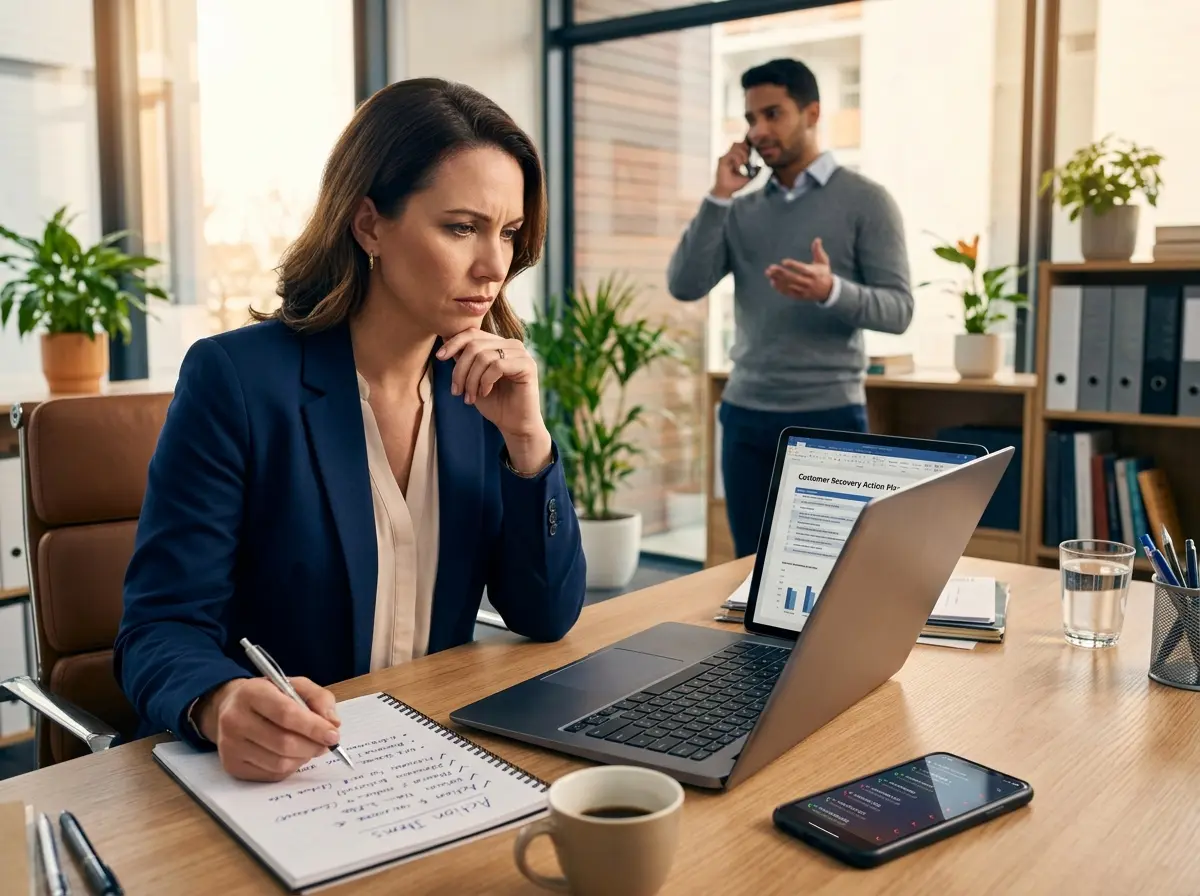
You Missed the Call. And the Customer. And the Sale.
Let's set the scene: A potential customer calls your business at 6:47 PM on a Tuesday. Nobody answers. They don't leave a voicemail — because honestly, who does anymore? They Google your competitor, who does pick up, and by 7:15 PM, their money is long gone from your potential revenue column. Meanwhile, you're blissfully unaware, maybe eating dinner, completely unaware that you just lost a customer you never knew you had.
Sound familiar? If you're a business owner, it probably does. Research from Invoca suggests that over 85% of customers whose calls go unanswered will not call back. They just move on. No second chances, no loyalty points, no "I'll try again tomorrow." Just gone. And while one missed call might seem trivial, multiply that across weeks and months, and you're staring at a very real, very preventable hole in your revenue.
The good news? Winning back — and keeping — customers isn't some mystical art form. It comes down to being available, being responsive, and making every interaction feel worth their time. Here's how to do exactly that.
Why Customers Leave (And Why They Don't Come Back)
It's Not About Price — It's About Experience
Most business owners assume customers leave because someone else was cheaper. Sometimes that's true, but studies consistently tell a different story. According to PwC, 32% of customers will walk away from a brand they love after just one bad experience. Not a catastrophic failure — just one bad experience. A long hold time. An unanswered question. A staff member who was too busy to help. The bar for disappointing customers is shockingly low, which means the bar for impressing them is equally achievable.
The experience gap is especially wide for small and mid-sized businesses, where staff wear multiple hats and "customer-facing" often gets deprioritized the moment things get busy. When your receptionist is also your bookkeeper, your social media manager, and the person who just unclogged the break room sink, customer calls and greetings are bound to slip through the cracks.
The Missed Call Problem Is Bigger Than You Think
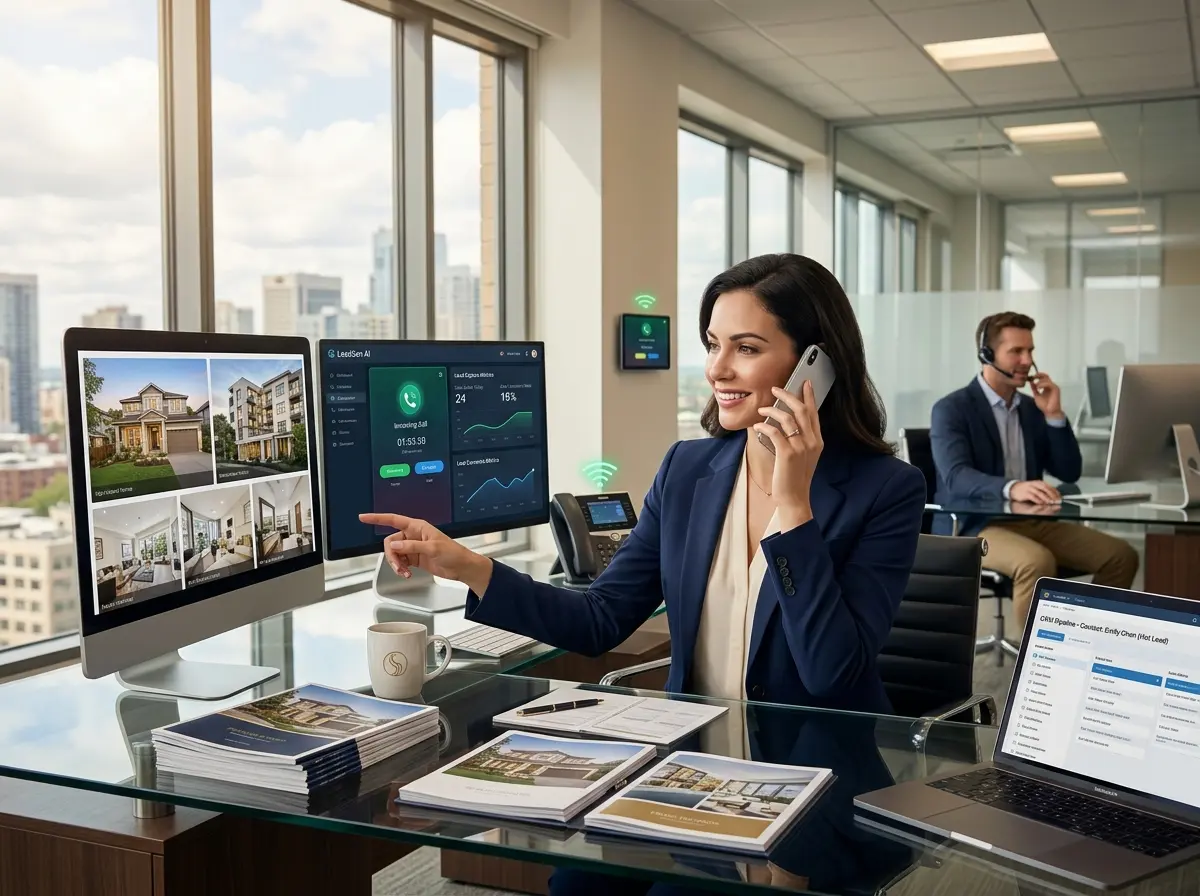
Here's a number worth sitting with: 62% of calls to small businesses go unanswered. Not during off-hours — in general. That means more than half of the people trying to give you their money are hitting dead air. And those aren't just random callers — they're often people who are ready to book, ready to buy, or ready to become loyal regulars. They chose to call you specifically, and you weren't there.
What makes this worse is the compounding effect. A customer who can't reach you doesn't just lose one transaction — they lose trust in your reliability. And unreliable businesses don't get referrals, don't get glowing reviews, and don't get the kind of word-of-mouth that money genuinely can't buy.
The Walk-In Experience Has the Same Problem
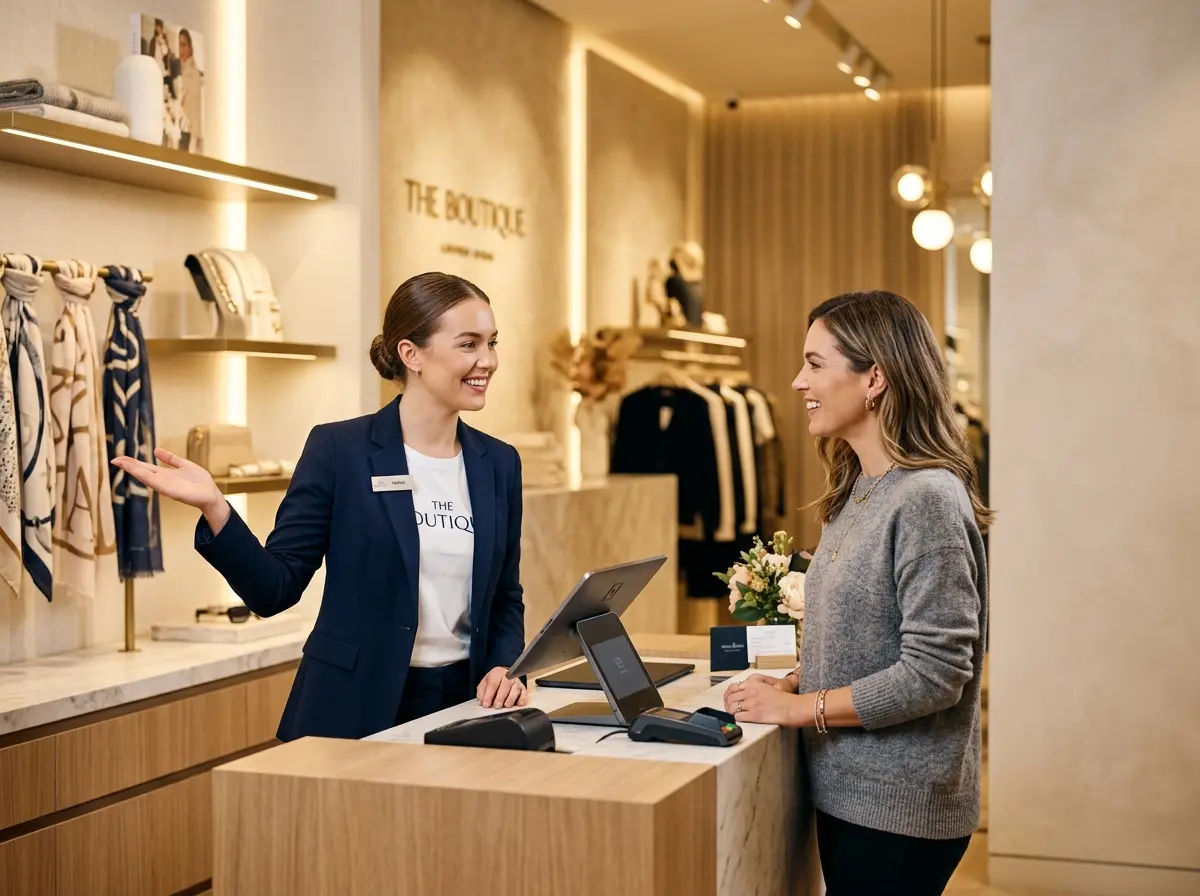
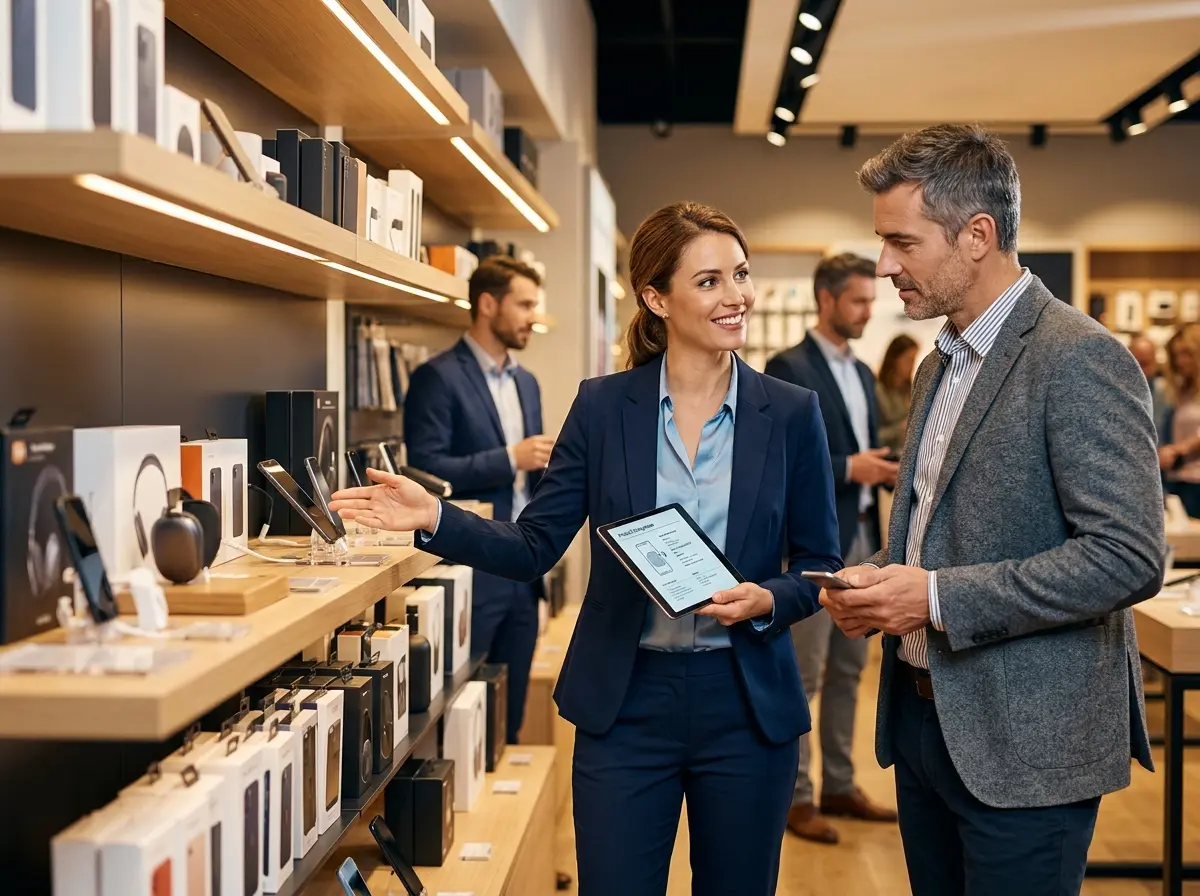
It's not just about phones. Walk-in customers who aren't greeted promptly, can't find answers to basic questions, or feel ignored during busy periods are just as likely to walk back out. Retail studies show that customers who are greeted within the first 30 seconds of entering a store are significantly more likely to make a purchase. First impressions are doing a lot of heavy lifting, whether your customers are calling in or walking through the door.
How Stella Fits Into the Picture
A Receptionist Who Never Clocks Out
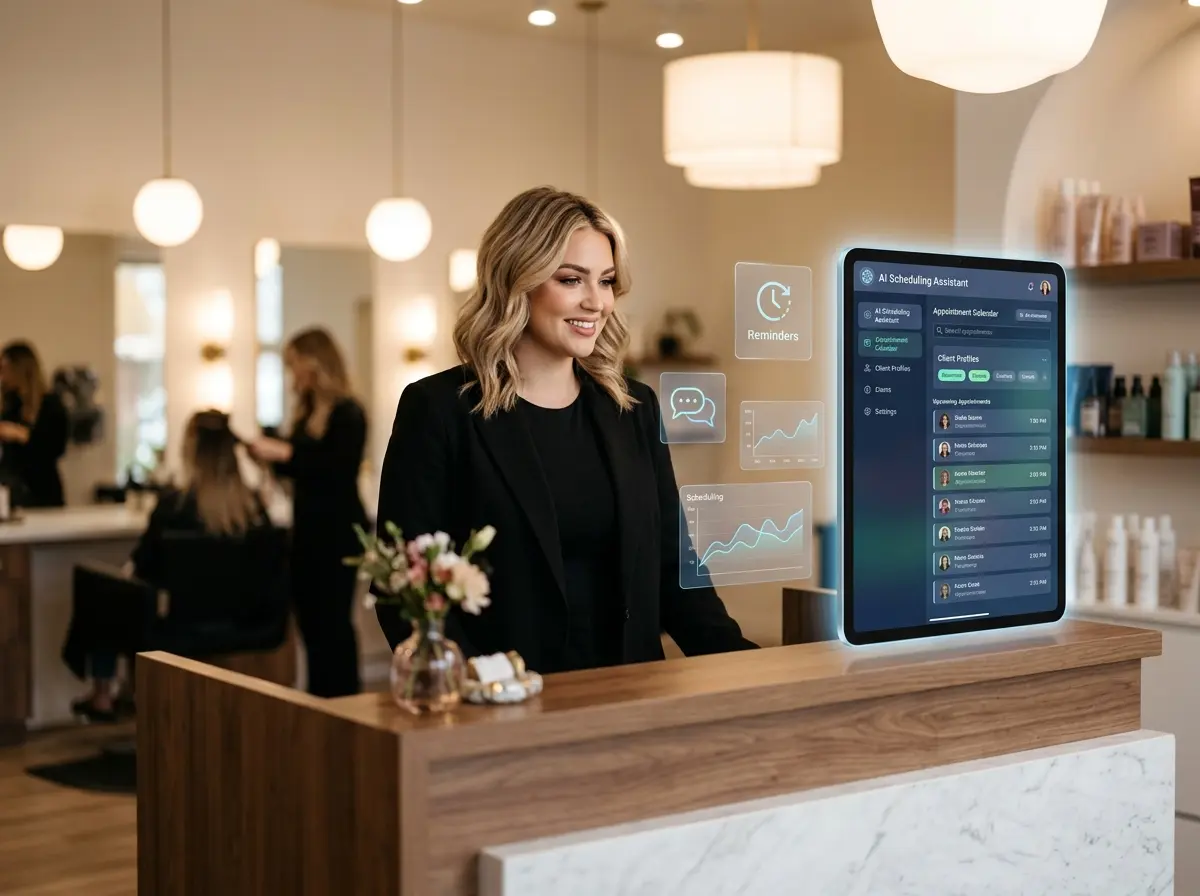
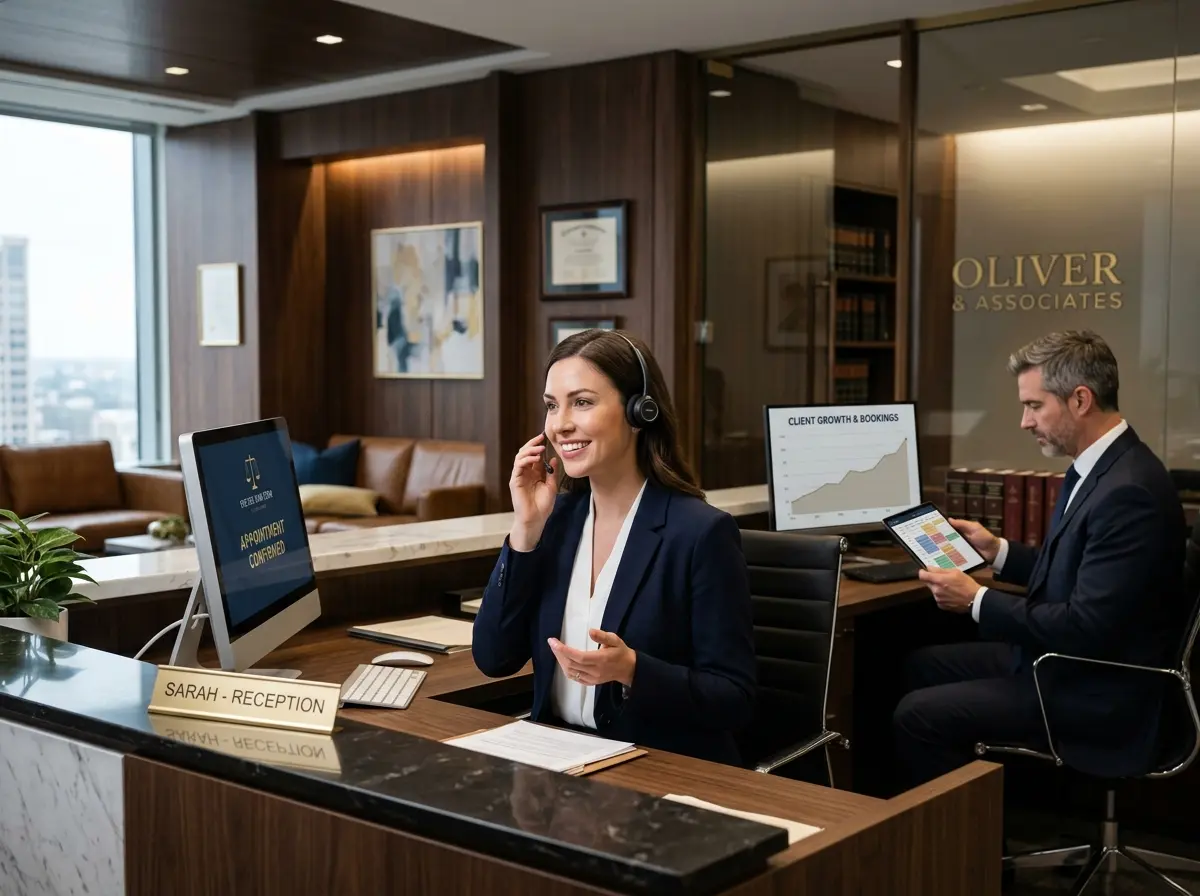
Stella is an AI robot employee and phone receptionist built specifically for businesses like yours. For businesses with a physical location, she stands inside your store as a friendly, human-sized AI kiosk — greeting every customer who walks by, answering questions about products, services, hours, and promotions, and proactively engaging people so your staff doesn't have to drop everything every time someone walks in. For any business, including online-only operations and solopreneurs, she answers phone calls 24/7 with the same business knowledge she uses in person.
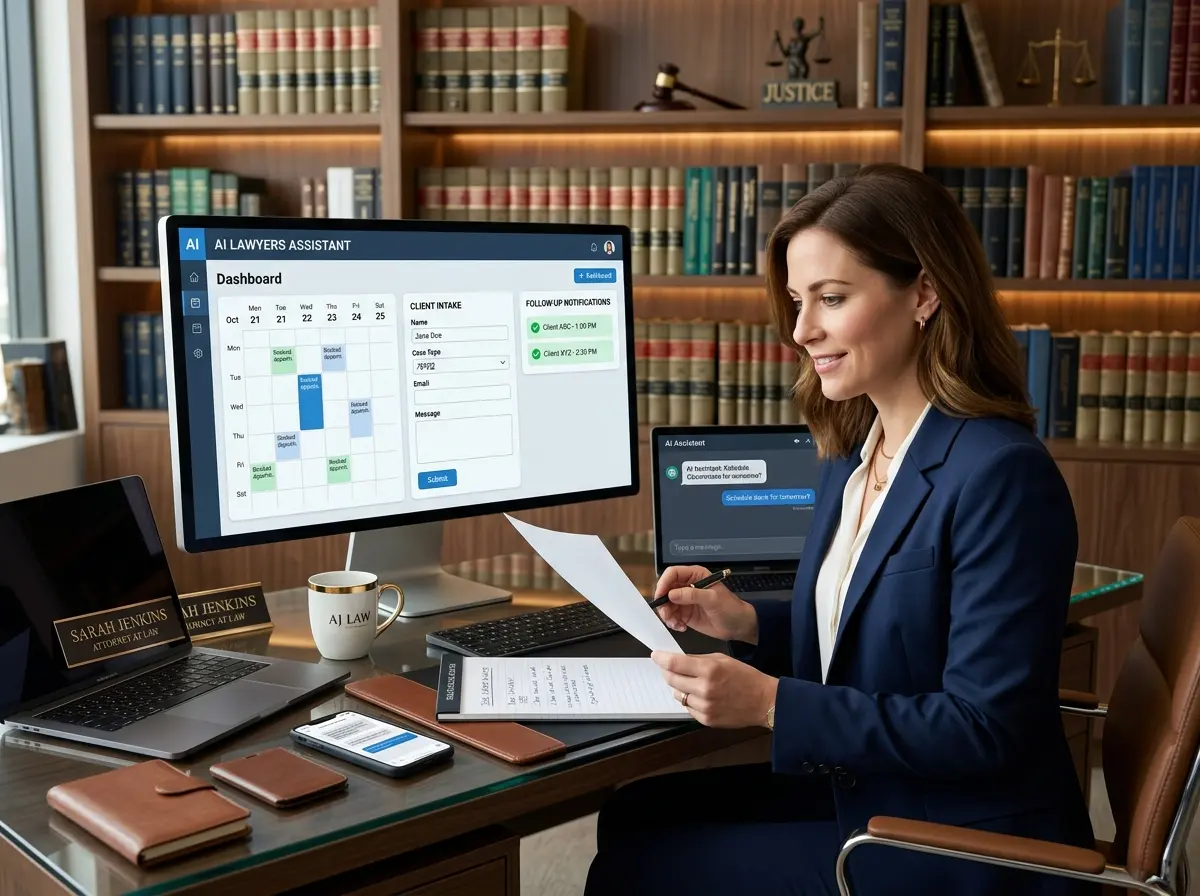
Stella can forward calls to human staff based on your configurable rules, or handle them entirely on her own. She takes voicemails with AI-generated summaries and sends push notifications to managers, so nothing falls through the cracks. She also collects customer information through conversational intake forms — during calls, at the kiosk, or on the web — and manages everything through a built-in CRM with custom fields, tags, notes, and AI-generated customer profiles. You get real data on who's calling, what they're asking, and how your promotions are landing. All of this starts at $99/month with no upfront hardware costs.
Practical Strategies to Win Customers Back
Make Contact Frictionless at Every Touchpoint
The first step to winning customers back — or preventing them from leaving in the first place — is eliminating friction. Every time a customer has to work to reach you, you're giving them a reason to go somewhere else. Audit your contact experience from a customer's perspective. Can someone reach you easily outside of business hours? Is there a live person or system ready to help immediately when they walk in? Are your hold times embarrassingly long? These aren't just inconveniences — they're decision points where customers choose to stay or leave.
Practical improvements to consider include extended availability through automated answering systems, clear and current business information on every platform (Google, Yelp, your website), and a staffing or technology solution that ensures no customer — in person or on the phone — goes unacknowledged.
Follow Up Like You Mean It
Most businesses are terrible at follow-up, and most know it. A missed call that gets a callback within five minutes converts at a dramatically higher rate than one returned hours later. According to Lead Connect, 78% of customers buy from the first business that responds to their inquiry. Not the best business. Not the cheapest. The first one to respond.
Build a follow-up system that treats every incoming inquiry — call, form submission, walk-in question — as a time-sensitive opportunity. This means having notifications in place so managers know the moment something comes in, and clear ownership so someone is always responsible for following up. Even a simple "Hey, we saw you called — how can we help?" message sent within minutes can recover a customer who was already mentally moving on.
Turn One-Time Visitors Into Regulars
Winning a customer back is great. Not losing them in the first place is better. Building repeat business comes down to a few reliable principles: make them feel remembered, give them a reason to return, and make every subsequent interaction slightly better than the last. This doesn't require a massive loyalty program or an expensive CRM suite — it starts with the basics.
Know who your customers are. Capture their contact information when it makes sense. Note what they bought, what they asked about, what problems brought them to you. When they come back or call again, that context makes the interaction feel personal rather than transactional. Customers who feel known come back. Customers who feel like a ticket number go elsewhere.
Quick Reminder About Stella
Stella is the AI robot employee and phone receptionist that makes sure no customer — walking in or calling in — ever feels ignored. She greets, she answers, she upsells, she follows up, and she keeps your CRM tidy while doing it. She works 24/7, never calls in sick, and is ready to represent your business from day one for just $99 a month.
Stop Losing Customers You Never Had to Lose
The customers who called and got no answer, who walked in and got no greeting, who had a simple question and couldn't find an answer — most of them aren't gone for dramatic reasons. They left because it was easier to leave than to stay. That's actually encouraging news, because it means the solution doesn't require a complete business overhaul. It requires consistency, availability, and the willingness to treat every interaction like it matters.
Here's where to start:
- Audit your missed calls from the last 30 days. How many went unanswered? How many were followed up on? Be honest with yourself.
- Evaluate your in-store greeting experience. Walk in as a customer would and see how long it takes for someone to acknowledge you.
- Build a follow-up process with clear ownership and time expectations — no inquiry should go unaddressed for more than a few hours.
- Start capturing customer information at every touchpoint so you can build relationships, not just transactions.
- Consider tools that fill the gaps your team can't — especially after hours, during busy periods, and at the front door.
Your customers aren't asking for perfection. They're asking to feel like you're glad they showed up. Give them that, and they'll come back. Give them nothing, and well — your competitor's phone is ringing right now.