Introduction: The Open House Follow-Up Problem Nobody Wants to Talk About
Picture this: You've just hosted a wildly successful open house. Forty-seven people walked through the door, smiled politely at the kitchen backsplash, took a brochure, ate your cookies, and left. You collected names and phone numbers on a sign-in sheet — some of which are actually legible — and now you're sitting in your car on Sunday evening staring at a legal pad wondering how on earth you're going to follow up with all of them before they sign with someone else.
If you're a real estate agent or team leader, this scene probably feels uncomfortably familiar. The open house is the easy part. The follow-up is where deals are won or lost, and most teams are doing it inconsistently at best, not at all at worst. According to the National Association of Realtors, over 80% of home buyers say they would work with their agent again, yet the average agent loses most of their past clients simply due to lack of follow-up. That's not a talent problem. That's a systems problem.
The good news? CRM automation has made it genuinely possible for a real estate team — even a small one — to follow up with every single open house visitor, without hiring three more assistants or working through the night. Here's how one team did it, and how you can too.
The Problem With Manual Follow-Up (And Why Your Team Keeps Dropping the Ball)
The Data Entry Black Hole
The journey from open house sign-in sheet to meaningful follow-up is longer than most agents realize. First, someone has to transcribe the handwritten names and numbers into a spreadsheet or CRM — assuming the handwriting is decipherable, which it often isn't. Then someone else has to categorize those leads by interest level, assign them to agents, and draft personalized messages. All of that before anyone has actually reached out.
For a team hosting multiple open houses per weekend, this manual pipeline becomes an actual bottleneck. Leads go cold. People forget. The follow-up that was supposed to happen Monday morning gets pushed to Wednesday, then Friday, then "next week sometime." By then, that buyer has already toured six other properties and is under contract with someone who called them on Sunday night.
The Personalization Paradox
Here's the cruel irony of real estate follow-up: generic messages don't work, but personalized messages take forever to write. A text that says "Hi! Thanks for stopping by our open house!" is easy to send but easy to ignore. A message that references the specific property, acknowledges what the visitor said they were looking for, and suggests a next step? That one actually gets a response — but only if someone remembers the conversation clearly enough to write it.
This is where most teams give up and settle for generic blasts, wondering why their conversion rate from open house to actual client is sitting somewhere around 1-2%. The visitors aren't uninterested. They're just being treated like a name on a list rather than a real prospect.
The Capacity Problem
Even agents who genuinely want to follow up with everyone run into a simple math problem. If you host two open houses per weekend and average 30 visitors each, that's 60 new contacts every single week. Personalized outreach for 60 people, layered on top of managing active clients, writing offers, and running your business? Something has to give. And unfortunately, it's usually the follow-up.
How One Real Estate Team Fixed This With CRM Automation
Setting Up the System Before the Open House
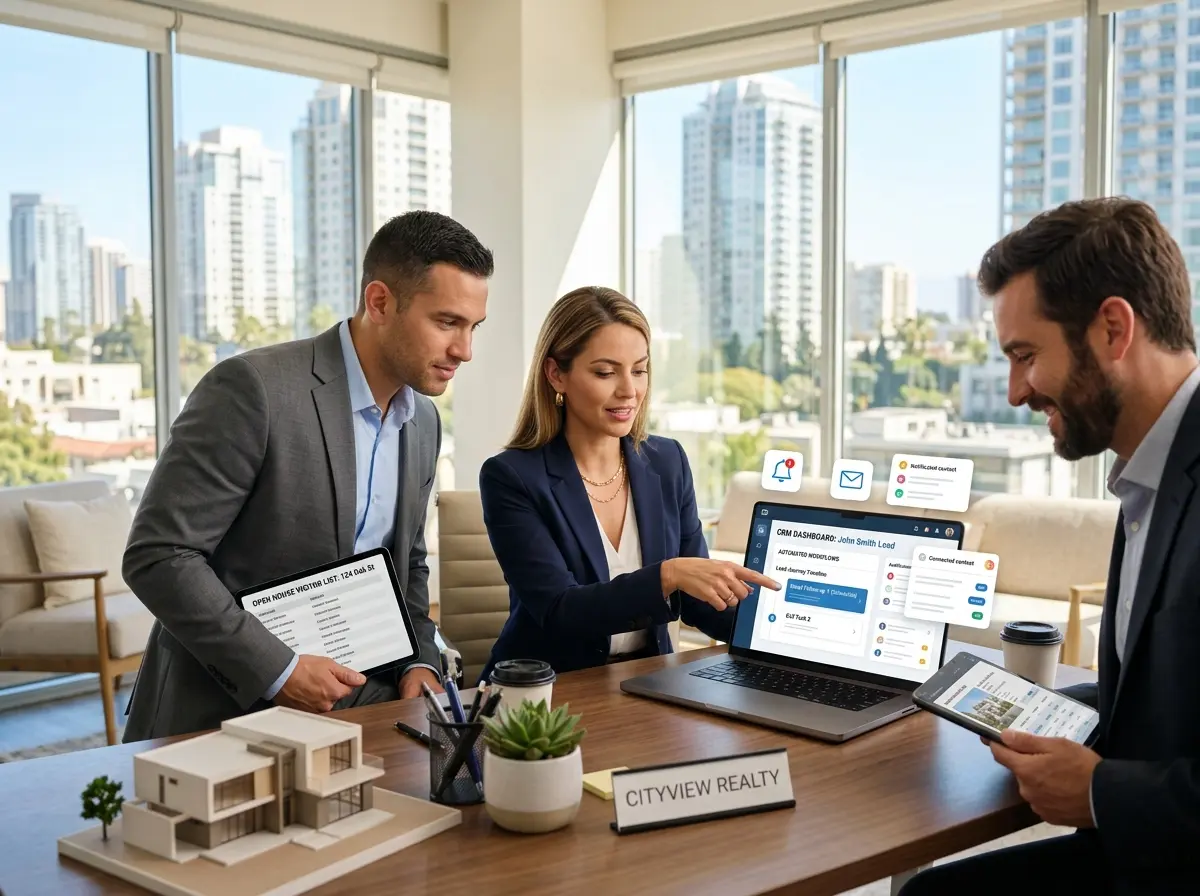
The team in question — a five-person real estate group — decided to stop treating follow-up as something that happened after the open house and start treating it as something that was configured before the open house. They set up their CRM with a dedicated pipeline stage for open house visitors, complete with custom fields for the property address, visit date, stated budget, timeline, and interest level. They also built out a series of automated follow-up sequences triggered by a single tag: "open house visitor."
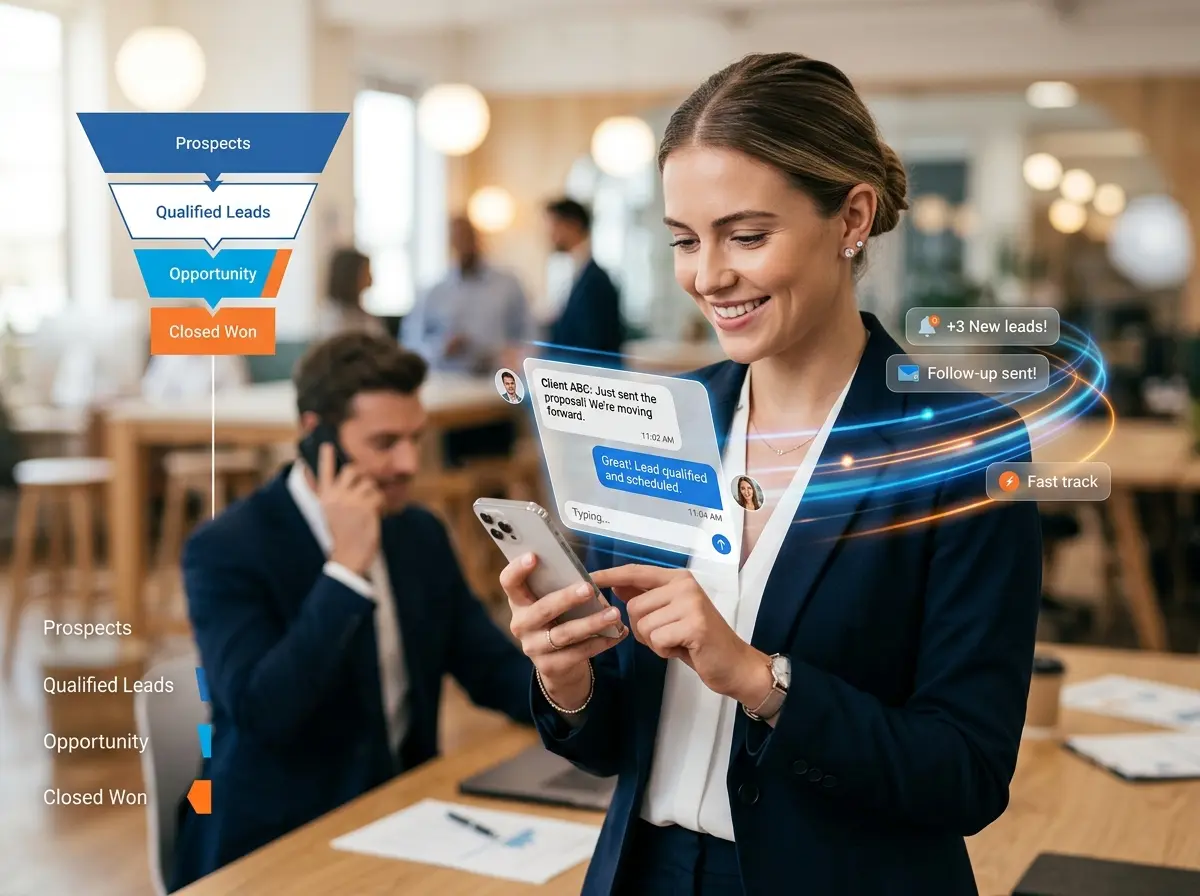
When a visitor was added to the CRM with that tag, the automation kicked off immediately: a personalized text message within 15 minutes of the open house ending, a follow-up email the next morning with a link to the listing and similar properties, and a task assigned to the responsible agent to make a personal phone call within 48 hours. The system did the scheduling. The agent did the connecting.
Capturing Better Data at the Door
The team also upgraded their intake process. Instead of a paper sign-in sheet, they used a digital intake form on a tablet at the entrance. The form asked for name, phone, email, whether they were pre-approved, their timeline to purchase, and whether they were working with another agent. This data flowed directly into the CRM, automatically creating a contact profile and triggering the appropriate automation sequence — no manual data entry required.
The result was immediate. Data quality improved dramatically. Every visitor was in the system within seconds of arriving. And because the intake form asked the right questions upfront, the automated follow-up messages could actually reference relevant details, making them feel far more personal than the generic alternatives.
Where Tools Like Stella Come In
Automating the First Touchpoint
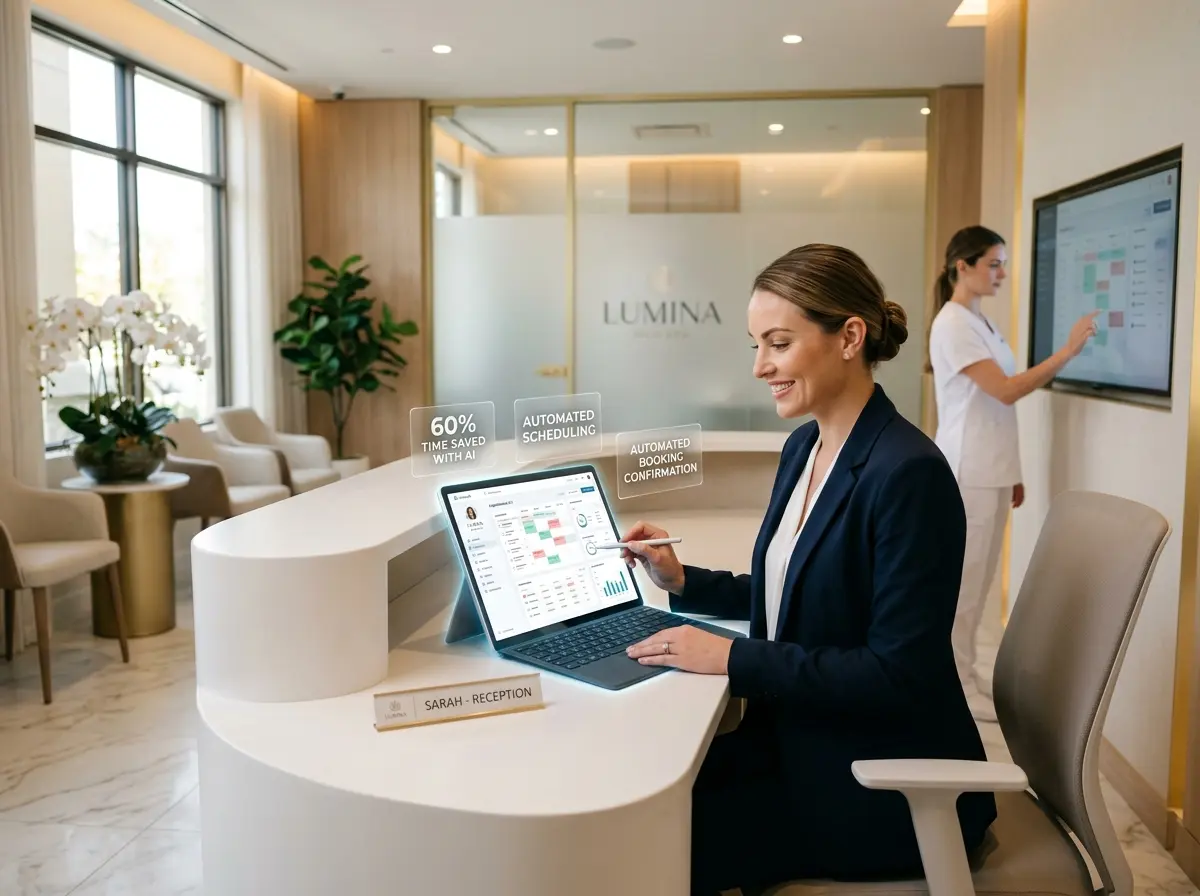
While CRM automation handles the post-visit follow-up, the moment of capture is equally important — and that's where Stella, the AI robot employee and phone receptionist, can play a meaningful role for real estate teams and other client-facing businesses. Stella's built-in CRM and conversational intake forms allow businesses to collect visitor information naturally — through conversation at a kiosk, over the phone, or on the web — and push that data directly into organized contact profiles with custom fields, tags, and AI-generated summaries.
For real estate offices that host events, manage walk-in inquiries, or field a constant stream of calls from curious buyers, Stella handles the intake so the human agents can focus on the actual relationship-building. She answers phones 24/7, collects prospect information during the call, and ensures that no inquiry — however it arrives — falls through the cracks before it ever reaches the CRM.
Building Follow-Up Sequences That Actually Convert
The First 48 Hours Are Everything
Speed matters more than almost anything else in real estate follow-up. Studies consistently show that leads contacted within the first hour are seven times more likely to convert than those contacted even an hour later. For open house visitors specifically, the window is even tighter — these are people who have physically shown up, which means their interest is real and their decision timeline is usually active.
Your first automated message should go out the same day as the open house, ideally within the first few hours of it ending. Keep it short, warm, and specific to the property they visited. Reference something from the listing. Include a clear next step — whether that's scheduling a private showing, checking out similar listings, or simply inviting them to reply with questions. The goal isn't to close them in the first message. It's to keep the conversation open.
Designing a Multi-Touch Sequence That Doesn't Feel Spammy
After the initial message, a well-designed follow-up sequence typically spans two to three weeks and includes a mix of channels and content types. A good framework might look like this:
- Day 0: Personalized text message thanking them for visiting and referencing the specific property.
- Day 1: Email with the listing link, a few similar properties, and a soft call-to-action.
- Day 3: Personal phone call from the assigned agent.
- Day 7: Value-add email — market update, neighborhood stats, or a helpful buying guide.
- Day 14: A check-in message asking if their search is still active and offering to help narrow things down.
The key is that each touchpoint should feel like a natural next step, not a sales pitch. Automation handles the timing and delivery. Your agents handle the conversations that follow. That combination — reliable systems plus human warmth — is what separates teams that convert open house visitors into clients from teams that watch them disappear into the internet.
Segmenting by Intent to Prioritize Effort
Not every open house visitor is the same, and your CRM should reflect that. Use the intake data to segment your contacts into priority tiers: hot leads (pre-approved, actively looking, short timeline), warm leads (interested but not yet pre-approved or further out), and cold leads (browsing casually or just ate your cookies). Your automated sequences can differ by segment, and your agents know exactly where to focus their personal outreach energy. Hot leads get a phone call within 24 hours. Warm leads get nurtured over the coming weeks. Cold leads get added to a long-term drip campaign that keeps your team top of mind when they're eventually ready to get serious.
Quick Reminder About Stella
Stella is an AI robot employee and phone receptionist designed to help businesses never miss a customer interaction — whether someone walks into your office or calls after hours. She greets visitors, collects information through conversational intake forms, manages contacts through a built-in CRM, and answers phone calls 24/7 with full knowledge of your business. At just $99/month with no upfront hardware costs, she's one of the most cost-effective ways to make sure every lead is captured and every inquiry is handled professionally — even when your human team is busy closing deals.
Conclusion: Stop Leaving Open House Leads on the Table
The real estate team that inspired this post went from a chaotic, inconsistent follow-up process to a system that automatically contacted every single open house visitor within hours — no matter how many people attended or how busy the weekend got. Their contact-to-conversation rate increased significantly in the first month, and two of their first automated follow-up sequences resulted in signed buyer agreements within two weeks.
None of this required a bigger team. It required a better system. Here's where to start:
- Audit your current follow-up process. How many open house visitors from the last 60 days actually received a personal follow-up? Be honest.
- Set up a digital intake process that captures structured data and flows directly into your CRM — no more transcribing sign-in sheets.
- Build at least one automated sequence triggered by the "open house visitor" tag, covering the first 14 days with a mix of text, email, and agent-assigned tasks.
- Segment your leads by intent so your agents know where to invest their personal follow-up energy.
- Review and optimize monthly. Which messages are getting replies? Which aren't? Automation isn't "set it and forget it" — it's "set it and improve it."
The buyers who visited your open house are out there right now, still searching, still making decisions. The only question is whether they're going to hear from you first — or from the agent who already had a system in place. Build the system. Make the contacts. Close the deals.