You vs. The Everything Store: A Fight Worth Having
Let's be honest — competing with Amazon feels a little like showing up to a knife fight and discovering your opponent has a drone army. Amazon ships products in hours, never closes, has infinite inventory, and somehow still manages to recommend exactly what you didn't know you needed. And yet, thousands of local retailers are not just surviving against this behemoth — they're thriving. So what do they know that you don't?
The answer isn't to out-Amazon Amazon. That race is already lost. The winning strategy is to become something Amazon fundamentally cannot be: local, personal, trusted, and present in a way that a warehouse in New Jersey never will be. Customers increasingly want to shop local — nearly 70% of consumers say they prefer to support local businesses when given a comparable experience. The key phrase there is "comparable experience." That's where most local retailers drop the ball, and that's exactly what this post is here to fix.
Play to Your Strengths (Because Amazon Has None of These)
The Human Connection Advantage
Amazon's interface is a search bar. Yours is a handshake, a smile, and the ability to say, "Actually, I think you'd love this instead." That's a competitive moat that no algorithm has cracked — and trust us, they've tried. Customers who walk into a physical store are already primed for a different kind of experience. They chose to leave their couch. Your job is to make sure they don't regret it.
Train your staff to engage proactively, not reactively. The difference between "Let me know if you need anything!" (which customers hear as "please don't talk to me") and "Have you seen our new arrivals in the back? We just got something I think you'd really like" is enormous. Personal recommendations, genuine conversation, and product knowledge that goes beyond a star rating — these are your weapons. Use them.
Build Community, Not Just Transactions
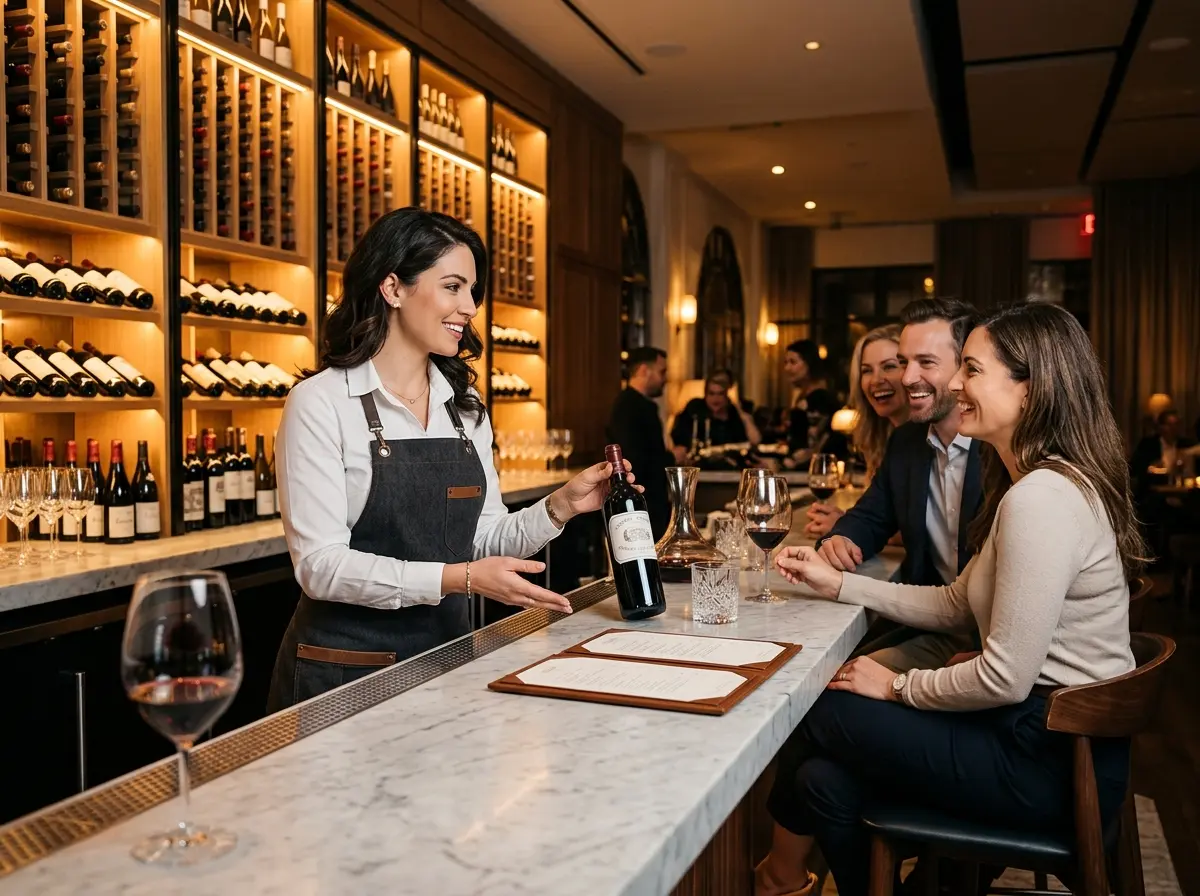
Amazon cannot host your wine-and-shop evening. Amazon cannot sponsor your local 5K or know that a customer's daughter just started playing soccer and needs cleats. Community-building is the highest-ROI marketing most local retailers neglect entirely because it doesn't feel like marketing. That's exactly why it works.
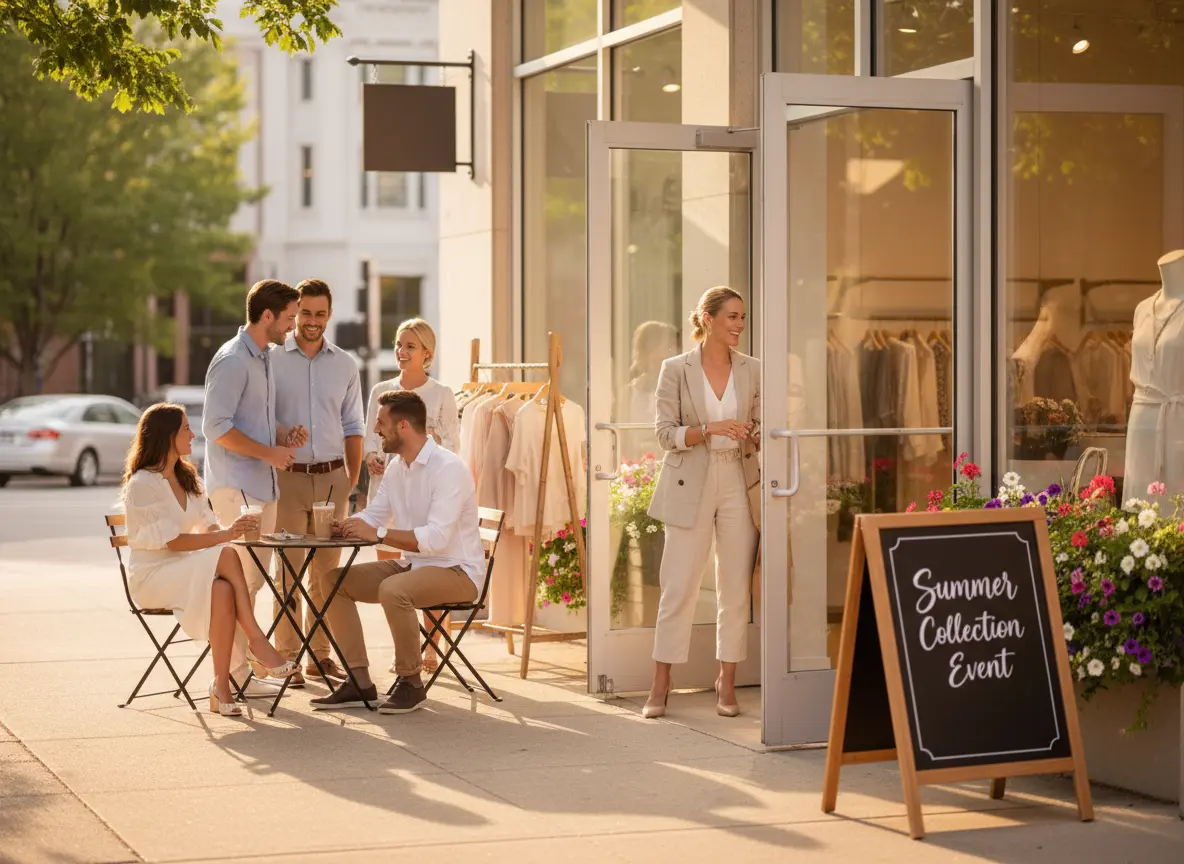
Consider hosting in-store events tied to your product category — a cooking demo at a kitchen store, a skincare workshop at a boutique, a "meet the maker" night if you carry local goods. Email your customer list. Post on social media. Partner with neighboring businesses. These efforts compound over time and create loyal customers who choose you first — not after checking if Amazon can get it to them faster.
Leverage Local SEO Like Your Business Depends on It (Because It Does)
When someone nearby types "running shoes near me" or "best gift shop in [your city]," your store should appear — prominently. Local SEO is one of the most cost-effective ways to compete with larger players because Amazon, for all its power, cannot outrank you for hyper-local intent searches the way a well-optimized Google Business Profile can.
Claim and fully complete your Google Business Profile. Add photos regularly, respond to every review (yes, even the cranky ones — especially the cranky ones), post updates about events and promotions, and encourage satisfied customers to leave reviews. A consistent flow of genuine reviews dramatically improves your local search visibility. Pair that with a well-organized website and some locally-targeted content, and you've built a digital front door that actually opens for the right people.
Let Technology Work for You, Not Against You
Upgrade Your In-Store and Phone Experience
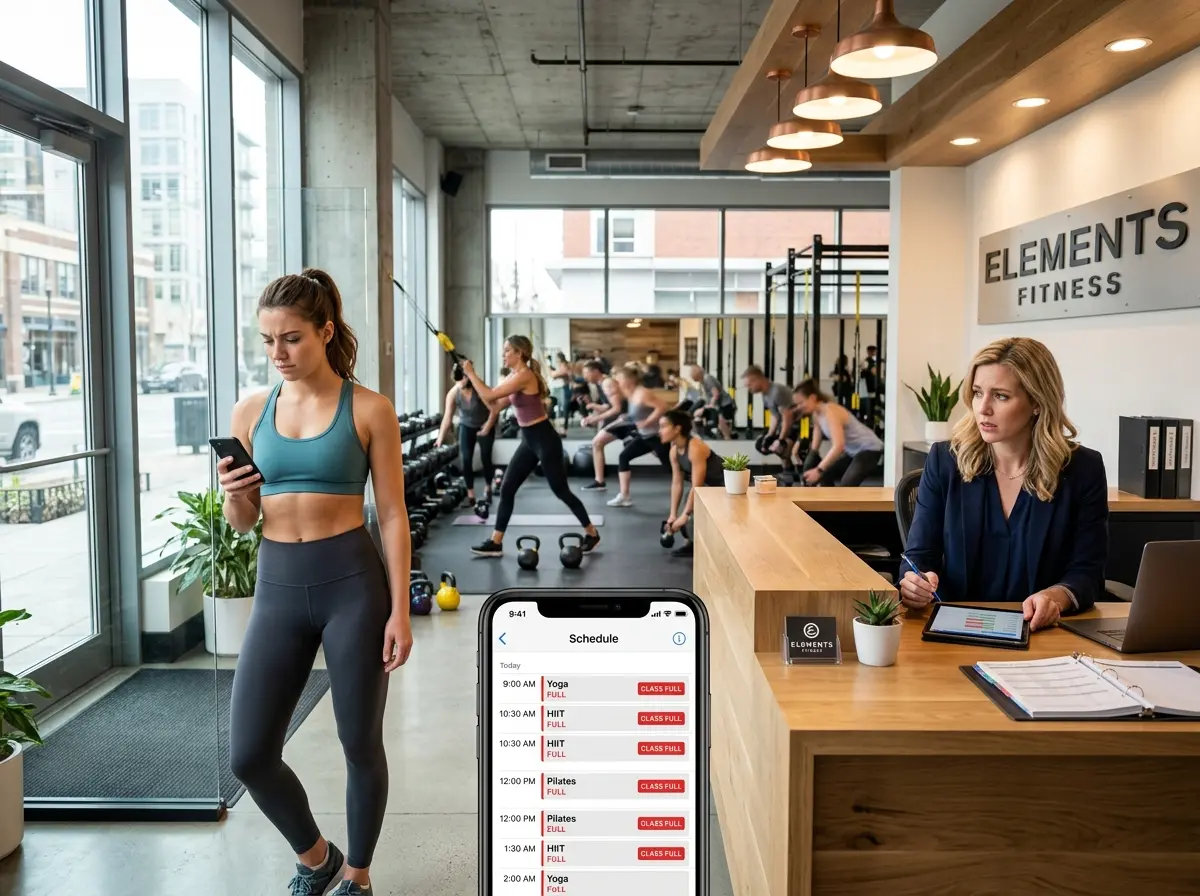
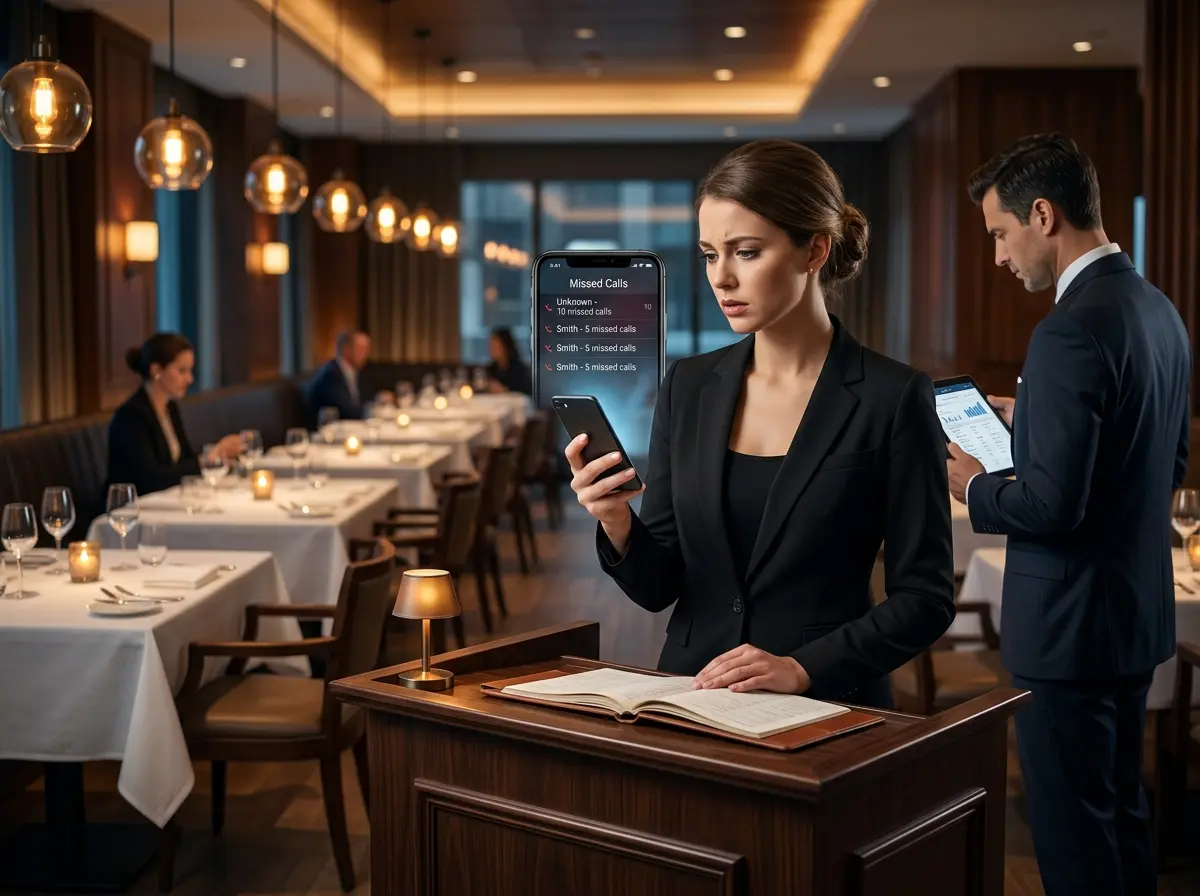
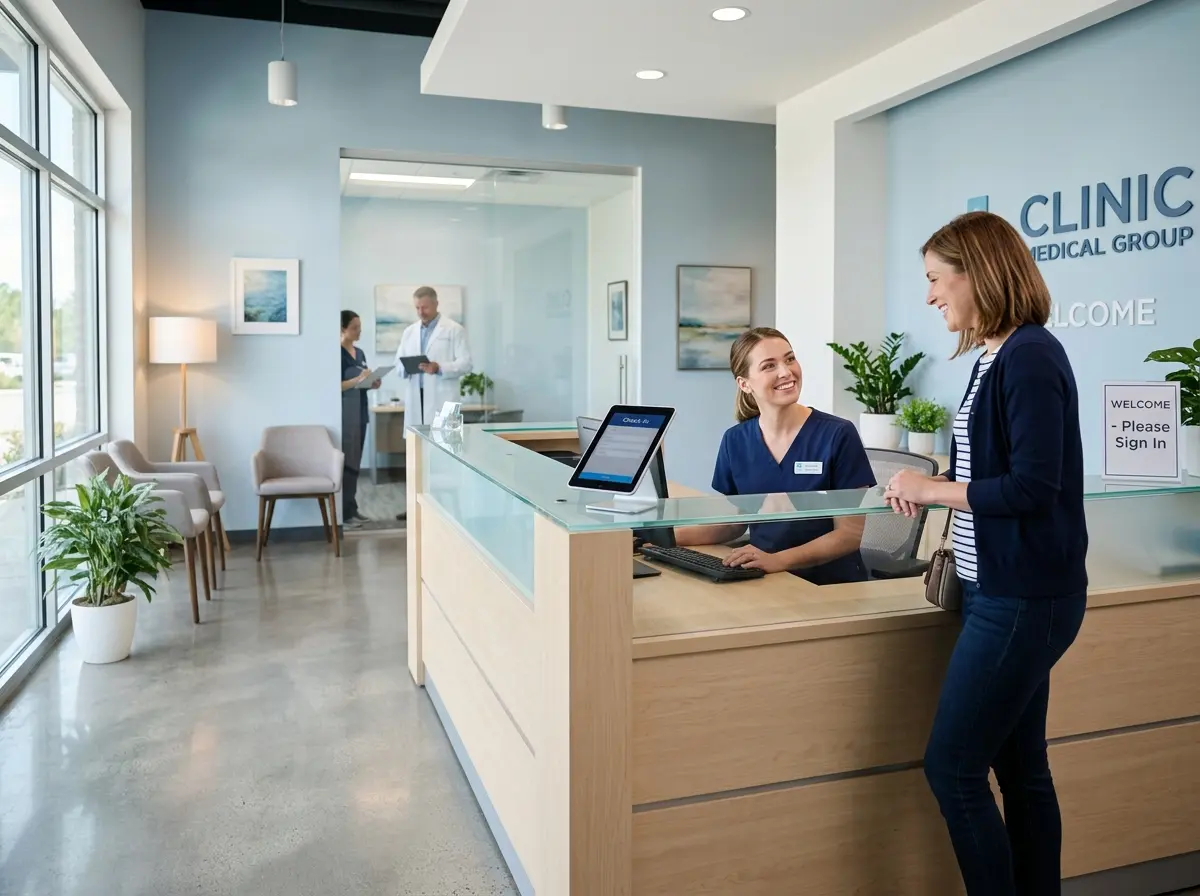
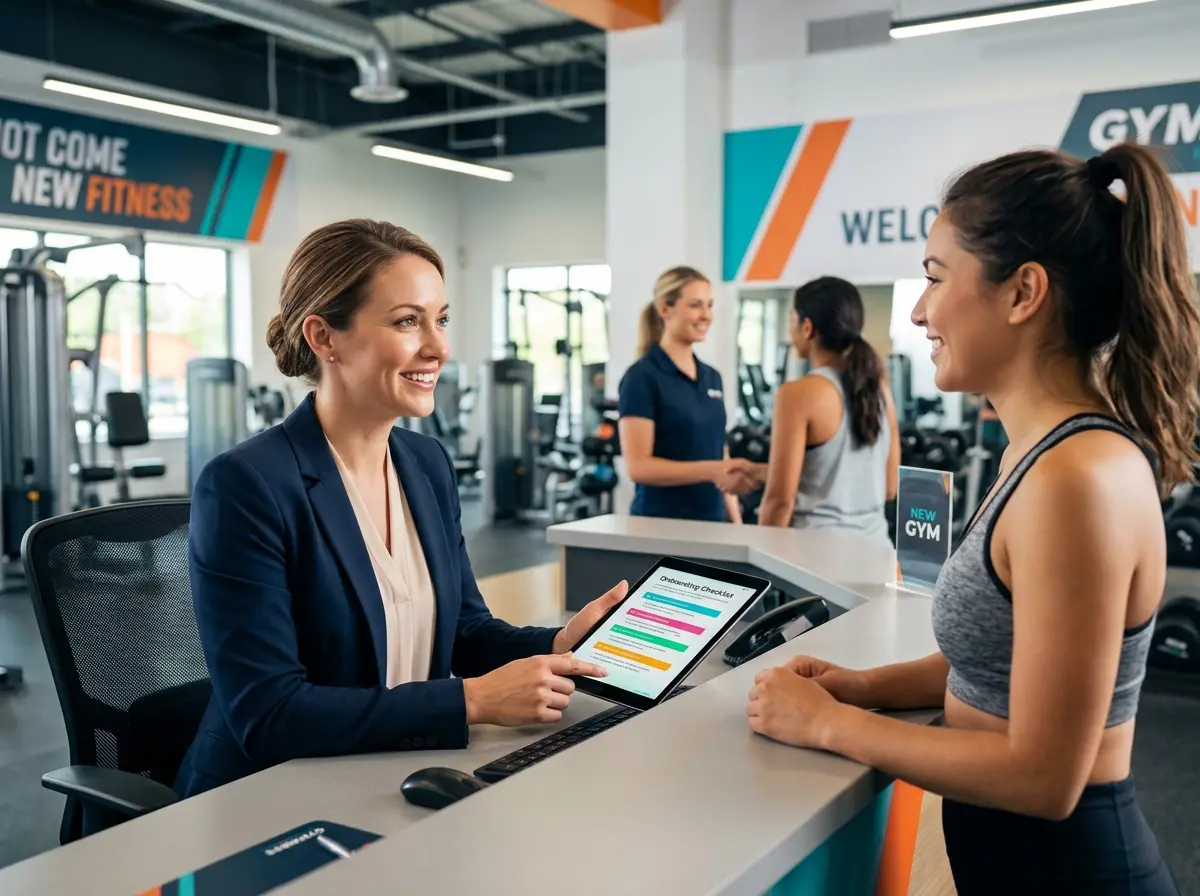
Here's an uncomfortable truth: Amazon wins partly because it's consistent. It's always there. It always answers. It never has an off day. Your store, on the other hand, might have a distracted employee on Tuesday afternoon, an unanswered phone on a busy Saturday, and a customer who walked out because nobody greeted them. These are fixable problems — and fixing them levels the playing field significantly.
This is where Stella, an AI robot employee and phone receptionist, quietly becomes one of the smartest investments a local retailer can make. Inside your store, Stella stands as a friendly, human-sized kiosk that greets every customer who walks by, answers questions about products and promotions, upsells related items, and collects customer information — all without pulling your staff away from what they're doing. On the phone side, Stella answers calls 24/7 with the same business knowledge she uses in person, handles intake forms conversationally, forwards calls to staff when needed, and even sends AI-generated voicemail summaries with push notifications so nothing falls through the cracks. For $99/month with no hardware costs, it's the kind of consistent, professional presence that used to cost a full-time salary.
Price Smart, Not Cheap
Stop Trying to Win on Price — Win on Value
Trying to beat Amazon on price is a strategy with exactly one ending, and it's not a good one. Their margins, logistics infrastructure, and scale make a pure price war unwinnable for any independent retailer. But here's what's fascinating: price is rarely the only reason people buy. Studies consistently show that customers will pay a premium for better service, expertise, convenience, and trust — often up to 15–20% more than the lowest available price.
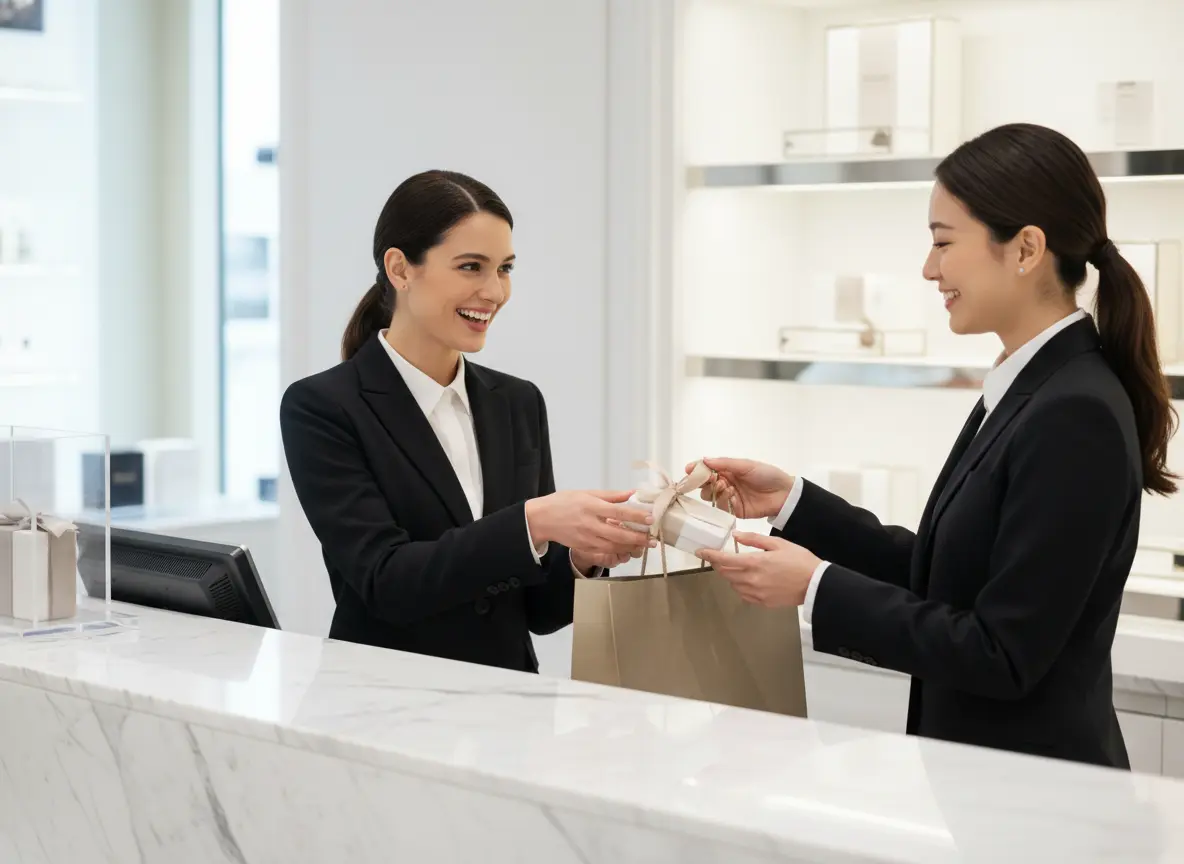
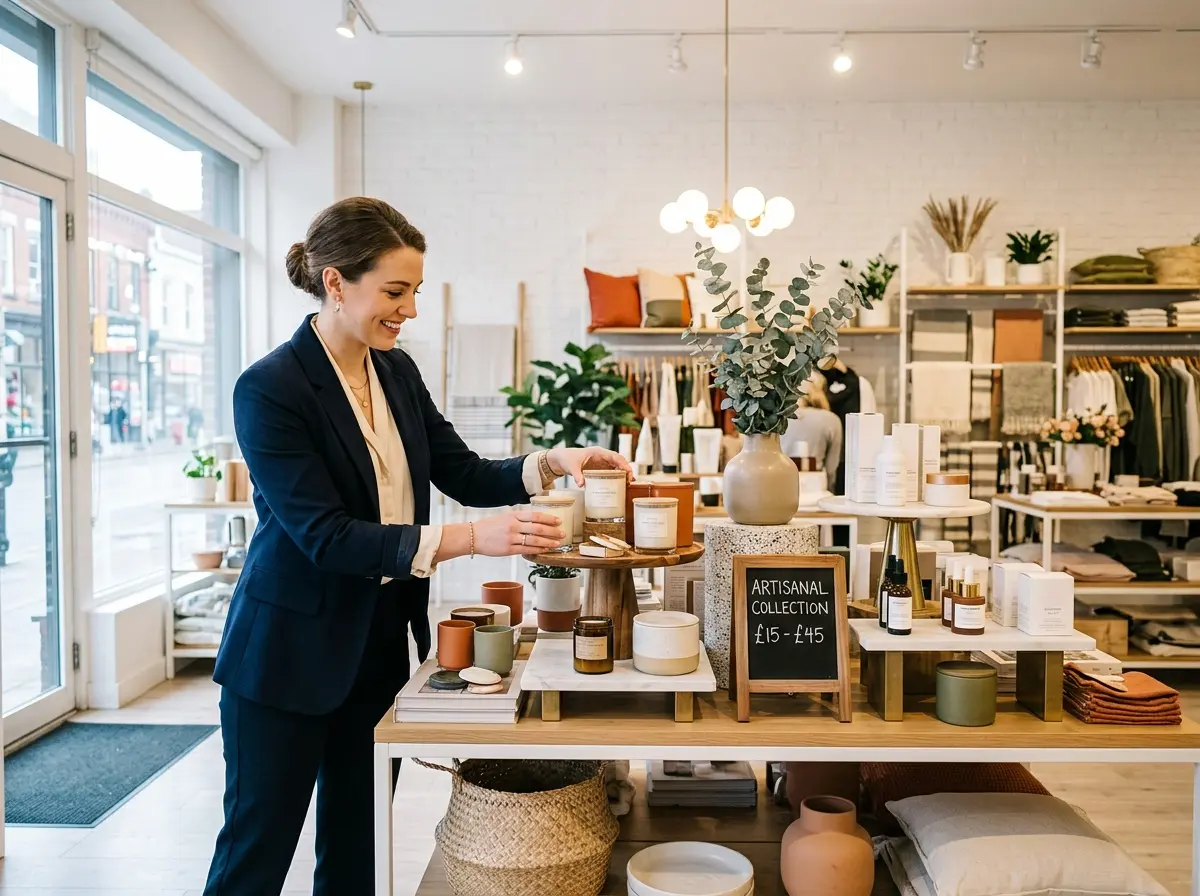
Instead of discounting your way to oblivion, focus on bundling, exclusive products, and value-adds that justify your price. Offer free gift wrapping. Provide a genuine warranty or return policy that doesn't require a 47-step return process. Carry items your local community actually wants, including local or artisan products Amazon doesn't stock. When customers understand why your price is what it is, they stop comparing you to a warehouse and start comparing you to the experience they actually want.
Create a Loyalty Program That Actually Rewards Loyalty
Loyalty programs have become table stakes in retail, but most of them are either too complicated, too stingy, or so forgettable that customers lose the card in 48 hours. A well-designed loyalty program isn't just a discount mechanism — it's a relationship builder and a data goldmine.
Keep it simple: reward purchases, celebrate birthdays, and give loyal customers early access to sales or new products. Use whatever customer data you collect to make your outreach feel personal, not automated. "Hey Sarah, the candle you loved is back in stock" will outperform "Dear Valued Customer" every single time. The goal is to make customers feel like insiders — because people who feel like insiders don't go shopping somewhere else.
Own the Post-Purchase Experience
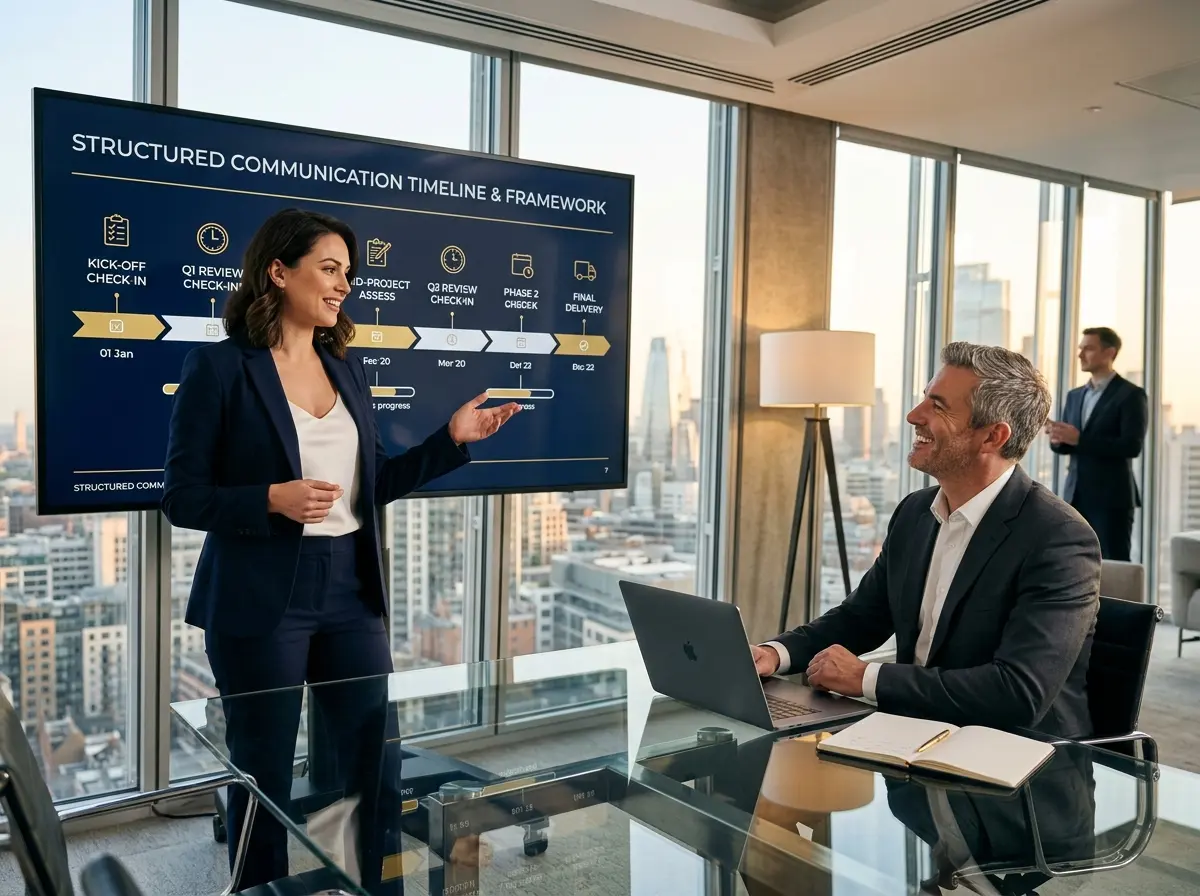
Amazon is excellent at getting products to customers. It is considerably less excellent at making customers feel anything afterward. Your follow-up game can be a genuine differentiator. A thank-you text or email after a purchase, a check-in after a week to see how they're enjoying the product, or a simple handwritten note in the bag — these touches are inexpensive and wildly underused. The post-purchase moment is when customer loyalty is actually formed, and most retailers abandon the customer the second the transaction is complete.
A Quick Word About Stella
Stella is an AI robot employee and phone receptionist built for businesses exactly like yours — retail shops, restaurants, salons, gyms, medical offices, and more. She greets customers in person, answers calls around the clock, promotes your current deals, and helps your team stay focused on what they do best. At $99/month with no upfront hardware costs and an easy setup, she's the kind of reliable, always-on team member that doesn't call in sick on your busiest Saturday of the year.
The Local Retailer Who Wins Is the One Who Shows Up — Completely
Competing with Amazon isn't about matching what they do. It's about doing what they can't. And the retailers who understand this are already winning. They've invested in genuine customer relationships, smart community presence, consistent service, and the kind of personalized experience that makes customers actually look forward to shopping with them.
Here's your actionable playbook to get started:
- Audit your in-store and phone experience this week. Walk in as a customer. Call your own store. Be brutally honest about what you find.
- Claim and fully optimize your Google Business Profile if you haven't already. Add photos, respond to reviews, and post a current promotion.
- Design or refresh your loyalty program with simplicity and personalization as the guiding principles.
- Plan one community event for the next 60 days and start promoting it now.
- Look at where your customer experience has gaps — after hours calls, unanswered questions, missed greetings — and explore tools like Stella that can fill them affordably.
Amazon has the scale. You have the soul. With the right strategy and the right tools, that's more than enough to win.