So You Want to Be a YouTube Chiropractor (Good Choice)
Let's be honest — when people feel that familiar crack in their neck or wake up with a lower back that's auditioning for a role in a disaster movie, the first thing they do isn't call their chiropractor. They go to YouTube. They search "why does my back hurt when I sit," watch three videos, self-diagnose seventeen conditions, and then — if you've done this right — they find your channel, trust your face and your expertise, and book an appointment.
Creating Content That Educates, Builds Trust, and Gets Found
Start With What Your Patients Are Already Asking
Optimize for Search Like a Human, Not a Robot
YouTube is a search engine, which means your video title, description, and tags matter more than you think. Titles like "Chiropractic Video #14" are the digital equivalent of a blank business card. Instead, write titles that match what people are actually typing: "How to Relieve Lower Back Pain at Home (Chiropractor Explains)" or "What Happens During Your First Chiropractic Adjustment?"
Build a Content Mix That Moves People Down the Funnel
Not all YouTube content serves the same purpose, and the smartest channels create a mix that captures viewers at different stages of awareness. Think of it in three layers: educational content (top of funnel — broad topics like "signs you need a chiropractor"), trust-building content (mid-funnel — patient testimonials, office tours, day-in-the-life videos), and decision-driving content (bottom of funnel — "what to expect at your first visit," pricing FAQs, specific condition treatment explanations). A viewer might find you through an educational video, binge your trust-building content over the next week, and then book after watching your "first visit" walkthrough. That's a patient journey you designed intentionally — and it's incredibly powerful.
Don't Let Your Office Drop the Ball When YouTube Delivers
Turn Views Into Booked Appointments Seamlessly
This is exactly where Stella quietly becomes one of your most valuable team members. She answers every phone call, 24/7 — including the 9 PM call from someone who just binged four of your videos and is ready to book. She can handle intake questions, collect patient information through conversational intake forms, and forward urgent calls to a human when needed. If your practice also has a physical location, Stella's in-store kiosk presence means walk-ins are greeted professionally and immediately — no more patients standing awkwardly at the front desk while your receptionist is with someone else. YouTube brings them in the door; Stella makes sure they actually stay.
Growing Your Channel, Your Authority, and Your Local Reputation
Consistency Beats Perfection Every Single Time
Leverage YouTube Content Across Every Marketing Channel
Engage With Your Audience Like a Real Human (Because You Are One)
Quick Reminder About Stella
Stella is an AI robot employee and phone receptionist built for businesses like yours — she greets patients at your front desk, answers calls around the clock, and handles intake and questions so your human team can focus on delivering great care. At just $99/month with no upfront hardware costs, she's the front-of-office support that never calls in sick, never puts a patient on hold indefinitely, and never forgets to mention your current promotions.
Your YouTube Channel Won't Build Itself (But It's Closer Than You Think)
Here's your actionable starting point:
- This week: Write down 10 questions your patients ask most often. These are your first 10 video topics.
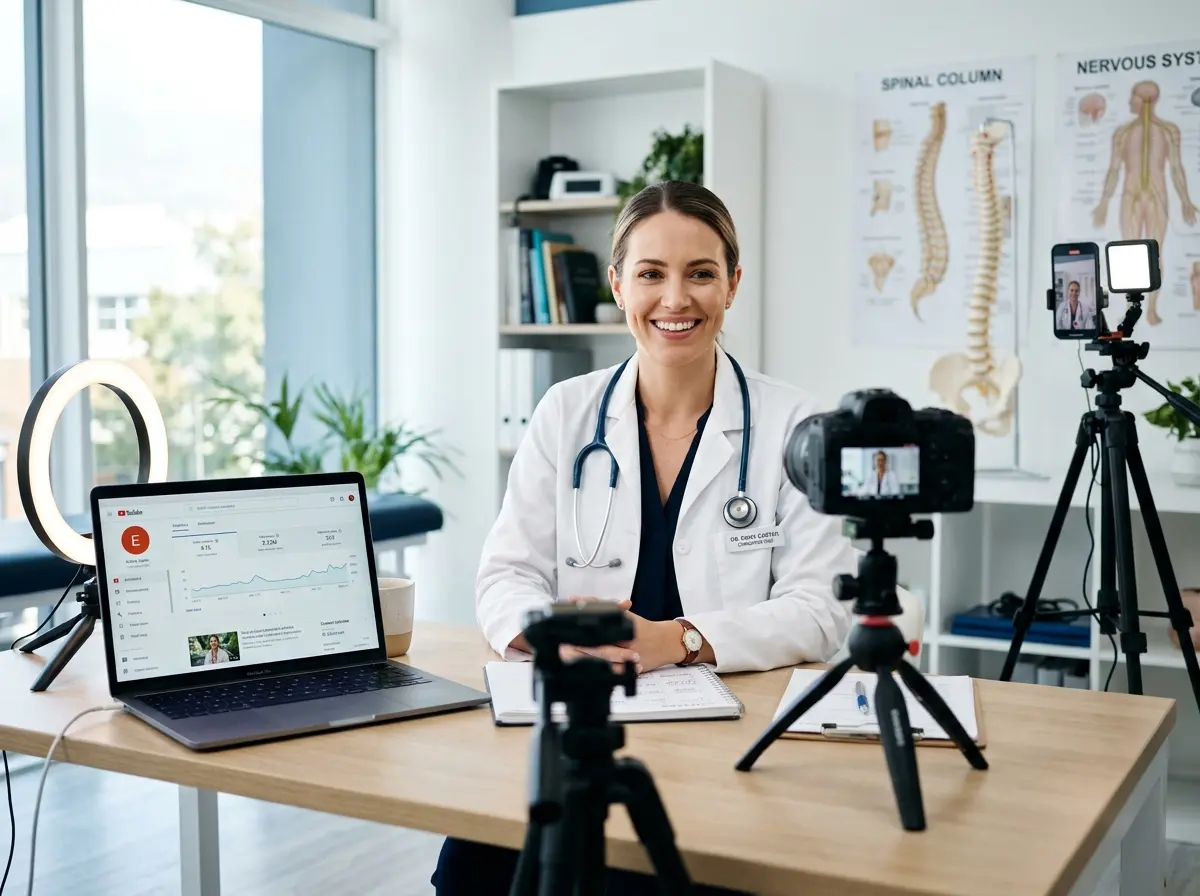
- Next week: Set up your filming space. You don't need perfection — clean, well-lit, and quiet is enough.
- Week three: Record and publish your first video. Optimize the title, description, and tags for search.
- Ongoing: Post consistently, repurpose content across platforms, and respond to every comment.
- Simultaneously: Make sure your office is ready to receive the patients your videos send you — phones answered, questions handled, first impressions nailed.