When the Phone Won't Stop Ringing (and Neither Will the Tickets)
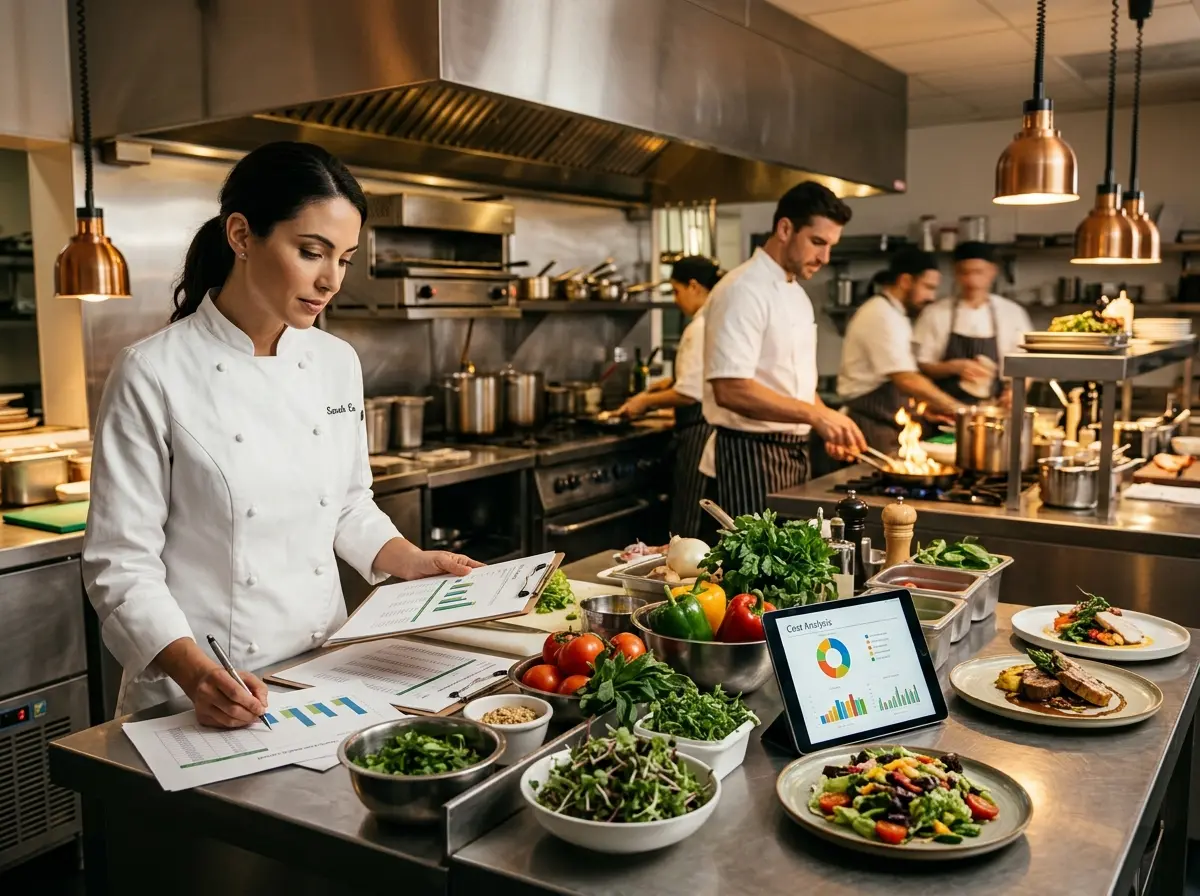
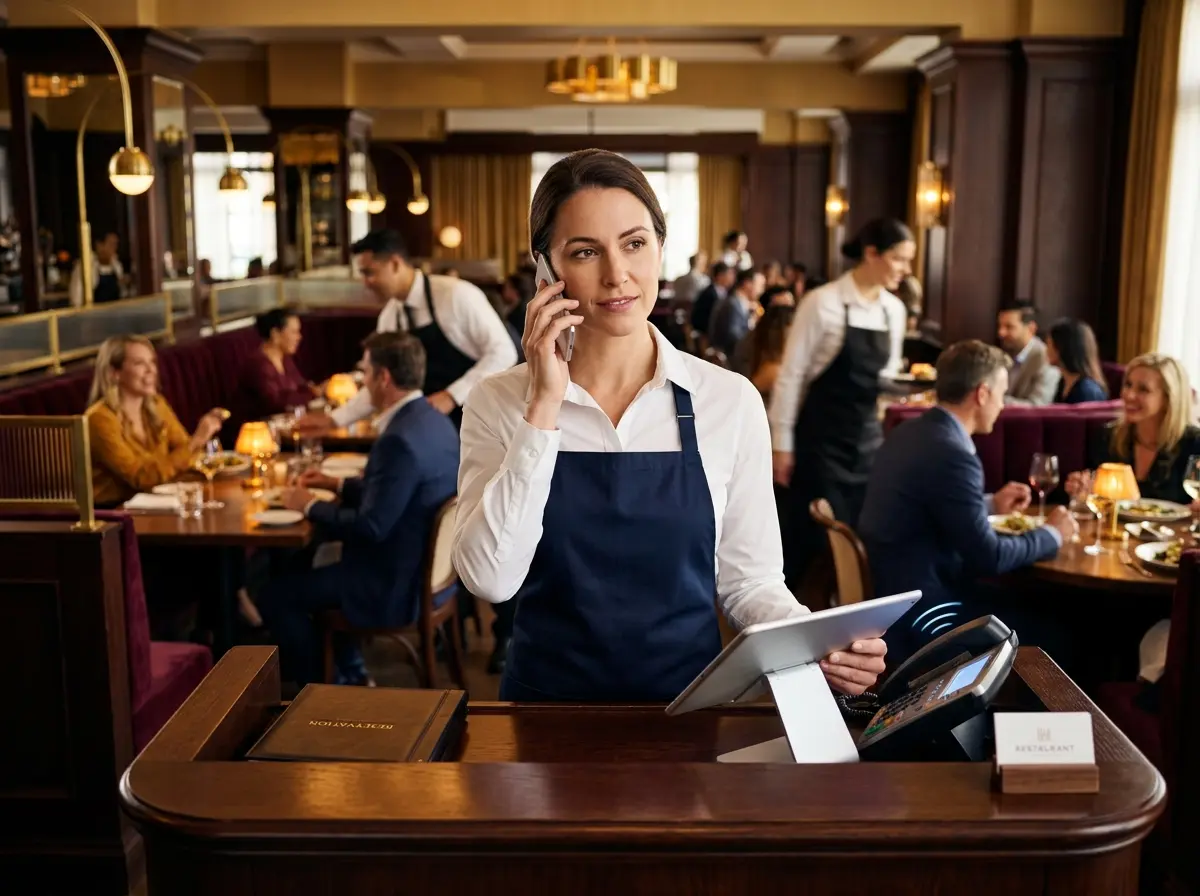
Picture this: it's 6:47 PM on a Friday. Your kitchen is operating at full capacity, your servers are juggling tables like circus performers, and somewhere in the chaos, the phone is ringing. Again. It's been ringing every three minutes for the past hour. Someone wants to know if you're open. Someone else wants to place a to-go order. Another person would like to know — in great detail — every ingredient in your pasta primavera because their cousin's neighbor's dog might have a gluten sensitivity.
Welcome to rush hour.
For restaurant owners, the dinner rush is both the best and worst part of the day. It's where revenue is made and where operational sanity goes to die. Managing high call volume during peak hours is one of the most underestimated challenges in the industry — and one of the most costly when handled poorly. Missed calls mean missed orders. Frustrated callers become former customers. And your staff? They're already drowning.
The good news is that this is a solvable problem. Let's talk about how.
Understanding the Real Cost of Rush Hour Call Chaos
Missed Calls Are Missed Revenue — Full Stop
It sounds obvious, but the math is worth doing. Studies suggest that restaurants miss as many as 30–40% of incoming calls during peak hours. If even a fraction of those are catering inquiries, reservation requests, or large to-go orders, you're not just losing a transaction — you're losing a relationship. A missed call from someone planning a birthday dinner for twelve people could represent hundreds of dollars walking out the door before they ever walked in.
And unlike a customer who has a bad experience at the table, a caller who can't get through doesn't complain — they just don't come back. There's no feedback, no second chance, and no way to know how many you've lost.
The Hidden Toll on Your Staff
Here's a scenario your team knows by heart: a host is mid-seating when the phone rings. They either let it ring — risking a missed opportunity — or they stop, answer, and give a half-distracted response while the customer standing in front of them waits awkwardly. Neither outcome is great.
Constantly interrupting service staff to answer phones creates cognitive overhead that compounds throughout a shift. It slows table turns, degrades the in-person customer experience, and frankly, it frustrates your team. Staff burnout is real, and the phone is one of the sneakiest contributors to it during busy service.
The Caller Experience Matters More Than You Think
When someone calls your restaurant and gets a rushed, distracted, barely-audible response — or worse, a voicemail during peak hours — the impression it leaves is lasting. Restaurants live and die by reputation, and that reputation is built in moments like these. A caller who feels like an inconvenience becomes a Yelp review. A caller who gets a helpful, friendly, knowledgeable response becomes a loyal regular. The phone call is often the first interaction someone has with your brand. Treat it accordingly.
Smarter Tools for a Smarter Rush
Let Technology Carry the Load
This is where modern restaurant owners have a genuine advantage their predecessors didn't. AI-powered phone solutions can now handle incoming calls with the same warmth and knowledge you'd expect from a well-trained front-of-house employee — without the risk of them getting overwhelmed, going on break, or suddenly needing a shift swap.
Stella, the AI robot employee and phone receptionist, is built exactly for moments like the Friday night rush. She answers every call — no hold music, no missed connections — and handles common questions about your hours, menu, specials, and policies with natural, conversational ease. She can take to-go orders, collect customer information through built-in intake forms, and even forward calls to a human staff member when the situation genuinely calls for it. Her built-in CRM logs every interaction, so you're not just managing tonight's rush — you're building a database of your customers over time. For restaurant owners juggling in-person chaos, having Stella as a reliable, 24/7 phone presence isn't a luxury. It's a lifeline.
Operational Strategies to Reduce Rush Hour Phone Pressure
Proactively Publish What Callers Are Going to Ask Anyway
A significant portion of the calls flooding your line during rush hour are asking the same handful of questions: What are your hours? Do you take reservations? Is the kitchen still open? Can I customize the salmon? You can dramatically reduce inbound call volume by making this information aggressively easy to find.
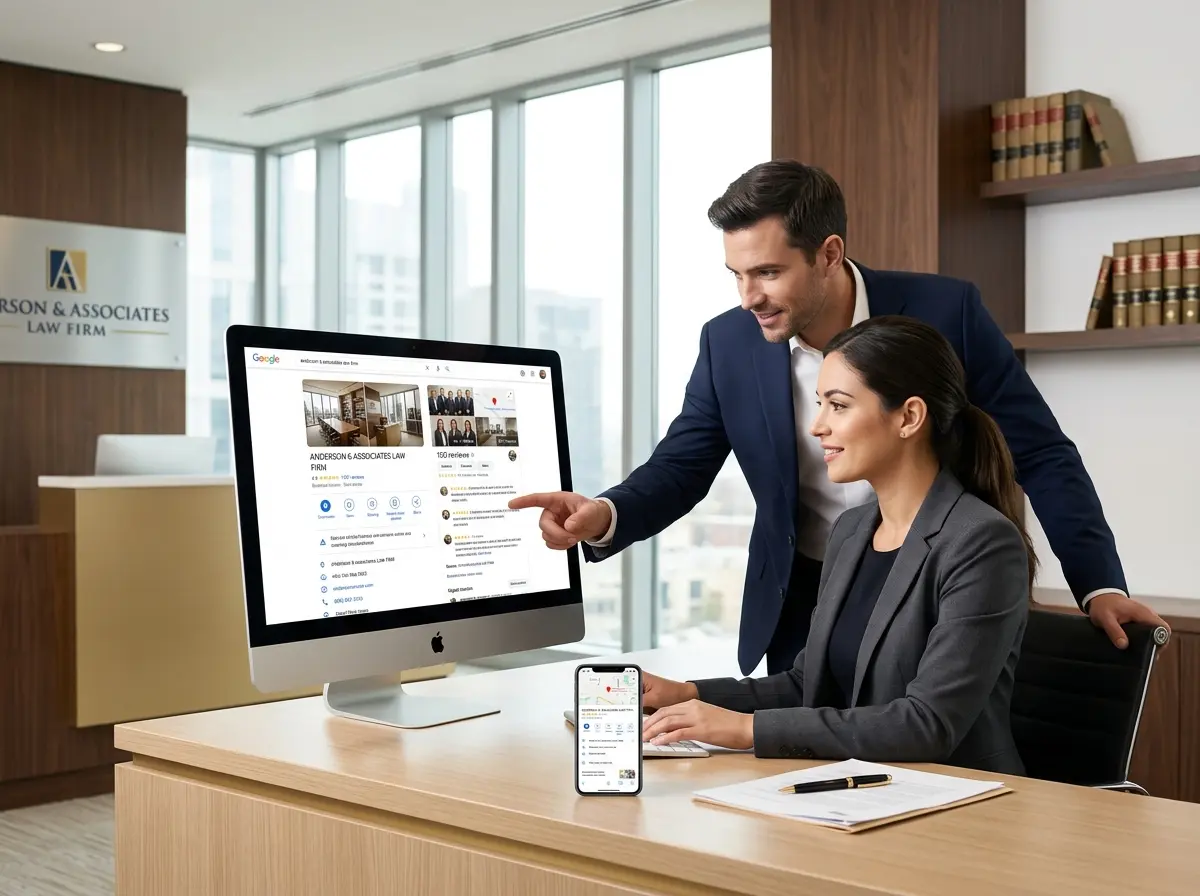
Update your Google Business Profile obsessively. Keep your website's hours, menu, and FAQ current. Use your social media to announce specials proactively instead of waiting for someone to call and ask. When customers can self-serve information, they will — and your phone will thank you for it. Think of it as caller deflection through radical transparency.
Structure Your Staffing Around Call Peaks, Not Just Table Peaks
Most restaurateurs schedule floor and kitchen staff based on expected covers. But when's the last time you staffed specifically for phone volume? If your data shows that calls spike between 5 and 7 PM, consider assigning a dedicated team member to phone duty during that window — or at minimum, ensuring there's always someone available who isn't simultaneously managing tables.
It's also worth looking at your reservation and order intake systems. If you don't already have an online ordering platform or reservation app, this is the low-hanging fruit. Every order placed online is a call that never happened. Encourage customers to use these channels through signage, social media, and even verbal prompts from your staff. Online ordering adoption in the U.S. restaurant sector has grown significantly post-pandemic — your customers are ready for it, even if your systems aren't quite there yet.
Set Up a Call-Handling Protocol Your Team Actually Follows
Even the best technology and staffing decisions fall apart without a clear internal protocol. Does your team know who answers the phone when the host is occupied? Is there a script — even a rough one — for how to handle common calls quickly and professionally? What's the procedure for escalating a complaint that comes in via phone during service?
A simple, documented call-handling workflow can cut average call time and improve consistency dramatically. Train your team on it during a slow shift, not during service. Role-play the most common scenarios. Make it second nature before the Friday rush hits. The goal is to ensure that every caller — whether they're answered by a human or a well-configured AI — has the same quality experience every time.
Quick Reminder About Stella
Stella is an AI robot employee and phone receptionist built for businesses like yours. She answers calls 24/7, handles customer questions, promotes specials, collects intake information, and manages customer data through a built-in CRM — all for $99/month with no upfront hardware costs. Whether your rush hits at noon or midnight, she's ready, professional, and never needs a break.
Take Control of the Rush Before It Controls You
The dinner rush doesn't have to be the operational nightmare it so often becomes. With the right combination of smart technology, proactive information publishing, thoughtful staffing, and airtight internal protocols, you can turn your busiest hours from a source of stress into a source of pride.
Here's where to start:
- Audit your missed calls. If your phone system has reporting, pull it. Find out how many calls you're actually missing during peak hours and what that's potentially costing you in revenue.
- Update your public-facing information. Spend thirty minutes this week making sure your hours, menu, and FAQs are accurate and easy to find across every platform you're on.
- Create or refine your call-handling protocol. Write it down, train your team on it, and revisit it every quarter.
- Explore AI phone support. If your call volume is consistently outpacing your team's ability to handle it with grace, it's time to bring in reinforcements that don't require a W-2.
Your restaurant is only as strong as its weakest touchpoint. Don't let an unanswered phone be the thing standing between you and a full dining room. The rush is coming — make sure you're ready for it.