Introduction: The Fine Art of Selling More Without Feeling Like a Used Car Salesman
Let's be honest — the phrase "upselling in auto service" makes some shop owners cringe. It conjures images of a pushy advisor cornering a bewildered customer with a laundry list of "urgent" repairs that somehow didn't exist at the last visit. Customers are skeptical, advisors feel awkward, and everyone leaves a little worse off. Sound familiar?
Here's the good news: increasing your average repair order doesn't require manipulation, pressure tactics, or conveniently "discovering" problems that weren't there last week. It requires trust, timing, and a system. When done right, ethical upselling actually improves the customer experience — because you're helping people maintain a vehicle they depend on, before it becomes an expensive emergency on the side of a highway.
According to industry data, the average repair order at independent auto shops hovers around $350–$450. But shops that implement structured, transparent service recommendation processes consistently see averages climb to $550 or higher — without a single customer feeling pressured. That's not magic. That's process. Let's talk about how to build one.
Building a Foundation of Trust That Makes Upselling Natural
You cannot ethically increase ticket size without first earning the right to make recommendations. Customers who trust their service advisor say yes. Customers who feel like they're being sold to say no — and then leave a one-star review for good measure. Trust is your most valuable sales tool, and the good news is it's also free to build.
Transparent Multi-Point Inspections Are Non-Negotiable
If your shop isn't doing a documented, standardized multi-point inspection (MPI) on every single vehicle that comes through the door, you're leaving money on the table and doing your customers a disservice simultaneously. A thorough MPI gives your advisors legitimate, evidence-based findings to present — not guesses, not hunches, not "we usually recommend this." Visual documentation, including photos and video, transforms a recommendation from "trust me" to "here's exactly what we found."
Customers who see a photo of their cracked serpentine belt are far more likely to approve the repair than customers who simply hear about it. Studies have shown that shops using digital vehicle inspections (DVIs) with photos see approval rates increase by 30–40% on recommended repairs. Let the evidence do the selling for you.
Train Advisors to Present, Not Pressure
There's a meaningful difference between a service advisor who presents findings and one who pushes services. The language matters enormously. Compare these two approaches:
- Pressure: "Your cabin air filter is really bad, you need to replace it today."
- Presentation: "We noticed your cabin air filter is pretty clogged — I can show you a photo. It's not an emergency, but it's affecting your air quality and AC efficiency. Want us to take care of it while the car is here?"
The second version informs, gives the customer agency, and respects their intelligence. Train your team to prioritize items by urgency — safety-critical, soon, and monitor — and let customers make informed decisions. When customers feel in control, they're more likely to approve additional work and more likely to come back.
Follow Up on Declined Services
Not every customer will say yes in the moment, and that's perfectly fine. What separates high-performing shops from average ones is what happens after a customer declines a recommendation. A structured follow-up system — whether through email, text, or a phone call — reminds customers of outstanding items and demonstrates that your shop genuinely cares about their vehicle's health. Declined service follow-ups are one of the highest-ROI activities an auto shop can do, with minimal cost and significant ticket-size impact over time.
How Technology Can Support Ethical Upselling
Even the best service advisors can't be everywhere at once. They're writing estimates, talking to technicians, handling complaints, and managing the chaos of a busy shop floor. That's where smart technology can quietly fill in the gaps — greeting customers, answering questions, and setting the stage for a positive service experience before your advisor even says hello.
Stella: Your Always-On Front Desk That Never Has a Bad Day
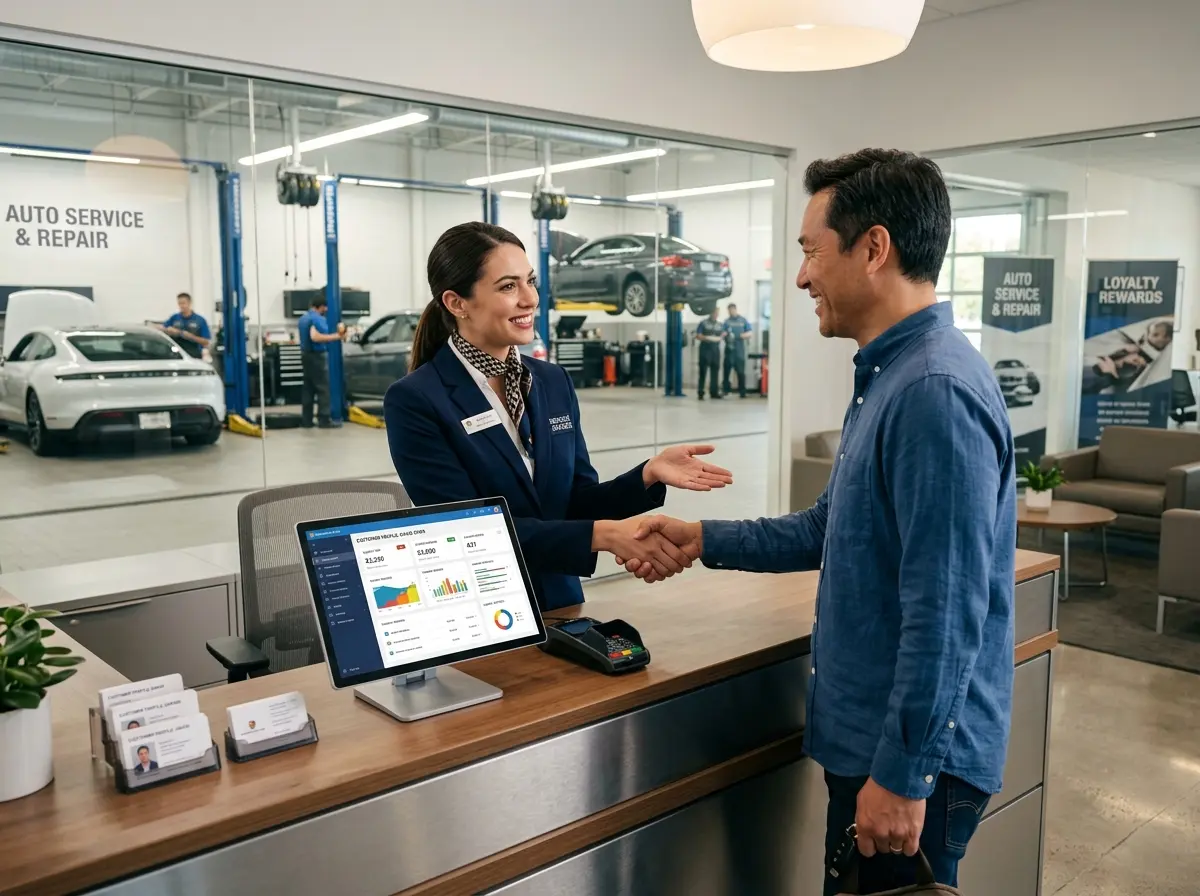
Stella is an AI robot employee and phone receptionist that can greet customers as they walk in, answer questions about services and promotions, and keep people informed while they wait — all without pulling your advisors away from revenue-generating work. For auto shops, this means customers arrive at the write-up desk already informed, already comfortable, and already warmed up to the idea of additional services.
On the phone side, Stella answers calls 24/7 with the same knowledge your best advisor would use — including current specials, service offerings, and appointment information. She can collect customer information through conversational intake forms, so by the time a customer walks in, your team already knows their name, vehicle, and reason for visiting. That kind of preparation makes every interaction feel personal, professional, and trustworthy — which, as we've established, is the foundation of every successful upsell.
Practical Strategies to Ethically Increase Ticket Size on Every Visit
With trust established and technology working in your corner, it's time to get tactical. These are the specific, actionable strategies that high-performing auto shops use to grow revenue without growing complaints.
Bundle Maintenance Services Intelligently
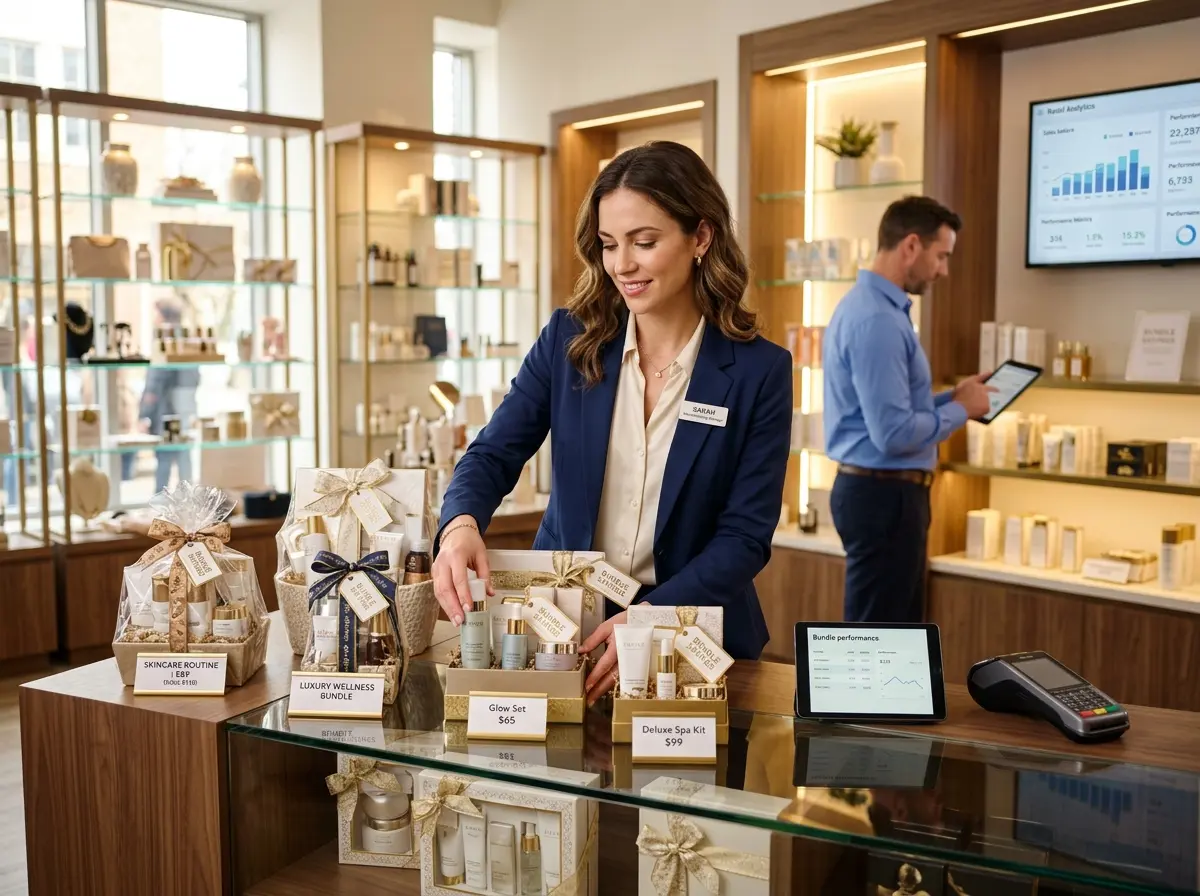
Customers respond well to bundling when it's framed around convenience and value, not just price. If a customer is coming in for an oil change and they're approaching the mileage interval for a tire rotation and cabin air filter replacement, bundle those services into a recommended package. Explain the time savings — "Since we already have your car in the air and the engine open, we can do all three for X — saves you two separate trips." Convenience is a powerful motivator, especially for busy people who view car maintenance as an interruption to their day.
Many shops also offer tiered service packages — good, better, best — that give customers a choice framework rather than a yes-or-no decision. Presenting options psychologically shifts the conversation from "will you approve this?" to "which option works best for you?" — a subtle but effective distinction.
Use Vehicle History to Your Advantage
Every returning customer is an opportunity to demonstrate that your shop pays attention. When your team pulls up a vehicle's service history and proactively mentions upcoming maintenance milestones — "I see we did your brake flush 18 months ago, we'll want to keep an eye on that at your next visit" — customers feel remembered, valued, and professionally served. This kind of consultative approach builds the long-term relationship that turns one-time visitors into loyal customers who approve recommendations without hesitation.
This is also where a solid CRM makes a genuine difference. Tagging vehicles with upcoming service needs, tracking declined services, and maintaining detailed notes allows every advisor to deliver a personalized experience — even for a customer they've never personally met before.
Educate, Don't Intimidate
One of the most powerful and underused upselling techniques in auto service is simple education. Most customers genuinely don't know what a differential fluid is, why coolant needs to be flushed, or what a CV axle actually does. When advisors take 60 seconds to explain what a service does and why it matters in plain language, approval rates climb. People don't like spending money on things they don't understand — but they're surprisingly willing to spend on things they do understand, especially when they can see the benefit.
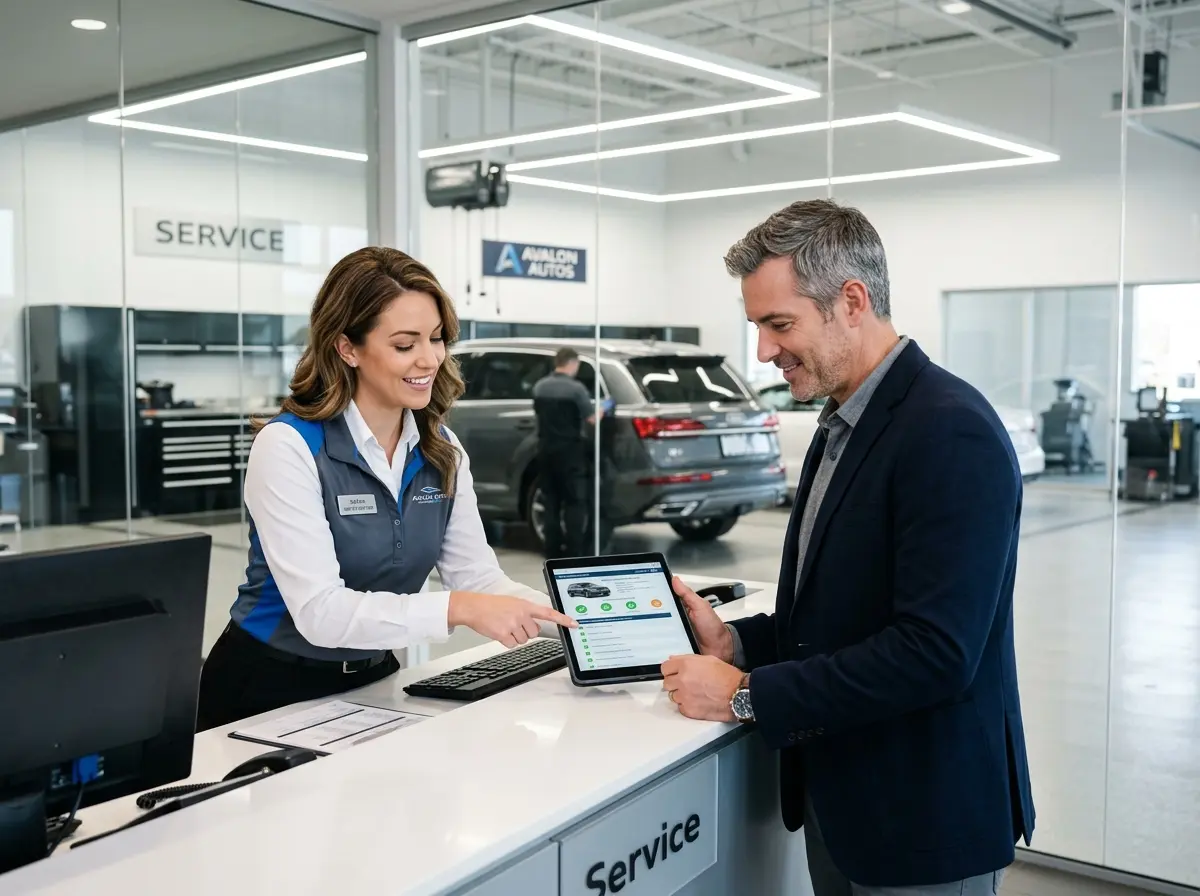
Short, jargon-free explanations — optionally supported by visual aids or a tablet showing the relevant part — transform skeptical customers into informed ones. Informed customers make better decisions, approve more services, and trust your shop more deeply. It costs nothing but a moment of your advisor's time.
Quick Reminder About Stella
Stella is an AI robot employee and phone receptionist built for businesses like yours. She greets walk-in customers at a friendly, human-sized kiosk, answers calls around the clock, promotes current specials, and collects customer information — all for just $99/month with no upfront hardware costs. She's the front-desk team member who never calls in sick, never has an off day, and is always ready to make a great first impression.
Conclusion: More Revenue, Happier Customers, Zero Guilt
Increasing your average ticket size doesn't require becoming the villain of your customers' car ownership story. It requires building genuine trust, implementing a consistent inspection and recommendation process, training your advisors to present rather than pressure, and using every tool available — human and technological — to deliver a professional, personalized experience.
Here are your actionable next steps:
- Audit your MPI process. Is it consistent, documented, and visually supported? If not, fix that first.
- Train your advisors on consultative language. Role-play presentations, not pitches.
- Implement a declined service follow-up system. Even a simple text reminder can recover significant revenue.
- Bundle maintenance intelligently and present tiered options to give customers ownership of the decision.
- Use technology to free up your advisors for the high-value conversations that actually grow the business.
Done right, ethical upselling isn't something you do to your customers. It's something you do for them. And when customers leave feeling informed, respected, and well-served, they come back — and they bring their friends. That's the kind of growth that actually lasts.