When "Good Boy" Just Isn't Cutting It: Managing Anxious Pets (and Their People)
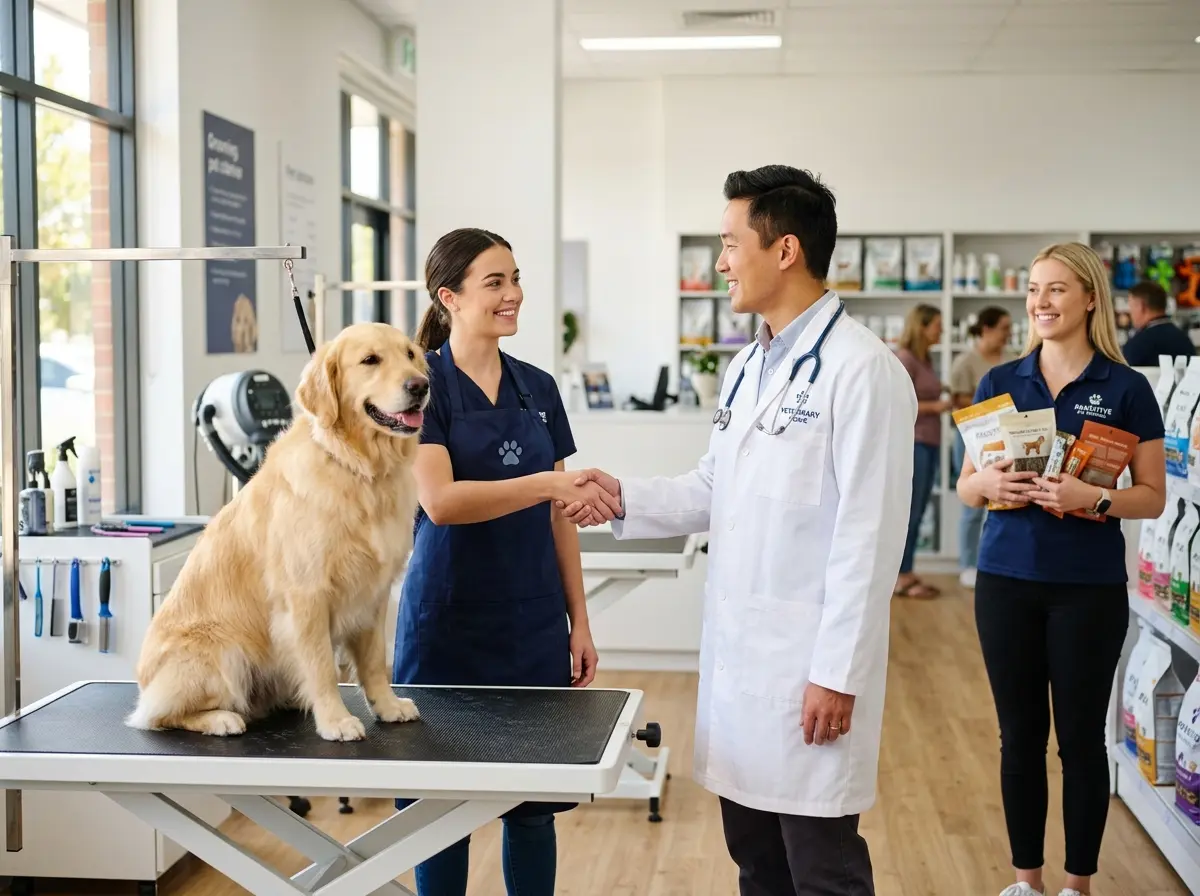
Let's be honest — running a dog grooming shop sounds idyllic on paper. You get to spend your days surrounded by fluffy ears, wagging tails, and the occasional dramatic Shih Tzu who thinks a bath is the end of the world. What the brochure doesn't mention is that for every well-adjusted golden retriever who hops onto the grooming table like a seasoned professional, there are at least three anxiety-riddled dogs whose owners are somehow more nervous than they are.
Anxious pets are a real challenge in the grooming industry. According to the American Pet Products Association, over 90 million households in the U.S. own pets, and a significant portion of dogs experience some level of anxiety — whether it's separation anxiety, sensory sensitivity, or a deeply personal vendetta against blow dryers. Managing these animals safely and compassionately isn't just good practice; it's good business. And managing their owners? Well, that's practically a soft skill specialty of its own.
This guide will walk you through the practical strategies that help anxiety-prone dogs feel safer in your shop, how to communicate effectively with worried pet parents, and how to build operational systems that keep everything running smoothly — even on the days when a Labrador has decided that your grooming table is a portal to another dimension.
Creating a Calm, Dog-Friendly Environment That Actually Works
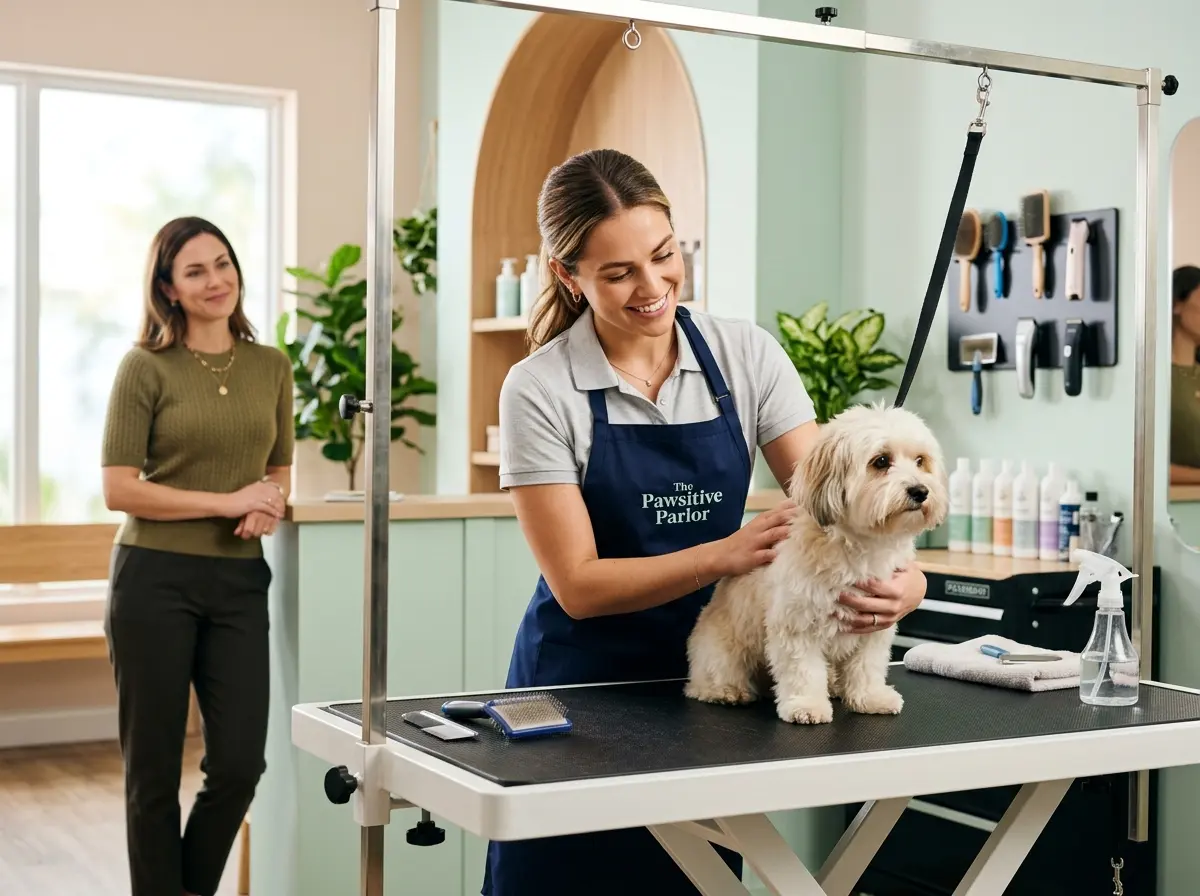
Before you can handle an anxious dog, you have to take a hard look at your physical space. Dogs experience the world primarily through smell and sound, which means your shop — however charming it looks to human eyes — might be overwhelming to a nervous pup the moment they walk through the door. The good news is that thoughtful environmental changes can make a meaningful difference without requiring a full renovation.
Designing for Sensory Sensitivity
High-pitched dryers, barking from kennels, and the sharp smell of grooming chemicals are unavoidable to some extent, but they can be managed. Consider investing in low-noise dryer models, which have become increasingly popular in professional grooming circles. Strategic room separation — keeping dogs who are being dried away from dogs who are waiting — reduces the cumulative noise level significantly. Calming scents like lavender (in pet-safe formulations) can help take the edge off, and some groomers swear by species-appropriate calming music playlists designed specifically for anxious dogs. Yes, those exist. Yes, they work.
Lighting matters too. Harsh fluorescent lighting can increase stress in both animals and, frankly, your staff. Warmer lighting in waiting and grooming areas creates a less clinical atmosphere, which benefits everyone involved.
Intake and Pre-Appointment Protocols That Set the Tone
One of the most underutilized tools in managing anxious dogs is the pre-appointment conversation. When you collect detailed information about a pet's history, triggers, and behavioral patterns before they arrive, your groomers can walk into the appointment prepared rather than surprised. A simple intake form that asks about previous grooming experiences, known fears, and any behavior a vet or trainer has flagged goes a long way.
Consider sending pre-appointment tips to new clients as well. Simple instructions — like avoiding feeding the dog right before the appointment, arriving a few minutes early to let the dog sniff around the entrance, or bringing a familiar toy — can reduce anxiety before the dog even walks through your door. These small touches signal professionalism and build trust with owners who are already on edge.
Handling the Human Half of the Equation
Here's the uncomfortable truth that most grooming guides gloss over: anxious owners make anxious dogs worse. Dogs are remarkably good at picking up on their owner's emotional state, and a pet parent who is hovering, whispering reassurances in a high-pitched voice, or visibly tense at drop-off is essentially broadcasting stress signals directly to their animal. Managing the owner's experience is not a soft add-on — it is directly tied to how smoothly the appointment goes.
Communication Strategies That Actually Calm People Down
The key to managing anxious owners is confident, proactive communication. When owners feel informed, they feel in control, and when they feel in control, they stop calling every 20 minutes to ask if their dog is okay. Set clear expectations at drop-off: tell them approximately when you'll be finished, let them know you'll send a text update if anything unexpected comes up, and explain your approach to handling anxious dogs in plain, reassuring terms. You don't need to be a therapist — you just need to sound like you've done this before, which you have.
Mid-appointment photo or text updates are a game-changer for nervous clients. A quick snap of their freshly shampooed dog looking moderately content does more for owner anxiety than any amount of verbal reassurance at drop-off. It's a small effort that pays dividends in client loyalty and five-star reviews.
Setting Boundaries Without Losing the Client
Sometimes, despite your best efforts, a dog's anxiety is genuinely beyond what a standard grooming appointment can safely accommodate. Knowing when to pause, reschedule, or refer a client to a veterinary behaviorist before their next visit is not a failure — it's professionalism. Documenting these situations in your client records protects your staff, sets appropriate expectations, and gives you a clear paper trail if a difficult conversation is needed down the road.
How Stella Can Help Grooming Shops Run More Smoothly
Managing anxious pets and their owners takes real human energy — and that energy is best spent on the actual grooming, not on answering the same five questions by phone every morning before you've even had your coffee. This is where Stella, the AI robot employee and phone receptionist, can take a meaningful load off your plate.
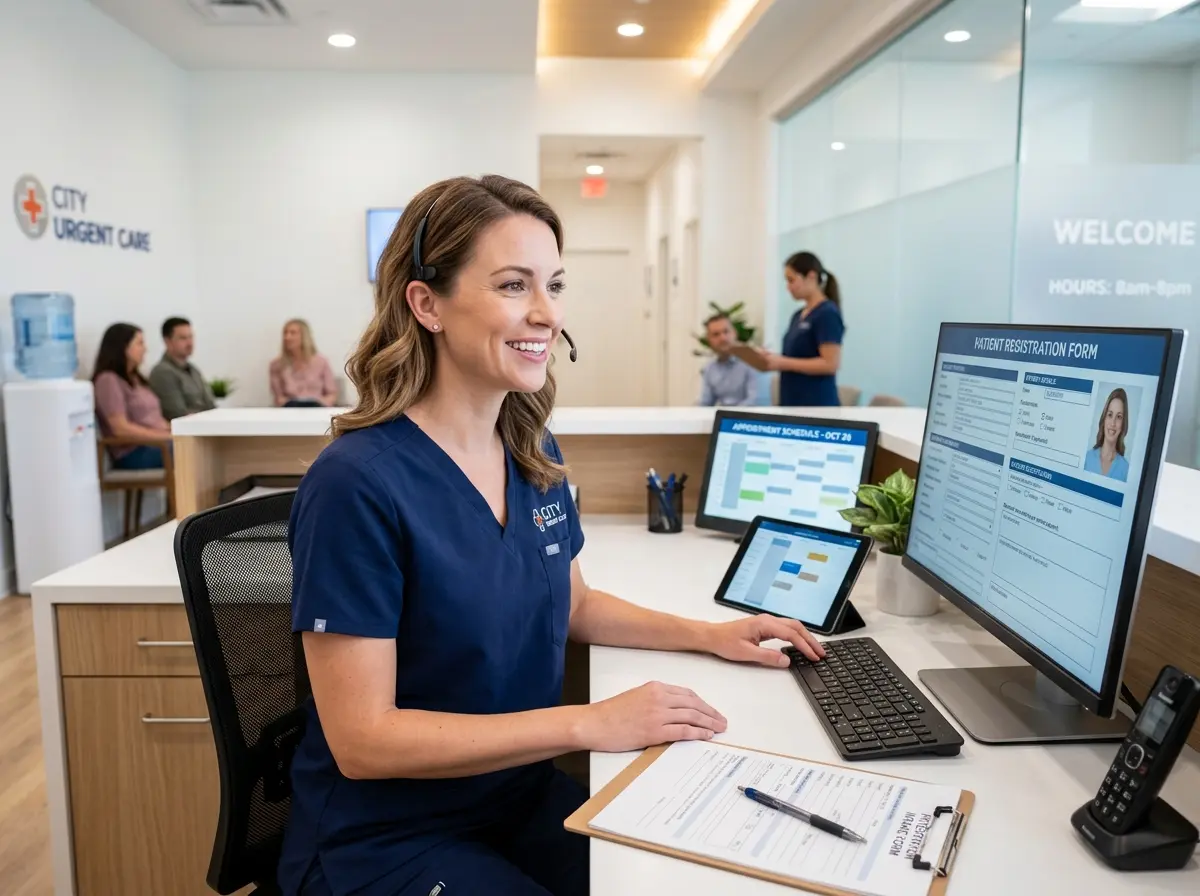
Stella can greet clients at the kiosk in your lobby, walk them through check-in, collect intake information about their pet through a conversational form, and answer common questions about your services, policies, and pricing — all without pulling a groomer away from a very unimpressed Poodle mid-trim. On the phone side, she handles incoming calls 24/7, answers questions about appointment availability, and can collect new client information through intake forms, feeding that data directly into her built-in CRM so your staff starts every appointment already knowing what they're walking into. For anxious-owner clients especially, having a consistent, knowledgeable, always-available touchpoint can make a real difference in their experience with your business.
Building Long-Term Systems for Consistent, Compassionate Care
Individual techniques for managing anxious pets matter, but what separates a good grooming shop from a great one is whether those techniques are baked into repeatable systems. If your approach to anxious dogs lives entirely in your head — or in the head of your most experienced groomer — it's a liability, not an asset. Systems create consistency, and consistency builds trust with clients who are already nervous about leaving their beloved pets in your care.
Training Your Team on Fear-Free Handling
Fear-Free certification has become something of an industry standard for groomers who work regularly with anxious or reactive animals. Developed by veterinary and animal behavior experts, the Fear-Free approach emphasizes reading body language, using positive reinforcement, and adjusting handling techniques to the individual animal's comfort level. Investing in this training for your team isn't just a feel-good gesture — it reduces the likelihood of bites, accidents, and traumatic experiences that send clients fleeing to your competitors.
Regular internal training sessions, even informal ones where groomers share what worked with a particularly challenging dog that week, build collective knowledge and keep your team sharp. It also signals to your staff that you take their safety and wellbeing seriously, which matters enormously for retention in an industry with notoriously high turnover.
Using Client Records to Personalize Every Visit
The single best thing you can do for a repeat anxious-dog client is to remember exactly what worked last time and do it again. This sounds obvious, but it requires discipline and good record-keeping. After every appointment with a sensitive dog, groomers should log what calming techniques were used, what the dog responded well to, what triggered stress, and any notes for next time. Over visits, this builds a detailed behavioral profile that makes each appointment smoother than the last.
Clients notice when you remember that their dog does better with the dryer on a lower setting, or that they prefer to be the last dog in the room during a nail trim. These details are what turn a one-time client into a loyal one who refers all of their anxious-dog-owning friends to you by name.
Creating Packages and Policies That Reflect Your Expertise
Consider offering specialized service tiers for anxiety-prone dogs — extended appointment times, one-on-one grooming sessions, or desensitization visit packages for dogs who need gradual acclimation before a full groom. These offerings position your shop as a specialist resource rather than a commodity service, justify premium pricing, and attract clients who are actively seeking a groomer who understands their pet's needs. A clear, well-communicated policy around what happens when a dog cannot safely complete a service also sets appropriate expectations and protects your team.
Quick Reminder About Stella
Stella is an AI robot employee and phone receptionist designed to help businesses like yours handle customer interactions without pulling your team away from the work that actually requires their expertise. She greets walk-ins at her in-store kiosk, answers calls around the clock, manages client intake through conversational forms, and keeps everything organized in a built-in CRM — all for $99 a month with no upfront hardware costs. For a grooming shop where every human minute is better spent on a dog than on a phone call, that's a pretty reasonable trade.
Turning Nervous Dogs (and Their People) Into Your Most Loyal Clients
Anxious pets and their anxious owners are not a problem to be avoided — they're an underserved market hiding in plain sight. Most groomers default to hoping nervous dogs just figure it out, and most grooming shops offer nothing specific for clients who are genuinely struggling to find a place that understands their pet's needs. If you invest in the environment, the training, the communication strategies, and the systems described in this guide, you are not just being kind — you are differentiating your business in a meaningful, profitable way.
Here are your actionable next steps:
- Audit your physical space for sensory stressors — noise, lighting, scent — and identify one or two improvements you can make this month.
- Build or update your intake form to include detailed behavioral questions before every new client appointment.
- Explore Fear-Free certification for yourself and at least one team member as a near-term training goal.
- Create a documentation habit after every anxious-dog appointment — even three sentences in a client profile makes a difference over time.
- Consider a specialized service tier for anxiety-prone dogs to attract clients who need exactly what you're now equipped to offer.
The dogs who need the most patience tend to reward the groomers who offer it with the most enthusiastic (eventually) wagging tails. And their owners? They'll be the ones leaving you five-star reviews and sending you every nervous dog they know. That, in the grooming business, is as good as it gets.