Introduction: From Emergency to Every Year
Let's be honest — most people don't think about their plumber until water is shooting out of a pipe at 11:47 PM on a Sunday. At that moment, you are not just a plumber. You are a hero. A legend. The person standing between them and a flooded living room. And then, once the crisis is over and the invoice is paid, they completely forget you exist.
Sound familiar? Emergency calls are the bread and butter of many plumbing businesses, but they're also one of the most underutilized opportunities in the industry. You already have a foot in the door — quite literally, you've been inside their home. You've earned their trust when it mattered most. The question is: why would you walk away from that relationship without turning it into something more predictable, more profitable, and frankly, more sustainable than waiting by the phone for the next disaster to strike?
The answer lies in service agreements — and in building the kind of customer experience that makes homeowners and property managers want to stick with you long after the crisis has passed. This guide walks you through exactly how to do that, from the moment you pick up that panicked phone call to the day they sign on the dotted line.
The Art of the Emergency Call: Setting the Stage Before You Even Arrive
First Impressions Start on the Phone
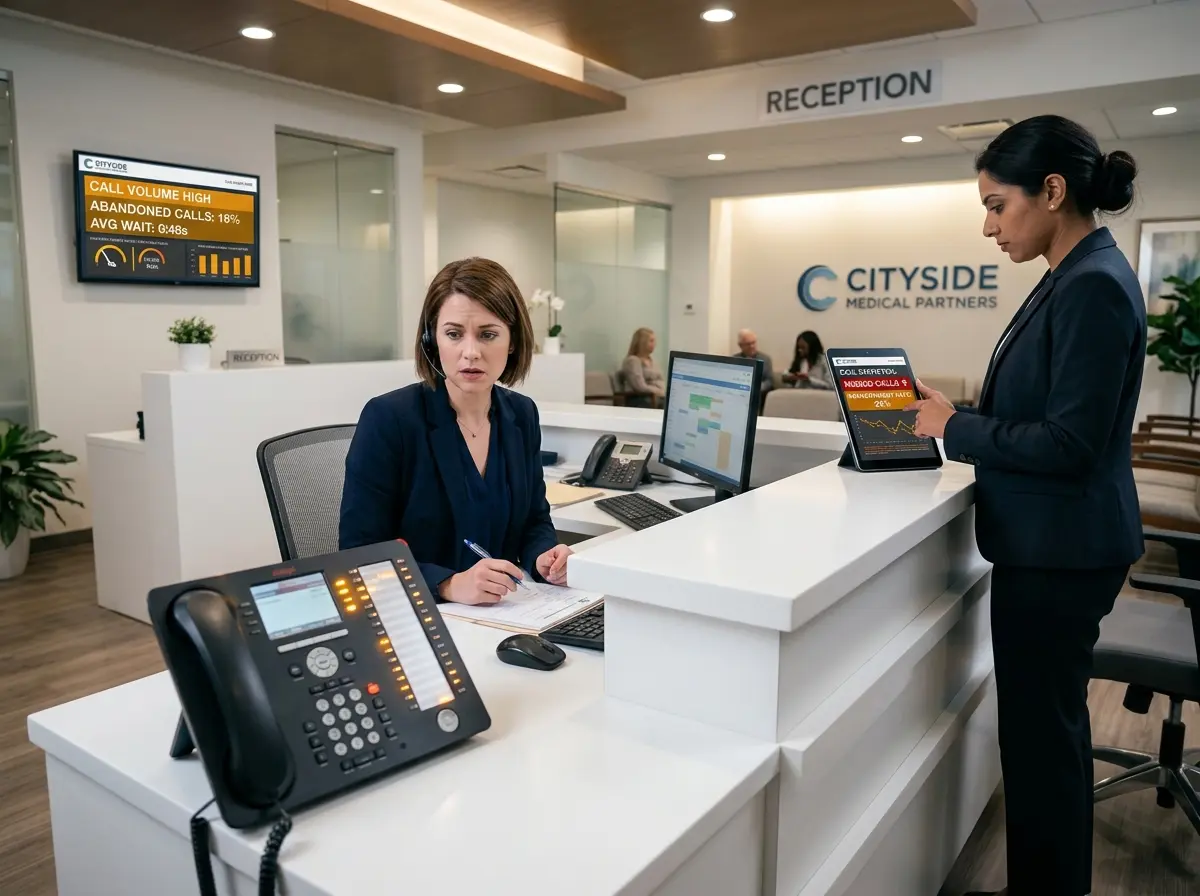
Before you've touched a single wrench, the customer has already formed an opinion of your business. How you handle that initial call — especially at 2 AM — sets the tone for everything that follows. A panicked homeowner who gets a professional, calm, knowledgeable response on the first ring is already predisposed to trust you. A panicked homeowner who gets a voicemail is already searching Google for your competitor.
That first interaction should accomplish a few things simultaneously: reassure the customer, gather essential intake information, and subtly communicate that your business is organized and professional. This means your phone presence needs to be consistent, regardless of the time of day or how many other jobs you have going on. Train whoever answers your phones — whether that's you, a dispatcher, or an AI receptionist — to collect the basics efficiently: location, nature of the issue, contact info, and property type. That information doesn't just help you prepare for the call; it becomes the foundation of a customer profile you can build on over time.
Arrive Prepared, Leave an Impression
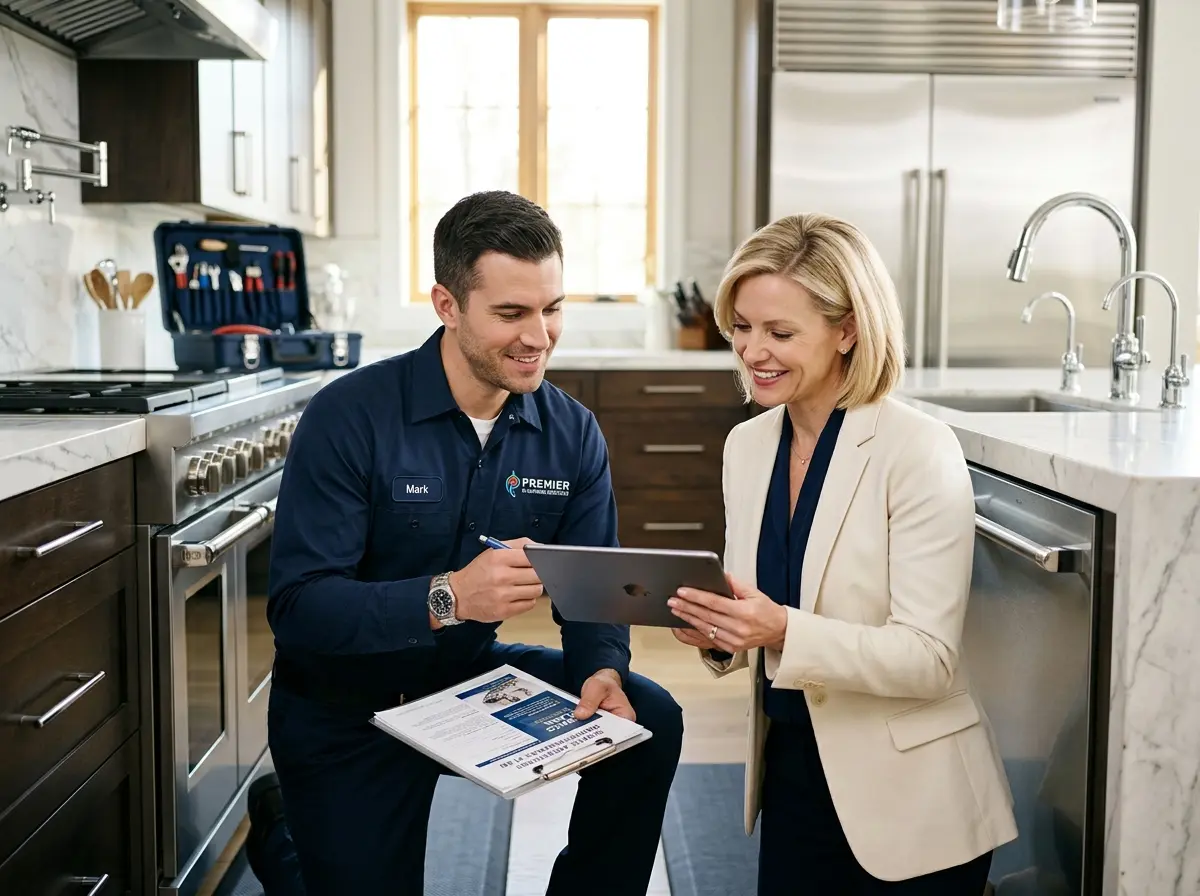
When you show up to an emergency, you're not just fixing a pipe — you're auditioning for a long-term relationship. Customers remember the plumber who showed up on time, explained what they were doing, and didn't leave a mess. They also remember the one who handed them a brochure about a maintenance plan before walking out the door, because that person clearly had their act together.
Use the time on-site strategically. Do a quick visual walkthrough if the customer is open to it. Point out potential problem areas. Mention your annual inspection service casually. You're not being pushy — you're being helpful, and there's a meaningful difference. Homeowners, especially older properties, often have no idea what lurks behind their walls, and a brief professional observation from you is worth more than any YouTube video they could find.
Document Everything from Day One
One of the most overlooked steps in converting emergency customers into long-term clients is documentation. What did you fix? What did you observe? What did you recommend? If you can't answer those questions six months later when you follow up, you've lost a critical piece of the relationship. Keep detailed records of every job — not just for billing purposes, but for customer service purposes. When you call back and say, "Hey, I noticed your water heater was showing some early corrosion last time I was there — want us to take a look before it becomes a problem?" that customer feels remembered. And feeling remembered is genuinely rare in the service industry.
Using Technology to Stay Ahead of Customer Relationships
Let AI Handle the After-Hours Rush So You Don't Have To
Here's where technology earns its keep. Emergency calls don't follow business hours, and neither should your phone coverage. Stella, an AI robot employee and phone receptionist, answers calls 24/7 with full knowledge of your services, pricing, and offerings — capturing every lead even when you and your team are knee-deep in someone else's burst pipe. She can collect customer intake information conversationally, log it directly into a built-in CRM, and even send push notifications to you or your dispatcher so no call slips through the cracks. For a plumbing business where every missed call is a missed job (and potentially a missed long-term client), that kind of coverage isn't a luxury — it's a competitive advantage.
Build Customer Profiles That Actually Help You Sell Agreements
Stella's built-in CRM with custom fields, tags, and AI-generated profiles means that by the time you follow up with a customer three weeks after an emergency call, you already know their property type, what was fixed, what was flagged, and what service tier might make sense for them. That's not just efficient — it's the kind of personalization that turns a one-time customer into a loyal one. You can tag customers by property age, service history, or expressed interest in a maintenance plan, then use those segments to follow up with targeted, relevant offers rather than generic mass emails that nobody reads.
Structuring Service Agreements That Customers Actually Want to Sign
Make the Value Obvious and the Math Easy
The number one reason homeowners don't sign service agreements isn't that they don't want one — it's that nobody has explained the value clearly enough. According to industry data, a single emergency plumbing call can cost anywhere from $150 to $500 or more, depending on the issue and the hour. An annual maintenance plan priced at $200–$300 suddenly looks like a bargain when framed correctly. Show the math. Literally show it to them on paper or on a tablet. "Here's what you paid tonight. Here's what you'd pay annually for two inspections, priority scheduling, and a 15% discount on all labor. Which sounds better?"
Keep the tiers simple. A good structure for residential customers might look like this:
- Basic: Annual inspection + priority scheduling
- Standard: Two inspections per year + priority scheduling + 10% labor discount
- Premium: Quarterly check-ins + priority scheduling + 15% labor discount + free minor repairs
Complexity kills conversions. If your service agreement requires a PhD to understand, nobody is signing it at the end of a stressful evening.
Timing and Delivery Matter More Than You Think
Don't pitch the service agreement while you're still fixing the problem. Nobody wants to be sold to while their basement is filling with water. Wait until the work is done, the customer is relieved, and you're wrapping up the invoice conversation. That's the moment — when they're grateful, calm, and mentally doing math about how much worse it could have been. A simple, low-pressure mention is all it takes: "By the way, we offer a maintenance plan that covers annual inspections and gives you priority service for situations like this. A lot of our customers find it's worth it for the peace of mind alone. Want me to leave some information with you?"
Follow Up Like You Mean It
Most service businesses follow up once and give up. Don't. A reasonable follow-up sequence after an emergency call might look like: a thank-you text or email the next day, a check-in call two weeks later to make sure everything is holding up, and a soft pitch for a service agreement at the 30-day mark. By that point, the customer has had a month to think about how much that emergency cost them emotionally and financially — and your maintenance plan starts to sound a lot more appealing. Set calendar reminders or use your CRM to automate these touchpoints. Consistency is what separates businesses that grow from businesses that plateau.
Quick Reminder About Stella
Stella is an AI robot employee and phone receptionist that answers calls 24/7, collects customer information through conversational intake forms, and manages contacts through a built-in CRM — all for just $99/month with no upfront hardware costs. For plumbing businesses that live and die by phone calls, she ensures that no emergency lead goes unanswered, no customer feels ignored, and no follow-up opportunity falls through the cracks. She's easy to set up, always ready to work, and — unlike your best dispatcher — never calls in sick.
Conclusion: Turn Tonight's Emergency Into Next Year's Revenue
Every emergency call you answer is a potential long-term relationship waiting to happen. The plumber who shows up, does great work, stays organized, and follows up thoughtfully will always outperform the one who relies on chaos and word-of-mouth alone. That's not a knock — that's just the reality of running a sustainable service business in a competitive market.
Here are your actionable next steps:
- Audit your phone coverage — Are you capturing every call, including after-hours emergencies? If not, fix that first.
- Start documenting every job — Names, issues, observations, recommendations. This is your future sales intelligence.
- Build a simple, tiered service agreement — Price it fairly, explain the math clearly, and introduce it at the right moment.
- Create a follow-up sequence — Day 1, Week 2, Month 1. Automate it if you can.
- Use technology to stay consistent — Whether it's a CRM, an AI receptionist, or a scheduling tool, let technology handle the things you can't be everywhere to do yourself.
The emergency call got you in the door. Your professionalism, your follow-through, and your service agreement will keep you there. Now go turn some chaos into contracts.