Stop Guessing and Start Connecting: The Art of Automated Messaging
Here's a scenario you've probably lived through: You send a promotional email blast to your entire customer list — everyone from the first-time visitor who bought one candle six months ago to your most loyal regulars who come in every week. The result? A handful of opens, a couple of unsubscribes, and that nagging feeling that you just shouted into a void. Sound familiar?
The problem isn't that you're communicating with your customers. The problem is that you're communicating with all of them in exactly the same way, at exactly the same time, with exactly the same message. That's not marketing — that's spam with good intentions.
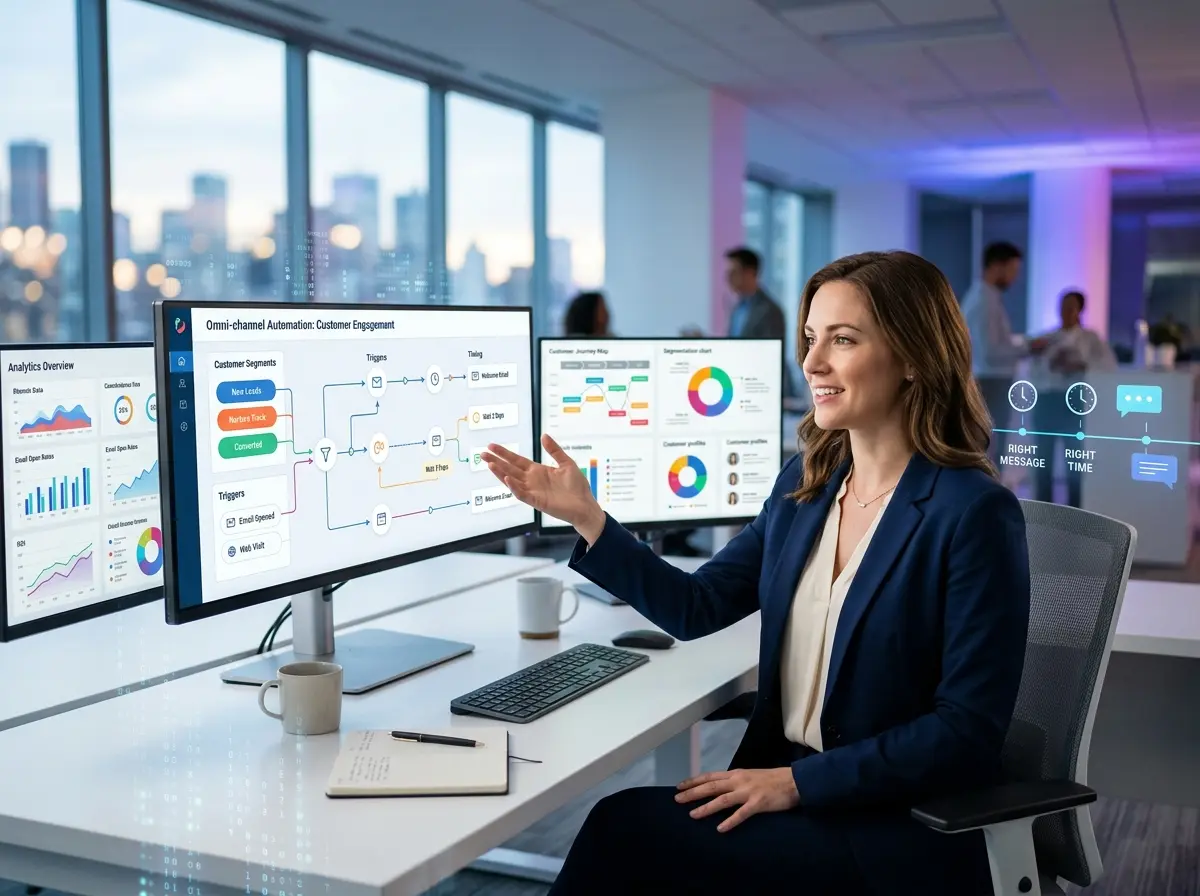
The good news? Automation has made it genuinely possible — and surprisingly affordable — to send the right message to the right customer at the right time. Not in a creepy, "we know everything about you" way, but in a thoughtful, personalized way that actually makes customers feel valued. When done well, automated messaging can increase customer retention, drive repeat purchases, and turn occasional shoppers into raving fans. Let's talk about how to make it work for your business.
Understanding the "Right Message, Right Person, Right Time" Framework
Segmentation: Stop Talking to Everyone the Same Way
The foundation of effective automated messaging is segmentation — dividing your customer base into meaningful groups so you can tailor your communication accordingly. A gym owner, for example, has very different things to say to a new member in their first week versus a long-term member who hasn't visited in 30 days. Treating them identically is a missed opportunity at best and an annoyance at worst.
Segmentation can be based on a wide range of factors: purchase history, visit frequency, average spend, product preferences, geographic location, or even how a customer first found you. The more specific your segments, the more relevant your messages become. According to Mailchimp, segmented campaigns generate 14% higher open rates and 101% more clicks than non-segmented ones. That's not a rounding error — that's a real difference in how people respond to feeling like you actually know them.
Start simple. Even splitting your list into three buckets — new customers, active regulars, and lapsed customers — gives you three completely different conversation opportunities. New customers need onboarding and encouragement. Regulars need appreciation and exclusivity. Lapsed customers need a reason to come back.
Triggers: Let Customer Behavior Do the Work
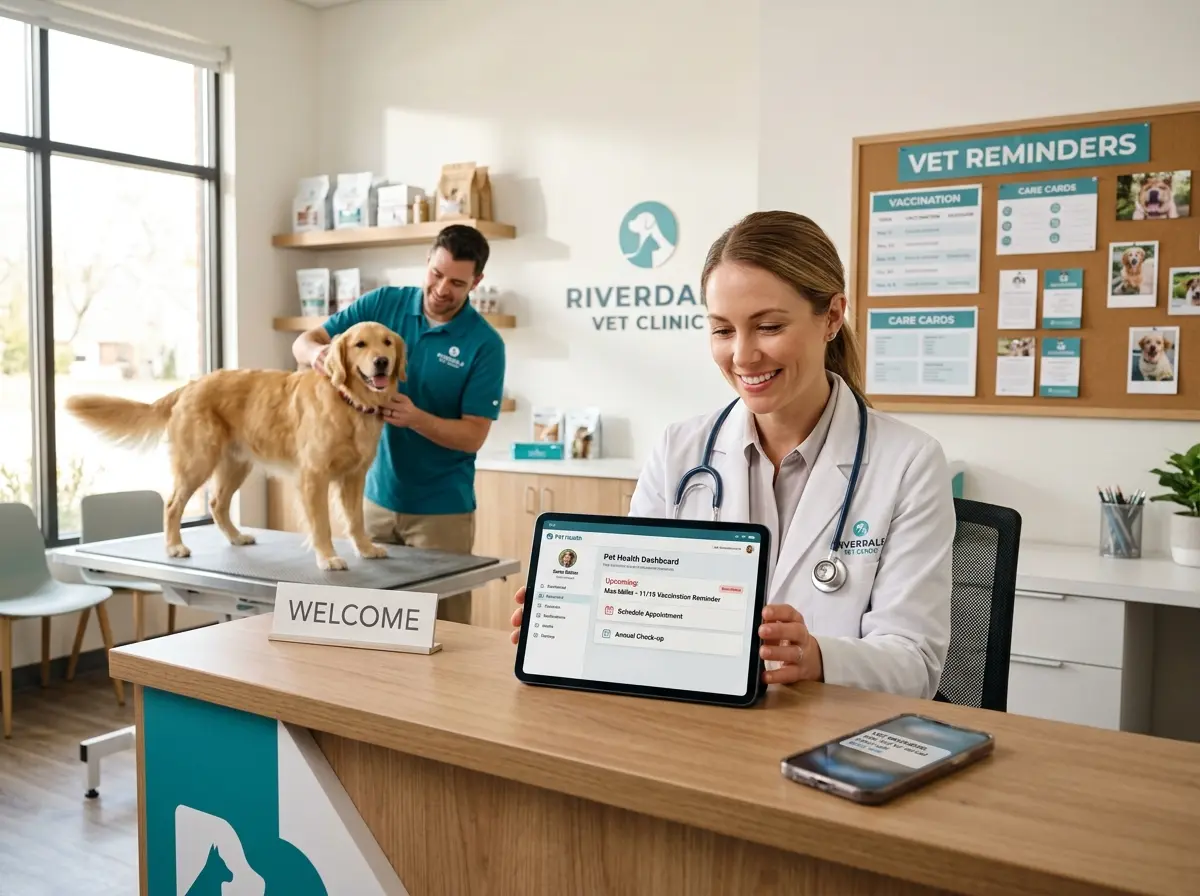
Trigger-based automation sends messages automatically based on something a customer does — or doesn't do. This is where automation gets genuinely powerful. A customer books a service appointment? Send a confirmation and a preparation checklist. Someone buys a product with a natural replenishment cycle? Set a reminder for when they're likely to run out. A customer hasn't visited in 60 days? That's your cue to reach out with a "we miss you" offer.
The beauty of trigger-based messaging is that it feels timely and personal without requiring you to manually track every customer interaction. You set the rules once, and the system does the remembering for you. Common high-performing triggers include welcome sequences after a first purchase, post-appointment follow-ups requesting reviews, birthday or anniversary messages, and cart abandonment reminders for e-commerce businesses.
Personalization: More Than Just a First Name
Dropping someone's first name into a subject line is table stakes at this point. Real personalization means referencing what they actually bought, what service they came in for, or what problem they were trying to solve. "Hi Sarah, how's your new espresso machine working out?" lands very differently than "Hi Sarah, check out our latest products!" One feels like a conversation. The other feels like a mail merge.
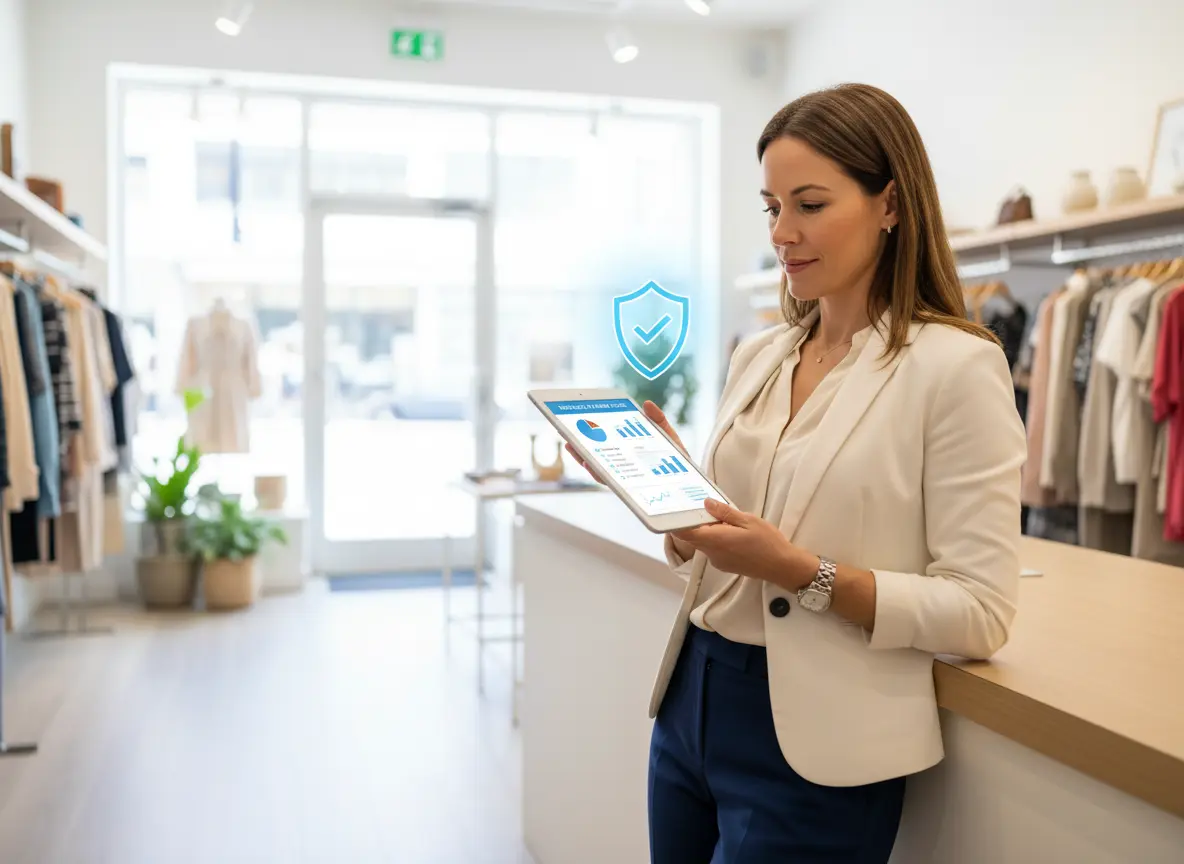
Personalization at scale requires good data, which means investing in a proper CRM system that captures meaningful customer information over time. The businesses that do this well aren't necessarily bigger or better-resourced — they're just more intentional about collecting and using the information their customers are already sharing with them through every interaction.
How Stella Helps You Capture Better Customer Data From Day One
First-Party Data Collection That Happens Naturally
None of the segmentation or personalization strategies above work without good data — and collecting good data has historically been the part where most small businesses fall flat. You're busy. Your staff is busy. Remembering to ask every customer for their email address, service preferences, and reason for visiting is a lot to ask of a human being in the middle of a busy shift.
Stella, the AI robot employee and phone receptionist, handles this naturally as part of every interaction. Whether she's greeting a customer who just walked through your front door at her in-store kiosk or answering a phone call at 11 PM, Stella can collect customer information through conversational intake forms that feel like a genuine exchange rather than a clipboard interrogation. That information flows directly into her built-in CRM, where customer profiles are automatically generated and enriched over time with custom fields, tags, and notes.
When your customer data is clean, current, and consistently collected, your automated messaging actually has something meaningful to work with. It's the difference between sending generic blasts and sending messages that make customers think, "How did they know I needed that right now?" The answer, of course, is that you simply paid attention — and let Stella do the remembering.
Building Automated Message Sequences That Actually Convert
The Welcome Sequence: Make a Strong First Impression
If you do nothing else with automation, build a solid welcome sequence. Research consistently shows that welcome emails have the highest open rates of any automated message type — often exceeding 50%. This is the moment when a new customer is most engaged and most curious about you, and most businesses squander it by sending a single generic confirmation email and going completely silent for three weeks.
A strong welcome sequence might span the first two weeks of a customer relationship. Day one includes a warm welcome with a clear value statement. Day three delivers something genuinely useful — a guide, a tip, a behind-the-scenes look at your process. Day seven might introduce your most popular products or services they haven't tried yet. Day fourteen could be a personal check-in asking how things are going. Each message should feel like it belongs to a conversation, not a broadcast.
Re-Engagement Campaigns: Win Back the Quiet Ones
Every business has a segment of customers who drifted away without any drama — no bad experience, no complaint, just life getting in the way. These lapsed customers are often your best re-engagement targets because they already know and trusted you once. According to Marketing Metrics, the probability of selling to an existing customer is 60–70%, compared to just 5–20% for new prospects. That math alone should make re-engagement a priority.
An effective re-engagement campaign acknowledges the gap honestly and offers something of real value. "We noticed it's been a while" paired with a meaningful incentive — a discount, a free add-on, exclusive access to something new — gives the customer a concrete reason to return. Keep the sequence short: two or three messages over two weeks, with a graceful exit if they don't respond. Don't overdo it. Nobody comes back to a business because they were guilted into it.
Post-Purchase and Follow-Up Sequences: The Revenue You're Leaving Behind
The sale shouldn't be the end of the conversation — it should be the beginning of the next one. Post-purchase sequences serve multiple purposes: they reinforce the customer's decision to buy from you, provide useful information about their purchase, invite reviews, and introduce complementary products or services at a moment when the customer's satisfaction is at its peak.
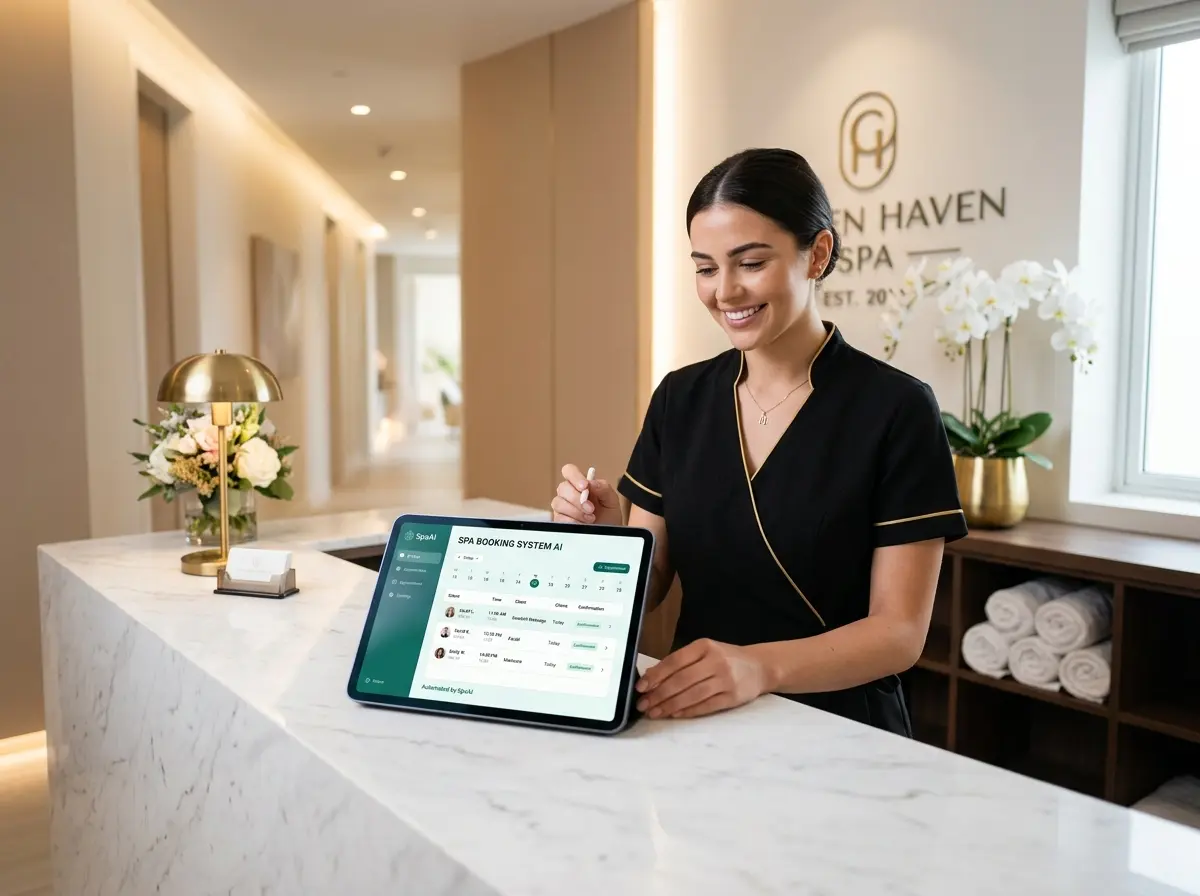
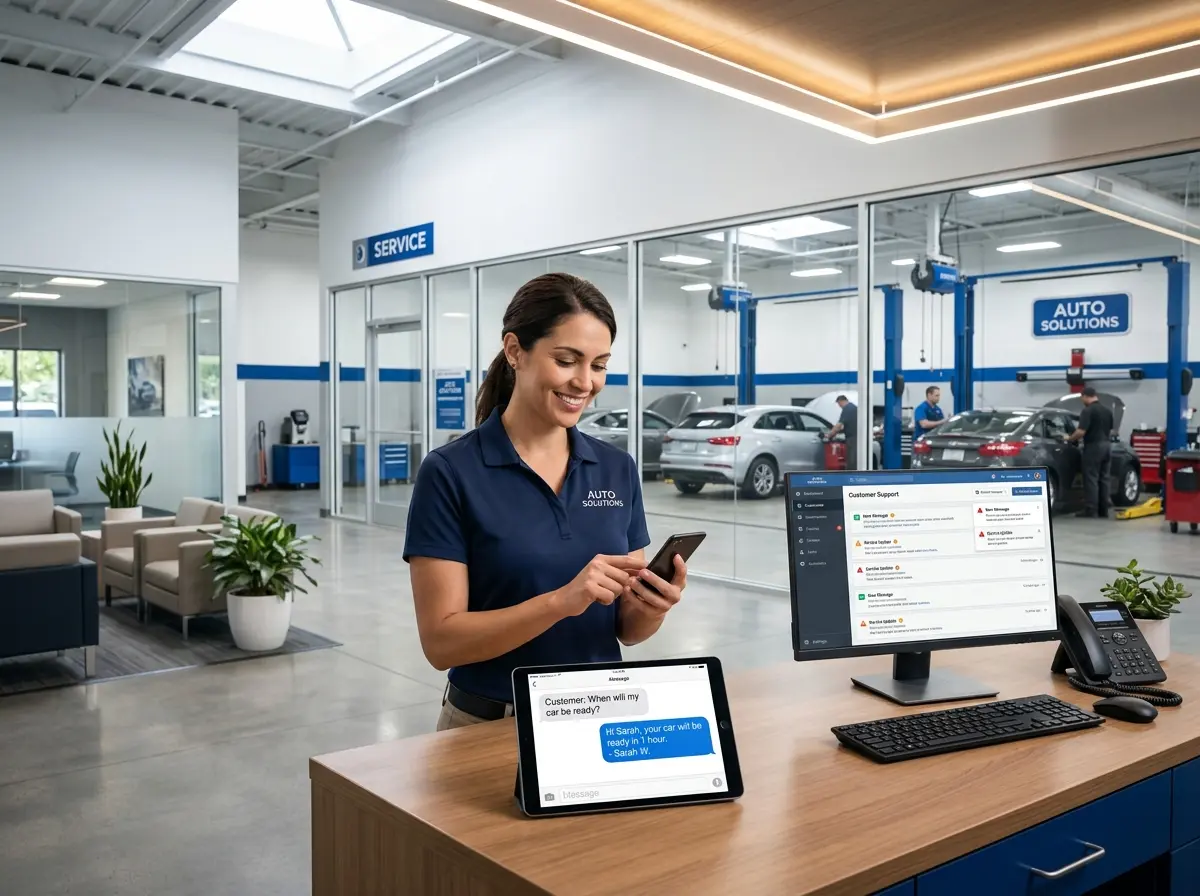
A spa, for example, might follow up after a facial with skincare tips specific to the treatment received, then gently introduce a complementary product available for purchase. An auto shop might send a service summary after an oil change, include a recommendation for the next scheduled maintenance, and follow up with a reminder when that mileage milestone is approaching. These sequences feel like good service — because they are — and they happen to drive revenue as a side effect.
Quick Reminder About Stella
Stella is an AI robot employee and phone receptionist that works for businesses of all types and sizes — whether you have a brick-and-mortar location, run your operation entirely online, or work as a solopreneur. She greets customers in person at her in-store kiosk, answers phone calls 24/7, collects customer information, manages your CRM, and promotes your current deals and offerings — all for just $99 per month with no upfront hardware costs. Essentially, she's the team member who never calls in sick, never forgets a customer's name, and never needs a coffee break.
Start Small, Automate Smartly, and Watch the Results Compound
Effective customer messaging automation isn't about setting up a hundred complex workflows the moment you get started. It's about being intentional, starting with the highest-impact sequences, and building from there as you learn what resonates with your specific audience.
Here's a practical starting point for any business owner ready to take action:
- Audit your current data. What customer information are you actually capturing? Where are the gaps? Fix your collection process before worrying about automation.
- Build your welcome sequence first. This single automation will have more impact than almost anything else you could do, and it serves every new customer you ever acquire.
- Identify your lapsed customer segment. Pull everyone who hasn't engaged in 60–90 days and create a simple two-message re-engagement sequence with a real incentive.
- Add one trigger per quarter. Don't try to automate everything at once. Add one new behavioral trigger every three months, measure the results, and refine as you go.
- Review and improve regularly. Automation is not a "set it and forget it" strategy. Check your open rates, click rates, and conversion data quarterly and adjust accordingly.
The businesses that win at customer communication aren't necessarily the ones with the biggest budgets — they're the ones that are most consistent, most relevant, and most human in how they engage. Automation, done right, is simply the tool that lets you be all three of those things at scale, without losing your mind or your weekends in the process.
Your customers are already telling you what they need through their behavior. It's time to start listening — and responding — automatically.