Introduction: The Punch Card Is Dead (Long Live Loyalty)
Let's be honest — your punch card loyalty program isn't exactly setting tails wagging. You know the one: buy ten baths, get one free, printed on a little card that lives at the bottom of a customer's purse until it's been through two wash cycles and is completely illegible. It was a valiant effort. Truly. But in a world where customers expect personalized experiences, relevant rewards, and actual reasons to come back, the humble punch card has seen better days.
Here's the thing: dog grooming is an incredibly repeat-business-friendly industry. Pets need grooming regularly, owners are emotionally invested in their furry family members, and a great grooming experience builds genuine trust. That's a loyalty goldmine — if you know how to mine it properly. According to research by Bain & Company, increasing customer retention by just 5% can boost profits by 25% to 95%. So building a real, lasting loyalty program isn't just a nice-to-have; it's one of the smartest business moves you can make.
In this post, we'll walk through how to build a loyalty program for your dog grooming business that actually works — one that keeps customers coming back, gets them talking, and makes your business the obvious choice in a crowded market.
Building the Foundation: What a Real Loyalty Program Looks Like
Move Beyond Transactions — Build Relationships
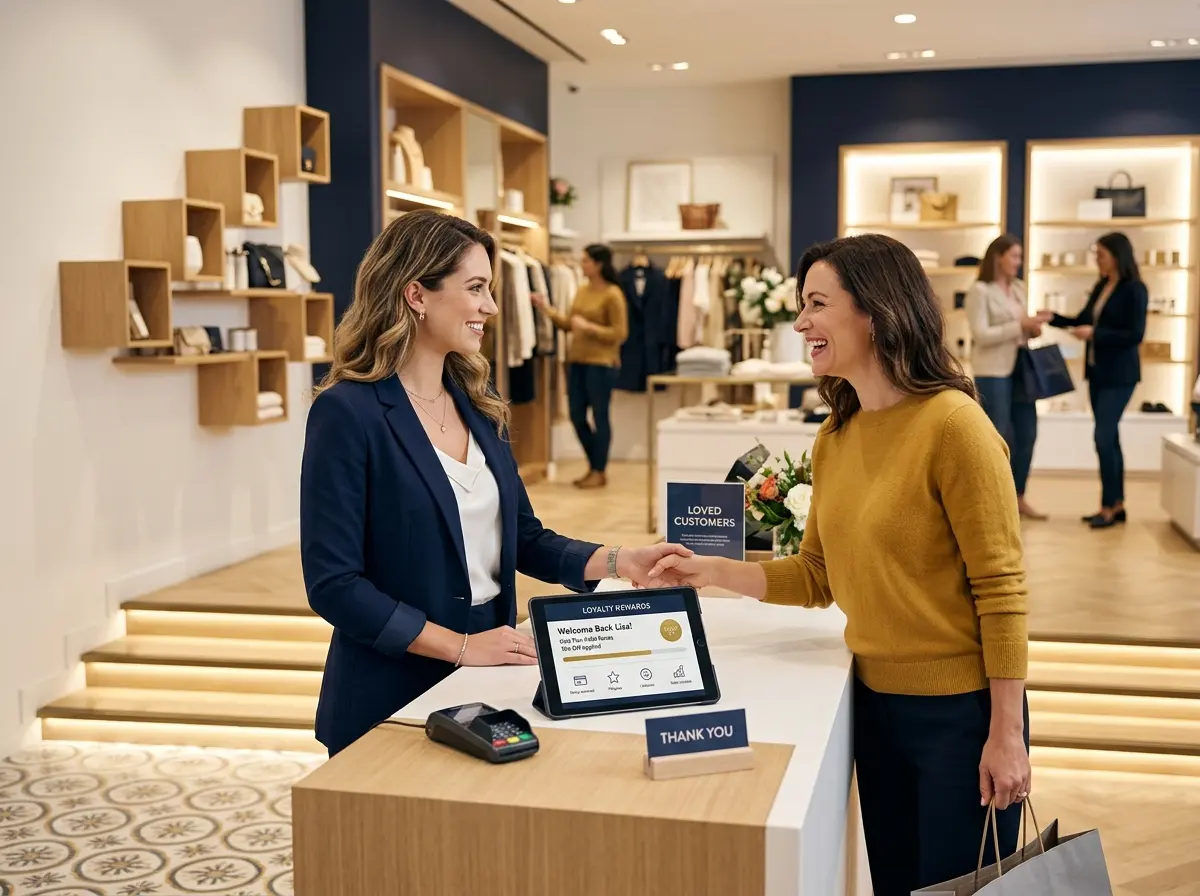
The biggest mistake grooming business owners make with loyalty programs is treating them as purely transactional: spend money, get reward, repeat. That approach misses the bigger picture. The best loyalty programs make customers feel something — appreciated, understood, and connected to your brand.
Start by collecting meaningful data about your customers and their pets. Breed, coat type, grooming frequency, known sensitivities, favorite stylist — this information is gold. When a customer calls to book and your team already knows that Biscuit the Golden Doodle needs a low-noise dryer because of anxiety, that's not just good service. That's loyalty-building. People don't forget businesses that remember what matters to them.
Choose the Right Loyalty Model for Your Business
There are several loyalty structures worth considering beyond the basic points system:
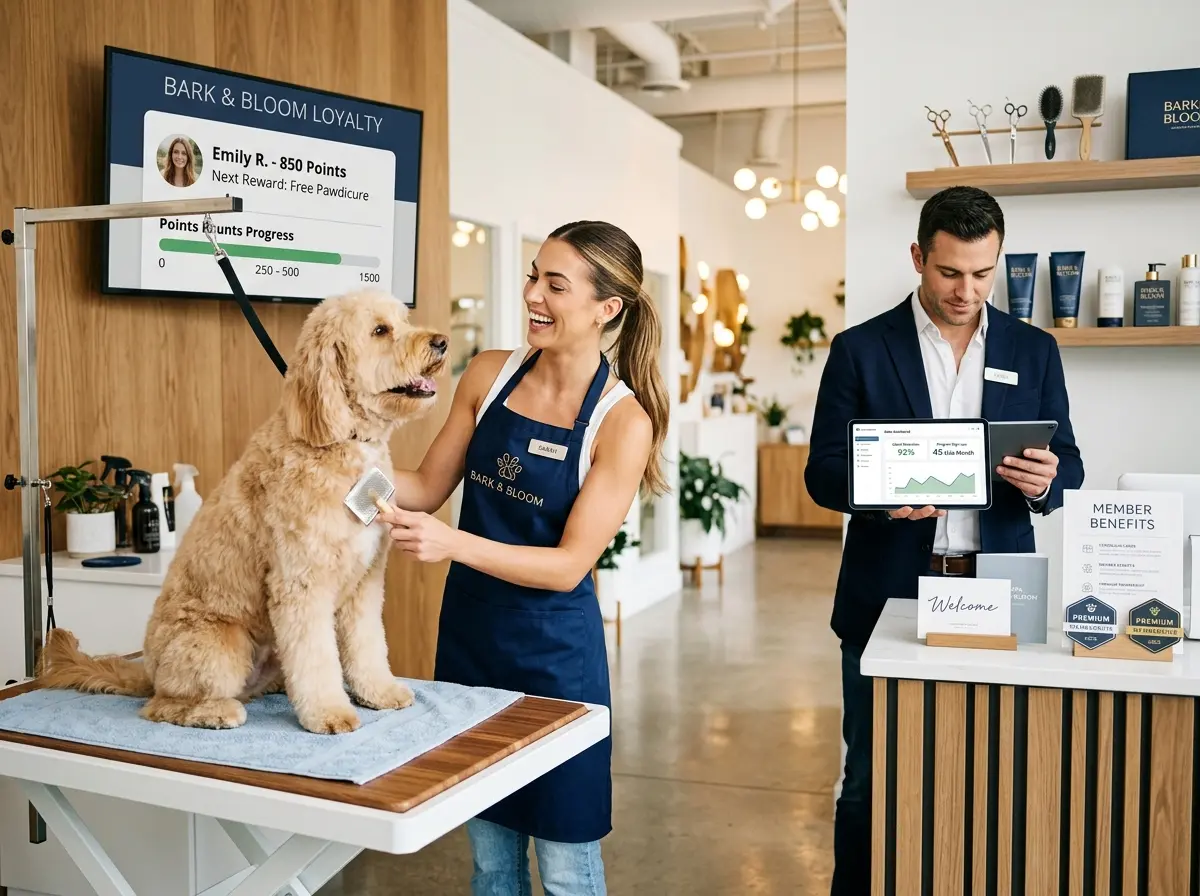
- Tiered Programs: Reward your most frequent customers with escalating perks — think Bronze, Silver, and Gold tiers that unlock things like priority booking, free add-ons, or discounted specialty treatments.
- Subscription Packages: Offer monthly or quarterly grooming bundles at a slight discount. Customers love predictability, and you love guaranteed recurring revenue. Everyone wins.
- Milestone Rewards: Celebrate a pet's "gotcha day," birthday, or the one-year anniversary of their first visit with a small perk or personalized message. These touchpoints are low-cost and high-impact.
- Referral Programs: Give existing customers a meaningful incentive — not a 10% coupon that expires in two weeks — for bringing in new clients. A free nail trim or a discounted bath goes a long way.
The model you choose should reflect your business size, your customer base, and your capacity to manage it. A solo groomer doesn't need a six-tier loyalty empire — a well-run subscription model and a solid referral program might be more than enough.
Make It Easy to Join and Easy to Use
A loyalty program that's confusing to sign up for or cumbersome to use is worse than no loyalty program at all. Keep enrollment simple — a name, phone number, pet's name, and email address is plenty to get started. Let customers opt in at booking, at drop-off, or through your website. Automate the communication wherever possible so that reward updates, milestone messages, and promotional offers go out without you having to manually track who's earned what.
How Technology Can Quietly Do the Heavy Lifting
Automate the Touchpoints That Matter
Running a loyalty program manually is how good intentions go to die. Between managing appointments, handling walk-ins, answering the phone, and actually grooming dogs, there aren't many hours left in the day to personally track loyalty points and send birthday emails. This is exactly where smart tools earn their keep.
Stella, the AI robot employee and phone receptionist, can be a surprisingly useful part of your loyalty program infrastructure. Her built-in CRM lets you store detailed customer profiles — complete with custom fields for pet information, tags for loyalty tier status, notes from previous visits, and AI-generated summaries of interactions. When customers call to book, Stella answers 24/7, collects intake information through natural conversation, and updates customer records automatically. No more sticky notes. No more "I think Mrs. Thompson's dog is a Schnauzer?" She also greets walk-in customers proactively at her in-store kiosk, giving you a consistent, professional touchpoint every time someone walks through your door — without adding to your staff's already full plate.
Keeping Customers Engaged Between Visits
Communication That Doesn't Feel Like Spam
One of the fastest ways to kill a loyalty program is to over-communicate with generic, irrelevant messages. "Hey, come back!" is not a loyalty strategy. What works is timely, personalized communication that actually adds value.
Think about the natural grooming cycle for your customers' pets. A Poodle mix might need grooming every four to six weeks. A Labrador might come in every two to three months. If a customer hasn't booked in a while, a gentle, personalized nudge — "Mochi is probably due for a trim!" — performs dramatically better than a mass promotional email. Use what you know about their pet to make the message feel personal, because it is.
Beyond rebooking reminders, consider content-based engagement: seasonal tips for coat care, product recommendations for between-visit maintenance, or a quick note about a new service you're offering that's relevant to their breed. This kind of communication builds trust and positions your business as a genuine partner in pet care — not just a place that charges money to wash dogs.
Build Community Around Your Brand
Dog owners are a passionate, social bunch. They take photos of their freshly groomed pets. They share recommendations with their dog park friends. They join Facebook groups dedicated to their specific breed. Your loyalty program can tap into that energy by creating opportunities for community building.
Consider a monthly "after groom" photo wall — physical or digital — where customers can share pictures of their pups. Run a "best holiday haircut" contest for loyalty members. Partner with a local dog trainer, vet, or pet supply shop to offer cross-promotional perks that make membership feel even more valuable. These touchpoints cost very little but create a sense of belonging that no discount card can replicate.
Track What's Working and Adjust Accordingly
A loyalty program you never evaluate is a loyalty program you'll eventually abandon. Set clear goals from the start: Are you trying to increase visit frequency? Reduce customer churn? Grow referrals? Then track the metrics that matter — average visits per customer per year, referral conversion rate, loyalty member retention versus non-member retention.
Review your program quarterly. If a particular reward isn't being redeemed, it's either not valuable enough or not communicated clearly enough. If your referral program isn't moving the needle, the incentive might need an upgrade. Treat your loyalty program like a living part of your business — because it is.
Quick Reminder About Stella
Stella is an AI robot employee and phone receptionist built for businesses like yours. She stands in your store greeting customers and answering questions, and she answers your phones 24/7 — so you never miss a booking, even when you're elbow-deep in a muddy Bernedoodle. At just $99/month with no upfront hardware costs, she's the kind of team member who never calls in sick and never forgets a customer's name.
Conclusion: Start Small, Think Long-Term
Building a loyalty program that genuinely works doesn't require a massive budget or a dedicated marketing team. It requires knowing your customers, communicating with intention, and choosing tools that make the whole thing manageable without adding hours to your week.
Here's a simple action plan to get started:
- Define your goals. What does success look like — more frequent visits, more referrals, higher average spend?
- Choose your model. Pick one or two loyalty structures that fit your business size and capacity.
- Set up your data foundation. Start collecting meaningful customer and pet information in a CRM you'll actually use.
- Build your communication cadence. Map out the key touchpoints — rebooking reminders, milestone messages, referral prompts — and automate where possible.
- Launch, measure, and adjust. Don't wait for perfection. A simple program that runs consistently beats a perfect program that never launches.
Your customers love their pets deeply, and they're looking for a groomer they can trust for the long haul. Give them a reason to choose you every single time — not because of a free bath after ten visits, but because your business genuinely knows them, values them, and makes their lives easier. That's what real loyalty looks like. The punch card was just the beginning.