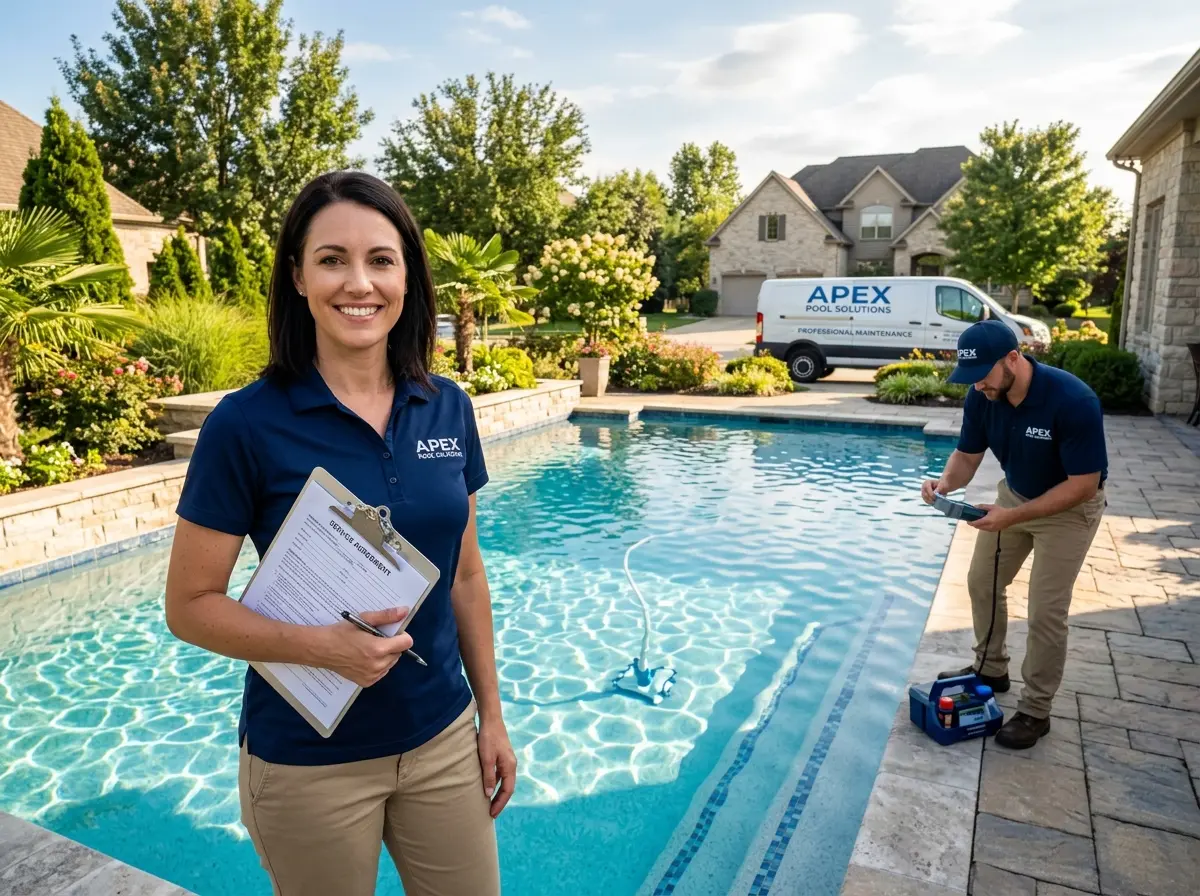
Why Your Pool Service Business is Leaving Money in the Deep End
Let's be honest — chasing down one-time service calls is exhausting. You dispatch a tech, fix the problem, collect a check, and then spend the next week wondering where your next job is coming from. Meanwhile, your operating costs don't take a summer vacation. Sound familiar?
Here's the good news: annual maintenance contracts are the single best way to stabilize your revenue, reduce customer acquisition costs, and build a pool service business that doesn't feel like a constant game of financial whack-a-mole. The even better news? A well-designed contract practically sells itself — if you know how to build one.
According to the Association of Pool & Spa Professionals, the residential pool service industry generates over $6 billion annually in the U.S., yet the majority of small operators still rely heavily on unpredictable, transactional work. That's a lot of money being left on the table — or rather, in the pool. This guide will walk you through building an annual maintenance contract that your customers will actually want to sign.
Building a Contract That Customers Can't Say No To
The foundation of a great maintenance contract isn't just the price — it's the perceived value. Customers need to feel like they're getting a deal, gaining peace of mind, and solving a real problem all at once. That's a tall order, but totally achievable.
Start With Tiered Service Packages
Nobody wants to feel like they're buying a one-size-fits-all solution — especially homeowners who spent $50,000 on a custom inground pool with a waterfall feature. Offering tiered packages (think Bronze, Silver, and Gold — or if you want to be on brand, Splash, Wave, and Tsunami) gives customers the feeling of choice while guiding them toward the option that makes the most sense for their needs and your margins.
Your entry-level tier might cover weekly chemical balancing and basic filter checks. Your mid-tier adds monthly equipment inspections and priority scheduling. Your premium tier could bundle in seasonal opening and closing, equipment tune-ups, and a dedicated service representative. The key is making each tier feel meaningfully different — not just "the same stuff, but more expensive."
Price It for Value, Not Just Cost
A common mistake pool service owners make is pricing their annual contracts purely based on their labor and chemical costs, then slapping on a margin. That's accounting, not selling. Instead, think about what it costs your customer not to have the contract.
A single emergency pump replacement can run $800–$1,500. An algae bloom remediation? Easily $300–$600 in chemicals and labor. When you frame your $1,200/year premium contract against the potential cost of just two emergency service calls, the math does the selling for you. Build a simple comparison sheet — either printed or on your website — that shows customers exactly what they'd pay à la carte versus on contract. Most people will choose the contract once they see it laid out clearly.
Include the Details That Build Trust
A contract that vaguely promises "regular maintenance" isn't a contract — it's a loose suggestion. Be specific. List visit frequency, response times for service issues, exactly what's included (and what isn't), and how customers can reach you. Transparency isn't just good legal practice; it's a marketing tool. Customers who feel informed are customers who feel respected, and respected customers renew.
Also, consider including a satisfaction guarantee — even something simple like a free follow-up visit within 48 hours if they're not happy with a service. That kind of commitment signals confidence and professionalism, and it almost never gets used. It just makes people feel better about signing.
Using Technology to Close More Contracts Without Doing More Work
You've built a beautiful contract structure. Now you need to actually sell it — and ideally, do that without having to personally answer every phone call at 8 PM from a homeowner who just noticed their pool looking suspiciously green.
Let AI Handle the First Conversation
Stella, the AI robot employee and phone receptionist, is a surprisingly powerful tool for pool service companies looking to close more annual contracts. She answers calls 24/7, walks potential customers through your service packages, promotes your current offers, and collects customer information through conversational intake forms — all without you lifting a finger. That means when a homeowner calls on a Sunday afternoon in a panic about their pool, Stella is already there, explaining your maintenance contract options, capturing their details, and setting the stage for your team to follow up with a ready-to-sign prospect.
For pool companies with a physical showroom or retail location, Stella's in-store kiosk presence means she can greet walk-in customers, answer questions about your service tiers, and proactively highlight your annual contract specials — all while your staff focuses on actually servicing pools. Her built-in CRM automatically logs customer interactions, tags leads by interest level, and generates AI-powered customer profiles, so your sales follow-up is smarter and more targeted. At $99/month, she costs less than one hour of emergency service labor.
Keeping Customers on Contract Year After Year
Getting a customer to sign the first time is only half the battle. The real magic — and the real money — is in renewals. A customer who renews for three or four years has dramatically lower acquisition costs and is far more likely to refer friends and family. Here's how to make renewals feel inevitable.
Deliver a Remarkable Experience, Not Just a Clean Pool
Your customers hired you to take care of their pool, but what keeps them loyal is how they feel about working with you. Small touches make a big difference: a text message summary after each service visit, a heads-up when their chemical levels were slightly off and what you did about it, or a seasonal tip sheet about protecting their equipment during winter. These gestures take minutes but signal that you're proactive, communicative, and genuinely invested in their pool's health.
Customers who feel informed and cared for don't go shopping for alternatives at renewal time. They just sign again — often without asking for a discount.
Automate Your Renewal Process
The single biggest reason customers don't renew isn't dissatisfaction — it's that the renewal process was awkward, slow, or easy to forget. Send a renewal notice 60 days before the contract expires, follow up at 30 days, and make the process as frictionless as possible with online payment options and e-signatures. If you're using a CRM, set reminder workflows so nothing falls through the cracks.
Also, use the renewal conversation as a natural upsell opportunity. A customer who's been on your Silver plan for a year is a prime candidate for Gold. They already trust you. Remind them what's included in the next tier, mention any new services you've added, and make the upgrade feel like a reward for their loyalty rather than a sales pitch.
Handle Objections Before They Become Cancellations
Price objections are common, but they're usually a symptom of perceived value problems — not actual budget problems. If a customer says your contract is too expensive, the real issue is that they don't yet see what they're getting for the money. That's your cue to revisit the value framing: pull up their service history, total up what they would have paid à la carte, and remind them of the two emergency calls you handled at no extra charge under their plan. Let the data make the case for you.
For customers who genuinely are budget-constrained, consider offering a payment plan or a slightly stripped-down custom option rather than losing them entirely. A smaller contract is worth more than no contract — and it keeps the relationship alive.
Quick Reminder About Stella
Stella is an AI robot employee and phone receptionist designed for businesses exactly like yours. She answers calls around the clock, promotes your service packages, and manages customer information — so you can focus on running your business instead of playing phone tag. At $99/month with no upfront hardware costs, she's one of the easiest upgrades a growing pool service company can make.
Start Building Your Contract Business Today
Annual maintenance contracts aren't just a nice idea — they're the structural difference between a pool service business that survives and one that thrives. By building tiered packages with clear value, pricing against customer pain points, leveraging technology to handle inquiries and follow-ups, and investing in the kind of service experience that makes renewals automatic, you're not just selling a contract. You're building recurring revenue, loyal customers, and a business that's actually worth owning.
Here are your next steps:
- Audit your current service offerings and identify what naturally belongs in a Bronze, Silver, and Gold tier.
- Build a value comparison sheet showing à la carte costs versus your contract price.
- Set up an automated renewal workflow in your CRM with 60-day and 30-day touchpoints.
- Review your communication touchpoints — post-service summaries, seasonal tips, and proactive alerts go a long way.
- Consider how you're handling inbound inquiries outside of business hours and whether a tool like Stella could close more contracts while you sleep.
Your competitors are still chasing one-time jobs. You don't have to be.