Your Front Desk Shouldn't Leave Money on the Table (But It Probably Does)
Here's a scenario that plays out in spas every single day: A guest books a 60-minute Swedish massage, shows up, gets their treatment, pays, and leaves. Simple enough. But what if that guest would have happily added a CBD oil upgrade, a scalp treatment, or a take-home recovery kit — if only someone had thought to mention it? The difference between a $90 appointment and a $135 appointment isn't magic. It's a well-timed question from a confident front desk team.
Upselling gets a bad reputation because so many businesses do it wrong — awkwardly, aggressively, or at entirely the wrong moment. But when it's done right, it doesn't feel like a sales pitch at all. It feels like genuinely helpful advice from someone who knows their stuff. The good news is that your front desk team can absolutely learn to do this well. The even better news is that you don't have to figure it all out yourself. This guide gives you the scripts, the strategy, and a couple of tools to make upselling feel natural — and profitable.
The Art of the Well-Timed Ask
Timing is everything in spa upselling. Recommend an add-on too early and it feels pushy. Recommend it too late and the moment has passed. The sweet spot is knowing when your guest is most receptive — and building your team's habits around those windows.
The Three Golden Moments to Offer an Upgrade
Most spa upsells happen (or should happen) during three specific touchpoints in the guest journey. The first is at booking — whether over the phone or at the front desk — when the guest is already mentally committed and excited. This is the perfect moment to mention that their chosen treatment pairs beautifully with a hot stone add-on or that a first-time guest package is available at a slight discount for the full experience.
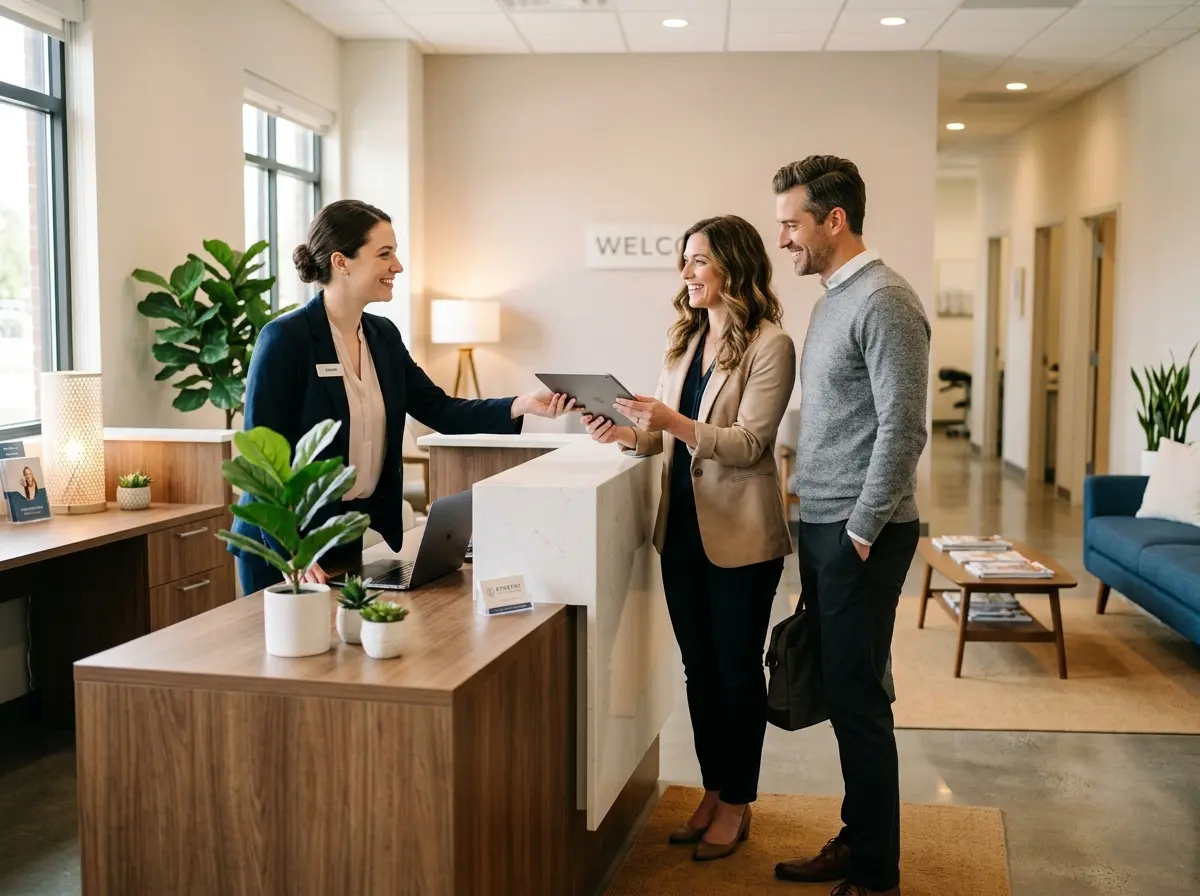
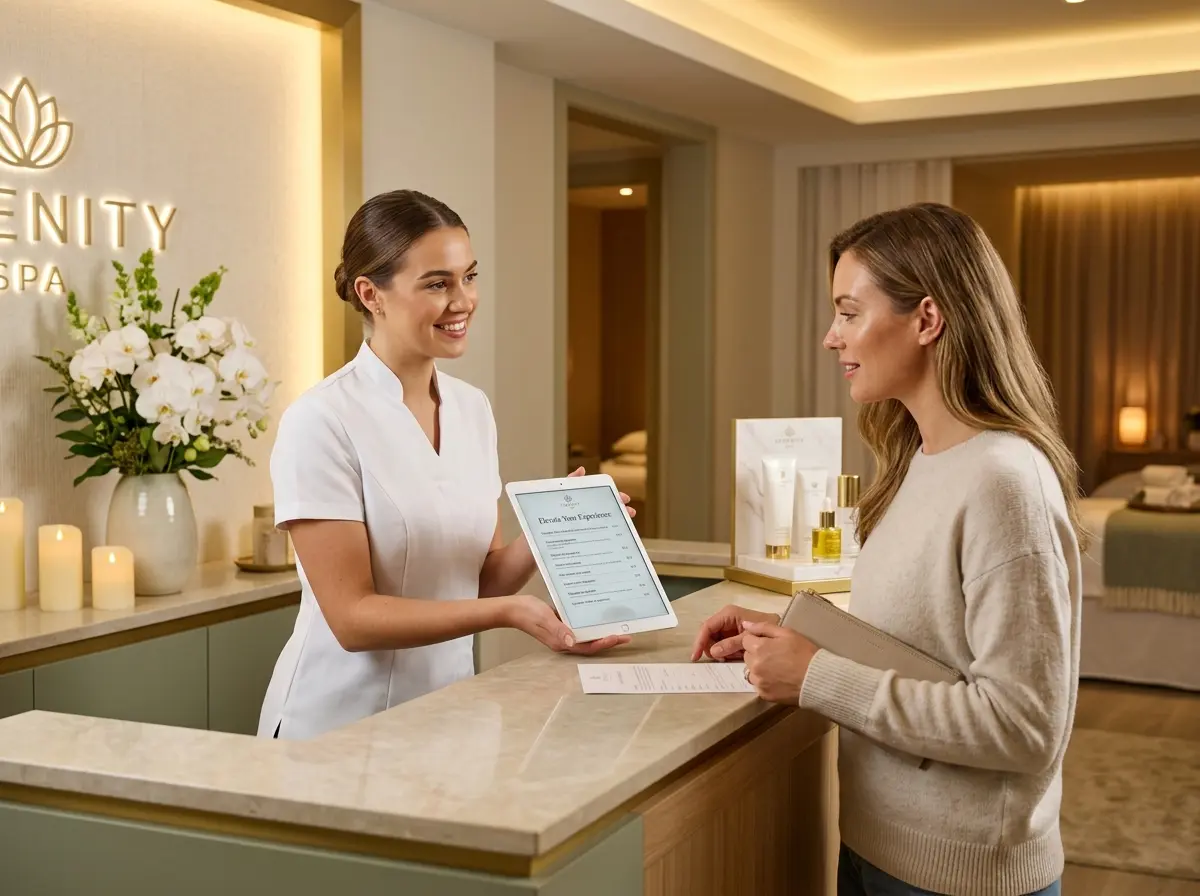
The second moment is at check-in. The guest has arrived, they're relaxed, and they haven't started thinking about leaving yet. A brief, confident suggestion from the receptionist — "Just so you know, we have a complimentary aromatherapy upgrade running this week for just $15 more" — lands very differently than a desperate pitch at the end of their visit.
The third moment is post-treatment, when the guest is glowing and deeply satisfied. This is prime territory for retail product recommendations and rebooking with an enhanced package. Strike while the bliss is hot.
Reading the Room: Matching the Upsell to the Guest
Not every upsell is right for every guest, and your front desk team needs to understand this. A first-timer who booked a basic facial probably doesn't need to be pitched the full luxury facial series on visit one. But a returning guest who always books the same 90-minute deep tissue? They're exactly the person to tell about the new cupping add-on you just introduced.
Train your team to look at booking history and ask light qualifying questions during check-in. Something as simple as "Is there anything specific you're hoping to address today?" opens the door to a targeted recommendation rather than a generic one. People don't feel upsold when they feel understood.
Scripts That Actually Work (Without Sounding Robotic)
The number one reason front desk teams don't upsell consistently is that they don't know what to say — or they've tried something once, it felt awkward, and they quietly gave up. The fix is simple: give them language they can actually use. Here are a few proven scripts your team can adapt to their own voice.
At Booking or Check-In
Avoid the classic mistake of asking a yes/no question. "Would you like to add anything?" is almost always going to get a "No, I'm fine." Instead, make it specific and frame it as information:
- "A lot of guests who book the hot stone massage also love adding our aromatherapy upgrade — it's $18 and really completes the experience. Want me to go ahead and include that?"
- "Since this is your first visit, I'd love to mention our first-timer enhancement package — it includes a foot soak and scalp massage for just $25 more. It's a really popular add-on."
- "We actually have a seasonal special right now — a collagen eye treatment that pairs perfectly with your facial. It only adds about 10 minutes. Interested?"
Notice the pattern: specific service, clear price, social proof or context, and a soft close. No pressure, just information and a gentle nudge.
At Checkout: Retail and Rebooking
Post-treatment is your best shot at retail sales and future appointment upsells. Your therapist should hand off with a warm recommendation — "She mentioned she loved the lavender oil we used, so I wanted to let you know we carry that in-store" — and your front desk team should have the product ready to show, not just describe. Seeing the product while still feeling relaxed is a powerful combination.
For rebooking, try framing it as an upgrade: "If you want to rebook, we have a package that gets you three sessions at a slight discount — a lot of guests find it's easier to budget for and you get priority scheduling." That's not aggressive. That's helpful.
How Technology Can Do Some of the Heavy Lifting
Here's the honest truth: even your best-trained front desk team will have off days. They'll get busy, forget to mention the add-on, or simply not have time to walk a new caller through your current promotions. That's where smart tools make a real difference.
Let Stella Handle the Consistency Problem
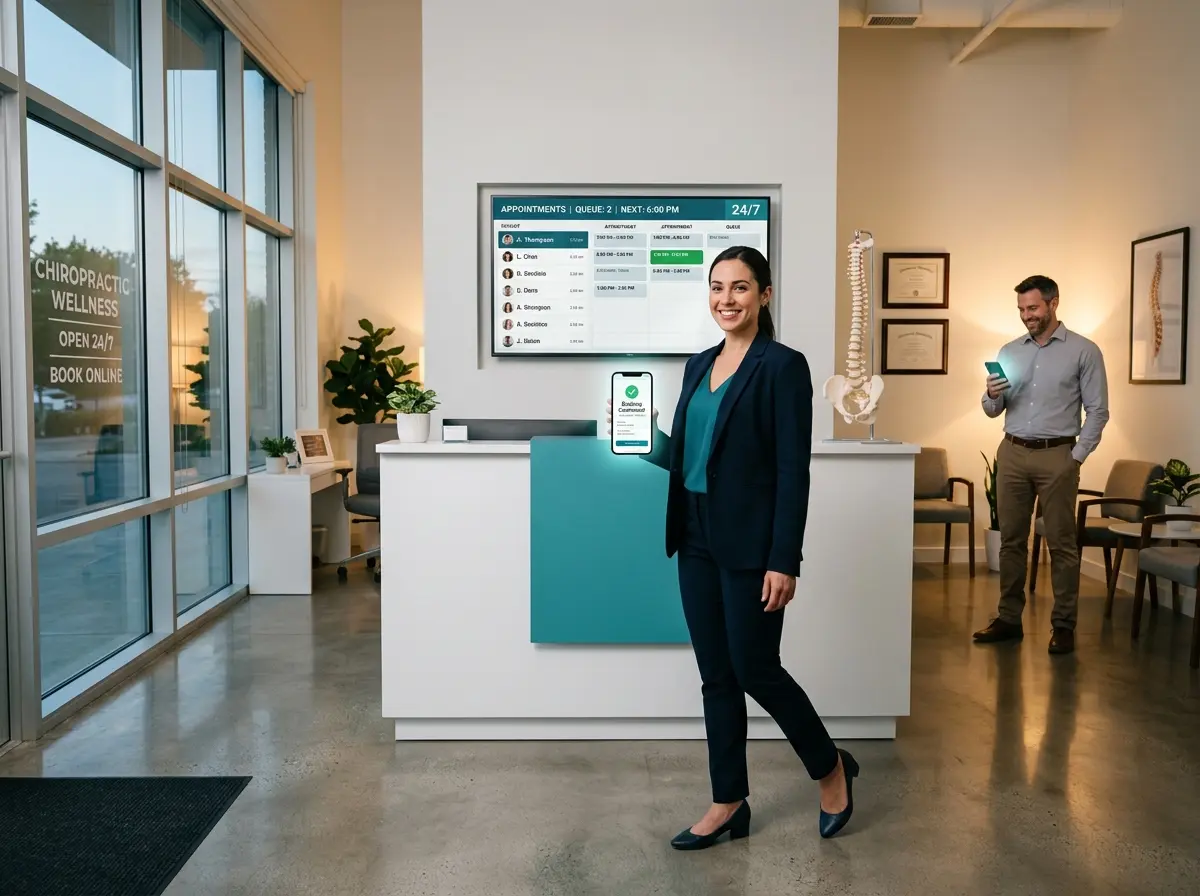
Stella — the AI robot employee and phone receptionist — is built for exactly this kind of situation. When a guest calls to book a massage, Stella can answer that call 24/7, walk the caller through available services, and proactively mention relevant upgrades and current promotions as part of the natural conversation. She never forgets to mention the seasonal special. She never skips the upsell because she's distracted by a walk-in. Every caller gets the full pitch, delivered conversationally and without pressure.
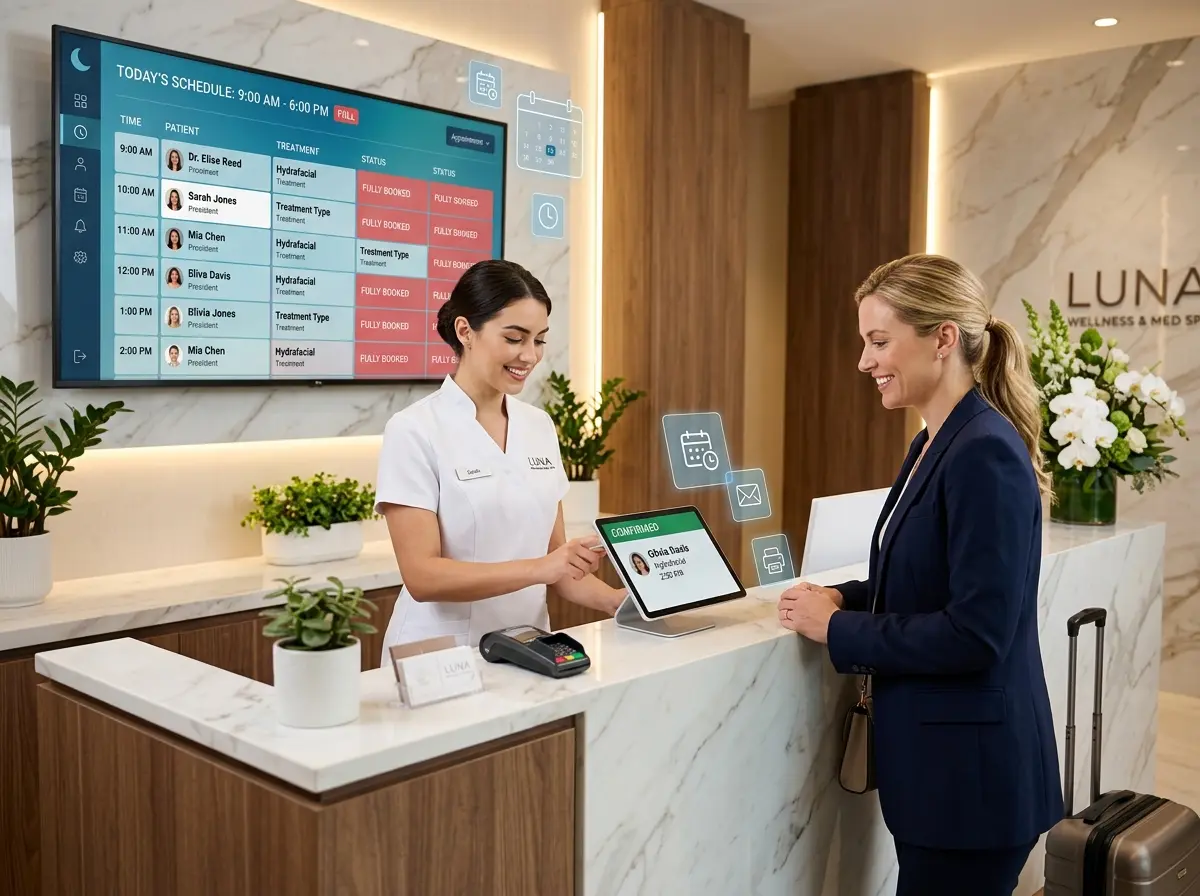
For spas with a physical location, Stella also operates as an in-store kiosk, greeting guests as they arrive and engaging them with relevant service highlights before a human team member even steps in. Think of her as the team member who always shows up on time, always knows the current promotions, and never has a bad day. Honestly, a little aspirational for all of us.
Training Your Team to Upsell With Confidence
Scripts are a starting point, not a finish line. Your team needs to genuinely believe in what they're recommending — and they need enough practice that the words don't feel foreign when a real guest is standing in front of them.
Run Regular Role-Playing Sessions (Yes, Really)
Role-playing is the part everyone dreads and the part that actually works. Set aside 15 minutes at your next team meeting. Have one person play the guest, one play the receptionist, and debrief afterward. What felt natural? What felt forced? What question caught the receptionist off guard? Doing this once a month builds muscle memory — and it gives your team a chance to workshop the language in a low-stakes environment instead of figuring it out in front of a real guest.
It also helps to rotate your add-on focus. One month, the team focuses on upgrading treatments. The next, they focus on retail. The next, rebooking packages. Trying to train everything at once leads to nothing being executed consistently.
Incentivize the Behavior You Want
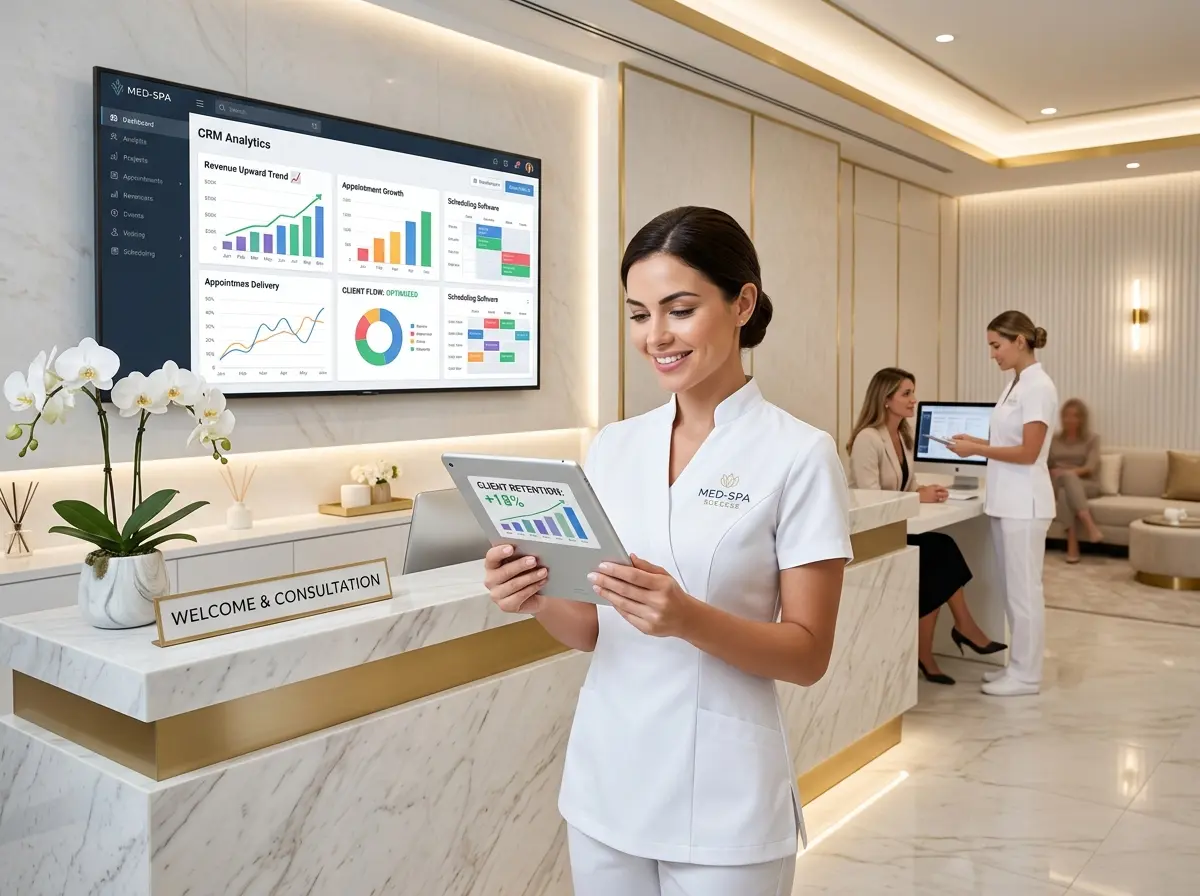
People do more of what they're rewarded for — this is not a groundbreaking insight, but it is one that many spa owners overlook when it comes to upselling. Consider building a simple incentive structure: a small bonus or recognition for the team member who adds the most enhancements in a given month, or a team-wide reward when monthly retail sales hit a certain threshold. Tracking upsell data also helps you identify who needs more coaching and who might be your in-house upselling champion worth learning from.
According to industry estimates, add-on services can increase a spa's average ticket by 15–30% when offered consistently. That's not a rounding error — that's a meaningful bump in revenue that doesn't require a single new customer.
A Quick Reminder About Stella
Stella is an AI robot employee and phone receptionist that works both as an in-store kiosk and a 24/7 phone answering solution — available to any business for just $99/month with no upfront hardware costs. She's designed to greet customers, promote services and specials, handle intake, and yes, upsell — all without taking a break or calling in sick. For spa owners looking to close the consistency gap between their best front desk days and their worst ones, she's worth a serious look.
Start Small, Stay Consistent, and Watch Your Average Ticket Climb
Upselling isn't about transforming your front desk team into aggressive salespeople. It's about giving them the tools, the language, and the confidence to have better conversations with guests who are already there, already happy, and already open to spending a little more when the right thing is recommended at the right time.
Here's where to start this week:
- Pick two or three add-ons to focus on and make sure every team member knows the price, the benefits, and the talking points for each one.
- Choose one script for booking and one for checkout. Keep it simple to start.
- Run a 15-minute role-play session at your next team meeting.
- Track your add-on attachment rate for 30 days and see what changes.
Small habits, repeated consistently, compound into serious revenue over time. Your guests want a great experience — and most of them would genuinely enjoy more of it if someone just asked. Make sure your team is doing the asking.