Introduction: Because "Uh, Hello?" Is Not a Brand Strategy
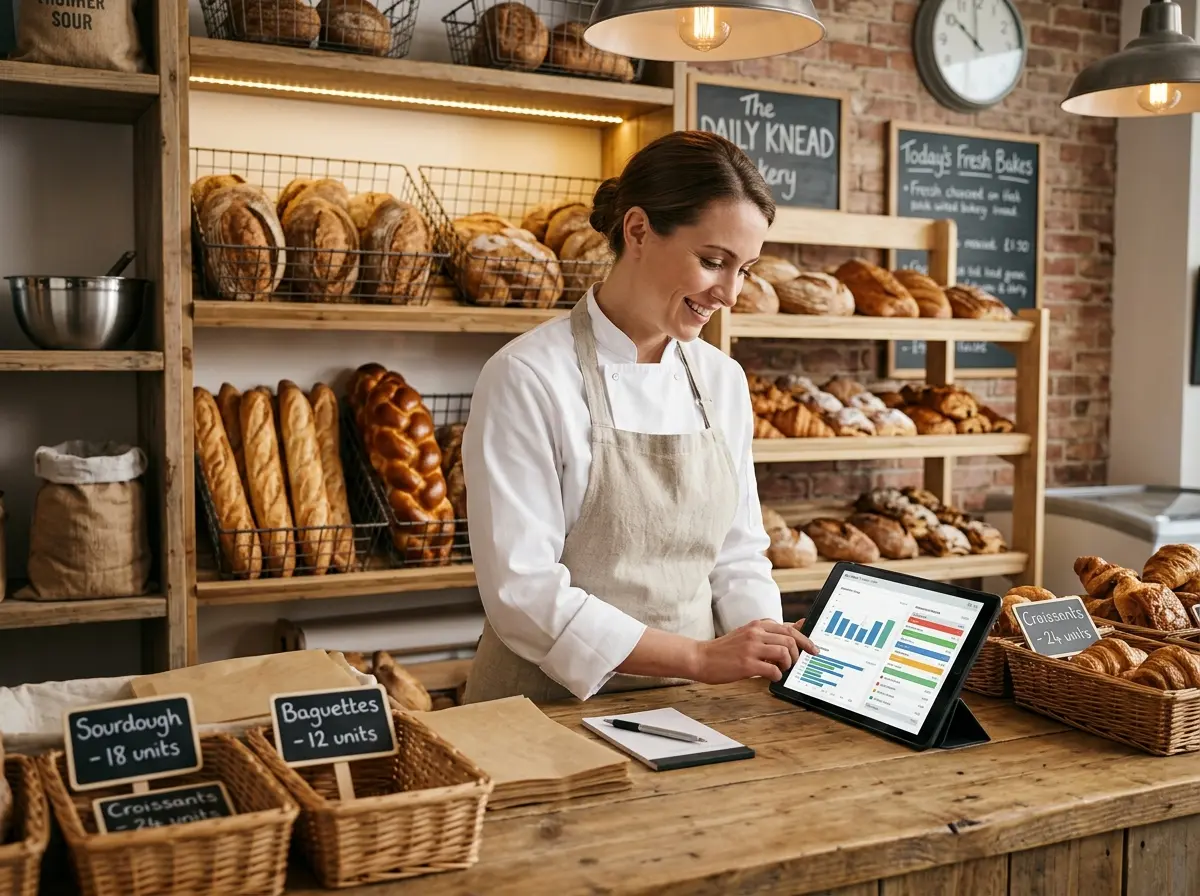
You've spent real money on your logo, your signage, your website, and maybe even that fancy espresso machine in the break room. Your brand looks polished, professional, and consistent — right up until someone calls your second location and gets greeted with a tired, mumbled, "Yeah, hold on." Suddenly, all that brand equity you've been carefully building evaporates in about four seconds.
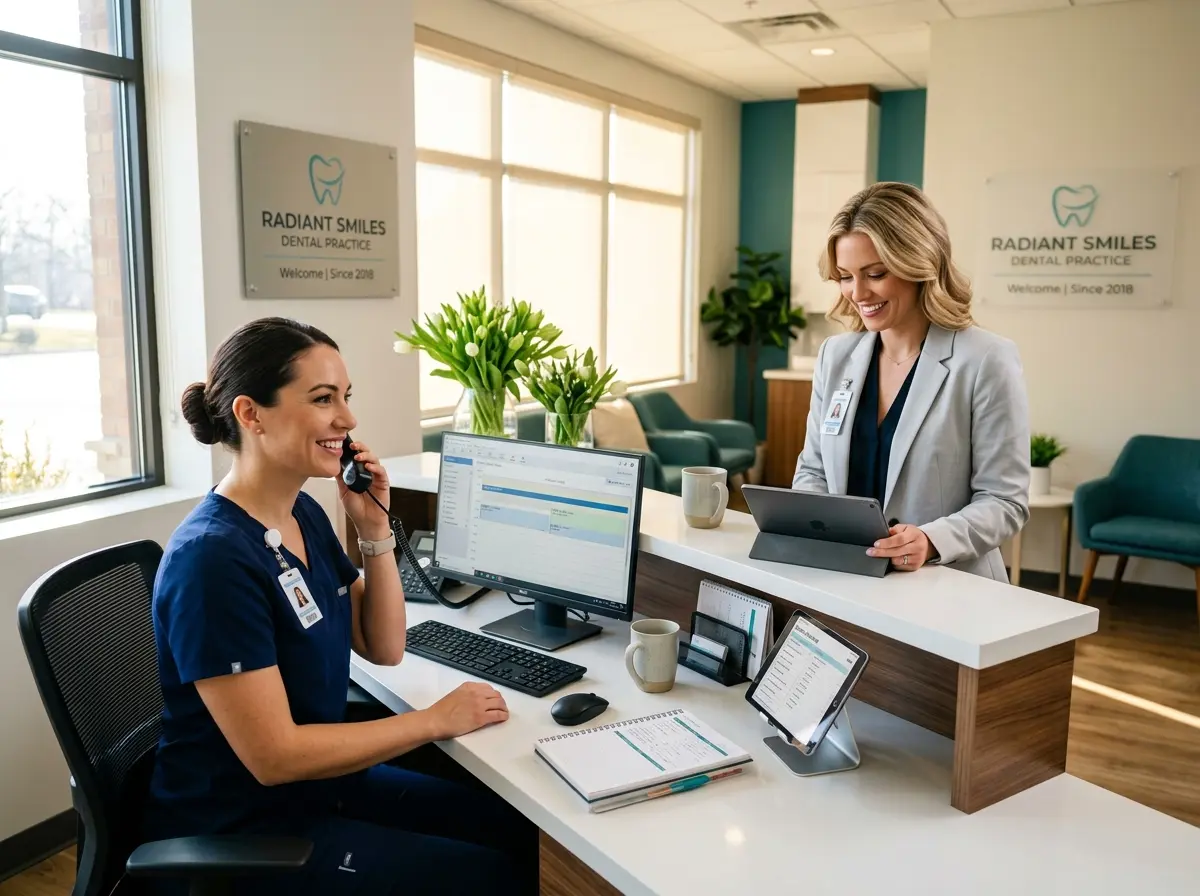
Here's the uncomfortable truth: your phone greeting is often the first live human interaction a customer has with your business. And if you have multiple locations, you're essentially rolling the dice every single time that phone rings. Will customers get the warm, professional experience you've envisioned? Or will they get Dave, who just got back from lunch and is clearly not thrilled about it?
According to research from PwC, 32% of customers say they would stop doing business with a brand they love after just one bad experience. One. A single fumbled phone call can undo weeks of great marketing. The good news? Creating a consistent, on-brand phone greeting standard across every location isn't as complicated as it sounds — and the payoff is enormous. Let's break it down.
Building the Foundation of Your Phone Greeting Standard
Define What "On-Brand" Actually Sounds Like
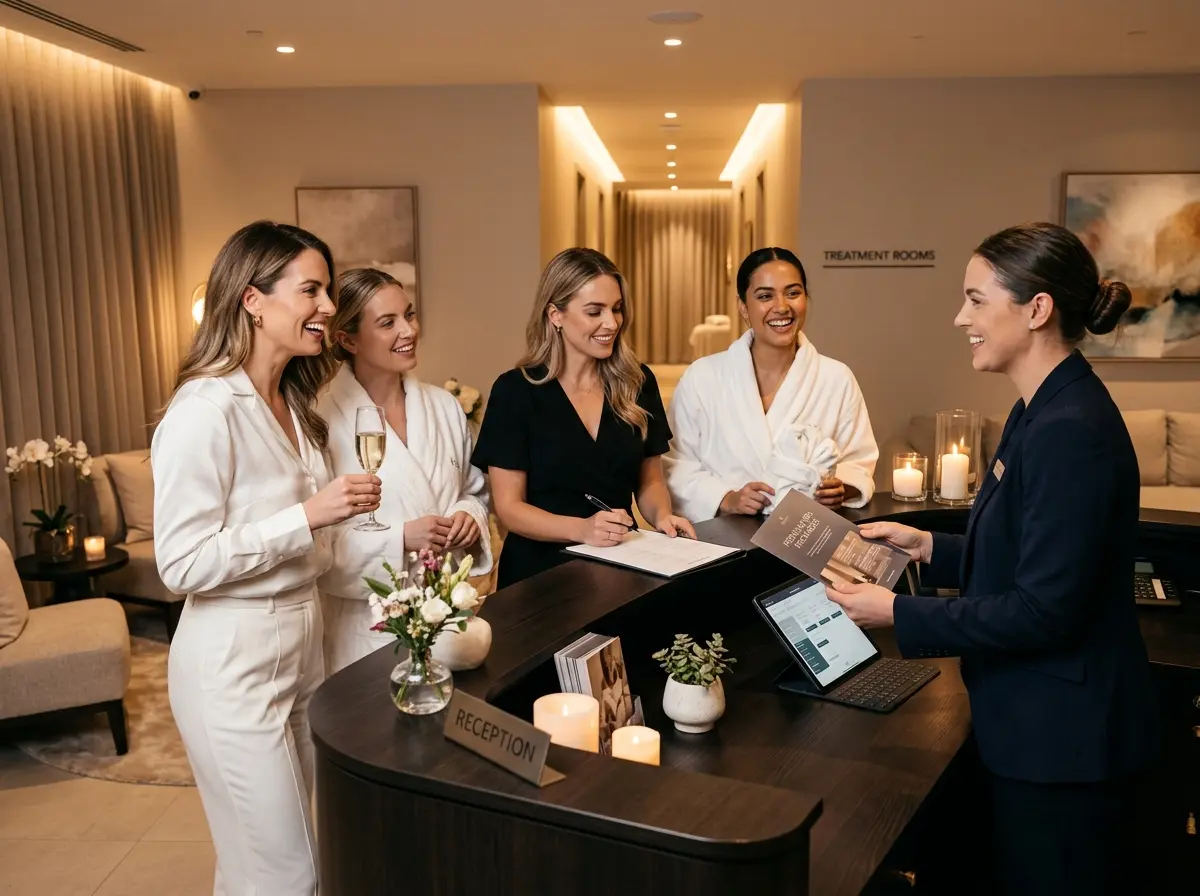
Before you can write a single script, you need to get crystal clear on your brand's communication personality. This sounds more philosophical than it is, so don't panic. Ask yourself: if your business were a person, how would they talk? A law firm should probably sound composed and authoritative. A kids' birthday party venue should sound like they're genuinely excited about balloons. A luxury spa should sound like a warm whisper wrapped in eucalyptus.
Write down three to five adjectives that describe how your brand should feel to a caller. Friendly. Confident. Approachable. Knowledgeable. Efficient. These adjectives become the filter through which every word of your greeting gets evaluated. If a phrase doesn't match those adjectives, cut it.
Craft a Greeting Script That Covers the Basics Without Being Robotic
A solid phone greeting script has four components, in order: a warm opener, your business name, the employee's name, and an offer to help. Simple. Something like: "Thank you for calling Riverstone Dental — this is Kayla, how can I help you today?" That's it. It's not Shakespeare, but it hits every mark.
What you want to avoid is the dreaded run-on greeting that sounds like someone reading from a legal disclaimer. Keep it under fifteen words if possible. Callers are not waiting for a TED Talk — they just want to know they've reached the right place and that someone is ready to help them. Once you've nailed the basic script, write variations for common situations: after-hours calls, calls during peak busy periods, and calls to specific departments.
Document Everything in a Communications Style Guide
A greeting script without documentation is just a suggestion. And suggestions, as any multi-location business owner knows, have a funny way of being interpreted very loosely. Create a simple Communications Style Guide that includes your greeting scripts, tone guidelines, words and phrases to avoid (like "no problem," "yep," or any slang your brand wouldn't endorse), and examples of how to handle common scenarios such as being put on hold or transferring a call.
This doesn't need to be a 40-page manifesto. A two-page reference document that lives in every employee's onboarding packet — and is revisited during team meetings — is far more effective than an elaborate manual nobody reads. Make it accessible, make it practical, and make it part of your culture from day one.
How Technology Can Help You Stop Relying on Human Consistency
Let an AI Receptionist Do the Heavy Lifting
Here's a radical idea: what if your phone greeting was always perfect, at every location, at every hour, without a single coaching session? That's not wishful thinking — it's exactly what Stella, an AI robot employee and phone receptionist, delivers for businesses across dozens of industries.
Stella answers every incoming call with the same warm, professional, on-brand greeting — whether it's 9 AM on a Monday or 11:30 PM on a holiday weekend. She knows your products, your services, your hours, your promotions, and your policies. She can collect customer information through conversational intake forms, handle routine questions without pulling your staff away from in-person customers, and forward calls to the right human when the situation calls for it. For businesses with physical locations, she also stands inside the store as a human-sized kiosk, greeting walk-in customers and engaging them proactively — so your brand experience stays consistent whether someone walks through the door or dials your number. At $99/month with no upfront hardware costs, she's also considerably more affordable than retraining Dave for the fifth time this year.
Training and Maintaining Consistency Across Your Locations
Make Phone Standards Part of Onboarding, Not an Afterthought
Most businesses train employees on how to use the POS system, where to park, and how to submit time-off requests. Fewer businesses spend even twenty minutes training staff on how to properly answer the phone. This is a significant gap, and it shows up in the customer experience every single day.
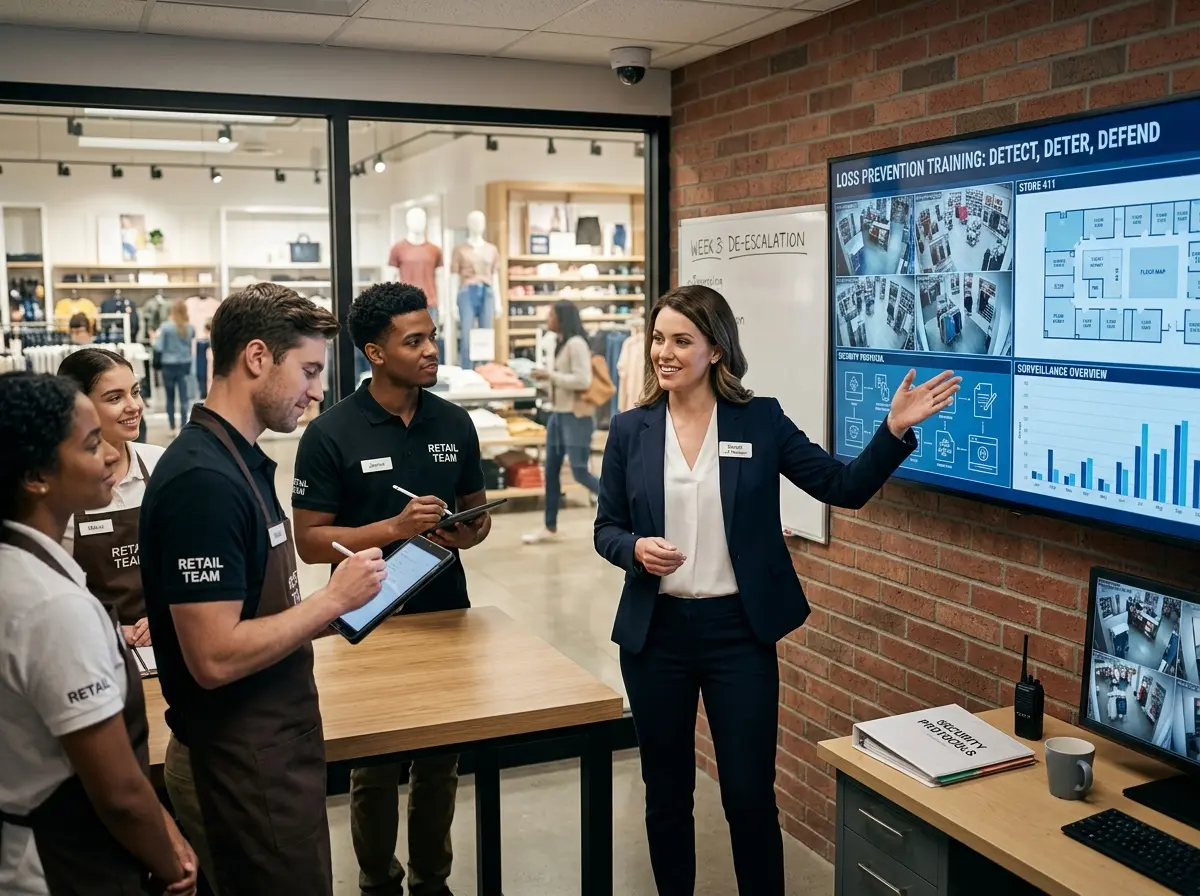
Build phone greeting training into your onboarding process as a non-negotiable module. Have new hires practice the greeting out loud — yes, out loud, and yes, it will feel awkward, and that's the point. Role-play common scenarios. Record practice calls so they can hear themselves. The goal is to make the greeting feel natural rather than rehearsed, and the only way to get there is repetition. A great greeting delivered confidently sounds like genuine hospitality. A great greeting delivered nervously sounds like someone reading off a cue card.
Audit Your Locations Regularly With Mystery Calls
Once your standards are in place and your team is trained, you need a system for verifying that standards are actually being followed — because what gets measured gets managed. Mystery calls are one of the most effective and low-cost tools available to multi-location business owners. Call each location as a customer would, at different times of day and on different days of the week, and evaluate the experience against your style guide.
Keep a simple scorecard: Did the employee use the correct greeting? Did they state the business name and their own name? Was the tone appropriate? How was the hold experience? How was the transfer experience? Track these scores over time and use them in performance conversations. When employees know that call quality is being monitored, standards tend to stay tighter — and when you identify gaps, you have specific, documented feedback to work with rather than vague impressions.
Create a Feedback Loop Between Locations
Multi-location businesses have a hidden advantage that single-location operations don't: you have multiple teams experimenting with customer communication simultaneously. Take advantage of that. Create a simple internal process for sharing what's working — whether it's a weekly manager check-in, a shared Slack channel, or a quarterly review meeting where communication wins and challenges are discussed openly.
If one location figures out a particularly effective way to handle frustrated callers, every location should know about it within a week. If a new promotion is generating a lot of inbound questions that front-line staff aren't equipped to answer, that's a gap your style guide needs to address immediately. Consistency doesn't mean rigidity — it means shared standards that evolve together based on real experience.
Quick Reminder About Stella
Stella is an AI robot employee and phone receptionist built for businesses of all sizes and types — from multi-location retailers to solo service providers. She answers calls 24/7, greets in-store customers from her physical kiosk, and delivers a consistent, knowledgeable brand experience every single time. At $99/month with no upfront costs and an easy setup, she's one of the most practical tools available for business owners who are serious about brand consistency.
Conclusion: Consistency Is a Competitive Advantage
Your brand is only as strong as its weakest touchpoint — and for many businesses, that weakest touchpoint is ringing right now on line two. The good news is that fixing it isn't a massive undertaking. It's a series of deliberate, repeatable steps: define your brand's communication personality, write a clear and simple greeting script, document your standards, train every employee on those standards from day one, and then verify compliance through regular mystery calls and internal feedback loops.
Here are your actionable next steps to get started this week:
- Write down five adjectives that define your brand's communication personality.
- Draft a standard greeting script using the four-component formula: warm opener, business name, employee name, offer to help.
- Create or update your Communications Style Guide to include scripts, tone guidelines, and phrases to avoid.
- Add phone greeting training to your employee onboarding checklist.
- Schedule your first round of mystery calls across all locations before the end of the month.
Your brand deserves better than whatever happens when a distracted employee picks up on the fourth ring. Give every caller — at every location, at every hour — the same excellent first impression you've worked so hard to build everywhere else. It's not just good hospitality. It's good business.