When "Just a Moment" Becomes the Whole Morning
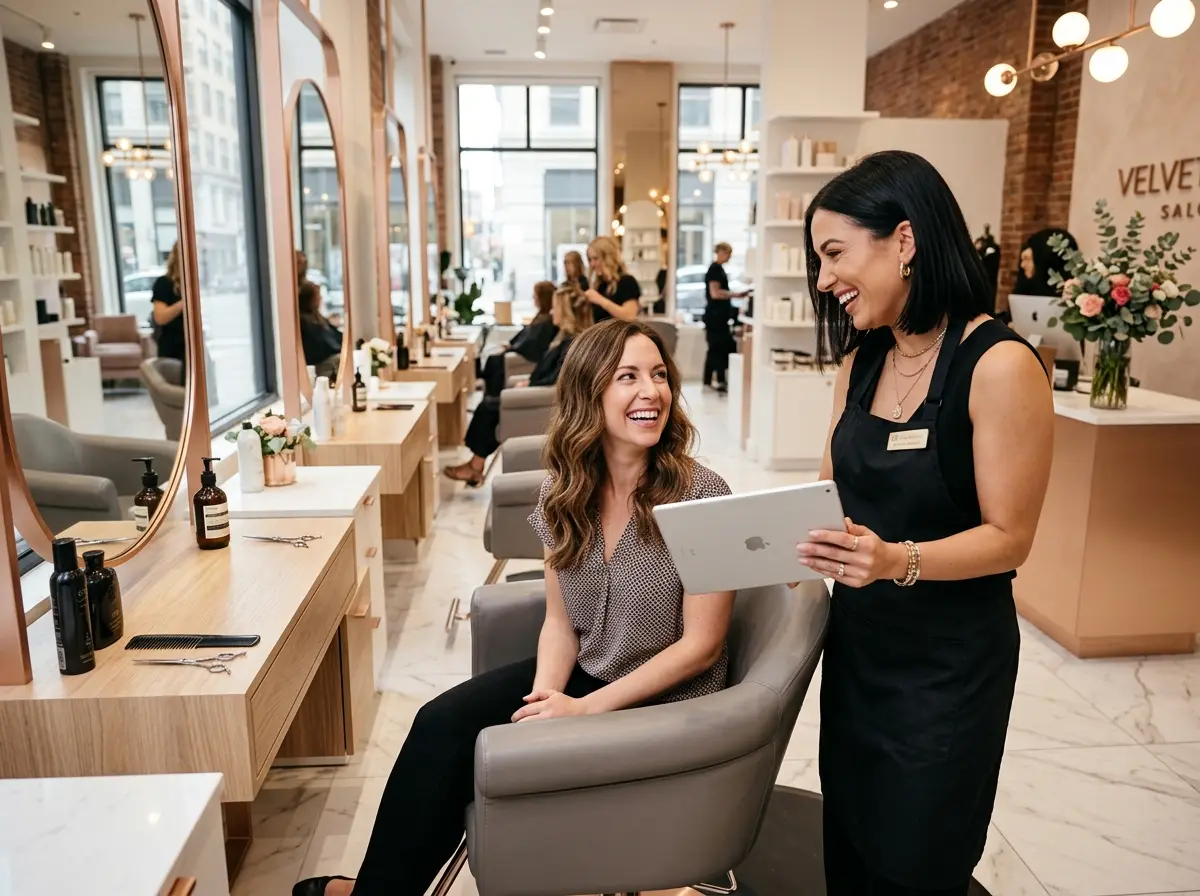
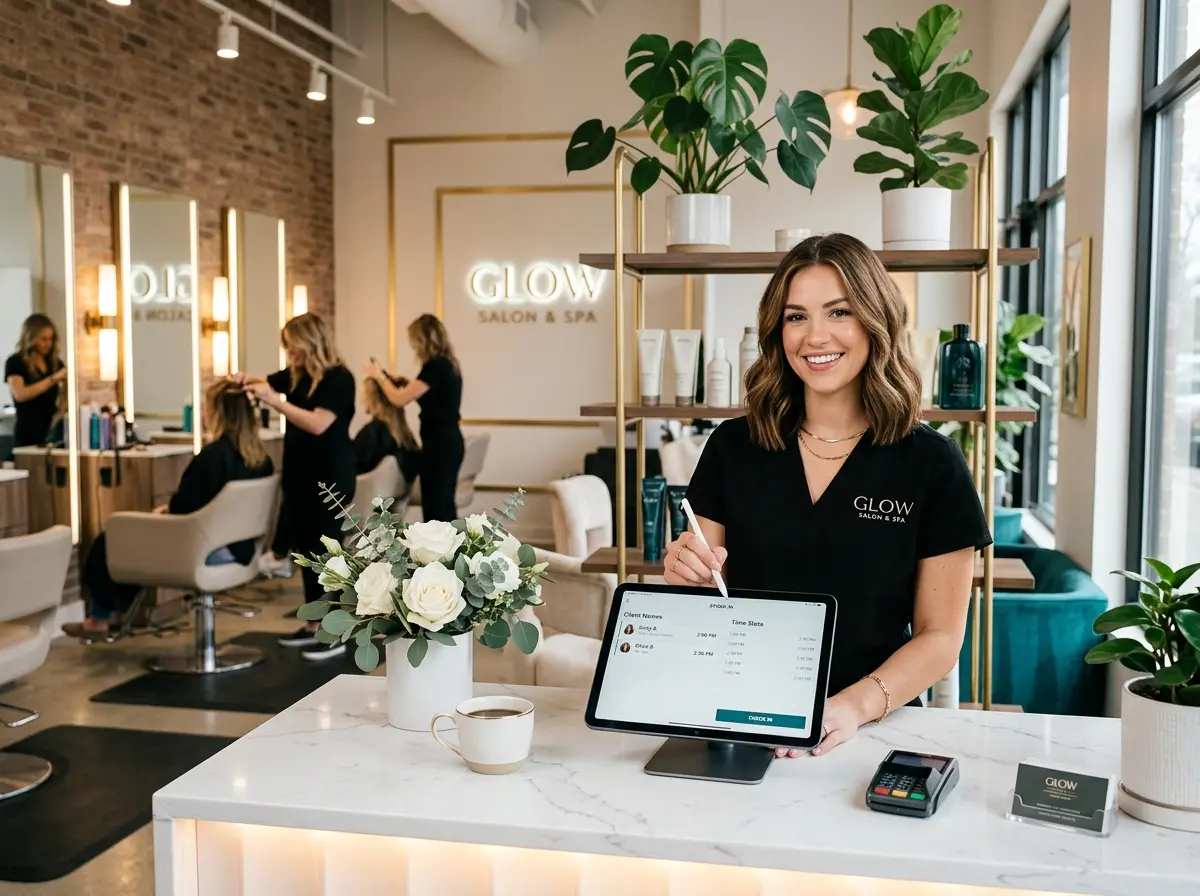
Picture this: It's a Tuesday morning at your salon. The phone is ringing, a client just walked in for her 9 a.m. blowout, someone's standing at the desk asking about your balayage pricing, and your front desk associate is simultaneously trying to check in a third client, answer a question about your cancellation policy, and locate a booking confirmation from three weeks ago. Somehow, "just a moment" has stretched into a 20-minute circus — and it's not even 9:15 yet.
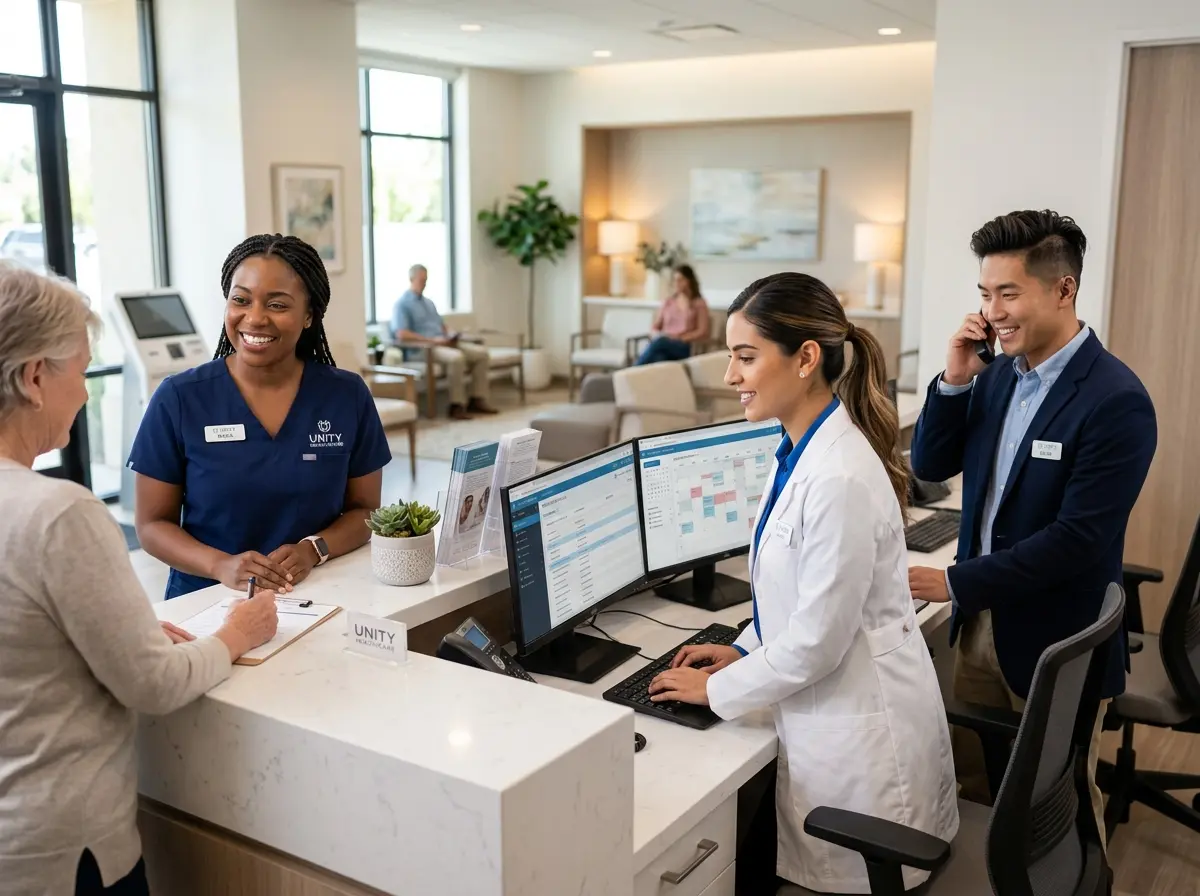
Sound familiar? If you run a busy salon, you already know that the front desk is one of the most chaotic real estate in any service business. It's the first impression, the last impression, the information hub, and the scheduling nerve center — all rolled into one person who, despite being superhuman, still needs to use the bathroom occasionally.
The good news is that automated check-in systems are no longer just for airports and big-box gyms. Salons of all sizes are discovering that a smarter check-in process can reclaim hours of productivity each week, reduce front desk stress, and actually improve the client experience. Let's talk about how that works — and how you can make it happen in your own business.
The True Cost of a Manual Check-In Process
It's Not Just Slow — It's Expensive
Most salon owners think of check-in inefficiency as a minor annoyance. A few extra minutes here and there, right? But when you actually do the math, the picture gets a lot less comfortable. If your front desk spends an average of 4–6 minutes manually checking in each client — confirming the appointment, updating contact info, collecting intake details, explaining the service, and processing any intake paperwork — and you see 40 clients a day, that's anywhere from 2.5 to 4 hours of labor dedicated to a process that could largely run itself.
That's not counting the phone calls that interrupt every check-in, the walk-in inquiries that pile up during a rush, or the time spent hunting through a CRM for a client's allergy notes before a chemical service. Multiply that inefficiency across a full week, and you're looking at a staggering amount of time that isn't being spent on revenue-generating activity — or, frankly, on giving clients the warm, attentive welcome they came in for.
The Hidden Impact on Client Experience
There's also a subtler cost that doesn't show up on any spreadsheet: the client experience suffers when your front desk is overwhelmed. Clients notice when the person checking them in seems distracted, rushed, or frazzled. They notice when they have to repeat their contact information for the third visit in a row. They especially notice when they're standing at the desk for five minutes while the receptionist fields a phone call about keratin treatments.
First impressions in a salon happen the moment a client walks through the door. If that moment is chaotic, it sets the tone for the entire visit — regardless of how excellent the actual service is. Automating check-in isn't just about saving time; it's about giving clients a better experience from the very first second.
What Manual Check-In Actually Requires
It's worth breaking down what the check-in process often involves, because owners sometimes underestimate its complexity:
- Greeting the client and confirming the appointment
- Verifying or updating contact information
- Collecting or reviewing intake forms (especially for chemical services)
- Confirming the specific service and stylist
- Communicating any relevant promotions or add-ons
- Notifying the stylist that their client has arrived
- Managing wait times and seating
Each of these steps is simple on its own. Together, under pressure, while the phone is ringing — it's a lot. Automating even a few of these touchpoints can have a dramatic effect.
How Automation Gives You Back Those Hours
Technology That Works at the Door
Modern check-in automation for salons typically involves some combination of a self-service kiosk, pre-arrival text or email reminders with digital intake forms, and a smart system that flags arrivals to the relevant staff member. Clients who arrive for their appointment can confirm their presence, update their information, and even review service details — without ever needing to interrupt your front desk associate.
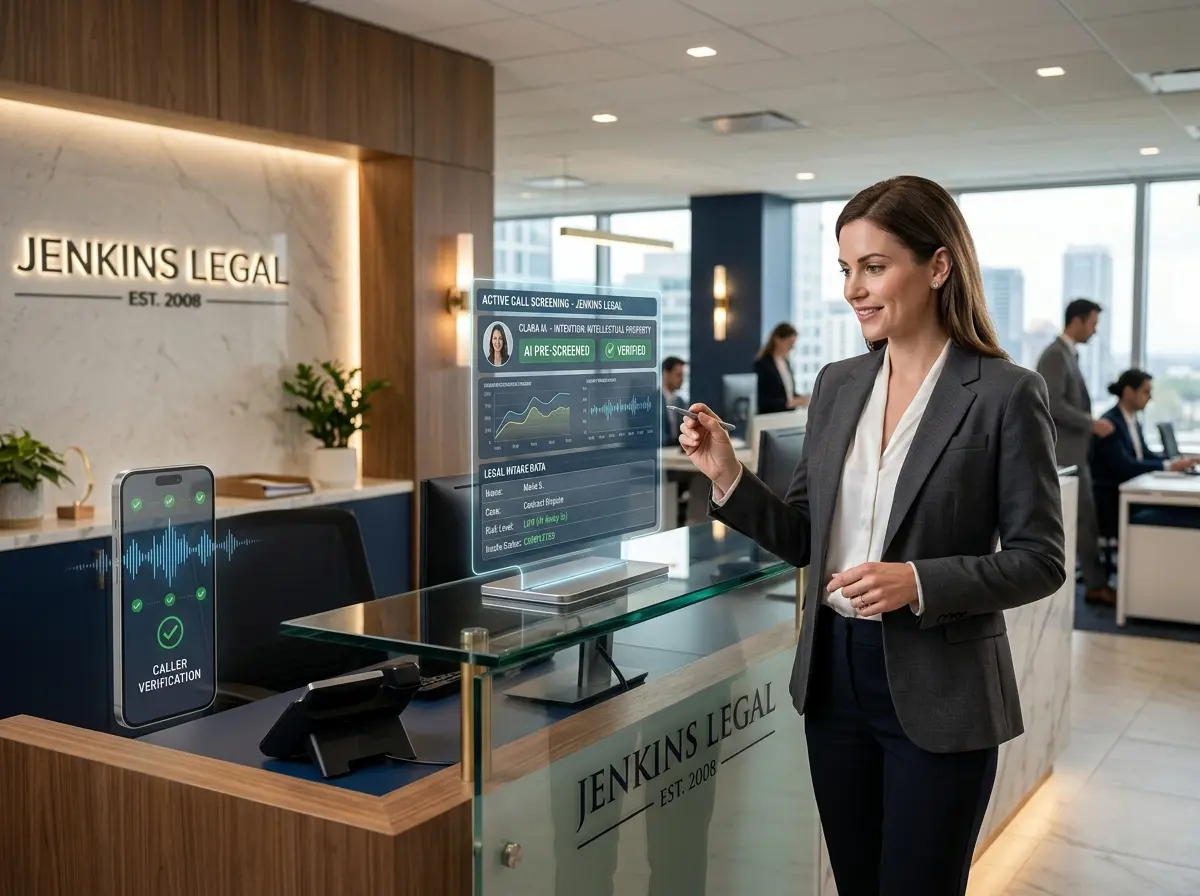
This is where tools like Stella, the AI robot employee and phone receptionist, become genuinely useful for salons. Stella operates as a human-sized kiosk that stands inside your business, greets clients as they arrive, engages them in natural conversation, answers questions about services and promotions, and handles conversational intake — all without pulling your staff away from what they're doing. She also answers phone calls 24/7, so the front desk isn't being interrupted by every inquiry about your hours, your pricing, or whether you do extensions. Her built-in CRM captures client details, supports custom fields and tags, and generates AI-powered client profiles — so your team always has the context they need before a service begins.
The result is a front desk that handles exceptions rather than every single routine interaction. Your human staff focuses on the moments that actually require human judgment, empathy, or creativity. Everything else? Handled.
Digital Intake Forms: Small Change, Big Impact
One of the highest-leverage automations any salon can implement is the pre-arrival digital intake form. Instead of handing a new client a clipboard and a pen when they walk in — or worse, verbally collecting health history information while other clients wait — you send a form link before the appointment. The client fills it out on their phone at home, the data flows directly into your system, and your stylist can review it before the appointment even begins.
For services involving chemicals, color, or scalp treatments, this isn't just a time-saver — it's a liability management tool. Having documented client consent and health history before every applicable service is simply good business practice.
Building a Check-In System That Actually Sticks
Start With Your Biggest Bottlenecks
Before you invest in any technology, spend one week observing your front desk during peak hours and honestly documenting where time is being lost. Is it the phone calls? The paper intake forms? The manual appointment confirmations? The clients who don't know which stylist they're booked with? Different salons have different pain points, and the best automation strategy addresses your specific bottlenecks rather than trying to solve everything at once.
Once you've identified the top two or three time drains, you can select tools that specifically address those problems. Starting focused means faster results, less staff resistance, and a clearer picture of what's actually working.
Train Your Team — and Your Clients
Even the best automation system fails if your team doesn't use it consistently or if your clients don't understand how it works. Spend time training your front desk staff on the new workflow, emphasizing that automation is there to support them — not replace them. A system that reduces interruptions means they can focus on the interactions that actually require their expertise and personality.
On the client side, a brief explanation during booking ("When you arrive, our check-in kiosk will get you started — just takes about a minute!") goes a long way. Most clients adapt quickly once they understand it's faster for them, too. And for clients who aren't comfortable with technology, your staff is still right there to assist — the goal is reducing the volume of routine tasks, not eliminating human presence altogether.
Measure the Results and Adjust
Once your automated check-in process is live, track it. How long does check-in take on average now versus before? How many phone calls are being resolved without staff involvement? How much time is your front desk spending on proactive client engagement versus reactive task management? These numbers tell you what's working, what needs tweaking, and where additional automation could continue to pay off.
Salons that implement well-designed check-in automation consistently report reclaiming 4–6 hours per week at the front desk — time that can be redirected to upselling retail products, improving the waiting area experience, or simply giving your front desk associate a chance to breathe and do their job well.
Quick Reminder About Stella
Stella is an AI robot employee and phone receptionist designed for businesses exactly like yours. She greets clients in person at her kiosk, answers phones 24/7 with full knowledge of your services and policies, and manages client intake and contact information through a built-in CRM — all for $99/month with no upfront hardware costs. For a busy salon front desk, she's the kind of backup that never calls in sick.
Your Front Desk Deserves Better Than Organized Chaos
The salon industry runs on relationships, creativity, and client experience. None of those things are well-served by a front desk buried under a pile of manual tasks that a good system could handle automatically. Five hours a week sounds modest — until you realize that's 260 hours a year that could be spent on growing your business, improving your client experience, or simply running a less stressful operation.
Here's how to get started this week:
- Audit your current check-in process. Time it. Document the steps. Find the friction.
- Identify your top two bottlenecks — most likely phones and intake forms — and research tools that address them directly.
- Implement one change at a time. Pilot a digital intake form before your next new-client appointment, or set up an automated arrival notification to stylists. Small wins build momentum.
- Measure the impact after 30 days and decide what to tackle next.
Your front desk team is talented, personable, and capable of delivering an exceptional client experience. Give them the systems they need to actually do that — and stop asking them to be a human switchboard at the same time. Your clients will notice the difference, your staff will thank you, and your Tuesday mornings will never look the same again.