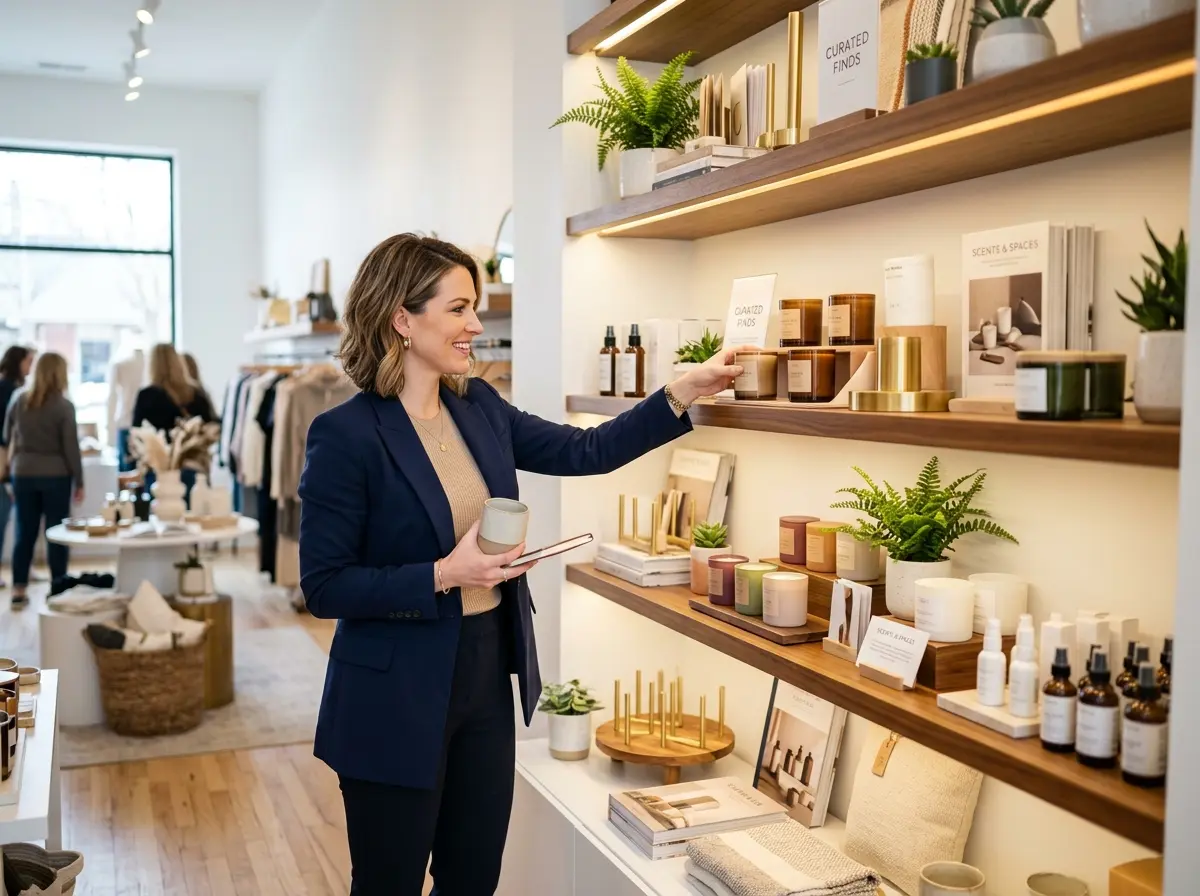
Your Store Called — It Wants to Look Better
Let's be honest: you've walked into a competitor's store, looked around, and thought, "How are they pulling this off?" The products aren't better than yours. The prices aren't lower. But somehow, everything just looks more appealing, more intentional, more… buyable. That's visual merchandising doing exactly what it's supposed to do — and if you're not using it deliberately, you're leaving money on the table every single day.
The Fundamentals That Most Stores Get Wrong
The Rule of Three (and Why Your Shelves Are Probably Ignoring It)
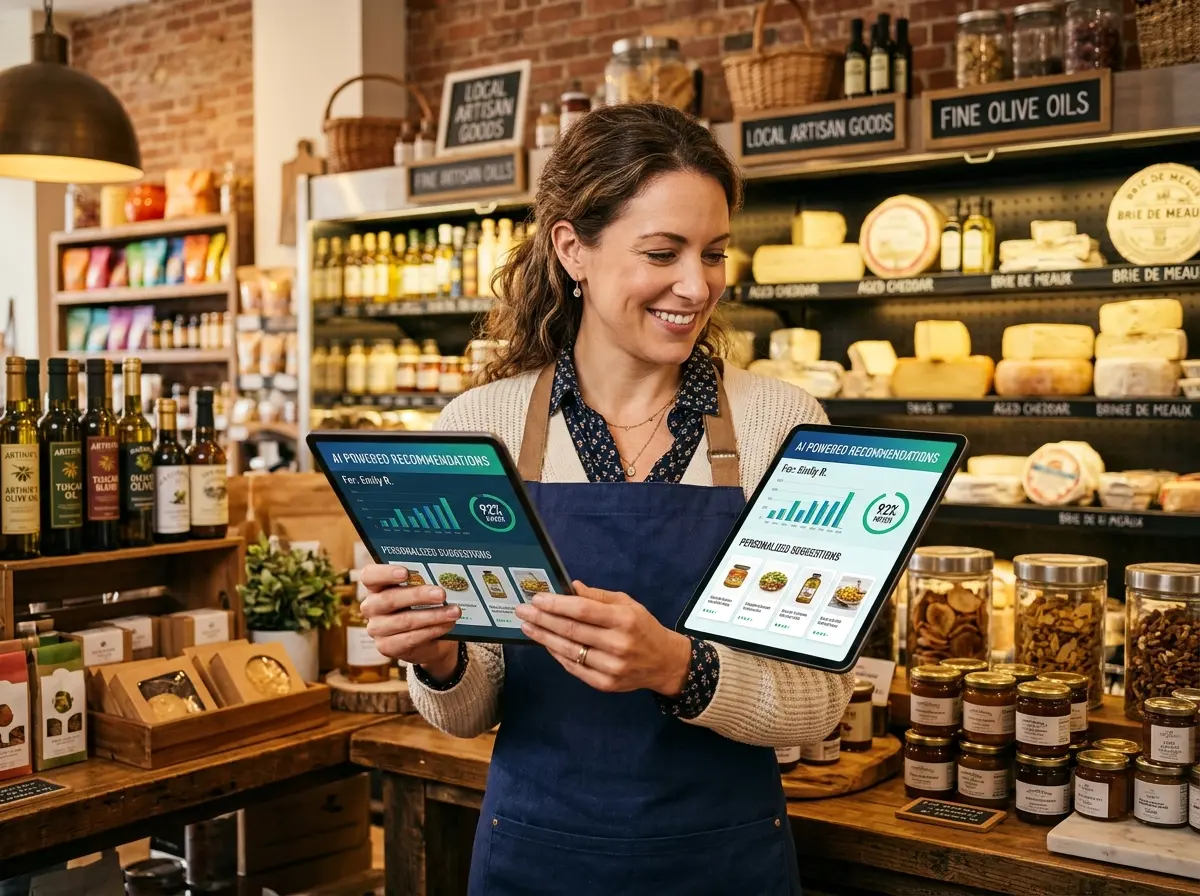
Designers, photographers, and stylists have known for decades that the human eye finds groupings of three inherently pleasing. It's called the Rule of Three, and it applies directly to how you arrange products on shelves, tables, and displays. Instead of lining up ten identical items in a row like a soldier parade, group products in sets of three at varying heights. Use a tall candle, a medium decorative box, and a small figurine. Or a large bag of coffee, a medium tin, and a small sample packet. The variation creates visual rhythm, and visual rhythm holds attention.
Height, Depth, and the Magic of Visual Layers
A practical trick: before you invest in fancy risers, check your stockroom. Wooden crates, thick hardcover books wrapped in craft paper, sturdy boxes draped with fabric — all of these create height variation for essentially zero dollars. Retailers who use vertical layering consistently report higher engagement with displays, and higher engagement translates directly into higher conversion. Studies have shown that well-designed in-store displays can increase impulse purchases by up to 20%. That's not a rounding error; that's revenue.
Color Blocking: The Easiest Upgrade You're Not Using
Let Your In-Store Experience Do More of the Heavy Lifting
Make Every Square Foot Work Harder
This is where Stella comes in. Stella is an AI robot employee and phone receptionist that can stand right inside your store, greeting customers proactively, answering their questions about products and promotions, and even upselling and cross-selling — all without pulling a single team member off the floor. While your beautifully merchandised displays are doing the visual work, Stella handles the conversational layer, turning browsers into buyers. And outside store hours, she keeps answering phone calls so your business never goes dark. It's a tidy combination: your store looks great, and it keeps talking even when you're not there.
Making Your Windows and Entry Work for You
The Five-Second Rule for Window Displays
A passerby makes a decision about whether to enter your store in roughly five seconds. That's the entire audition your window display gets. Given those stakes, your window should do one thing and do it clearly: communicate a single, compelling idea. Not five products. Not a wall of signage. One idea. Whether that's "summer is here," "the perfect gift under $50," or "new arrivals just landed," the message should be impossible to miss and easy to understand at a glance.
Your Entrance Is Your Handshake
Consider what you want customers to feel the moment they walk in. Energized? Relaxed? Inspired? Luxurious? Your entrance decor, lighting, and even scent should all reinforce that feeling. This isn't fluff — retail environments that create a coherent emotional experience see meaningfully higher dwell times, and dwell time is one of the strongest predictors of purchase behavior.
Lighting: The Underrated Game-Changer
If you take nothing else from this article, take this: bad lighting destroys good merchandising. Harsh overhead fluorescents flatten products and make colors look muddy. Warm, directed lighting creates drama, draws the eye, and makes products look genuinely appealing. Even inexpensive clip-on spotlights or LED puck lights aimed at key displays can transform how a product looks on the shelf.
Quick Reminder About Stella
Stella is an AI robot employee and phone receptionist built for businesses of all types — retail, restaurants, salons, medical offices, gyms, and more. She greets customers in your store, promotes your current deals, answers questions, and handles phone calls 24/7, all for just $99/month with no upfront hardware costs. Think of her as the team member who's always on, always professional, and never calls in sick.
Put It All Together — Starting Today
- Walk your store as a stranger would. Note what catches your eye and what doesn't. Be honest.
- Pick one display to rework using the Rule of Three and add height variation with whatever you already have on hand.
- Audit your lighting. Identify one dark or flat area and add a single directed light source.
- Update your window display with a single clear message tied to the current season or promotion.
- Declutter your entrance zone and make sure the first impression feels welcoming, not overwhelming.