The Silent Exodus Nobody Warns You About
Here's the uncomfortable truth: most clients who leave never tell you why. According to research by the White House Office of Consumer Affairs, a staggering 96% of unhappy customers don't complain — they simply don't come back. And in a relationship-driven business like a spa, where client retention is everything, that silent departure is a slow leak you might not notice until the boat is already sinking.
Why Spa Clients Leave Without Saying a Word
They Don't Feel Heard (Or Remembered)
The Booking Experience Is More Friction Than Zen
Here's an irony worth sitting with: clients come to your spa to relax, but getting to your spa is sometimes more stressful than their workday. Phones that ring out, online booking systems that crash on mobile, voicemails that go unreturned for 48 hours — these aren't just inconveniences. They're reasons to book elsewhere. Your competitor with the mediocre deep tissue massage but the frictionless online booking? They're eating your lunch right now.
A simple question on your post-visit survey — "How easy was it to book your appointment today?" — can surface booking friction you didn't even know existed. You might be shocked by what clients say when you give them a safe space to say it.
They Outgrew What You're Offering — Or Just Got Bored
Survey questions like "Are there services you wish we offered?" or "What would make you more likely to visit us more frequently?" can give you direct insight into what your clients actually want — which is, funnily enough, far more useful than guessing.
How Technology Can Quietly Do the Heavy Lifting
Let Automation Handle What Humans Keep Forgetting
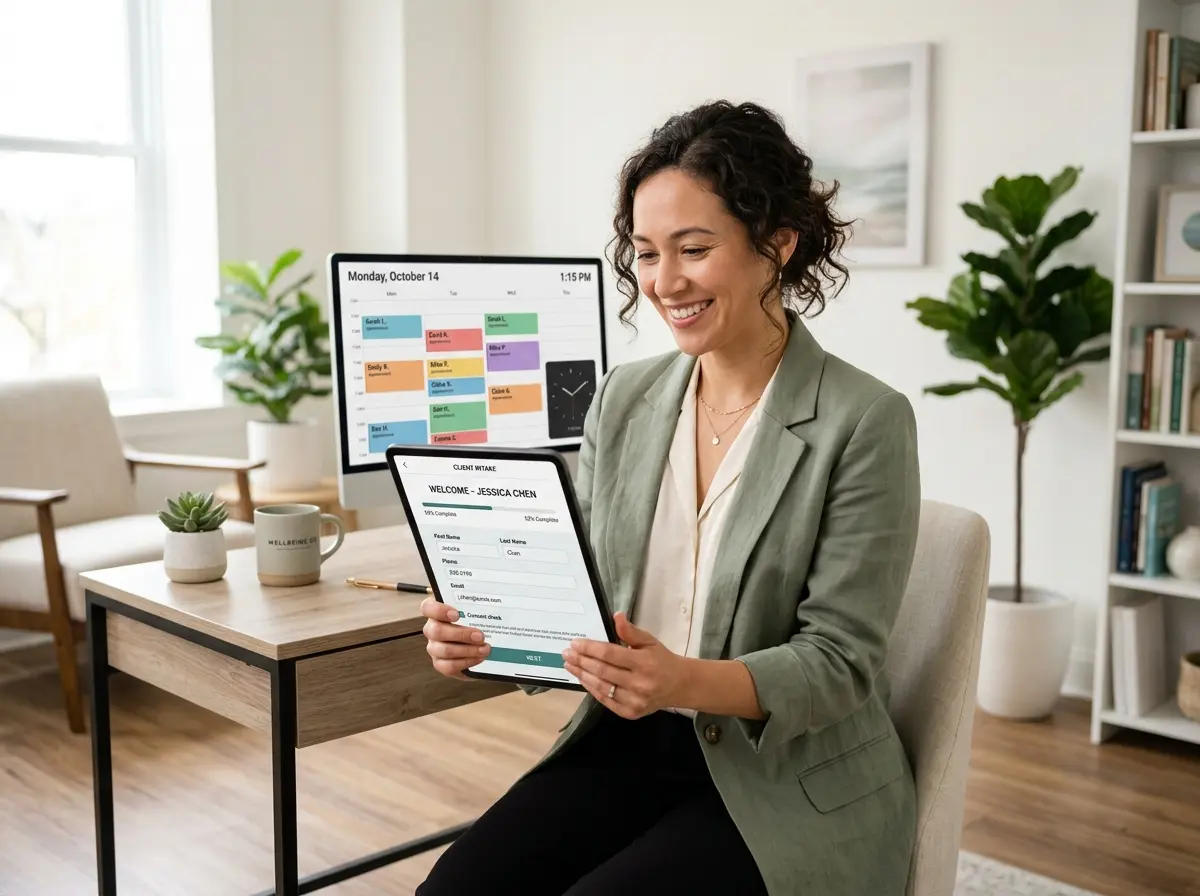
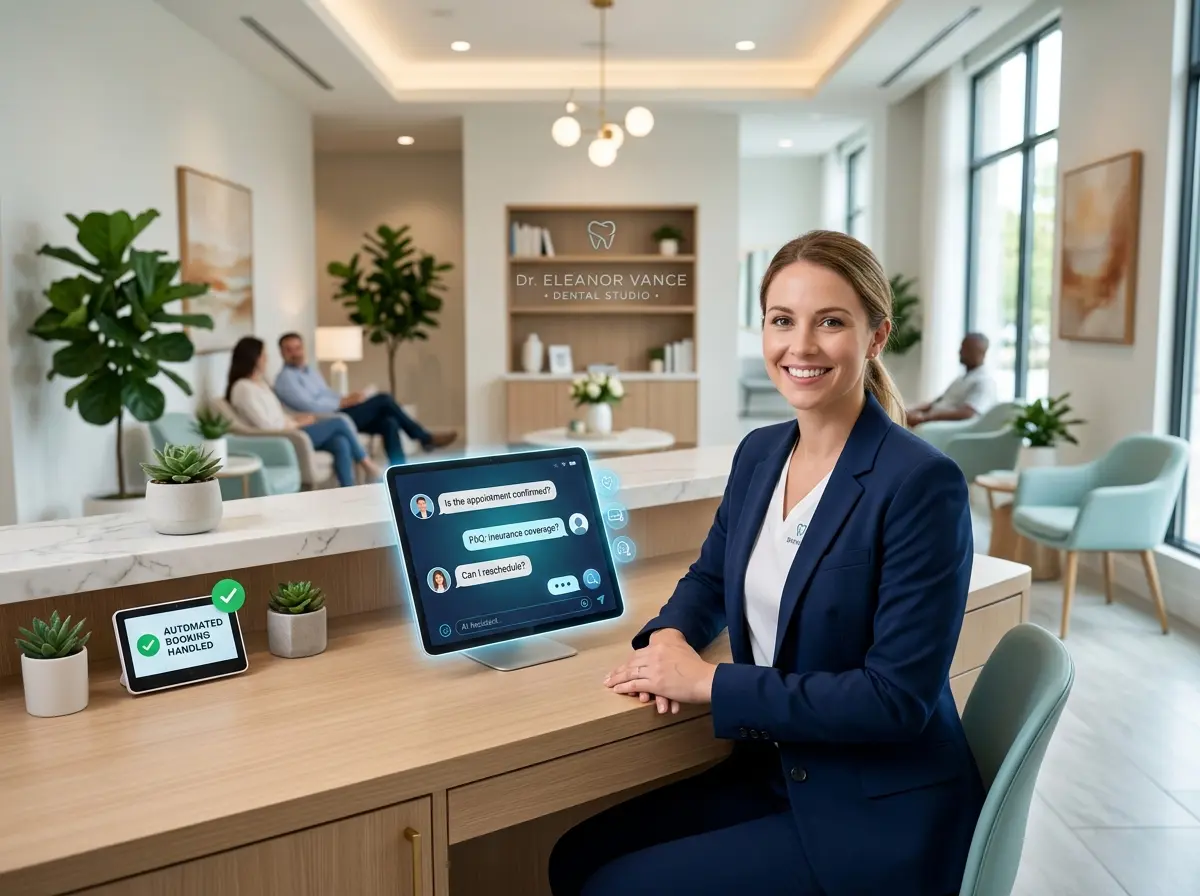
This is also where tools like Stella — the AI robot employee and phone receptionist — can quietly support your retention efforts behind the scenes. Stella greets clients when they walk in, engages them naturally about services and promotions, and answers phone calls 24/7 so no booking opportunity slips through the cracks. Her built-in CRM lets you store client preferences, tag contacts, add notes, and build detailed profiles — the kind of information that makes every visit feel personal. She also collects customer information through conversational intake forms, whether on the phone, at the kiosk, or on the web, so your team always has context before the client even settles onto the table. At $99/month with no upfront hardware costs, she's the team member who never calls in sick and never forgets to follow up.
Building a Feedback Survey That Clients Actually Complete
Keep It Short, Keep It Purposeful
Time It Right and Remove All Friction
Use Negative Feedback as a Retention Superpower
A client who rates you three stars and tells you exactly why is a gift. Sounds backwards, but hear this out: a dissatisfied client who complains is still engaging with you. They haven't gone silent yet. Research from the Harvard Business Review found that customers who have a complaint resolved quickly and satisfactorily are often more loyal than clients who never had a complaint at all. That's a remarkable window of opportunity dressed up as a problem.
A Quick Reminder About Stella
Stella is an AI robot employee and phone receptionist designed to help businesses like spas run more smoothly every single day. She stands in your location engaging walk-in clients and answers your phones 24/7, and her built-in CRM and intake forms mean client information is always organized, accessible, and ready to inform a more personalized experience — all for $99/month with no complicated setup or upfront hardware costs.
Start Small, Stay Consistent, and Watch What Happens
Here's a simple action plan to get started this week:
- Draft a five to seven question post-visit survey using a free tool like Google Forms, Typeform, or your existing booking software's built-in survey feature.
- Set up an automated send triggered 24 hours after each appointment — most booking platforms support this natively.
- Create a simple response protocol so that negative feedback gets a personal reply within 48 hours, every time.
- Review survey results monthly with your team and identify the top one or two recurring themes to address each quarter.
- Close the loop with clients by mentioning changes you've made based on their input — in your email newsletter, on social media, or simply in conversation during their next visit.