So You Made a Sale. What Now? A Guide to Seducing Customers Back to Your Store
Let’s be honest. Getting a new customer through the door is a small victory. You did it. You convinced a complete stranger to part with their hard-earned money in exchange for your wonderful stuff. Pop the cheap champagne, you’ve earned it. But what happens after they walk out, clutching their new purchase and a crumpled receipt?
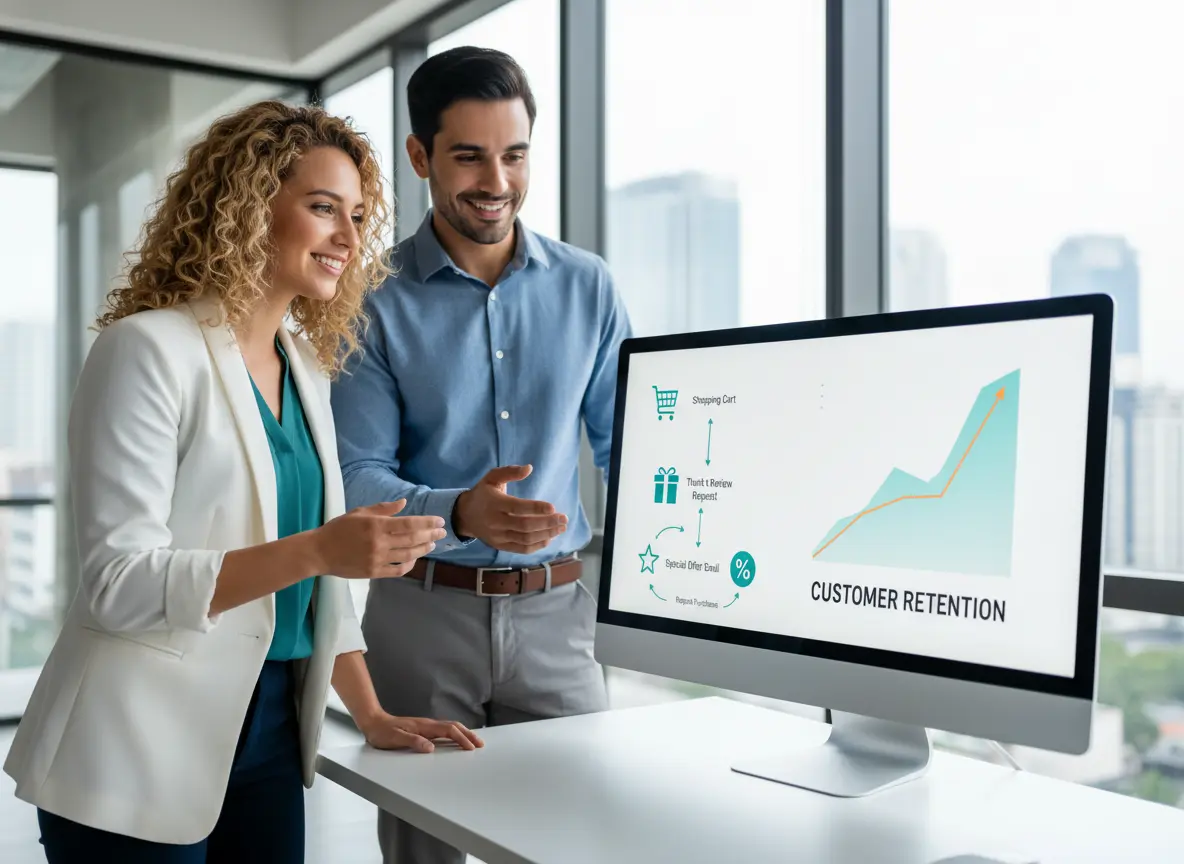
If your answer is, “Uh, I hope they come back eventually?” then we need to talk. Hope is a terrible business strategy. The real magic, the kind that pays the bills and lets you sleep at night, is in turning that one-time buyer into a repeat customer. According to Bain & Co, a mere 5% increase in customer retention can boost profitability by a whopping 75%. So, yes, it’s a big deal.
The good news is you don’t need a marketing department the size of a small army. You just need a killer post-purchase email sequence. It’s your secret weapon for staying top-of-mind without being, you know, creepy. Let's build one that actually works.
The Anatomy of an Email Sequence That Sells (Without Being Salesy)
A great post-purchase sequence is a conversation, not a monologue. It’s about building a relationship that extends beyond the four walls of your store. Each email has a specific job to do, and when they work together, they create a powerful incentive for customers to return.
Email #1: The "Thank You & Here's Your Receipt" (But Make It Interesting)
Timing: Immediately after purchase.
This is your first, and arguably most important, post-purchase touchpoint. Everyone opens their receipt email. It's a golden opportunity, so for the love of retail, don't waste it on a generic, auto-generated block of text. This email should do more than just confirm a transaction; it should confirm they made an excellent choice by shopping with you.
Inject your brand’s personality. Are you quirky? Be quirky. Are you luxurious? Be luxurious. A simple, heartfelt "Thank You" goes a long way. Reinforce the value of their purchase. Maybe include a fun fact about the product or a quick tip on how to use it. This is your chance to make them feel smart and validated.
Example Subject Line: Your closet just got a whole lot better. (Your order confirmation)
Email #2: The "How's It Going?" Check-in (Without Being a Stalker)
Timing: 3-7 days after purchase.
The goal here is to be helpful, not intrusive. You're checking in to see how they're enjoying their new item. This is not the time to aggressively push for another sale. Instead, focus on providing value. Did they buy a leather jacket? Send them a link to your blog post on "5 Ways to Care for Your New Leather Jacket." Did they buy a complex board game? Email them a link to a "How to Play" video.
This is also a fantastic, low-pressure way to ask for a review. Frame it as a request for feedback, not a demand. A simple, "We'd love to know what you think!" with a direct link to the product page can work wonders for gathering social proof. It shows you care about their experience, not just their wallet.
Email #3: The "We Miss You" Bribe (The Ethical Kind)
Timing: 2-4 weeks after purchase.
Okay, the dust has settled. They’ve used your product, and the initial excitement has worn off. Now it’s time to gently nudge them back. This is where you can introduce a compelling offer. It doesn't have to be a massive discount; sometimes, a little goes a long way.
- A small percentage off their next purchase (e.g., 10% or 15%).
- Free shipping on their next order.
- Early access to an upcoming sale or new collection.
- A "free gift with purchase" offer.
The key is to make it feel like an exclusive perk for being a valued customer, not a desperate plea. The language you use matters. "A little something for you" sounds much better than "PLEASE BUY MORE THINGS."
The Secret Ingredient: Data-Driven Personalization
Using a customer's first name in the subject line is fine. It’s table stakes. True personalization goes deeper. It’s about using what you know about the customer to make your communication ridiculously relevant. Generic emails get ignored; hyper-relevant emails get opened, clicked, and acted upon.
Using In-Store Interactions to Fuel Your Emails
What if you could tailor your emails based not just on what a customer bought, but also on what they were interested in? This is where the physical and digital worlds collide in the most wonderful way. Imagine a customer comes into your store and has a conversation with your staff—or better yet, an always-on, data-collecting assistant—about a specific product line they're curious about. They end up buying something else, but that initial interest is a golden nugget of data.
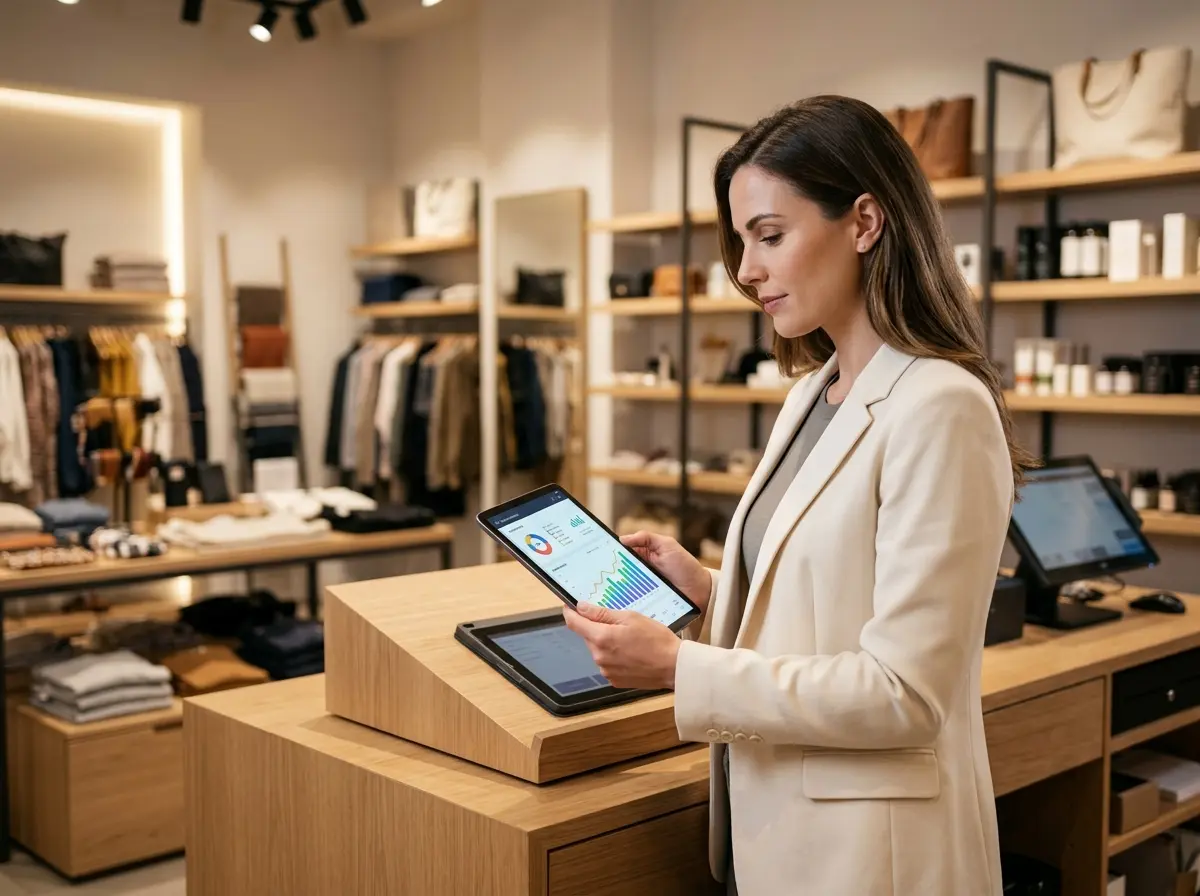
This is precisely where technology can give you an edge. An in-store assistant like Stella doesn't just greet people; she engages with them, answers their questions, and logs key insights about those interactions. If a shopper asks Stella about your new denim collection but walks out with a t-shirt, you now have a powerful data point. Your post-purchase email can now be laser-focused: "Hey Jane, thanks for grabbing that tee! We saw you were also eyeing our new 'Never-Fade' jeans. As a thank you, here’s an exclusive 15% off coupon if you decide to come back for them." Suddenly, your email isn't just a marketing blast; it's a helpful, personal follow-up that feels like a concierge service.
Common Pitfalls and How to Sidestep Them Like a Pro
Building the perfect email sequence is part art, part science. It’s also incredibly easy to mess up. Here are a few common traps to avoid on your quest for customer retention glory.
The Overly Eager Marketer: Don't Bombard Them
There's a fine line between "thoughtful follow-up" and "digital harassment." Sending an email every single day after a purchase is a surefire way to land in the spam folder and lose a customer forever. Create a clear timeline for your sequence and stick to it. Give them breathing room. If they haven't engaged after your initial sequence, move them to your regular, less-frequent newsletter list. Respect the inbox.
The Generic Void: Where Personality Goes to Die
Your brand has a personality. Let it shine! A receipt that says, "Order #8675309 Confirmed" is a missed opportunity. A receipt that says, "Get Ready to Look Awesome! Your Order is Confirmed" is memorable. Ditch the corporate jargon. Write like a human being. Use the same voice in your emails that you use in your store. Consistency builds trust and makes your brand feel authentic.
Forgetting the Point: The Call-to-Action (CTA)
Every single email you send should have one clear goal. What do you want the reader to do? "Click here to track your package." "Leave a review." "Shop our new arrivals." Don't muddy the waters by asking them to do five different things. A confused mind always says no. Make your Call-to-Action a big, bold, can't-miss-it button. Guide them clearly to the next step you want them to take.
A Quick Reminder About Stella
Remember, the personalization that makes these emails so effective starts with great data. An in-store AI retail assistant like Stella not only enhances the customer experience by greeting shoppers and answering questions, but she also captures the valuable interaction data you need to make your marketing smarter and more effective. She's the friendly face at the front of your store and the secret data whiz behind your killer email campaigns.
Conclusion: Your Action Plan
Getting that second, third, and fourth sale from the same customer isn't luck; it's the result of a deliberate, thoughtful strategy. A well-crafted post-purchase email sequence is one of the most cost-effective tools in your arsenal for building loyalty and driving repeat business.
Here’s your homework:
- Audit Your Current Emails: Go look at the last "Order Confirmation" email your store sent. Is it boring? Be honest. If it puts you to sleep, it's time for a rewrite.
- Map Out Your Sequence: Plan out three emails: The "Thank You," the "Check-in," and the "Incentive." Decide on the timing and the core message for each.
- Inject Some Personality: Brainstorm ways to make your copy sound less like a robot and more like you.
Stop leaving money on the table. Start the conversation after the sale, and watch your one-time buyers transform into loyal fans who can't wait to see what you have in store for them next.