Why Your Customers Are Leaving Money on the Table (And So Are You)
Let's be honest — getting customers through your door (or to your checkout page) is expensive. Between advertising, promotions, and the sheer force of will it takes to stand out in a crowded market, acquiring a new customer costs five times more than retaining an existing one. So when someone finally shows up, wallet in hand, ready to spend... are you doing everything you can to make the most of that moment?
If your answer is "we just sell them what they came for and wish them a nice day," then congratulations — you've mastered the art of leaving revenue on the table. The good news? Product bundling is one of the simplest, most proven strategies to increase your average order value (AOV) without spending an extra dime on customer acquisition. According to McKinsey, bundling and cross-selling can drive 20–30% of revenue for businesses that do it well. The even better news: you don't have to be Amazon to pull it off.
Let's break down exactly how to build a bundling strategy that feels natural, adds genuine value for your customers, and quietly — but meaningfully — fattens your bottom line.
Building Bundles That Actually Sell
Start With Complementary Products, Not Random Pairings
The foundation of any good bundle is logical pairing. If you run a coffee shop and you bundle a latte with a blueberry muffin, that makes sense — people understand the value immediately. If you bundle that same latte with a phone charger cable, you've lost them. Great bundles feel like a natural "of course" to the customer, not a puzzling coincidence.
Start by mapping your product catalog and asking: what do customers typically buy together? What does product A naturally lead to? What problem does the customer have after purchasing product B that product C could solve? A hair salon might bundle a deep conditioning treatment with a blowout service. A sporting goods store might pair running shoes with moisture-wicking socks and a foam roller. The key is that the bundle tells a story — it solves a complete problem, not just half of one.
Price Bundles to Communicate Value, Not Just Discount
Here's where many retailers trip over themselves: they treat bundling purely as a discount mechanism. They slash prices, erode margins, and wonder why they're busier but not more profitable. Smart bundling isn't about giving things away — it's about framing value.
A well-priced bundle should feel like a deal to the customer while protecting (or even improving) your margins. A common approach is to offer a 10–15% savings compared to buying items individually, while ensuring the bundle still moves product combinations that would otherwise sit on shelves longer. You can also use "anchor" products — a higher-margin item paired with a lower-cost companion — to lift the perceived value of the bundle without heavily discounting your star performers. Think of it as curating an experience, not running a clearance sale.
Use Tiered Bundles to Serve Multiple Customer Segments
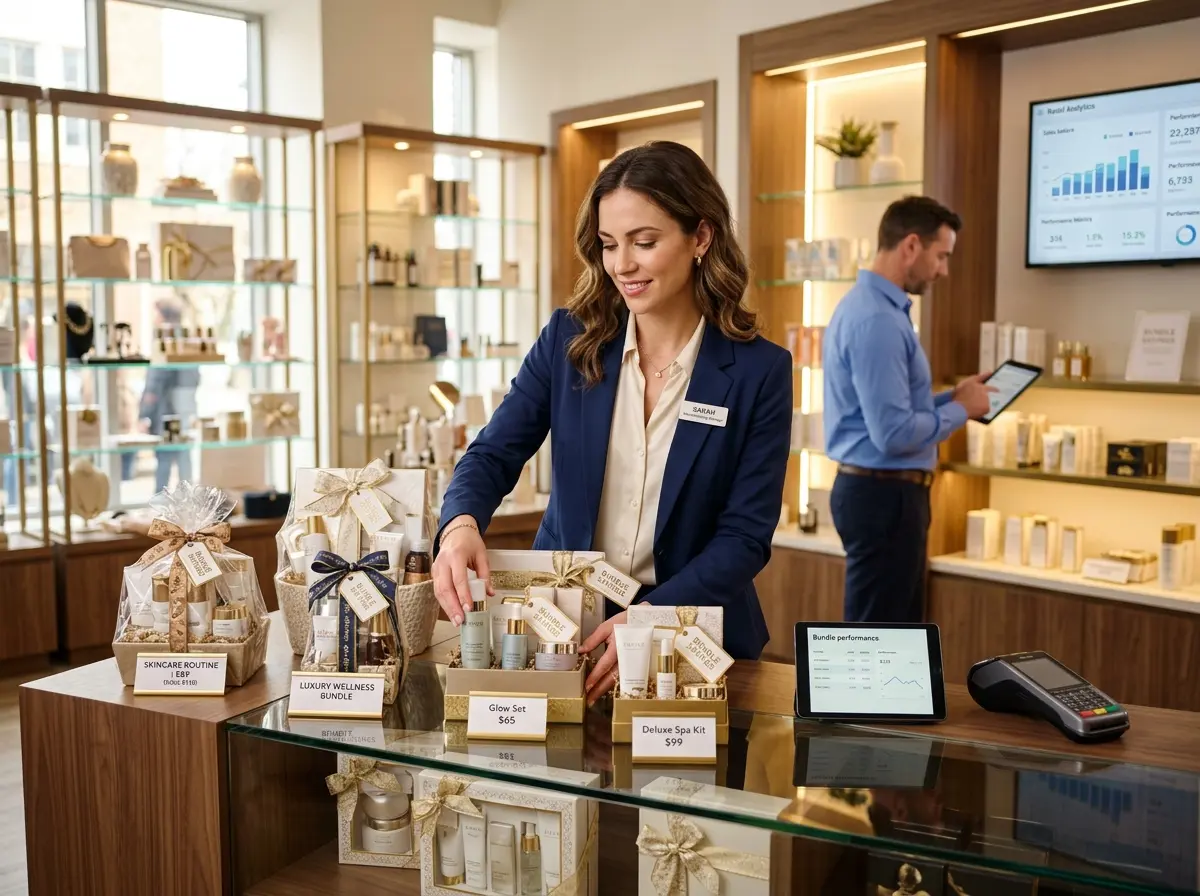
Not every customer has the same budget or appetite. A tiered bundling approach — sometimes called "Good, Better, Best" — lets you capture more of the market without alienating anyone. Your entry-level bundle might include your core product plus one add-on. The mid-tier adds two more. The premium tier pulls everything together into a flagship package with your highest-margin items front and center.
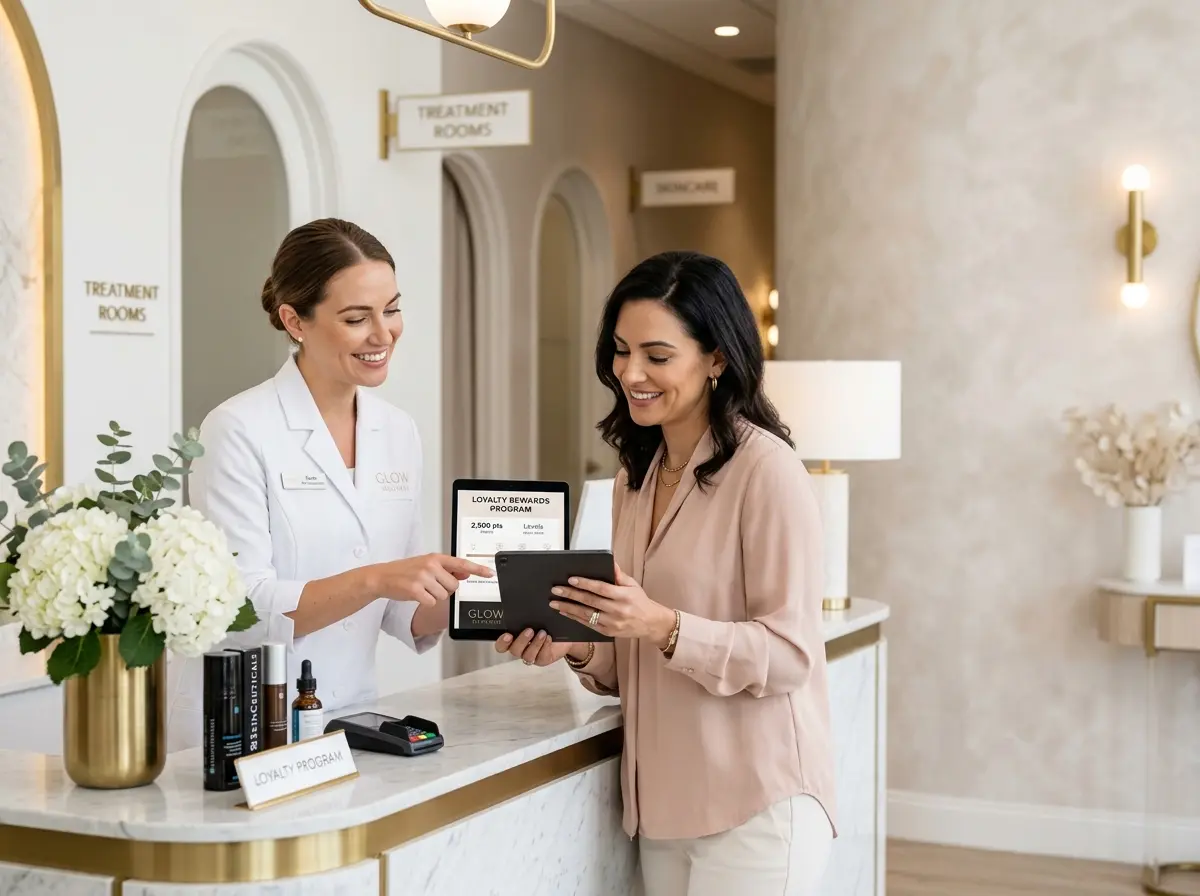
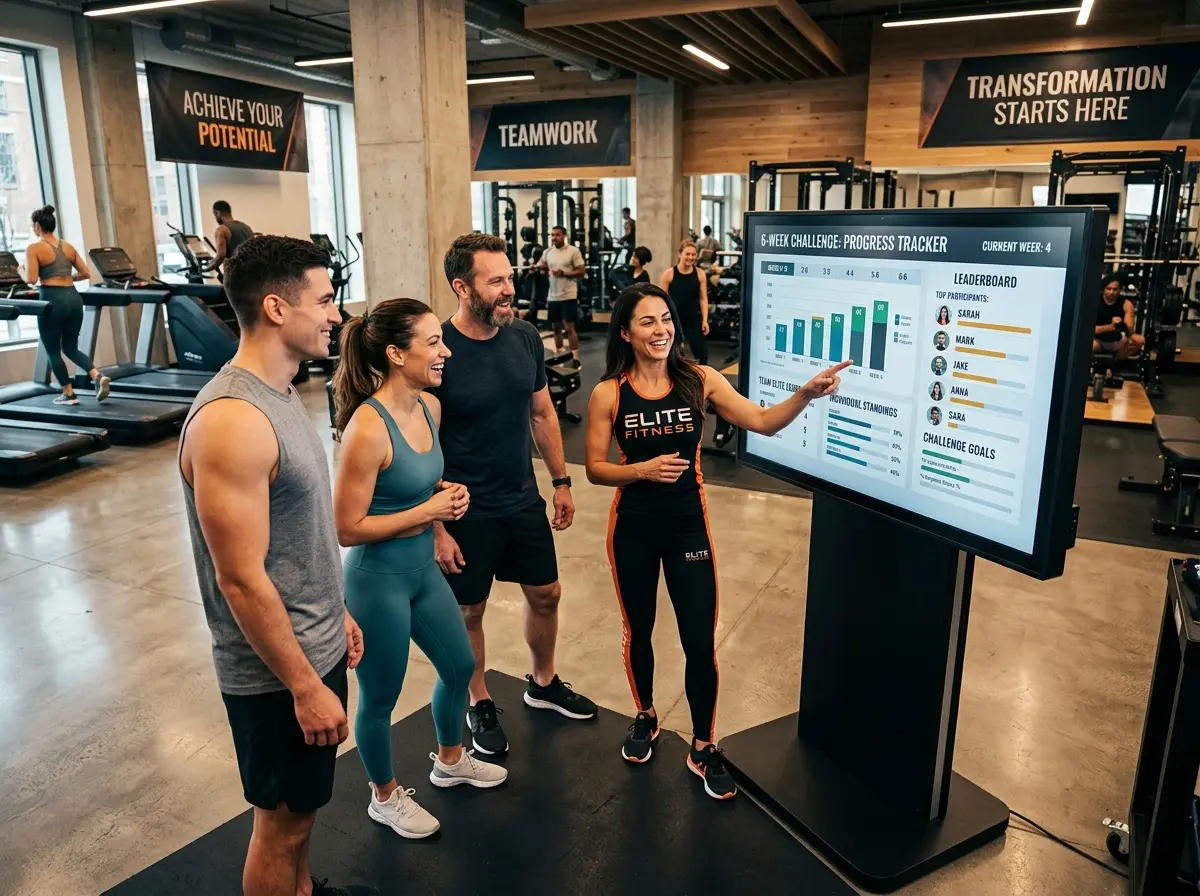
This strategy is particularly effective in service-based retail — think spas, salons, or fitness studios — where you can bundle individual sessions, membership upgrades, and product add-ons into tiers that speak to casual visitors, regulars, and your most loyal customers alike. Tiered bundles also create a subtle psychological nudge: when presented with three options, most people choose the middle one. Price accordingly.
Presenting Bundles at the Right Moment
Timing Is Everything in the Bundling Conversation
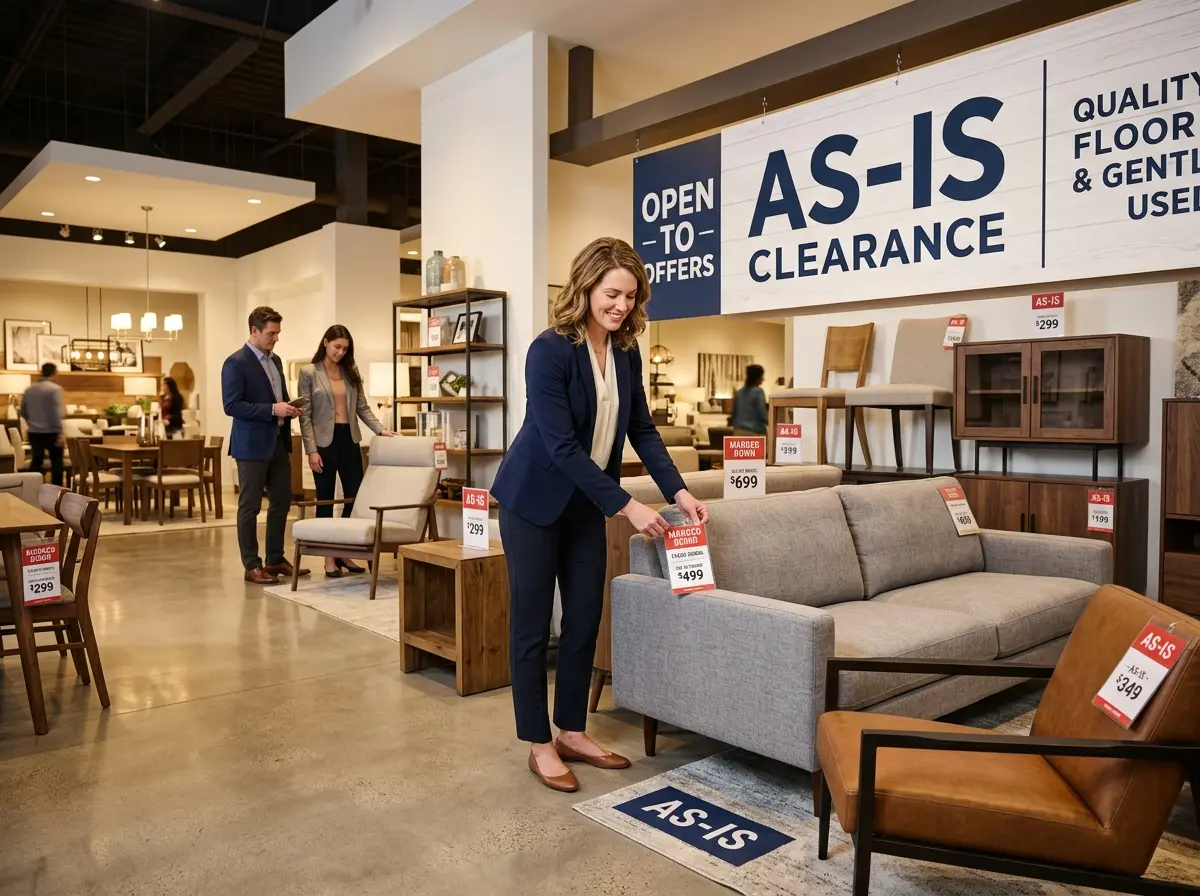
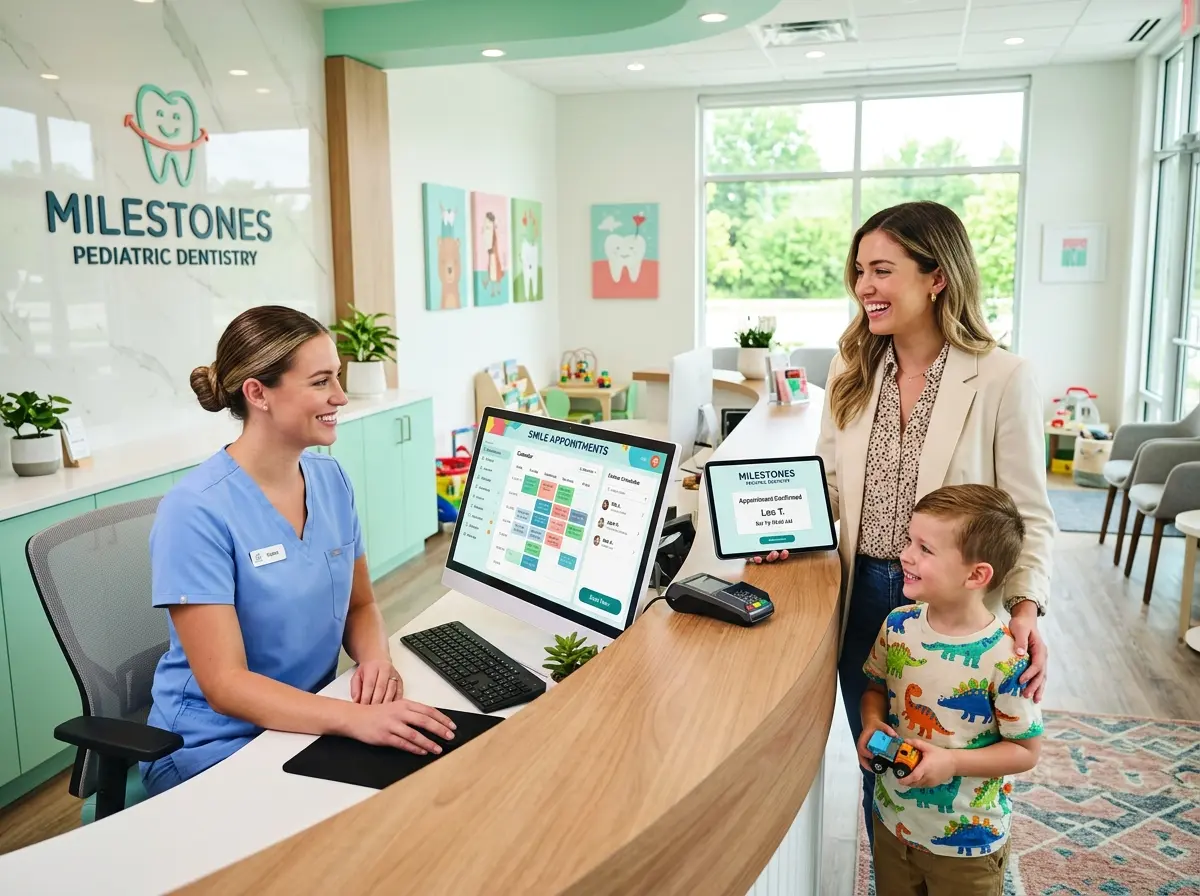
Even the most perfectly constructed bundle will flop if it's introduced at the wrong moment. The sweet spot for presenting a bundle is right when the customer has committed to their primary purchase — not before, when they're still deciding, and not after, when they've mentally closed their wallet. In a physical retail setting, this might be when a customer picks up a product and walks toward the register. Online, it's the cart or checkout page. In a service business, it's right after the customer has agreed to book an appointment.
Train your staff to recognize these moments and introduce bundles conversationally rather than through a hard sell. Something as simple as, "A lot of our customers who grab that also love pairing it with this — it actually saves you about $8 if you take both" is far more effective than a rehearsed upsell script that makes people feel like they're being worked over.
How Stella Can Help You Present Bundles Consistently
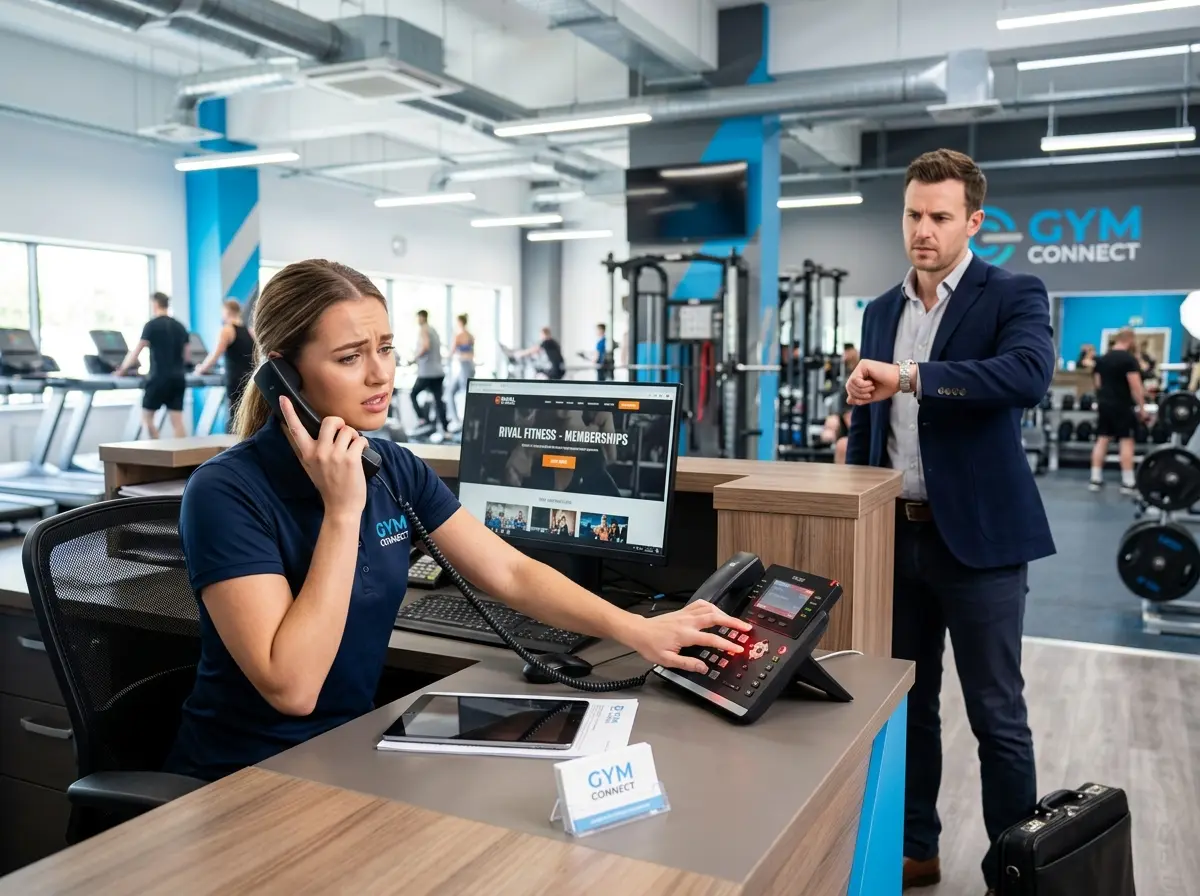
Here's an uncomfortable truth: your human staff are inconsistent. They have good days and bad days, busy rushes where they forget to mention the bundle, and slow afternoons where they over-explain everything. Stella, the AI robot employee and phone receptionist, never has a bad day. Whether she's greeting customers as a human-sized kiosk inside your store or answering phone calls on behalf of your business, she can be configured to mention relevant bundles and promotions at exactly the right moment in every interaction — every single time.
For in-store retail, Stella proactively engages customers, highlights current deals, and recommends complementary products naturally within conversation. For phone inquiries, she can mention bundles while answering questions about products, hours, or services — turning what would have been a simple informational call into a soft sales opportunity. Consistent, friendly, and always on message.
Measuring and Refining Your Bundle Strategy
Track the Metrics That Actually Matter
It's tempting to declare victory the moment a bundle sells. But sustainable bundling success requires you to track a few key numbers on an ongoing basis. Average Order Value (AOV) is your primary gauge — are customers spending more per transaction since you introduced bundles? Beyond that, watch your bundle attachment rate (what percentage of eligible customers are buying the bundle versus the standalone product?) and your bundle margin (are you actually making more money per transaction, or just moving more volume at thinner margins?).
Set a review cadence — monthly works well for most retailers — and look at which bundles are performing, which are collecting dust, and whether certain staff members or locations are driving better bundle attachment than others. The data will tell you stories that your intuition won't, and those stories are worth money.
Refresh and Rotate Bundles Seasonally
A bundle that was irresistible in November can feel stale by February. Rotating your bundle offerings seasonally — or around holidays, local events, and promotions — keeps the concept feeling fresh and gives repeat customers a reason to try something new. It also creates a natural sense of urgency: "This bundle is only available through the end of the month" is a remarkably effective nudge for customers who are on the fence.
Seasonal bundling also gives you a controlled way to test new products. Pair an established bestseller with a newer item you're trying to build traction for, and let the bundle do the introductory marketing for you. If the new item gets strong feedback through the bundle, you've earned yourself a new standalone product with a built-in customer base already familiar with it.
Don't Forget Digital and Phone Touchpoints
Retailers often pour energy into in-store bundling and neglect the moments when customers are engaging digitally or over the phone. Your website's product pages, checkout flow, and even your phone inquiries are all opportunities to present bundle options. If someone calls to ask about pricing, that's an opening — not just to answer their question, but to mention that a bundle including that product is currently available and saves them money. Make sure every customer touchpoint has a consistent, trained response that includes bundle awareness.
Quick Reminder About Stella
Stella is an AI robot employee and phone receptionist that works for your business around the clock — standing inside your store as a friendly, human-sized kiosk or answering calls 24/7 with the same deep knowledge of your products, services, and promotions. She greets customers, handles inquiries, upsells and cross-sells, and never calls in sick. At just $99/month with no upfront hardware costs, she's the most reliable team member you've never had to manage.
Start Bundling Smarter, Starting Today
Product bundling isn't a magic trick — it's a discipline. When done thoughtfully, it increases your average order value, moves more inventory, introduces customers to products they didn't know they needed, and builds a perception of value that keeps people coming back. When done carelessly, it erodes margins and confuses customers. The difference is almost entirely in the planning.
Here's your action plan to get started:
- Audit your catalog — identify your top 10 products and map natural complementary pairings for each.
- Build 2–3 test bundles — start small, price them with a 10–15% perceived savings, and protect your margins.
- Train your team (and your technology) — make sure every customer touchpoint, in-store, online, and over the phone, has a consistent bundle recommendation strategy.
- Track your AOV and bundle attachment rate for 30 days and adjust based on what the data tells you.
- Rotate seasonally — plan your next bundle refresh before the current one goes stale.
Your customers are already ready to spend more — they just need the right reason. Give them one.