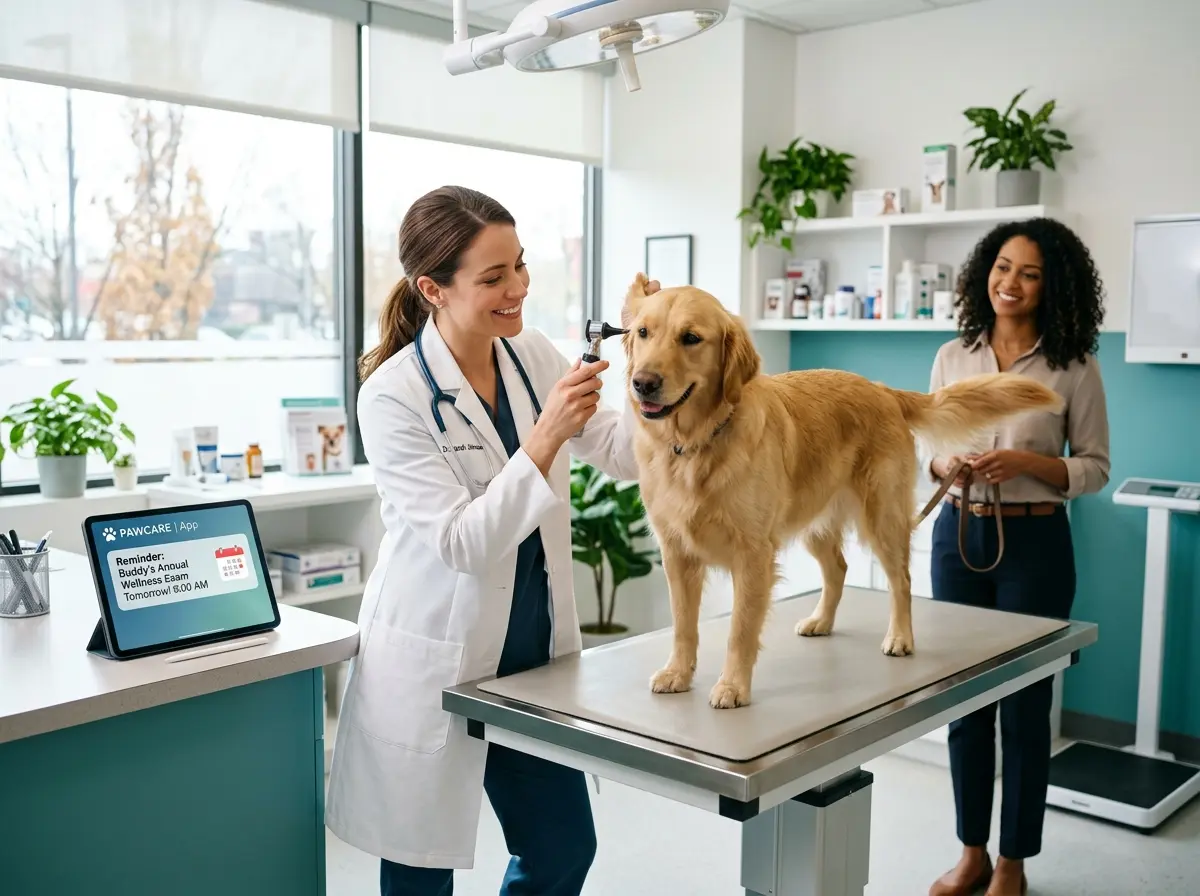
Introduction: Because Your Patients Can't Schedule Their Own Appointments (Yet)
Let's be honest — your patients would absolutely come in for their annual wellness exams if they could read a calendar and use a smartphone. Unfortunately, your average Labrador Retriever has other priorities, and your feline clients have made it abundantly clear that they answer to no one. That's where you come in. And more importantly, that's where your client retention strategy either thrives or quietly falls apart between heartworm season and the holidays.
Client retention is the lifeblood of any veterinary practice. Studies consistently show that acquiring a new client costs five times more than retaining an existing one — and in the veterinary world, a retained client means a healthier pet, a fuller schedule, and a more predictable revenue stream. Yet countless practices still rely on outdated reminder systems, inconsistent follow-up, and the heroic efforts of an already-overworked front desk team to keep clients coming back.
Preventative care reminders are one of the most powerful — and most underutilized — tools in a veterinarian's client retention toolkit. Done well, they position your practice as a trusted partner in pet health rather than just a destination for emergencies. Done poorly (or not at all), they leave money on the table and pets without the care they need. This guide walks you through how to build a reminder strategy that actually works, strengthens client relationships, and keeps your appointment books looking healthy.
Building a Preventative Care Reminder System That Works
Know What You're Reminding People About (and When)
Before you can remind anyone of anything, you need a clear map of your preventative care calendar. This sounds obvious, but many practices send reminders inconsistently because they haven't formalized what triggers a reminder in the first place. At minimum, your reminder system should cover annual wellness exams, core vaccinations, parasite prevention (heartworm, flea, tick), dental cleanings, senior pet screenings, and any breed-specific or species-specific milestones.
Timing matters enormously. A reminder sent three months before a vaccine is due is a gentle heads-up. A reminder sent the day after it was due is just guilt. The sweet spot varies by service — most practices find that a two-to-four week lead time works well for routine appointments, while dental cleanings and senior screenings benefit from slightly earlier outreach. Whatever cadence you choose, document it and apply it consistently across your patient database.
Personalization Is the Difference Between Ignored and Opened
Generic reminders get generic results. "Dear Pet Owner, your pet is due for services" is about as compelling as a telemarketer reading from a script — technically functional, emotionally useless. Clients want to feel like you actually know their animal. A message that says "Hi Sarah, Biscuit is due for her rabies booster and annual wellness exam next month — let's make sure she stays as healthy and dramatic as ever" is going to land very differently than a form letter.
Personalization doesn't require a massive budget. It requires good data. Invest in keeping your patient records clean and complete — pet names, species, breed, age, last visit date, and upcoming care milestones. When your reminders include the pet's name, reference their specific upcoming services, and reflect their life stage, open rates go up and appointment bookings follow. According to a 2022 report by Benchmark Email, personalized subject lines can increase open rates by as much as 26%. That's not a rounding error — that's a meaningful difference in appointment volume.
Multi-Channel Outreach Without Being Obnoxious About It
Email is not dead, but it is crowded. Text messaging boasts open rates north of 90%, making it the gold standard for appointment reminders. Phone calls still work well for high-value clients or for following up on unresponded digital reminders. Postcards, while charmingly old-fashioned, have a surprising effectiveness in markets where your clientele skews slightly older or in areas with strong community identity.
The key is sequencing, not spamming. A well-designed reminder campaign might look like this: an email four weeks out, a text reminder two weeks out, and a brief phone follow-up one week before the appointment if no booking has been made. Each touchpoint has a clear purpose, and together they create a rhythm that feels attentive rather than aggressive. Build in opt-out options and respect them — nothing damages client trust faster than making someone feel harassed about their cat's dental health.
How Technology Can Streamline Your Client Communications
Automating Without Losing the Human Touch
Here's where a lot of practices hesitate. Automation sounds cold, clinical, and vaguely threatening to the warm client relationships you've spent years building. But automation done right doesn't replace human connection — it just handles the repetitive, administrative layer so your team can focus on the moments that actually require a human. Nobody needs a person to manually send a vaccine reminder. Everybody needs a person to console a grieving pet owner or navigate a complicated diagnosis conversation.
Stella, the AI robot employee and phone receptionist, is a natural fit for veterinary practices looking to improve client communication without adding headcount. Her phone answering capabilities mean that when a client calls to ask about upcoming appointment reminders, vaccine schedules, or what to expect at a wellness exam, she handles it 24/7 with consistent, accurate information — no hold music, no "let me check on that," no after-hours voicemail black hole. Her built-in CRM and intake forms also make it easy to collect and manage client contact information, track interaction history, and keep patient records organized so your reminder campaigns always have clean data to work from. For practices with a physical location, Stella's in-store kiosk presence means she can greet clients when they arrive, answer questions about services, and even prompt clients to schedule follow-up appointments before they walk out the door.
Turning Reminders Into Relationships
Move Beyond Transactional Messaging
The best client retention strategies don't just remind people to come in — they make clients feel genuinely connected to your practice. Consider supplementing your appointment reminders with value-added content: a short seasonal tip about flea prevention heading into summer, a brief note about signs of dental disease in dogs, or a reminder that senior pets benefit from twice-yearly wellness checks as they age. None of this needs to be elaborate. A two-sentence tip tucked into a reminder email takes minutes to write and positions your practice as a resource, not just a billing address.
Birthday and adoption anniversary messages are low-effort, high-impact gestures. A quick "Happy 3rd Birthday, Mango!" email with a reminder that it's a great time to schedule a wellness check is the kind of thing clients screenshot and share. It humanizes your practice and creates the kind of loyalty that turns clients into referral sources. According to the American Veterinary Medical Association, word-of-mouth referrals remain one of the top ways new clients find a veterinary practice — and happy, well-retained clients are your best marketing team.
Handle Lapsed Clients With Care, Not Desperation
Every practice has them: clients who fell off the radar. Life happens, pets seem healthy, and before anyone realizes it, two years have passed since the last visit. Reactivation campaigns targeting lapsed clients — those who haven't been in for 12 to 18 months — can be remarkably effective when handled with the right tone. Avoid anything that reads as accusatory or guilt-heavy. Instead, lead with care. "We haven't seen Pretzel in a while and just wanted to check in — is everything okay?" is far more effective than "Your pet is OVERDUE for services."
A simple reactivation sequence might include a warm email acknowledging the gap, a follow-up text with a specific call to action, and optionally a small incentive like a complimentary wellness exam add-on or a discount on a dental cleaning to get them back through the door. Once they're back, your standard reminder cadence takes over and keeps them there.
Measure What's Working and Adjust Without Drama
You wouldn't practice medicine without diagnostics, and you shouldn't run a marketing strategy without metrics. Track open rates on your reminder emails, response rates on your texts, and conversion rates on your phone follow-ups. Pay attention to which messages get appointments booked and which ones get ignored. Over time, you'll develop a clear picture of what resonates with your specific client base.
Small adjustments — changing a subject line, shifting the timing of a reminder by a week, adding the pet's name to a text message — can produce meaningful improvements in response rates. Set aside time quarterly to review your reminder performance, make one or two data-informed changes, and track the results. Consistency and iteration beat the occasional grand overhaul every time.
Quick Reminder About Stella
Stella is an AI robot employee and phone receptionist designed to help businesses of all kinds — including veterinary practices — communicate better with clients, manage contacts, and stay responsive around the clock, all for $99/month with no upfront hardware costs. She answers calls, greets clients at your front desk, collects information through conversational intake forms, and keeps your CRM organized so nothing falls through the cracks. Think of her as the front desk team member who never calls in sick and never puts anyone on hold for fifteen minutes while searching for a file.
Conclusion: A Healthy Reminder Strategy Is Just Good Medicine
Client retention through preventative care reminders isn't a marketing gimmick — it's genuinely good practice management. When clients receive timely, personalized, well-timed reminders from a practice they trust, they come in. Their pets get the care they need. Your revenue stabilizes. Your team spends less time chasing lapsed clients and more time doing the work they actually trained for. Everyone wins, including the Labrador who would have skipped his heartworm test if left to his own devices.
Here's where to start: audit your current reminder system this week. Identify the gaps — which services lack a reminder workflow, which clients haven't been contacted in over a year, and which communication channels you haven't explored. Then build one improvement at a time. Add personalization to your emails. Set up a text reminder sequence. Create a simple lapsed-client reactivation campaign. Explore tools like Stella to handle incoming calls and keep your client data organized without adding administrative burden to your team.
Your clients chose your practice because they trust you with something they love. A thoughtful reminder strategy is one of the simplest, most effective ways to honor that trust — and to make sure that the next time Biscuit is due for her annual exam, everyone knows about it well in advance.