You Missed the Call. And the Customer. And Probably the Sale.
Here's a scenario that plays out in thousands of businesses every single day: a potential customer calls your business, nobody picks up, they don't leave a voicemail, and they move on to your competitor. No second chances. No heroic callback. Just gone. And the worst part? You didn't even know it happened.
According to research, 85% of customers whose calls go unanswered will not call back. Not because they're being dramatic — simply because they have options, and your competitor answered. In a world where attention spans are measured in milliseconds and patience is increasingly a virtue nobody has time for, missing a customer interaction isn't just an inconvenience. It's a revenue leak.
But missed calls are only part of the problem. Customers who do reach you — whether by phone or by walking through your door — are increasingly expecting fast, knowledgeable, and friendly service from the very first moment of contact. If your front-line experience doesn't deliver that, you're already behind. The good news? This is entirely fixable. Let's talk about how to win back those customers and make sure you stop losing them in the first place.
Why Customers Leave (And Why They Don't Come Back)
The First Impression Is Doing Heavy Lifting
Whether it's a ringing phone that nobody answers or a customer walking into your store and being ignored for two full minutes while your staff finishes a conversation, first impressions carry enormous weight. Studies consistently show that customers form an opinion about a business within the first few seconds of contact. That means the tone of your greeting, the speed of your response, and the competence of whoever answers the phone is directly tied to whether that customer becomes a paying one — or a five-star review for your competitor.
The tricky part is that most business owners think their first impression is fine. It's usually not. It's just that nobody's telling you otherwise, because unhappy customers rarely complain — they simply leave.
Availability Gaps Are Costing You More Than You Think
Your business hours say 9 to 5. Your customers' curiosity doesn't. Someone at 7:30 PM on a Tuesday is wondering if you carry a specific product, what your cancellation policy is, or whether you have Saturday appointments available. If they can't get that answer quickly, they'll find someone who can give it to them — and that someone is probably ranking just below you on Google Maps right now.
This is especially painful for solopreneurs, small teams, and any business where the owner is also the accountant, the marketer, the janitor, and occasionally the therapist. There are only so many hours in the day, and answering repetitive questions shouldn't be consuming them.
The Follow-Up Problem Nobody Likes to Admit
Let's be honest: most businesses are not great at follow-up. A lead comes in, things get busy, someone meant to call back, and three days later that lead is ice cold and mildly annoyed. Winning back a customer who felt ignored is significantly harder than just not ignoring them in the first place. It requires genuine effort, a solid re-engagement strategy, and sometimes a small discount that eats into the margin you were trying to protect.
The solution isn't working harder. It's building systems that catch customers before they slip through the cracks — so you're spending less time chasing and more time serving.
How Technology Can Patch the Gaps (Without Replacing Your Personality)
Automation That Actually Sounds Human
The word "automation" tends to make business owners nervous, and understandably so. Nobody wants their business to feel like a call center maze or a chatbot that responds to "I need help" with a list of FAQ links. But modern AI-powered tools have come a long way, and the right solution doesn't replace the human warmth of your business — it extends it.
Stella is an AI robot employee that works both as an in-store kiosk and as a 24/7 phone receptionist for businesses of all types. In a physical location, she stands inside your store and proactively engages customers — greeting them, answering product questions, highlighting current promotions, and even upselling or cross-selling relevant items. On the phone, she answers calls with the same depth of business knowledge, handles intake forms conversationally, takes voicemails with AI-generated summaries, and sends push notifications to managers so nothing slips through.
What makes Stella especially practical for customer recovery is her built-in CRM. Every interaction — whether it happens in-store, over the phone, or on the web — can feed into customer profiles with custom fields, tags, and AI-generated notes. That means you actually know who called, what they asked, and whether they were a new or returning customer. Follow-up stops being a guessing game and starts being a strategy. At $99/month with no upfront hardware costs, she's one of the more affordable ways to stop losing customers to availability gaps.
Practical Strategies to Win Customers Back
Reach Out Before They've Fully Moved On
Speed matters in customer recovery just as much as it does in initial contact. If someone called and didn't reach you, a callback within the same business day can still salvage the opportunity. Within 24 hours, your chances drop significantly. After 48 hours, you're essentially cold-calling a stranger who's probably already solved their problem elsewhere.
Build a simple process: missed calls get returned promptly, voicemails get reviewed and prioritized, and new leads get a response the same day they come in. This sounds obvious, but the number of businesses that let leads sit for days — or indefinitely — is staggering. If your team is stretched thin, automating the initial response (a quick text, a callback notification, or an AI-handled first touch) buys you time without burning the opportunity.
Give Them a Reason to Give You Another Chance
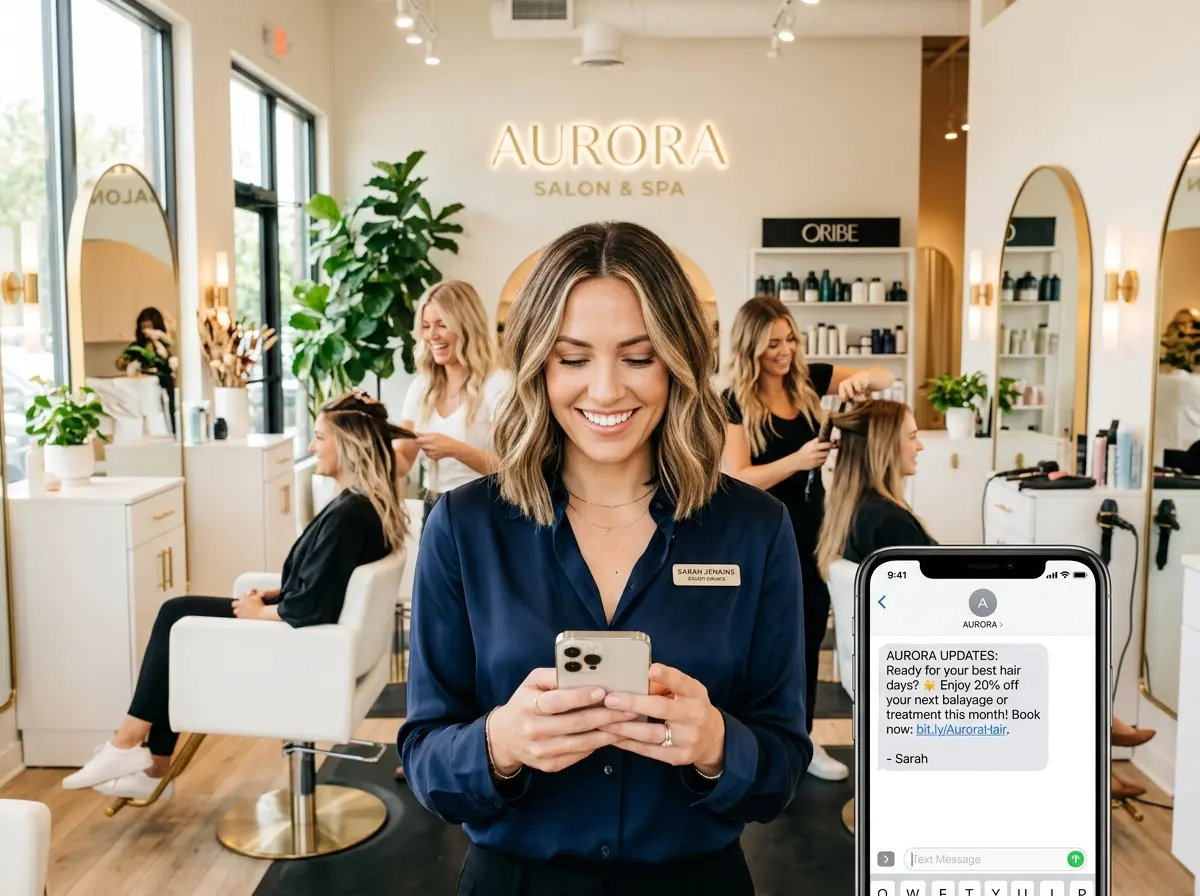
If a customer did slip away, re-engagement campaigns can absolutely bring them back — but only if they're done thoughtfully. A generic "We miss you!" email with a 5% discount isn't going to move anyone. What actually works is personalized outreach that references something specific: a product they inquired about, a service they used before, or a new offering that genuinely fits their needs.
Consider these re-engagement approaches that tend to perform well:
- Personalized email or SMS referencing their last interaction or purchase
- Exclusive returning-customer offers that feel special rather than desperate
- Helpful content — tips, guides, or updates related to something they care about
- A direct, personal message from the owner or manager acknowledging the gap and inviting them back
The goal is to make the customer feel remembered, not marketed to. There's a big difference, and your customers can feel it immediately.
Fix the Root Cause, Not Just the Symptom
Running a re-engagement campaign while still having the same availability gaps, unanswered phones, and inconsistent customer experience is a bit like bailing out a boat without plugging the hole. You'll win a few customers back, lose new ones in the same ways, and wonder why your retention numbers never improve.
Sustainable customer retention comes from closing the loop entirely. That means auditing every touchpoint a customer has with your business — first call, first visit, first follow-up — and asking honestly: is this experience compelling enough to come back for? Often, the answer requires some uncomfortable honesty and a few operational changes. But businesses that do this work consistently outperform those that focus only on acquisition and scramble to recover what they lose.
A Quick Reminder About Stella
Stella is an AI robot employee and phone receptionist built for businesses across retail, restaurants, gyms, medical offices, salons, law firms, auto shops, and more. She greets customers in-store, answers calls 24/7, collects customer information through conversational intake forms, and manages everything through a built-in CRM — all for $99/month with no hardware costs and no complicated setup. She doesn't take breaks, doesn't call in sick, and never lets a customer feel ignored.
Start Here: Your Next Steps Toward Fewer Missed Opportunities
Winning back customers who've already walked away takes real effort. Not losing them in the first place is significantly easier — and far more profitable. If you take nothing else from this article, take these three actions and implement them this week:
- Audit your missed calls. Check your call logs and count how many went unanswered in the last 30 days. Put a rough dollar figure on what those could have been worth. That number will motivate the next two steps.
- Create a same-day response protocol. Whether it's a human callback, an automated text acknowledgment, or an AI receptionist handling the initial contact, make sure no inquiry goes dark for more than a few hours.
- Build your re-engagement list. Pull together past customers you haven't heard from in 60 to 90 days and design a thoughtful, personalized outreach campaign. Not a newsletter blast — something that actually sounds like a person who remembers them.
Your customers aren't going anywhere — well, technically they already did, but that doesn't mean they're gone forever. With the right systems, the right follow-up, and a customer experience that's consistently reliable and genuinely helpful, you can turn missed opportunities into loyal regulars. And isn't that the whole point?
Stop letting the phone ring out. Stop leaving customers standing at your counter feeling invisible. And for the love of your revenue, stop assuming that the customers you lost just weren't a good fit. Most of them were. You just didn't pick up.