Is Your Veterinary Clinic Chasing Its Own Tail?
Picture this: A loyal client calls your clinic in a panic because their dog, Biscuit, is scratching relentlessly and his coat looks like it lost a fight with a leaf blower. A quick look at Biscuit's file reveals he was due for his flea prevention refill six weeks ago. Six weeks. You had the information. You had the solution. You just never reached out — and now Biscuit is miserable, your client is stressed, and your front desk is fielding an urgent call during an already packed Monday morning.
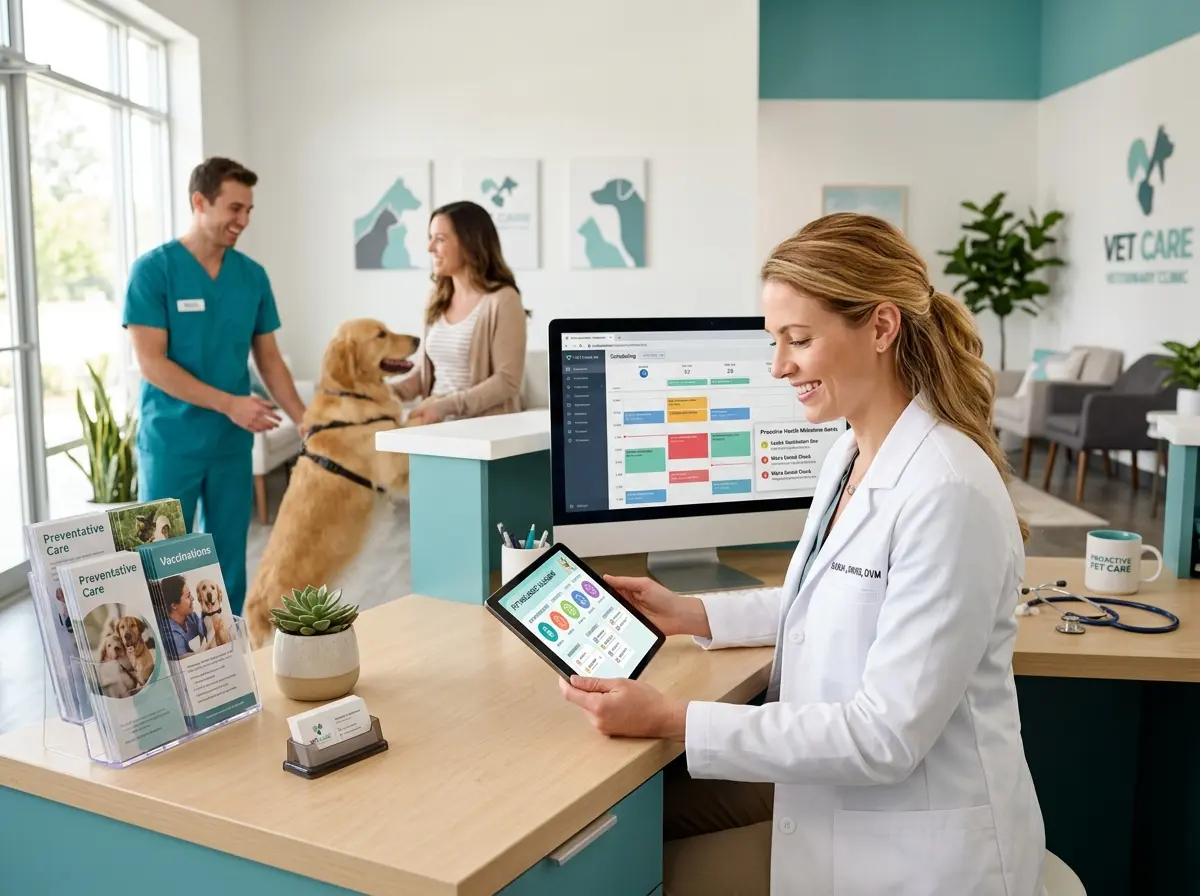
This is the difference between reactive recall and proactive wellness reminders — and it's one of the most important distinctions a modern veterinary practice can make. Reactive recall means you're waiting for problems to walk through the door. Proactive wellness reminders mean you're preventing those problems before they become emergencies, building trust with clients, and keeping your schedule filled with planned appointments rather than frantic, last-minute ones.
The good news? Building a proactive reminder system isn't complicated. It just requires the right mindset, the right tools, and a willingness to stop letting your patient data collect digital dust.
The Real Cost of a Reactive-Only Approach
You're Leaving Revenue — and Pet Health — on the Table
Let's be direct: every pet that misses a wellness visit, skips a dental cleaning, or goes without a heartworm test is both a health risk and a missed revenue opportunity. According to the American Veterinary Medical Association, routine preventive care visits are among the most consistently underutilized services in veterinary medicine. Clients aren't skipping these appointments because they don't care about their pets — they're skipping them because nobody reminded them.
The math here isn't subtle. If your clinic has 1,000 active patients and even 20% are overdue for a routine wellness exam, that's 200 appointments you could be scheduling right now. At an average visit value of $150–$250, that's anywhere from $30,000 to $50,000 in recoverable revenue just sitting in your database, waiting for someone to send a text or make a phone call.
Reactive Care Creates Reactive Clients
When clients only hear from you when something is wrong — or when they initiate contact — your clinic becomes associated with stress and emergencies rather than partnership and prevention. Over time, this subtly erodes the relationship. Clients start to see their vet as a fix-it shop rather than a trusted health advisor.
Proactive communication flips that script entirely. When you reach out to remind Mrs. Henderson that Luna is due for her annual bloodwork, you're not just filling a slot on the schedule — you're demonstrating that you're paying attention, that you care, and that your clinic is a proactive partner in Luna's long-term health. That's the kind of relationship that creates lifelong clients who refer their neighbors, their coworkers, and their fellow dog park regulars.
Your Staff Shouldn't Be Human Tickler Files
Manual follow-up systems — sticky notes, spreadsheet reminders, staff memory — are not strategies. They're controlled chaos with good intentions. Your veterinary technicians and front desk team are skilled, valuable people who should be focused on patient care and client experience, not manually combing through records to figure out who hasn't been in since last spring. Automating your wellness reminder workflow isn't lazy; it's smart. It frees your team to do the work only humans can do, while letting technology handle the routine outreach that technology genuinely excels at.
How the Right Tools (Including Stella) Make This Effortless
Centralized Client Data Is the Foundation of Everything
A proactive reminder system is only as good as the data feeding it. If your client records are incomplete, outdated, or scattered across multiple systems, even the most sophisticated reminder workflow will fall flat. This is where tools that combine client intake, contact management, and communication start to shine.
Stella, the AI robot employee and phone receptionist, brings a built-in CRM with custom fields, tags, notes, and AI-generated client profiles — meaning every interaction, whether it happens over the phone or at the front desk, feeds into a clean, organized record. Her conversational intake forms collect client and patient information naturally, without requiring your staff to juggle clipboards and keyboards simultaneously. For a veterinary clinic, that means cleaner records, better follow-up triggers, and a much stronger foundation for proactive outreach. And since Stella answers phones 24/7, she can capture new client information even when your team has gone home for the evening — so no lead or new patient ever slips through the cracks.
Building a Proactive Wellness Reminder System That Actually Works
Segment Your Patient List and Prioritize Outreach
Not all overdue patients are created equal. A senior dog that's six months past his cardiac screening is a higher priority than a healthy two-year-old cat who missed her routine flea prevention refill by a few weeks. Start by segmenting your patient list based on species, age, health history, and the type of service that's overdue. This allows your team to prioritize high-risk outreach while automating lower-urgency reminders in the background.
Effective segmentation might look like this:
- High priority: Senior pets overdue for bloodwork, dental cleanings, or chronic condition monitoring
- Medium priority: Adult pets overdue for annual wellness exams or vaccinations
- Routine priority: All patients due for preventive medication refills, parasite screenings, or puppy/kitten follow-ups
Once segmented, you can tailor both the message and the urgency of your outreach accordingly, which significantly improves response rates compared to blasting the same generic reminder to every client on your list.
Diversify Your Communication Channels
Email is fine. But email alone in 2024 is like leaving a flyer on someone's windshield and hoping they notice it. A robust reminder strategy uses multiple touchpoints — text messages, phone calls, app notifications, and even in-clinic signage — to ensure your message actually lands. Studies consistently show that SMS reminders have open rates above 90%, compared to roughly 20–30% for email. If you're not texting your clients appointment reminders and wellness notifications, you are functionally invisible to a large portion of your client base.
A simple multi-touch sequence might look like: an email reminder 30 days before a due date, a text message 14 days out, and a personal phone call or automated voice reminder 3–5 days before the appointment window closes. This layered approach dramatically reduces no-shows and dramatically increases compliance with preventive care recommendations.
Make It Easy to Say Yes
The single fastest way to kill the effectiveness of a reminder campaign is to make booking an appointment difficult. If your reminder says "Fluffy is due for her annual exam — please call us during business hours to schedule," you've created friction at exactly the wrong moment. Instead, every outreach message should include a direct, frictionless path to action: an online booking link, a reply-to-text option, or a phone number that's actually answered promptly and professionally.
This is where after-hours phone coverage becomes critical. A client who gets a wellness reminder at 9pm on a Tuesday might be ready to book right then and there — and if they call and get voicemail, there's a real chance they get distracted, forget, and never follow through. Remove every barrier between the reminder and the confirmed appointment, and your conversion rate on outreach will improve noticeably.
Quick Reminder About Stella
Stella is an AI robot employee and phone receptionist built for businesses like yours — she greets clients in person at your kiosk, answers phone calls 24/7 with full knowledge of your services and policies, manages client data through her built-in CRM, and never takes a sick day. At just $99/month with no upfront hardware costs, she's one of the most practical tools a veterinary clinic can add to its front-of-house operations.
Stop Chasing, Start Leading
The clinics that will thrive over the next decade aren't the ones with the flashiest equipment or the longest hours — they're the ones that build systematic, proactive relationships with their clients and patients. A wellness reminder system isn't a luxury or a "nice to have." It's a fundamental component of a modern, growth-oriented veterinary practice.
Here's what you can do this week to start moving in the right direction:
- Audit your current patient database. Identify how many active patients are overdue for any service and by how long.
- Define your reminder sequences. Map out what communications go out, through which channels, and at what intervals for each major service category.
- Evaluate your intake and CRM processes. Are you capturing complete, accurate client information consistently? If not, fix the foundation before building on it.
- Ensure your phone coverage supports your outreach. If clients call after hours and hit voicemail, explore AI-powered answering solutions that can capture intent and schedule follow-ups automatically.
- Review your results monthly. Track appointment conversion rates from reminders, adjust your messaging, and keep optimizing.
Biscuit's itching, Luna's bloodwork is overdue, and somewhere in your database right now there are hundreds of pets whose owners just need a friendly nudge. The technology to reach them proactively, consistently, and professionally has never been more accessible. The only question left is whether you're going to keep waiting for them to call you — or start reaching out first.