Your Clients Aren't Leaving Because of Your Work — They're Leaving Because of Your Silence
Let's be honest: accounting isn't exactly the industry known for its thrilling client communications. Most accounting firms operate on a simple (and slightly outdated) model — do the work, send the invoice, repeat. And then one day, a client quietly disappears to a competitor, and you're left wondering what happened. Spoiler: it probably wasn't your tax returns. It was the relationship.
Client churn is one of the most expensive problems an accounting firm can face. Research from the Harvard Business Review suggests that acquiring a new client can cost five to seven times more than retaining an existing one. Yet most firms pour their energy into business development while letting perfectly good client relationships slowly wither from neglect. The fix isn't hiring a full-time client success manager or sending a generic holiday card once a year. The fix is automated email — done thoughtfully, strategically, and in a way that actually sounds like a human being wrote it.
This post will walk you through how to use automated email sequences to keep your accounting clients engaged, informed, and loyal — without adding a single item to your already overwhelming to-do list.
Understanding Why Accounting Clients Actually Leave
The "Out of Sight, Out of Mind" Problem
Most accounting clients only hear from their firm during tax season or when something goes wrong. That's a communication cadence roughly equivalent to a friend who only texts you when they need to borrow your truck. It's transactional, it feels cold, and it makes clients dangerously open to switching when a competitor sends them a friendlier proposal.
The truth is that clients rarely leave because of bad work. They leave because they don't feel like a priority. When a client doesn't hear from you for eight months and then suddenly receives an invoice, the relationship feels purely financial — and purely financial relationships are easy to shop around.
What Clients Actually Want From Their Accountant
Clients want to feel informed, protected, and valued. They want to know that someone is watching out for them — not just processing their paperwork. They want proactive communication about deadlines, tax law changes, financial planning opportunities, and yes, even the occasional reminder that you exist and care. Automated email, when executed well, is exactly how you deliver that experience at scale without cloning yourself.
The Real Cost of Churn
If your average client pays $3,000 per year and you lose just five clients annually from neglect-driven attrition, that's $15,000 in recurring revenue walking out the door — every single year. Multiply that over five years and account for referrals those clients would have sent, and the number becomes genuinely uncomfortable. Automated email sequences are not a "nice to have." They are a retention strategy with a measurable return on investment.
Building an Automated Email Strategy That Actually Retains Clients
The Core Sequences Every Accounting Firm Needs
Automated email works best when organized into purposeful sequences triggered by specific events or timeframes. Here are the foundational sequences your firm should have in place:
- Onboarding Sequence: When a new client signs on, send a three- to five-email series over the first two weeks. Welcome them, introduce your team, explain what to expect, and set clear expectations around communication and deadlines. First impressions set the tone for the entire relationship.
- Deadline Reminder Sequence: Automated reminders for quarterly estimated taxes, document submission deadlines, and filing due dates keep clients compliant and position you as the proactive partner they need.
- Annual Check-In Sequence: Triggered around the anniversary of the client relationship or the start of a new fiscal year, this sequence prompts a review conversation — a natural touchpoint that also opens the door to upselling advisory services.
- Re-Engagement Sequence: For clients who have gone quiet or whose engagement has dropped, a gentle "we're thinking about you" sequence can reignite the relationship before they start Googling your competitors.
Writing Emails That Sound Like a Person, Not a Robot
The cardinal sin of automated email is sounding automated. Clients can smell a mail-merge from a mile away, and nothing says "you're just a number to us" faster than an email that starts with "Dear Valued Client." Use your clients' first names, reference their business type or industry when possible, and write in a conversational tone that reflects how you'd actually speak to them. Keep subject lines specific and useful — "3 Things to Know Before Q3 Estimated Taxes Are Due" will always outperform "Important Tax Information Inside."
Most email marketing platforms — whether you use Mailchimp, ActiveCampaign, HubSpot, or a CRM-integrated tool — allow for dynamic content fields and behavioral triggers. Use them. An email sent the day after a client uploads their documents feels thoughtful. The same email sent to your entire list on a Tuesday morning feels like spam.
How Stella Can Help Keep Your Client Relationships Strong
While automated email handles the written side of client communication, there's another layer of the client experience that firms often overlook: the moments between emails when clients reach out to you. Phone calls go unanswered. Questions pile up. A client who can't get a quick answer at 7 PM on a Wednesday starts wondering whether their accounting firm is really as attentive as their onboarding email claimed.
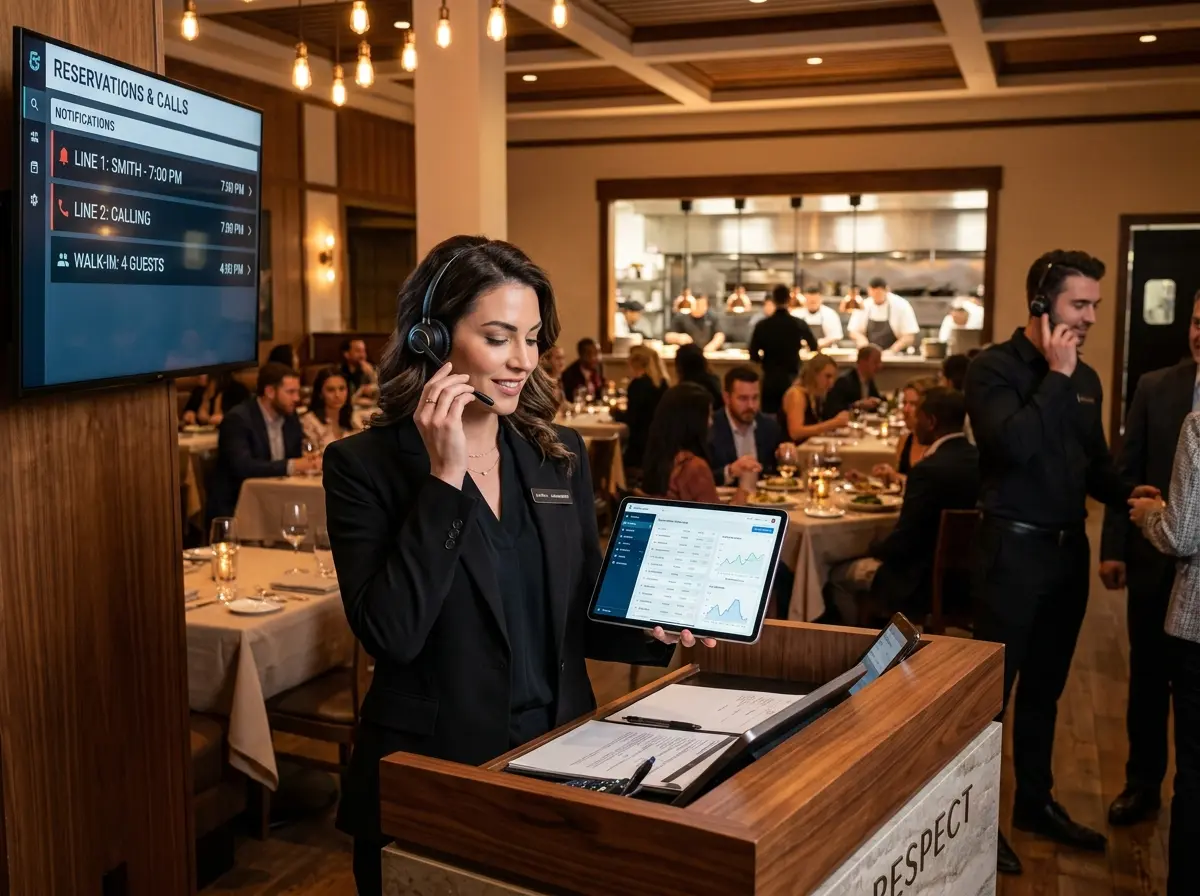
This is where Stella fills a meaningful gap. Stella is an AI-powered phone receptionist that answers calls 24/7 with the same knowledge your team uses during business hours. She can answer common questions about services, deadlines, and office policies, collect client information through conversational intake forms, and forward calls to the right staff member when needed. For firms with a physical location, she also operates as an in-store kiosk — greeting visitors and providing a professional, consistent presence even when the front desk is heads-down in spreadsheets.
Stella's built-in CRM means that every client interaction — whether by phone, in person, or through a web form — is captured, tagged, and summarized automatically. That kind of contact management integrates naturally with your email automation strategy, ensuring that the right clients are receiving the right messages based on where they are in the relationship. It's the connective tissue between your proactive outreach and your real-time responsiveness.
Measuring What Works and Optimizing Over Time
The Metrics That Actually Matter for Retention
Open rates and click-through rates are useful vanity metrics, but for an accounting firm focused on retention, the numbers that matter most are a little different. Track your client retention rate year over year. Monitor response rates to check-in emails — a client who replies to your annual review prompt is a client who is engaged. Watch for churn signals like clients who stop opening emails, miss document deadlines, or fail to respond to multiple outreach attempts. These behavioral patterns are your early warning system.
Most email platforms provide this data automatically. Set a recurring calendar reminder — quarterly works well — to review your automation performance and identify sequences that need refreshing or clients who need a more personal touch.
Knowing When Automation Should Step Aside
Automation is powerful, but it is not a replacement for human judgment. If a client's business has gone through a major change — a merger, a significant loss, a rapid growth period — the worst thing you can do is send them the same templated email they received last year. Your CRM should flag these situations so a real person can step in with a personalized message or a phone call.
The goal of automated email is to handle the routine so your team has more bandwidth for the moments that genuinely require a human touch. Use it accordingly. A well-designed system makes you look more attentive, not less — because the right message arrives at the right time without anyone on your team having to remember to send it.
Iterating Your Way to Better Retention
Don't build your sequences once and forget them. Tax laws change, client needs evolve, and your firm's services grow. Schedule a biannual review of your entire email automation library to update content, retire sequences that no longer serve a purpose, and add new touchpoints based on what you've learned about your clients. The firms that treat their email strategy as a living system — rather than a "set it and forget it" task — are the ones whose clients stay for decades.
A Quick Reminder About Stella
Stella is an AI robot employee and phone receptionist built for businesses that want to show up professionally at every touchpoint — whether that's answering a client's after-hours call, greeting a walk-in at the front desk, or capturing lead information through a conversational intake form. She runs on a simple $99/month subscription with no upfront hardware costs, and she's always ready to represent your firm with the same knowledge and warmth your best team member would. Think of her as the employee who never calls in sick and never puts a client on hold indefinitely.
Stop Losing Clients You've Already Won
Reducing client churn at your accounting firm doesn't require a massive marketing budget or a dedicated client success team. It requires consistency, intentionality, and the right systems working quietly in the background. Automated email — when built around real client needs and written with a human voice — is one of the highest-leverage investments you can make in the long-term health of your firm.
Here's where to start: pick one sequence — the onboarding sequence is usually the best place to begin — and build it this week. Map out three to five emails, write them in your firm's natural voice, load them into your email platform, and turn it on. Then move to the next sequence. Within a quarter, you'll have a retention infrastructure that runs in the background while you focus on the work itself.
Your clients chose you because they trust you with something deeply important to them. Automated email is simply how you remind them — regularly, professionally, and without missing a beat — that their trust was well placed.