Rise, Grind, and Try Not to Cry Into Your Coffee
Let's be honest — the romanticized version of owning a restaurant involves a beautifully lit dining room, happy regulars, and a smoothly humming kitchen. The reality involves a 5:30 AM alarm, a supplier who didn't deliver half your produce, and three missed calls from a customer who wanted to know if you're open on Columbus Day. Spoiler: you are not.
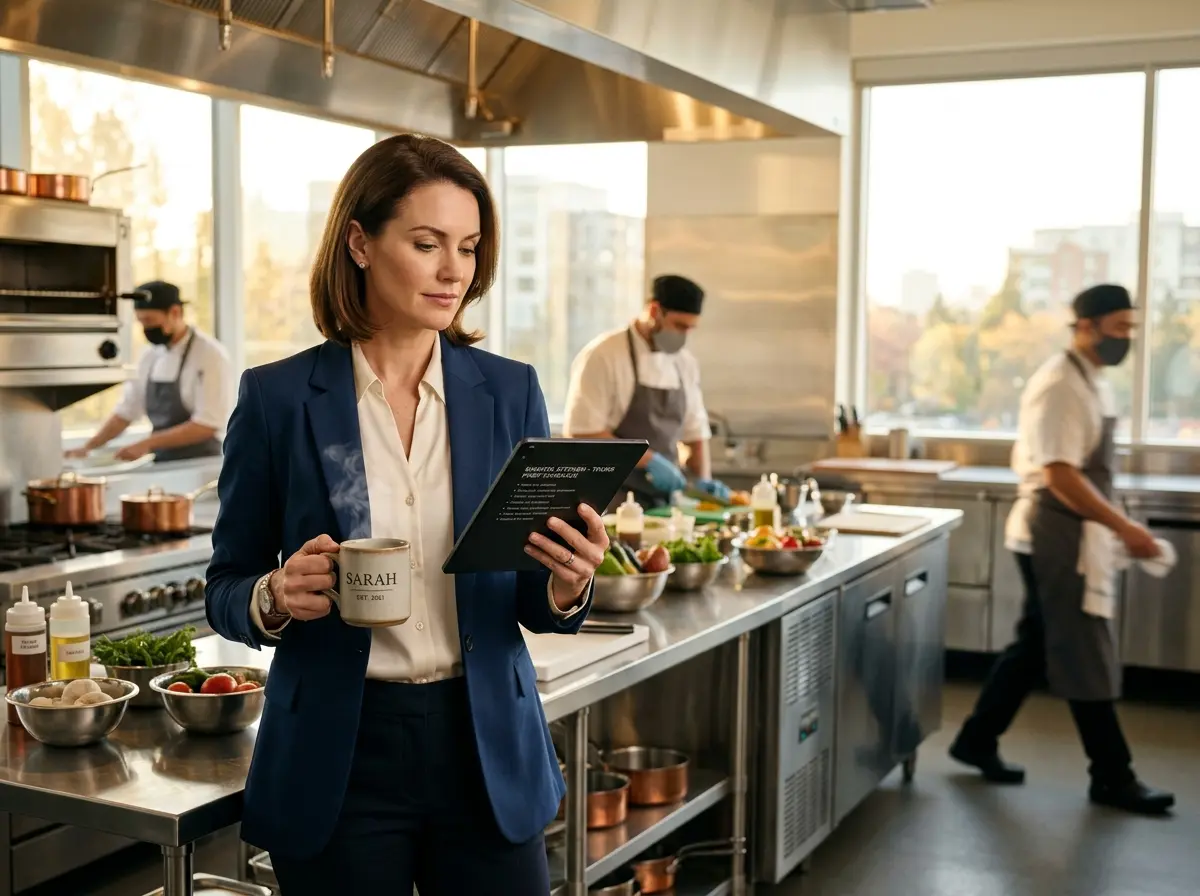
Successful restaurant owners don't stumble into their wins. They build systems, habits, and routines that set the entire day up for success before the first table is seated. The morning hours — that sacred, slightly chaotic window before service begins — are where great operators separate themselves from exhausted ones. And while no two mornings look exactly the same, the best in the business share a surprisingly consistent playbook.
If you've been winging your mornings and wondering why everything feels like controlled chaos by noon, this one's for you.
The Habits That Actually Move the Needle
Start with Numbers, Not Notifications
The single worst thing you can do first thing in the morning is open Instagram. The second worst? Opening your email before you've reviewed your key metrics from the night before. Successful restaurant owners spend the first 15–20 minutes of their morning reviewing numbers: previous day's sales, labor costs, covers served, average ticket size, and any notable voids or comps. This isn't glamorous, but it's the difference between reacting to your business and running it.
According to the National Restaurant Association, food and labor costs typically consume 60–70% of a restaurant's revenue. Operators who review these figures daily — not weekly — catch problems early. A labor percentage creeping from 28% to 34% over a week might seem subtle, but it's the kind of drift that quietly kills margins. Build a simple daily dashboard, even if it's just a spreadsheet, and make reviewing it non-negotiable before the morning rush starts.
Walk the Floor Before Anyone Else Arrives
There's a reason seasoned operators swear by the solo walkthrough. Before your staff arrives, before deliveries start clattering through the back door, walk every inch of your restaurant like a first-time customer. Check the bathrooms (always the bathrooms). Look at the lighting. Sit in a booth and see what your guests actually see. Is there a sticky menu? A burned-out bulb above table six? A floor mat that's been quietly becoming a trip hazard for two weeks?
This ritual takes about ten minutes and saves you from a dozen small embarrassments throughout the day. More importantly, it trains your eye to see your space objectively — which is genuinely hard to do when you're in the middle of a dinner rush with a server calling out and a ticket printer that's making that noise again.
Set the Team's Tone at the Pre-Shift Meeting
The pre-shift meeting is arguably the most underutilized tool in a restaurant operator's arsenal. Done well, it takes 10–15 minutes and accomplishes a remarkable amount: it communicates the day's specials, flags any 86'd items, previews large reservations, acknowledges great performance from the previous shift, and — critically — sets the emotional temperature of the whole team.
Your energy in that meeting becomes the team's energy on the floor. Walk in scattered and distracted, and watch it ripple. Walk in focused, specific, and positive, and you'll see the difference in table touches and tip percentages by 7 PM. Have something worth saying. Make it quick. Make it count.
Letting Technology Handle What It Shouldn't Be on You
Stop Personally Fielding Every Incoming Call
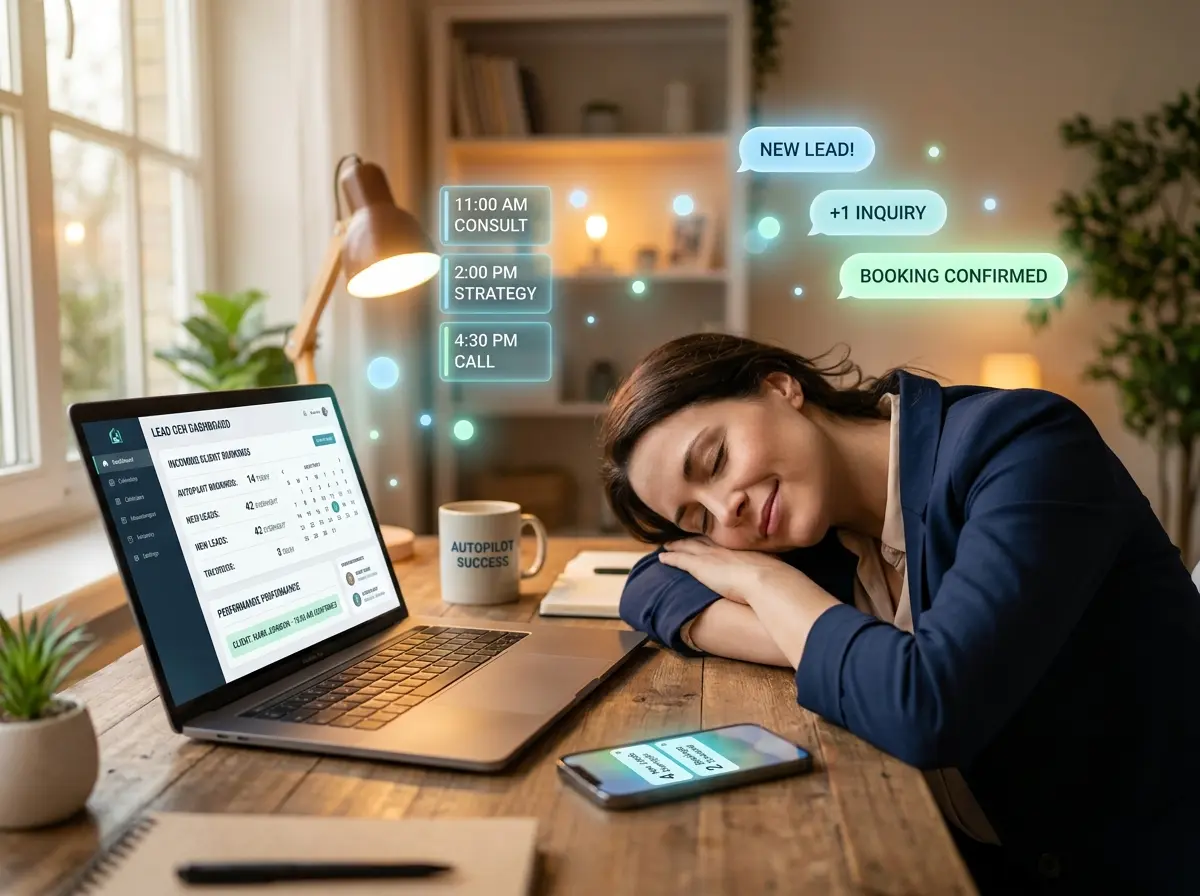
Here's a scenario that plays out in restaurants everywhere, every single morning: you're in the middle of your pre-shift prep, a delivery driver needs a signature, your kitchen manager has a question about tonight's special, and your phone rings. Again. It's someone asking what time you close on Sundays. This is the silent productivity killer that nobody talks about enough.
This is exactly where Stella becomes genuinely useful for restaurant owners. Stella is an AI robot employee and phone receptionist that can handle incoming calls 24/7 — answering questions about hours, reservations, specials, and policies with the same accuracy you'd expect from your best front-of-house staff. For restaurants with a physical location, she also operates as an in-store kiosk, greeting walk-in guests, promoting daily specials, and answering questions so your team can stay focused on service. She's available for $99/month with no upfront hardware costs — which, frankly, is less than the cost of one labor hour per day.
Managing Your Time Like You Actually Mean It
Time-Block Your Morning and Defend It Aggressively
The best restaurant operators treat their morning hours the way they treat their best table on a Saturday night — with intention and care. Time-blocking isn't just for corporate executives with color-coded calendars. It's a practical tool for anyone who has seventeen things competing for their attention between 7 AM and 11 AM.
Try this: assign specific blocks to specific tasks. The first 20 minutes go to metrics review. The next 10 to your solo walkthrough. Then 30 minutes for administrative tasks — vendor emails, scheduling adjustments, reviewing reservations. Then your pre-shift meeting. When each task has a designated window, you stop letting one thing bleed into everything else. You'll be stunned how much you can accomplish before noon when your morning isn't just a string of interruptions with brief pauses in between.
Build in Buffer Time and Don't Feel Guilty About It
Every experienced operator knows that restaurants are professionally unpredictable. The walk-in goes down. A key employee texts in sick. Your fish delivery shows up two hours late and now tonight's special needs to be rethought from scratch. If your morning schedule is packed wall-to-wall with tasks, there's no room to absorb any of this without unraveling.
Build 20–30 minutes of genuine buffer into your morning routine. Not "scroll your phone" buffer — actual white space that exists for the sole purpose of absorbing unexpected chaos without derailing your entire day. This is not laziness. This is operational wisdom. The owners who seem unflappable during service aren't just naturally calm people. They've built slack into their systems so that when things go sideways, and they will, they have room to respond instead of react.
Review and Reflect Before the Dinner Prep Begins
The best morning routines don't just set you up for the current day — they close the loop on the previous one. Before the afternoon prep rush kicks in, take ten minutes to do a brief mental debrief. What went well yesterday? What broke down? Was there a table turn issue? A communication gap between front and back of house? A complaint that surfaced twice in a week?
Continuous improvement in a restaurant doesn't come from big dramatic overhauls. It comes from these small, honest daily reflections that accumulate over time into meaningful change. Keep a simple running notes document — even a voice memo works — and capture one or two observations each day. After 30 days, you'll have a remarkably clear picture of your restaurant's patterns, both the strengths and the friction points.
A Quick Reminder About Stella
Stella is an AI robot employee and phone receptionist built for businesses like yours. She greets in-store guests, answers phone calls around the clock, promotes specials, and handles the repetitive questions that eat into your staff's time and your own — all for $99/month with no hardware costs to get started. If your mornings are currently interrupted by calls that could be handled without you, Stella is worth a serious look.
Build the Routine, Then Protect It
The morning routine that works isn't the most elaborate one. It's the one you can actually execute consistently, even when you're tired, even when a vendor is blowing up your phone, and even when the espresso machine decides today is the day it wants to become a problem.
Start with what matters most: review your numbers, walk your floor, and prepare your team with intention. Layer in smart habits around time management and buffer space. Leverage tools — whether it's a solid POS system, a reliable scheduling platform, or an AI receptionist like Stella — to take repetitive tasks off your plate so you can focus on the decisions that actually require you.
The restaurant industry doesn't reward the hardest workers. It rewards the smartest operators — the ones who build systems that work even when everything else is on fire. Your morning is where that starts. Use it well.
Ready to reclaim your mornings? Start with one change this week — pick the habit from this list that your current routine is most obviously missing, and build it in for seven days straight before adding anything else. Sustainable improvement beats dramatic overhaul every single time.